Meta Intent: A practical decision guide for building defensible HPTLC botanical identity methods when no single pure chemical reference standard can represent the material.
Introduction: The Reference Standard Bottleneck in Botanical Quality Control
Botanical identity testing asks whether a test material matches its declared species, plant part, and processed form. HPTLC addresses that question by comparing chemical fingerprints, rather than merely one marker. Because genotype, origin, processing, and storage reshape those fingerprints, a single purified standard rarely provides sufficient identity evidence.
The problem becomes more difficult for uncommon medicinal plants, regional materia medica, proprietary extracts, and multi-ingredient research materials. A suitable commercial chemical reference substance may not exist. If one is available, it may be unstable, poorly representative of the botanical, or shared by several species. Treating that molecule as the identity of the whole material creates single-marker blindness: the assay can pass while the broader phytochemical pattern is wrong.
A more defensible strategy is to make the fingerprint, not one molecule, the primary object of comparison. Modern HPTLC-based botanical analysis can compare test samples, authenticated botanical materials, reference extracts, chemical markers, and known confounders on the same plate. The resulting pattern of zone position, color, fluorescence, and relative intensity provides multiple independent identity cues. The method is strongest when the reference framework is traceable, the sample preparation and plate conditions are controlled, and the acceptance rules are defined before unknown samples are examined.
The absence of a single standard therefore does not mean that identity must be judged informally. It means the laboratory must replace a one-compound reference with a documented evidence system: a voucher specimen, one or more authenticated botanical lots, a standardized reference extract, fit-for-purpose system-suitability substances, and explicit positive and negative fingerprint features.
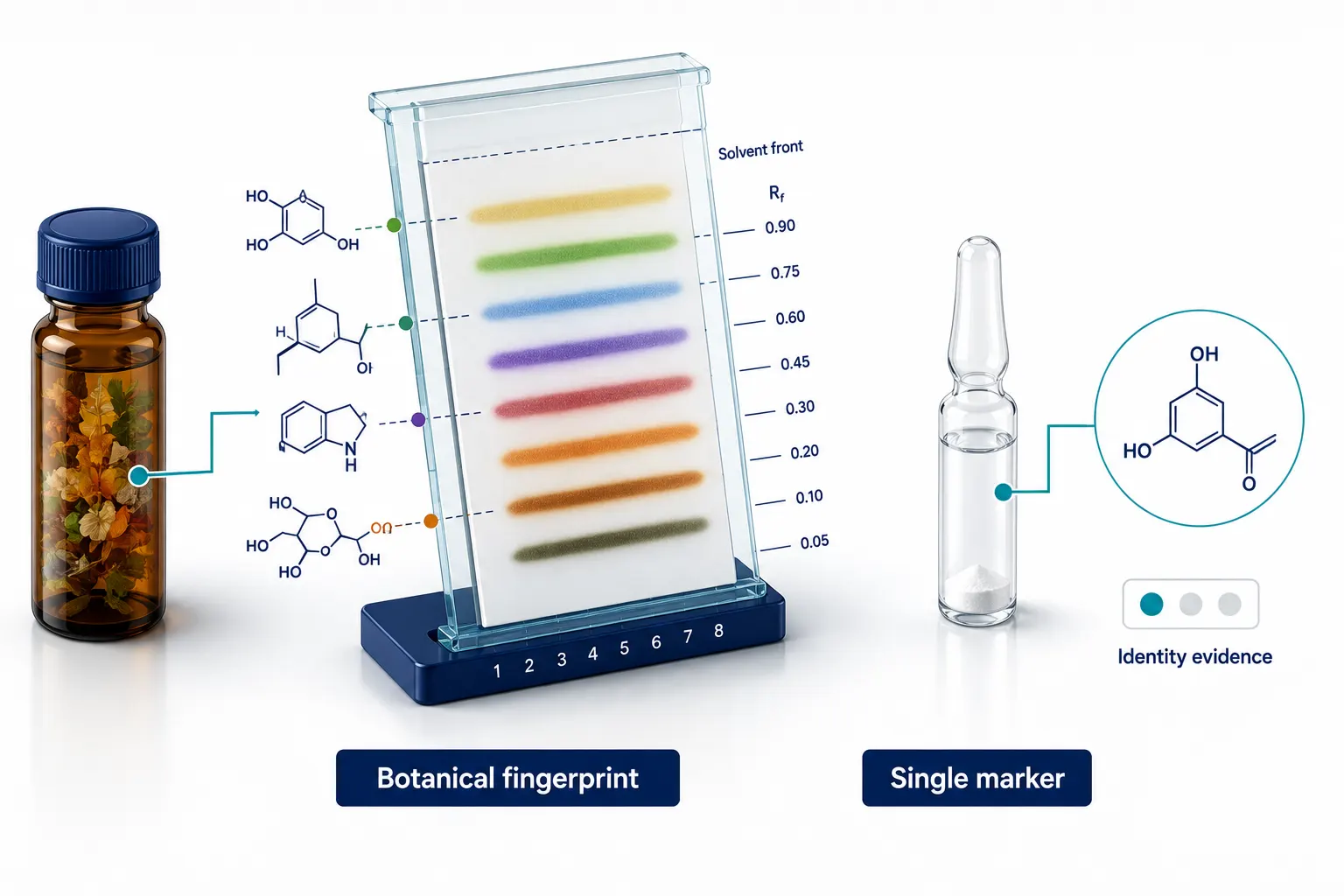 Figure 1: The Botanical Identity Conundrum: Complex Phytochemical Mixtures vs. Chemical Standard Scarcity
Build the Reference Framework Before Optimizing the Plate
Anchor the material to a voucher specimen
The reference chain should begin with taxonomy, not chromatography. An appropriate specialist identifies the source plant using the information available for the material, including macroscopic and microscopic characters, collection data, plant part, and nomenclature. A voucher or comparable reference specimen is then deposited or retained under a unique identifier. The record should connect the scientific name, authority, family, collection location, date, collector, plant part, photographs, and any relevant processing history.
This step prevents a circular method-development error in which an unverified commercial lot is declared authentic because its chromatogram resembles another unverified lot. The voucher does not need to be the material applied directly to every plate. Its purpose is to anchor the botanical identity of the primary material from which the laboratory's working reference is prepared.
Create an in-house botanical primary reference material
Select a representative portion of the authenticated lot and document milling, mixing, container, storage, and subdivision. Prepare a reference extract under a controlled procedure that specifies sample mass, particle-size range, solvent composition, material-to-solvent ratio, extraction mode, extraction time, temperature, mixing, clarification, final volume, and storage. These variables are part of the identity method because they determine which constituents reach the plate and at what relative abundance.
A reference extract should not be preserved indefinitely by assumption. Establish a stability and requalification plan based on the chemistry and storage conditions. Retain enough primary material to prepare a fresh extract when the working solution changes visibly or no longer meets its predefined fingerprint and suitability checks. Where plant secondary chemistry is the central analytical question, a broader plant secondary metabolite analysis can help characterize which compound classes are likely to be stable, diagnostic, or vulnerable to processing.
Establish a biological variance envelope
One authenticated lot is a starting point, not a complete representation of a species. Whenever feasible, assemble reference lots from different accessions, collection years, locations, or qualified suppliers. Include the correct plant part and the processing state relevant to the test article. Run them under the same method and identify zones that are consistently present, zones whose intensity varies, and zones that appear only under defined subconditions.
The goal is not to average all differences into a vague fingerprint. It is to separate robust identity features from acceptable biological variation. A practical reference set can define three evidence tiers: mandatory diagnostic zones, supportive but variable zones, and non-decisive background zones. Known related species, substitute plant parts, and likely adulterants should be tested separately to determine which features truly discriminate the declared material.
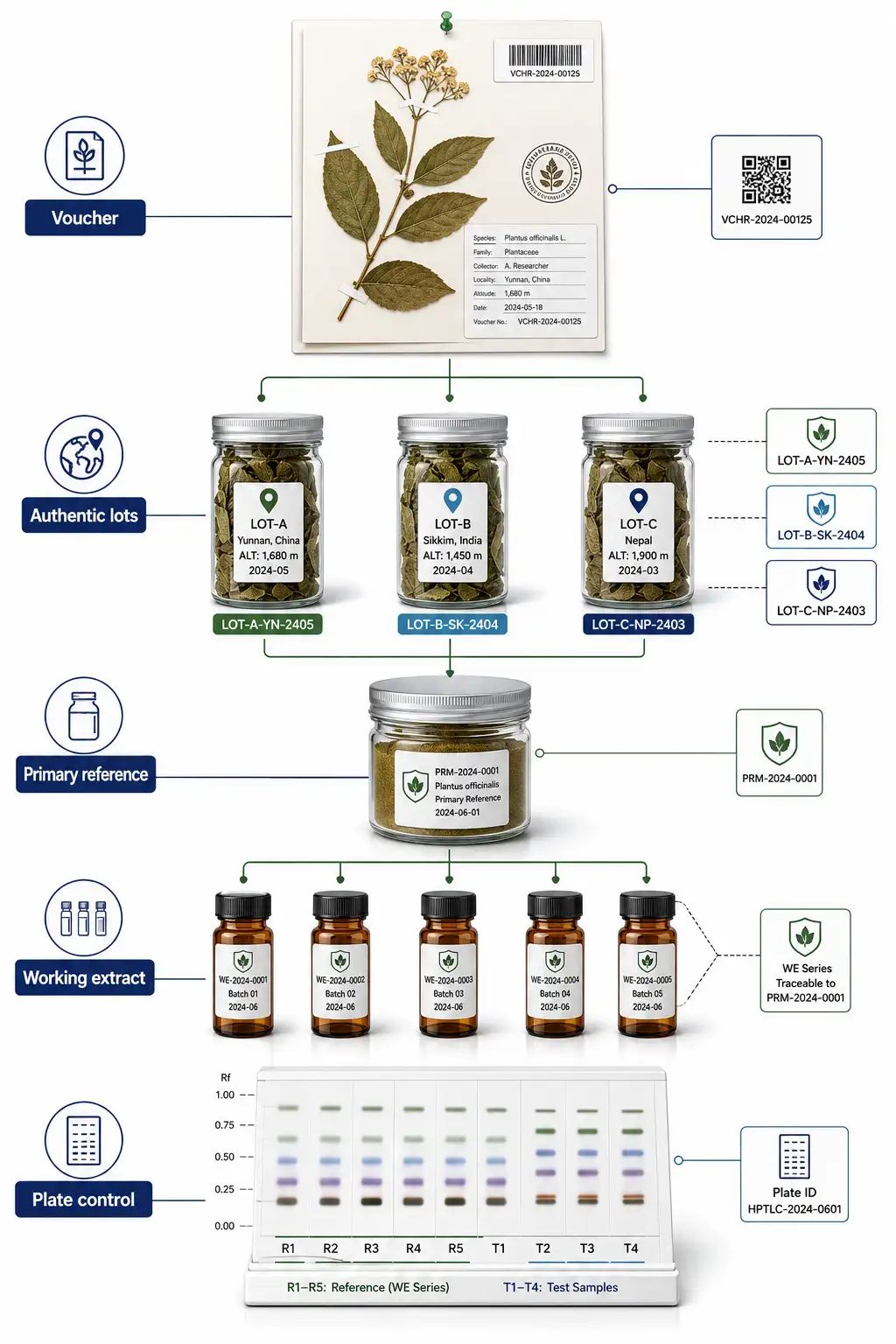 Figure 2: The Reference Hierarchy: Herbarium Voucher Specimen to Standardized Reference Extract
Use Multi-Marker and Negative-Evidence Strategies
Choose markers for analytical function, not fame
When a species-specific pure compound is unavailable, the method can still use commercially obtainable substances for system suitability and positional orientation. The key is to assign each substance a defined job. A pair of compounds with nearby but separable migration positions may test chromatographic resolution. A stable colored or fluorescent zone may help monitor derivatization. A compound spanning a different part of the migration range may reveal solvent-front compression or plate-development failure.
Common plant constituents such as rutin, chlorogenic acid, or quercetin may be useful in some methods, but they are not universal identity surrogates. Their suitability depends on the mobile phase, application load, detection wavelength, derivatization chemistry, and required separation. A laboratory should demonstrate that the selected markers behave consistently in the actual method rather than adopting a familiar panel by convention. When quantitative confirmation is required after screening, targeted metabolomics can measure selected constituents with analyte-specific calibration and validation.
Design the fingerprint across the plate
A useful fingerprint distributes diagnostic information rather than concentrating all evidence near the application zone or solvent front. During development, adjust extraction and mobile-phase conditions so that important constituents occupy distinguishable regions of the chromatogram. Multiple detection modes can reveal different chemical classes: short-wave UV may show quenching zones, long-wave UV may reveal native or derivatized fluorescence, and visible-light observation after derivatization may expose terpenoids, phenolics, saponins, or other classes depending on the reagent.
The pattern should be evaluated as a structured sequence. For each mandatory zone, define its expected position relative to plate controls, color under the specified observation mode, and acceptable relative intensity category. Avoid promising an exact visual intensity match across natural materials. Instead, define whether a zone must be strong, moderate, weak, absent, or within a ratio range relative to another feature.
Include exclusion markers and confounders
Positive matching alone can be insufficient when related species share the same dominant metabolites. Negative evidence can be more discriminating. A known adulterant may produce a fluorescent zone absent from the target, a different sequence of zones after derivatization, or a characteristic signal from the wrong plant part. Include these confounders during method development and document exclusion features independently of the authentic-material envelope.
This converts the decision from "the sample looks similar" to a two-sided test: required target features must be present, and specified confounder features must be absent. For complex herbal preparations, a Chinese herbal medicine ingredient analysis strategy can combine fingerprint screening with targeted confirmation of declared or suspect constituents.
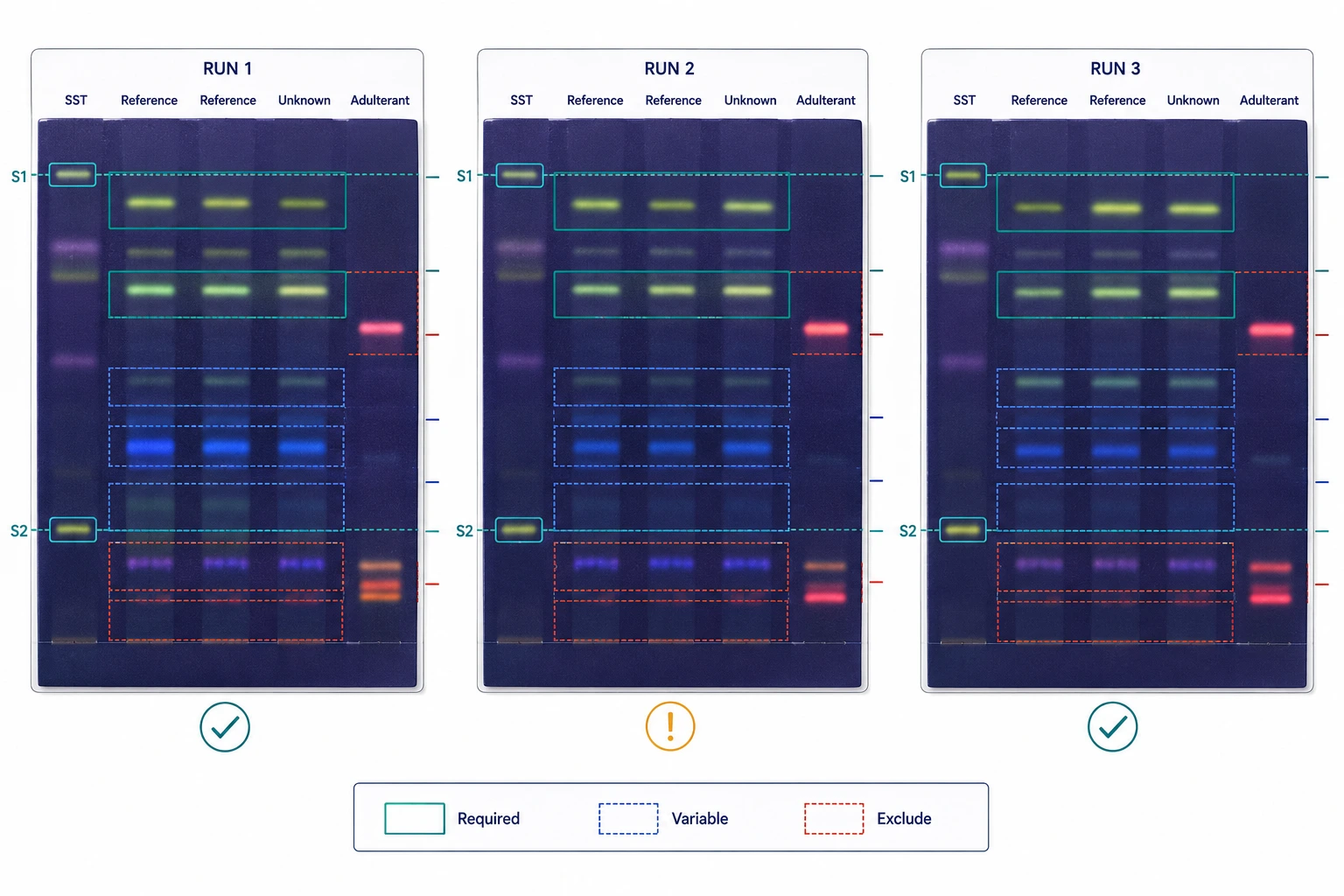 Figure 3: Multi-Marker Strategy and Surrogate Normalization Across HPTLC Plates
Standardize HPTLC Execution and Define System Suitability
HPTLC reproducibility depends on controlling the complete workflow. Record the plate type and lot, pretreatment if used, application position, band geometry, track spacing, application volume or mass equivalent, drying conditions, chamber configuration, saturation procedure, mobile-phase composition, development distance, ambient or controlled humidity, derivatization, heating, image-capture timing, and observation modes. Automated application and standardized imaging reduce operator-dependent variation, but they do not replace method validation.
Do not turn example operating settings into universal requirements. Band width, application volume, chamber saturation time, humidity range, development distance, and derivatization conditions must be optimized for the specific matrix and separation objective. The same applies to numerical acceptance limits. A fixed RF tolerance, resolution threshold, or similarity score is defensible only after the laboratory has shown that it controls relevant analytical variation and still distinguishes authentic materials from confounders.
Each analytical plate should include controls that answer four questions:
- Application: Did the test and reference materials produce bands with suitable shape and loading?
- Development: Did selected suitability substances migrate to expected regions and achieve the required separation?
- Detection: Did UV or derivatization controls produce the expected color or fluorescence?
- Reference integrity: Did the working reference extract reproduce its qualified diagnostic pattern?
If any plate-level control fails, sample interpretation should stop. Repeating only the unknown sample while accepting a failed reference lane does not rescue the run. The method should also specify how to handle diffuse zones, overloaded tracks, tailing, a curved solvent front, edge effects, and derivatization nonuniformity.
For projects that require later transfer to column chromatography, HPLC-based analysis can be developed as a quantitative or higher-resolution orthogonal method, while broader liquid chromatography method support can address alternative stationary phases and detection schemes.
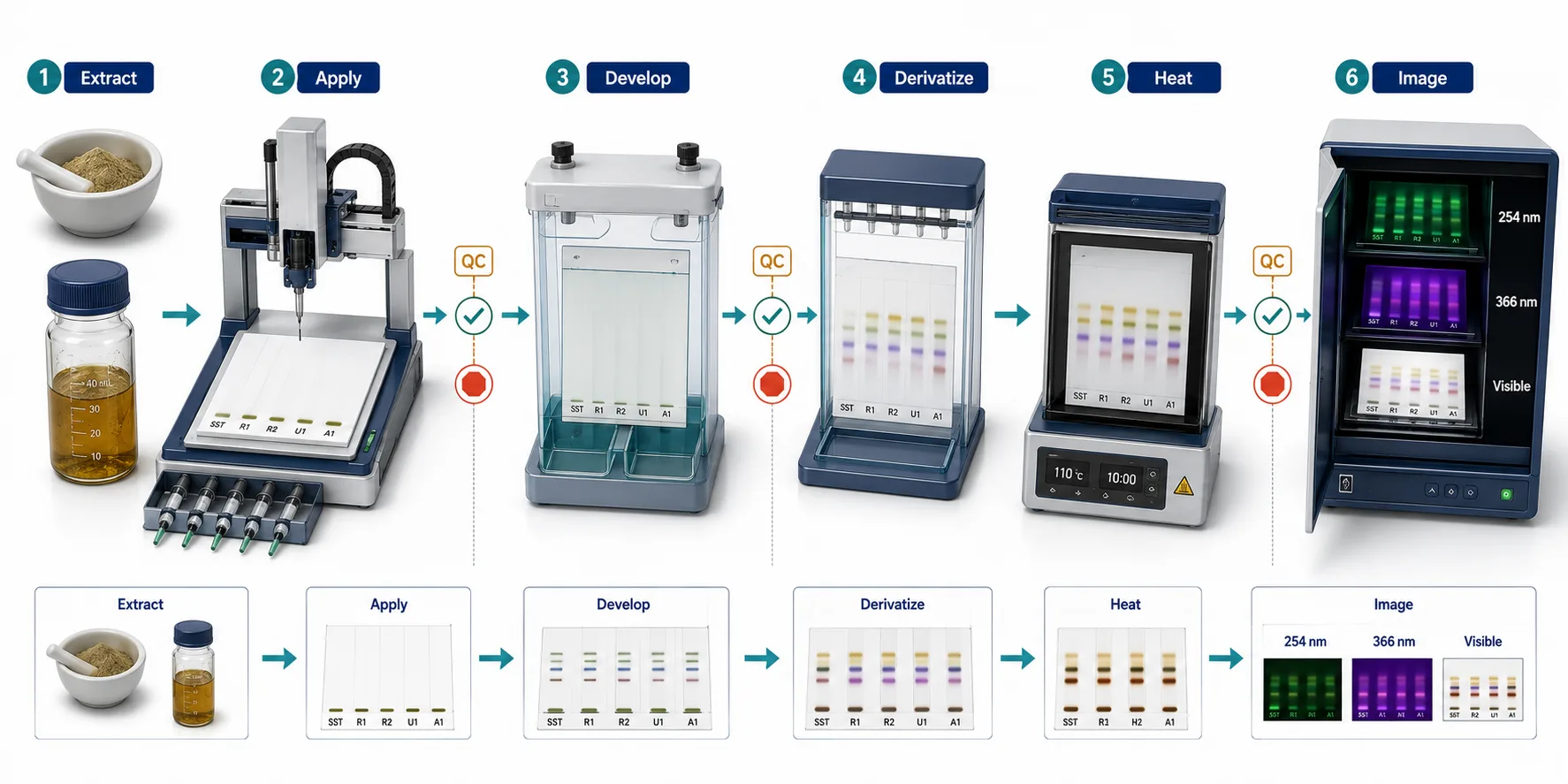 Figure 4: Standardized HPTLC Workflow: Application, Development, Derivatization, and Multi-Wavelength Detection
Set Acceptance Criteria for Visual and Digital Fingerprints
Start with a bounded visual decision
Visual assessment remains valuable because the analyst sees the full plate, including unexpected zones, band shape, color, and spatial context. A written decision rule should list the observation mode and define the critical features. For example, an identity decision may require a sequence of three diagnostic zones relative to a plate marker, allow one variable zone to range from weak to strong, and reject a sample if an adulterant-associated zone appears.
Side-by-side placement is important. The unknown, working reference, and relevant confounder should be run on the same plate whenever practical. Archived images from other plates are useful for training and trend review, but differences in development or imaging can make direct visual comparison less reliable.
Add digital profiling when the question needs it
Densitometry and image analysis can convert lane information into intensity profiles or feature matrices. This supports objective comparison, trend monitoring, and chemometric classification. However, digitization does not make weak reference design statistically valid. The image-acquisition settings, background correction, alignment, lane selection, and feature extraction must be standardized before a similarity measure is interpreted.
Do not adopt a universal cosine similarity cutoff. Establish a threshold using authentic reference lots, repeat preparations, repeat plates, known confounders, and blinded unknowns. The threshold must tolerate legitimate biological and analytical variation without admitting materials that the method is intended to exclude. For heterogeneous datasets, multivariate analysis can explore clustering or classification, but model validation should include independent or withheld samples and an option to classify an observation as unknown rather than forcing it into the nearest class.
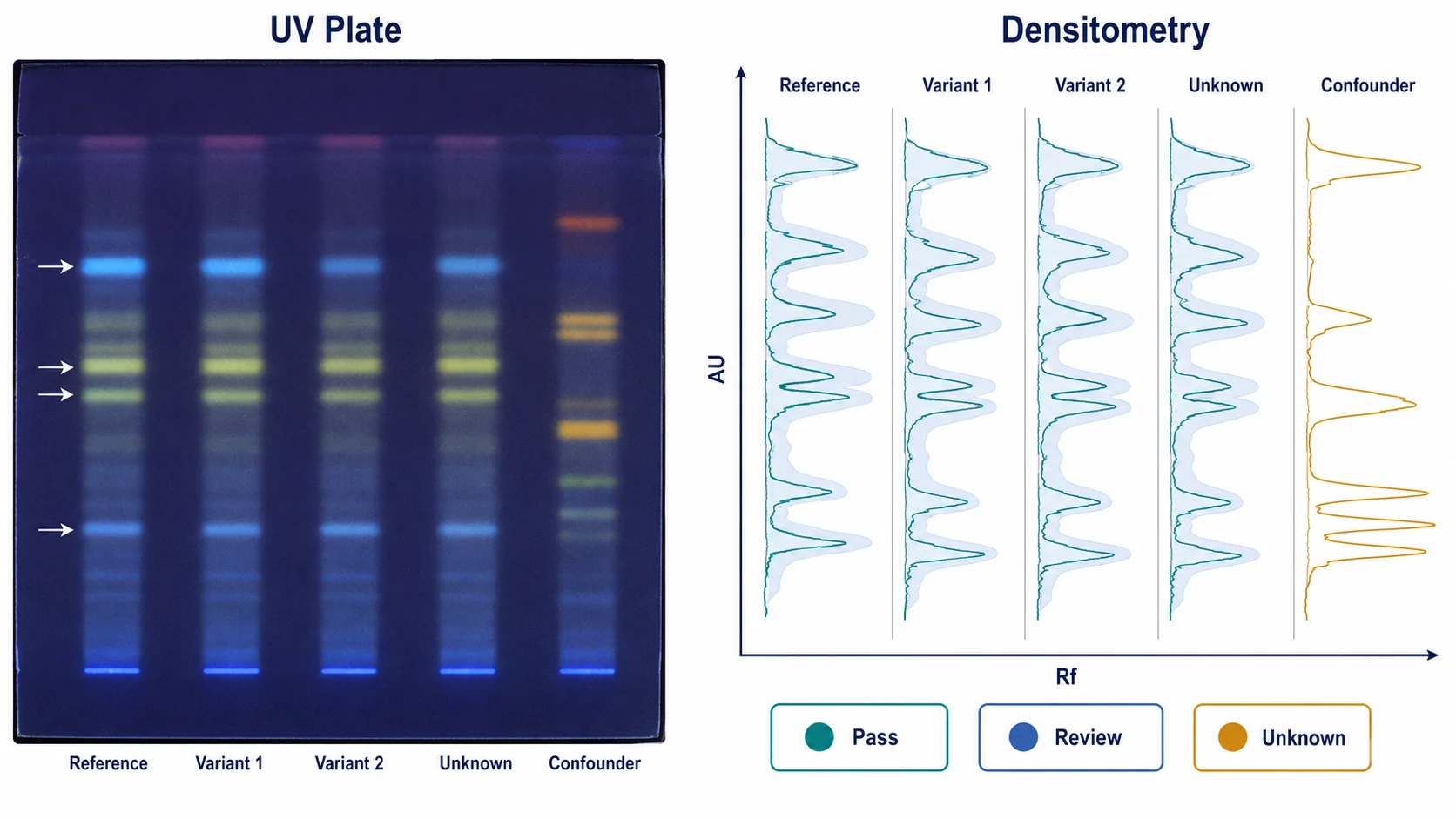 Figure 5: Visual Pattern Matching vs. Densitometric and Digital Profile Comparison
Know the Boundaries of HPTLC, HPLC, GC-MS, and DNA Barcoding
No analytical technique supplies every kind of identity evidence. HPTLC is particularly useful for parallel comparison of complex botanical fingerprints and for detecting unexpected zones. It does not prove the structure of every zone, and extraction or filtration determines which constituents reach the plate. HPLC or LC-MS offers greater separation, quantitation, and structural information for selected or profiled constituents, but it may narrow attention to predefined peaks unless the method is deliberately designed for fingerprinting.
GC-based methods are well suited to volatile and derivatizable constituents. When essential oils, aroma profiles, or volatile terpenes carry the discriminating information, gas chromatography analysis may be the better primary chemical method. DNA barcoding addresses taxonomic identity rather than chemical composition. It is powerful for suitable raw or lightly processed material, but processing can reduce or degrade recoverable DNA. Results depend on the assay, reference library, matrix, and degree of processing; DNA should not be described as universally successful or universally impossible for extracts.
| Method | Best evidence | Main standard dependency | Important limitation | Best use in a combined strategy |
|---|---|---|---|---|
| BRM-guided HPTLC | Multi-zone chemical identity and confounder screening | Authenticated botanical material, working extract, and suitability markers | Limited structural certainty for unknown zones | Primary fingerprint screen |
| HPLC or LC-MS | Resolved constituent profiles and quantitative confirmation | Chemical standards for absolute quantitation; reference profiles for fingerprinting | Method may overlook non-targeted differences | Confirm markers and investigate atypical zones |
| GC-MS | Volatile and derivatizable chemical profiles | Retention and spectral references | Not appropriate for many nonvolatile constituents | Authenticate volatile-rich botanicals |
| DNA barcoding | Taxonomic sequence identity | Vouchered sequence references | Processing, mixtures, and library gaps complicate interpretation | Confirm species when suitable DNA remains |
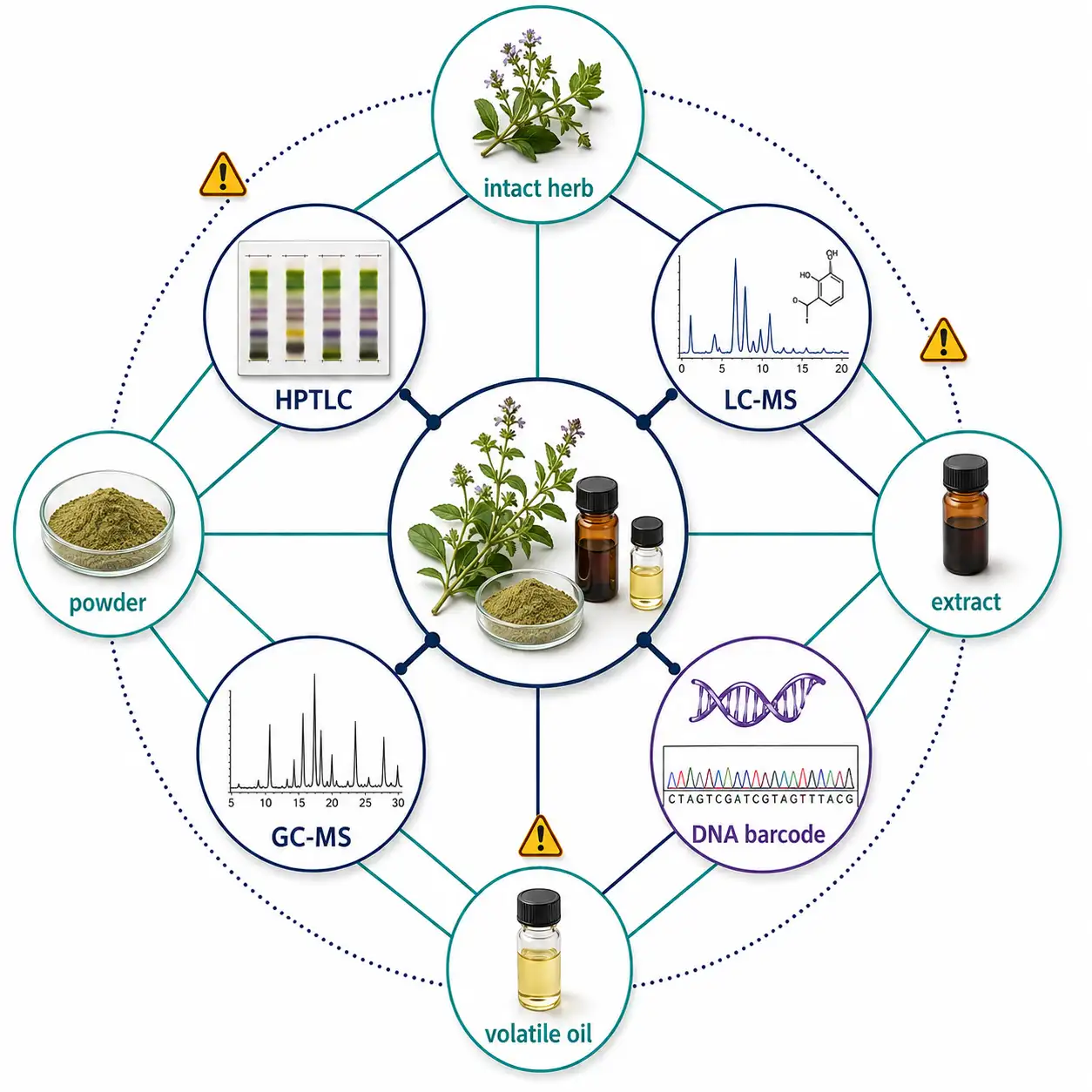 Figure 6: Methodological Comparison Matrix for Botanical Identity Testing
Choose the Minimum Defensible Evidence Package
The right design depends on the material and the decision. For an intact, single-species raw herb, taxonomy, microscopy, and DNA may provide strong identity evidence, with HPTLC confirming characteristic chemistry. For a powdered material lacking diagnostic morphology, HPTLC and DNA can be complementary. For a highly processed extract, chemical fingerprinting usually carries more weight, with LC-MS used to investigate or confirm differences. For a volatile oil, GC-MS may become the central profile.
Use the following decision sequence:
- Define the claim. Specify species, plant part, processing state, and whether the task is identity, adulterant exclusion, lot comparison, or extract consistency.
- Map the remaining evidence. Determine whether morphology, DNA, nonvolatile chemistry, or volatile chemistry is preserved in the sample.
- Build the reference set. Include authenticated target lots and realistic confounders rather than one convenient comparator.
- Select the primary screen. Use HPTLC when parallel whole-pattern comparison can answer the question efficiently.
- Assign orthogonal confirmation. Escalate atypical or high-risk samples to the method that resolves the remaining uncertainty.
A broad plant metabolomics service can help define chemical variation across accessions when the biological envelope is not known. Untargeted metabolomics is useful for discovering differentiating features without requiring a standard for every signal, while HPTLC remains useful as a transferable screening pattern once discriminating regions have been established.
Write the decision brief before validation begins
A short decision brief keeps method development tied to the business and scientific question. It should identify the material to be accepted, the confounders that must be rejected, the processing states covered by the method, and the consequence of an inconclusive result. It should also distinguish an identity failure from a technical failure. A missing diagnostic zone on a plate that passes suitability is an identity concern; the same observation on a plate with failed derivatization is not interpretable.
Predefine three outcomes rather than forcing every sample into pass or fail. A pass means the mandatory pattern is present, exclusion features are absent, and the profile lies within the validated envelope. A fail means a validated rejection condition is met. An indeterminate outcome means the plate is analytically valid but the sample presents a new pattern that the reference set does not resolve. Indeterminate samples should trigger a stated escalation route and, when justified, an investigation into whether the reference library needs expansion. This protects the method from silently redefining acceptance each time a difficult sample appears.
Connect HPTLC Fingerprints to a Broader Natural-Product Strategy
HPTLC should not be isolated from the rest of the analytical program. Its strongest role is often as the front-end identity screen that directs deeper work. Recurrent atypical zones may trigger LC-HRMS characterization. Consistent differences among geographic accessions may motivate a metabolomics study. A volatile-rich botanical may require a paired GC profile. A multi-ingredient formula may need ingredient-specific references and deliberately selected exclusion controls.
The same principle applies across natural-product and biomass research: define what the reference represents, preserve traceability to source material, and avoid reducing a complex matrix to one easy number. For a different complex-matrix example, the planned resource on evaluating lignin from black liquor for valorization follows the same evidence-first logic. Existing HPTLC applications, such as HPTLC detection of small-molecule actives in tablets, illustrate why the reference design must be adapted when the matrix shifts from a botanical fingerprint to defined pharmaceutical compounds.
A Four-Phase SOP for Defensible Botanical Fingerprinting
Phase A: Define and authenticate
Write the identity claim, document the plant part and processing state, authenticate the source material, retain a voucher or comparable reference, and list realistic confounders. Decide which evidence is expected to survive processing.
Phase B: Develop the reference and separation system
Prepare qualified reference extracts from multiple target lots where possible. Optimize extraction, mobile phase, loading, development, derivatization, and observation modes. Select suitability substances according to their analytical function. Identify mandatory, variable, and exclusion zones.
Phase C: Validate the decision rules
Challenge the method with repeat preparations, plates, analysts or days as appropriate, authentic biological variation, known confounders, and blinded samples. Establish visual and digital acceptance limits from observed performance rather than borrowing universal numbers.
Phase D: Operate, trend, and escalate
Run the working reference and plate controls with samples. Record deviations, monitor reference-extract stability, trend borderline patterns, and route unresolved samples to HPLC, LC-MS, GC-MS, microscopy, or DNA testing according to the source of uncertainty.
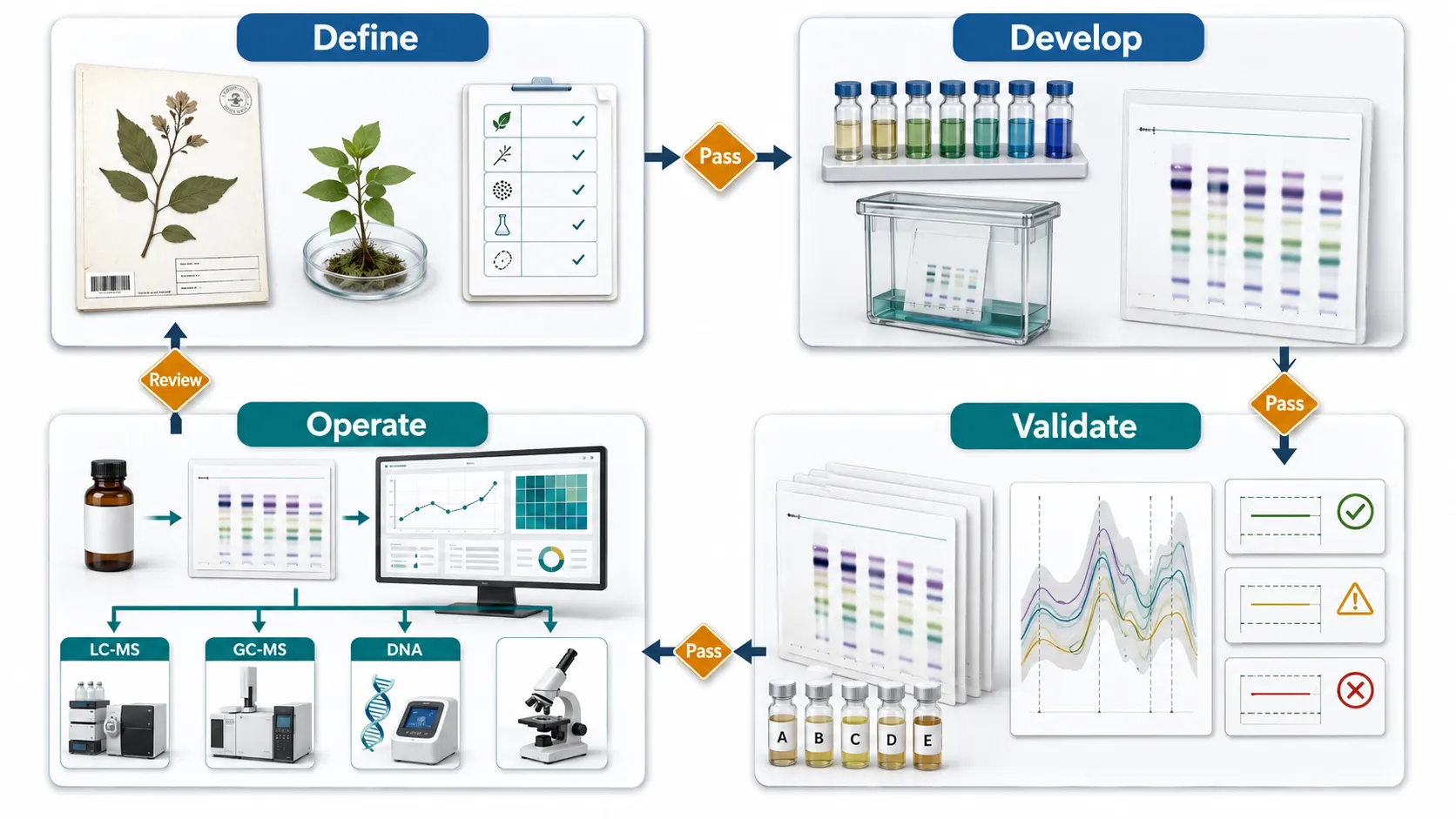 Figure 7: Four-Phase SOP for Defensible Botanical Identity Fingerprinting
Frequently Asked Questions
Can HPTLC identify a botanical without any pure chemical standard?
Yes, if the method uses authenticated botanical reference material or a qualified reference extract and validated diagnostic fingerprint features. Pure compounds can still support system suitability without serving as the sole identity evidence.
How many botanical reference lots are needed?
There is no universal number. Use enough authenticated lots to represent the relevant biological and processing variability, then demonstrate that the acceptance rules retain target materials while excluding realistic confounders.
Can a similarity score replace visual review?
No. A score is useful only with standardized image processing and a validated reference population. Analysts should also review unexpected zones, artifacts, and suitability failures that a single score may conceal.
How can edge or curved-front effects be controlled?
Control chamber conditioning, plate handling, application position, mobile-phase volume, and development environment. The method should define when edge tracks are unsuitable and require repeat analysis.
What if a derivatized plate fades quickly?
Validate the interval between derivatization, heating, and imaging, then capture images within that window. If color continues to change, use a tighter timing rule or an alternative reagent that provides adequate selectivity and stability.
When should an atypical HPTLC result be escalated?
Escalate when suitability passes but the sample lacks a mandatory zone, contains an exclusion feature, or falls outside the validated variation envelope. Choose the orthogonal method according to whether the uncertainty is taxonomic, volatile, quantitative, or structural.
References:
- Frommenwiler DA et al. Investigation of market herbal products regulated under different categories: How can HPTLC help to detect quality problems?
- Mück F et al. Three-tiered authentication of herbal traditional Chinese medicine ingredients used in women's health provides progressive qualitative and quantitative insight.
- Noviana E et al. Advances in Fingerprint Analysis for Standardization and Quality Control of Herbal Medicines.
- Abraham EJ and Kellogg JJ. Chemometric-Guided Approaches for Profiling and Authenticating Botanical Materials.
- Kołtun-Jasion M et al. Comprehensive profiling of Rhodiola rosea roots and corresponding products: phytochemical insights and modulation of neuroinflammation in BV2 microglial cell model.