Spatial Untargeted Lipidomics Service
Advanced MSI-Based Lipid Mapping for Unbiased Discovery
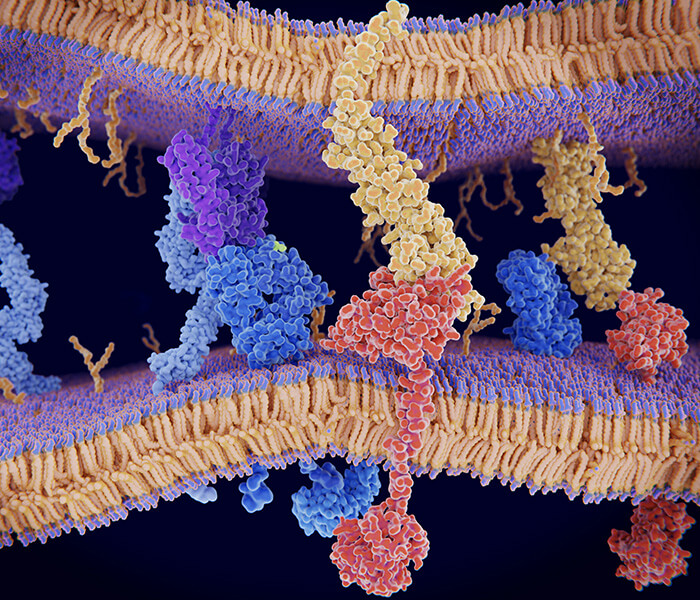
Spatial Untargeted Lipidomics is an advanced mass spectrometry imaging–based service designed to map the spatial distribution of lipids directly within tissue sections without predefined targets. By preserving tissue morphology and microenvironmental context, this approach enables unbiased discovery of lipid alterations and spatial heterogeneity associated with disease progression, therapeutic intervention, or biological states.
Submit Your Request Now
×
- What is
- Workflow
- Data Analysis
- Applications
- Why Choose
- FAQs
- Sample preparation
- Case Study
What Is Spatial Untargeted Lipidomics?
Spatial Untargeted Lipidomics combines non-targeted lipidomics with in situ mass spectrometry imaging (MSI) to profile a wide range of lipid species while preserving their natural spatial distribution within tissues. Unlike traditional bulk lipidomics, which averages signals across homogenized samples, this approach captures region-specific lipid signatures at the organ, tissue, or cellular microdomain level. With no prior assumptions about which lipids to detect, it is ideal for exploring new mechanisms, discovering biomarkers, and understanding complex lipid metabolism.
Lipids are one of the most diverse and essential biomolecules in biology, including phospholipids, sphingolipids, glycerolipids, sterols, and more. They are key players in cell membrane integrity, energy storage, signaling pathways, and intercellular communication, influencing nearly every aspect of cellular function. By mapping lipids in their native tissue context, spatial untargeted lipidomics provides unique insights into disease mechanisms, drug responses, and metabolic regulation, making it a powerful tool for modern biomedical research.
Workflow

Instrument Platforms
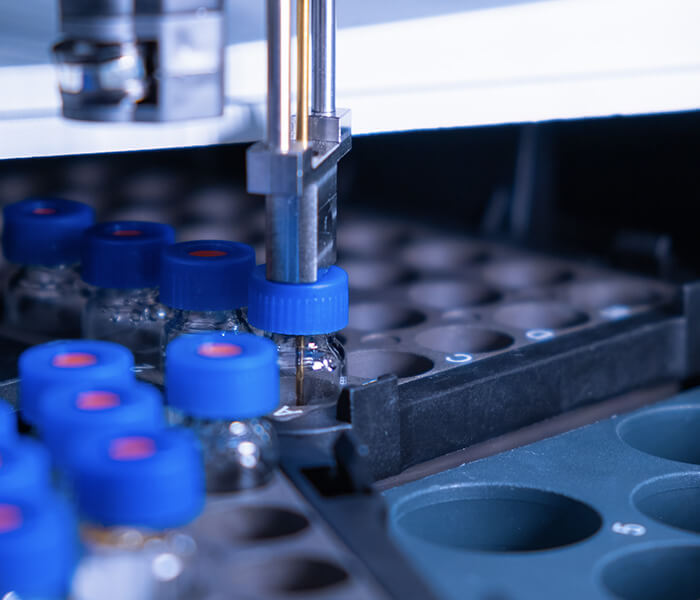
Creative Proteomics integrates advanced MALDI-MSI platforms with a standardized spatial lipidomics workflow to deliver reliable, high-resolution, and discovery-driven lipid profiling directly within tissue sections.
| Instrument Platform | Key Technical Strengths | Typical Application Scenarios |
|---|---|---|
| Bruker timsTOF fleX with MALDI-2 | High sensitivity, TIMS-based ion mobility separation, enhanced detection of low-abundance and isomeric lipids | Deep discovery-driven spatial lipidomics, tumor microenvironment studies, lipid heterogeneity and rare lipid species exploration |
| Bruker rapifleX MALDI-TOF/TOF | High-throughput imaging, stable performance, cellular-scale spatial resolution | Comparative studies across multiple tissues or cohorts, disease vs. control analysis, large-scale screening projects |
| Orbitrap-based MALDI platform (e.g., Thermo Exploris series) | High mass resolution and accuracy, MS/MS-based structural confirmation | Studies requiring high-confidence lipid identification, annotation validation, and integration with orthogonal omics datasets |
Data Analysis & Bioinformatics
Our end-to-end bioinformatics workflow converts raw spatial lipidomics data into publication-ready insights:
- Spatial Feature Processing: Automated quality control, spectral alignment, and normalization to ensure data integrity across tissue regions.
- Confident Lipid Annotation: Multi-tier validation against curated lipid databases with adduct/isomer resolution support.
- Spatial Analytics: Region-specific quantification, multivariate statistics (PCA, clustering), spatial co-localization, and heterogeneity mapping.
- Biological Context Integration: Pathway enrichment, spatial correlation with histopathology (H&E overlay), and customizable visualization (heatmaps, 3D renderings).
All deliverables include interactive reports and structured datasets. Analysis strategies are collaboratively refined with your team to align precisely with research objectives—no black-box pipelines.
Applications
- Disease VS normal tissue comparison
- Tumor heterogeneity and microenvironment studies
- Neurodegenerative and metabolic disease research
- Drug- or therapy-induced lipid remodeling
- Discovery of spatially restricted lipid biomarkers
Why Choose Us
- Unbiased, hypothesis-free discovery
Comprehensive non-targeted lipid profiling without predefined targets, ideal for biomarker discovery and mechanism exploration.
- True spatial resolution
In situ analysis preserves native tissue architecture and reveals region-specific lipid heterogeneity.
- Advanced MSI technology
State-of-the-art MALDI-MSI platforms optimized for sensitive, broad-coverage lipid detection.
- Broad lipid class coverage
Simultaneous detection of phospholipids, sphingolipids, glycerolipids, and sterol lipids.
- Robust spatial data analysis
ROI-based comparisons, multivariate statistics, and high-quality spatial visualization.
- Seamless multi-omics integration
Fully compatible with histopathology and other spatial omics workflows for integrative insights.
FAQs
Is this a quantitative service?
Spatial Untargeted Lipidomics is primarily relative and semi-quantitative, suitable for identifying spatial trends and differential lipid distributions.
Can this be combined with histology or other spatial omics?
Absolutely. The service is highly compatible with H&E, IHC, IF, as well as spatial transcriptomics and proteomics for integrative analysis.
What spatial resolution can be achieved?
Spatial resolution typically ranges from 5–100 μm, depending on tissue type and experimental design.
What is the typical turnaround time?
Our standard turnaround time is 3-4 weeks from the date we receive your samples. Project timelines are customized to your study's scope and complexity. Please contact our technical team for a precise, personalized estimate.
Learn about other Q&A.
Sample Submission Notes
- Sample type: We strongly recommend fresh frozen tissue samples, as they preserve native lipid profiles and spatial architecture with minimal degradation or artifacts.
- Recommended section thickness: 5–12 μm
- Storage and shipping: Dry ice shipment required
- Avoid: Formalin fixation, paraffin embedding, repeated freeze–thaw cycles
Contact our technical team before preparing or shipping samples. We provide study-specific protocols tailored to your tissue type, research goals, and platform requirements, ensuring your samples are optimized for high-quality spatial lipidomics.
Spatial Untargeted Lipidomics Case Study

Title: MALDI Mass Spectrometry Imaging Highlights Specific Metabolome and Lipidome Profiles in Salivary Gland Tumor Tissues
Journal: Metabolites
Published: 2022
- Background
- Methods
- Results
- Conclusion
- References
Salivary gland tumors present significant diagnostic challenges due to their histological heterogeneity and rarity (<5% of head and neck neoplasms). Current diagnostic approaches, particularly fine-needle aspiration biopsy, often lack specificity for accurate tumor classification. While cancer metabolism research has revealed characteristic metabolic reprogramming in tumors, conventional analytical techniques fail to preserve spatial molecular distribution information critical for understanding tumor heterogeneity. Mass spectrometry imaging (MSI) bridges this gap by enabling label-free, spatially resolved molecular mapping directly from tissue sections, offering a promising approach for improving salivary gland tumor diagnosis and characterization.
Spatial untargeted lipidomics was performed using MALDI imaging mass spectrometry. Tissue sections underwent standardized matrix application and dual-polarity (positive/negative mode) high-resolution imaging. Detected lipid features were annotated against LIPIDMAPS and HMDB databases, with spatial distribution maps and regional quantification delivered for all confidently identified lipids.
Figure 3 showed the molecular distribution of lipid species between tumor and healthy regions in parotid gland tissue sections from the patients. The color scale bar represents the percentage of maximum intensity and is adjusted for each ion image to show clear distribution. The data were normalized to the total ion count (TIC) of each individual spectrum. The results showed that glycerophospholipids (such as phosphatidylcholines (PCs) and phosphatidylethanolamines (PEs)) are significantly increased in tumor tissue of salivary gland cancer patients; sphingomyelins (SMs) and triglycerides (TGs) are significantly decreased in the tumor region; and lysophosphatidylcholine (LPC) 16:0 levels are reduced in the tumor, consistent with the metabolic characteristics of various cancers.
 Figure 3. Molecular distribution of lipid species between the tumor and healthy regions of patient-derived parotid sections.
This research concludes that MALDI mass spectrometry imaging provides a powerful, label-free approach for characterizing the spatial metabolic landscape of salivary gland tumors, revealing distinctive lipidomic reprogramming with elevated glycerophospholipids and depleted sphingolipids in malignant regions. The technique's ability to maintain spatial context while identifying molecular signatures offers significant diagnostic potential, achieving 95% accuracy in tumor classification without requiring tissue homogenization. While validation in larger cohorts is necessary, this methodology represents a promising complement to conventional histopathology that could enhance diagnostic precision for challenging salivary gland lesions and potentially inform targeted therapeutic strategies based on tumor-specific metabolic vulnerabilities.
References
- Sommella, Eduardo et al. "MALDI Mass Spectrometry Imaging Highlights Specific Metabolome and Lipidome Profiles in Salivary Gland Tumor Tissues." Metabolites vol. 12,6 530. 8 Jun. 2022, doi:10.3390/metabo12060530
- Sládková, Katerina et al. "Laser desorption ionization of red phosphorus clusters and their use for mass calibration in time-of-flight mass spectrometry." Rapid communications in mass spectrometry : RCM vol. 23,19 (2009): 3114-8. doi:10.1002/rcm.4230
- Denti, Vanna et al. "Reproducible Lipid Alterations in Patient-Derived Breast Cancer Xenograft FFPE Tissue Identified with MALDI MSI for Pre-Clinical and Clinical Application." Metabolites vol. 11,9 577. 26 Aug. 2021, doi:10.3390/metabo11090577
- Ogretmen, Besim. "Sphingolipid metabolism in cancer signalling and therapy." Nature reviews. Cancer vol. 18,1 (2018): 33-50. doi:10.1038/nrc.2017.96