Itaconation Analysis – LC-MS/MS Mapping of Protein Itaconation Sites
Protein itaconation is a metabolite-driven post-translational modification formed by covalent attachment of itaconate to reactive cysteine residues, linking immune metabolism to redox regulation and signal transduction. Creative Proteomics provides integrated metabolic labeling–based enrichment and high-resolution LC-MS/MS for sensitive, site-specific identification and quantitative profiling of protein itaconation.
- Comprehensive detection: Sensitive identification and quantitative profiling of itaconated proteins and site-specific cysteine modifications.
- Advanced technology: Metabolic labeling combined with high-resolution LC-MS/MS to ensure accuracy, specificity, and proteome-wide coverage.
- Functional insights: Integrated bioinformatics analysis for motif discovery, pathway enrichment, and protein interaction network interpretation.
- Research impact: Elucidate regulatory roles of protein itaconation in immune and metabolic signaling, providing mechanistic insights and potential therapeutic targets in inflammatory and cardiovascular diseases.
Submit Your Request Now
×
- Define
- What We Provide
- Technology Platform
- Workflow
- Advantages
- Applications
- Demo
- FAQs
- Case
- Publications
- Sample Requirement
What Is Itaconation?
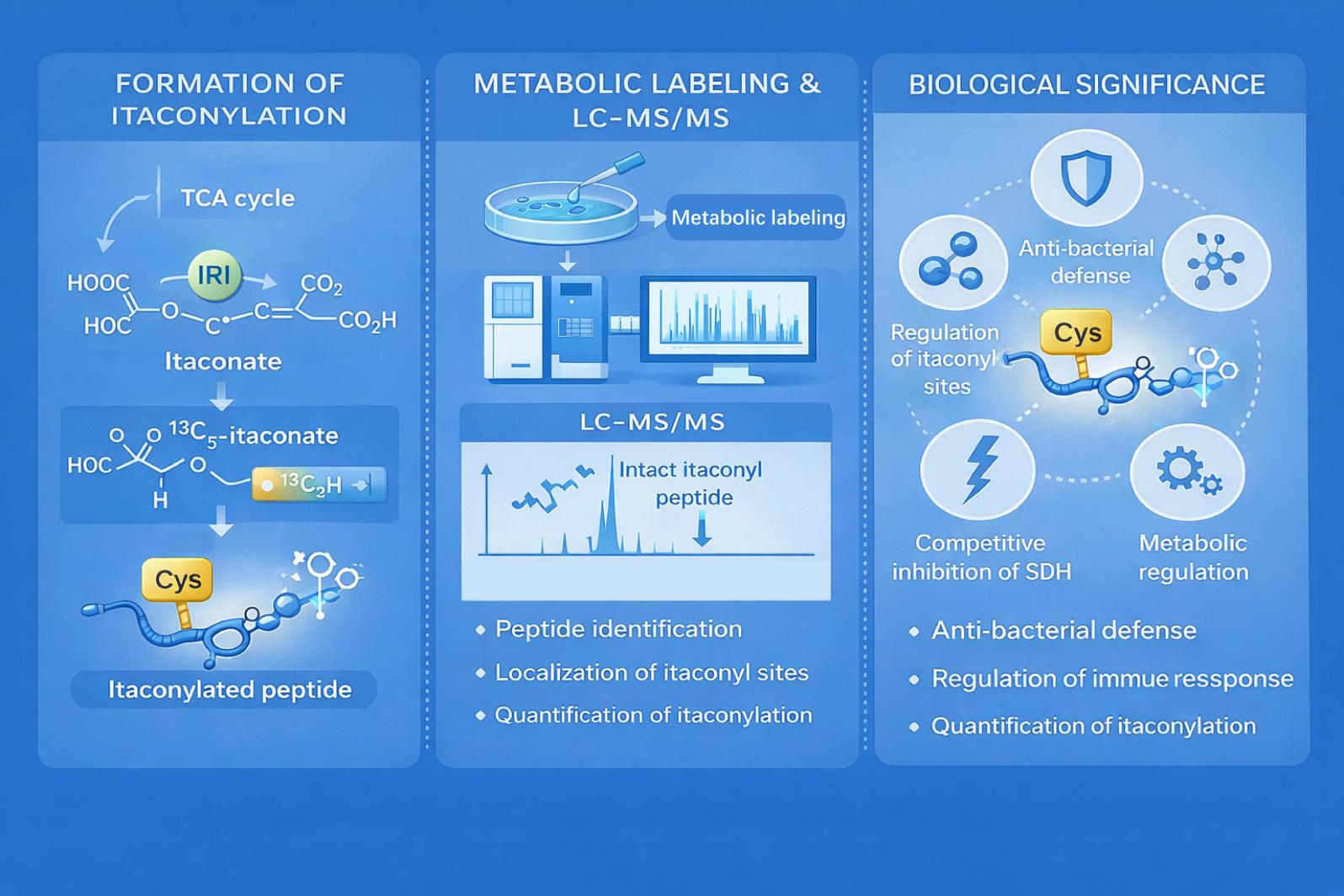
Itaconation is a recently identified metabolite-driven post-translational modification in which the immunometabolite itaconate covalently modifies proteins, predominantly at cysteine residues. This modification arises from the accumulation of itaconate produced by IRG1 (also known as ACOD1) during inflammatory activation of immune cells, especially macrophages. Owing to its α,β-unsaturated carboxylic acid structure, itaconate acts as an electrophile and reacts with nucleophilic cysteine thiols via Michael addition, leading to stable cysteine itaconation. Functionally, itaconation alters protein activity, redox sensitivity, and protein–protein interactions, thereby reshaping cellular metabolic and inflammatory signaling. Proteins involved in glycolysis, oxidative stress responses, and innate immune pathways have been identified as key targets. Through modulation of enzymes and signaling regulators such as KEAP1 and inflammatory mediators, itaconation serves as an important molecular link between metabolic reprogramming and anti-inflammatory immune regulation[1].
Itaconation Service at Creative Proteomics
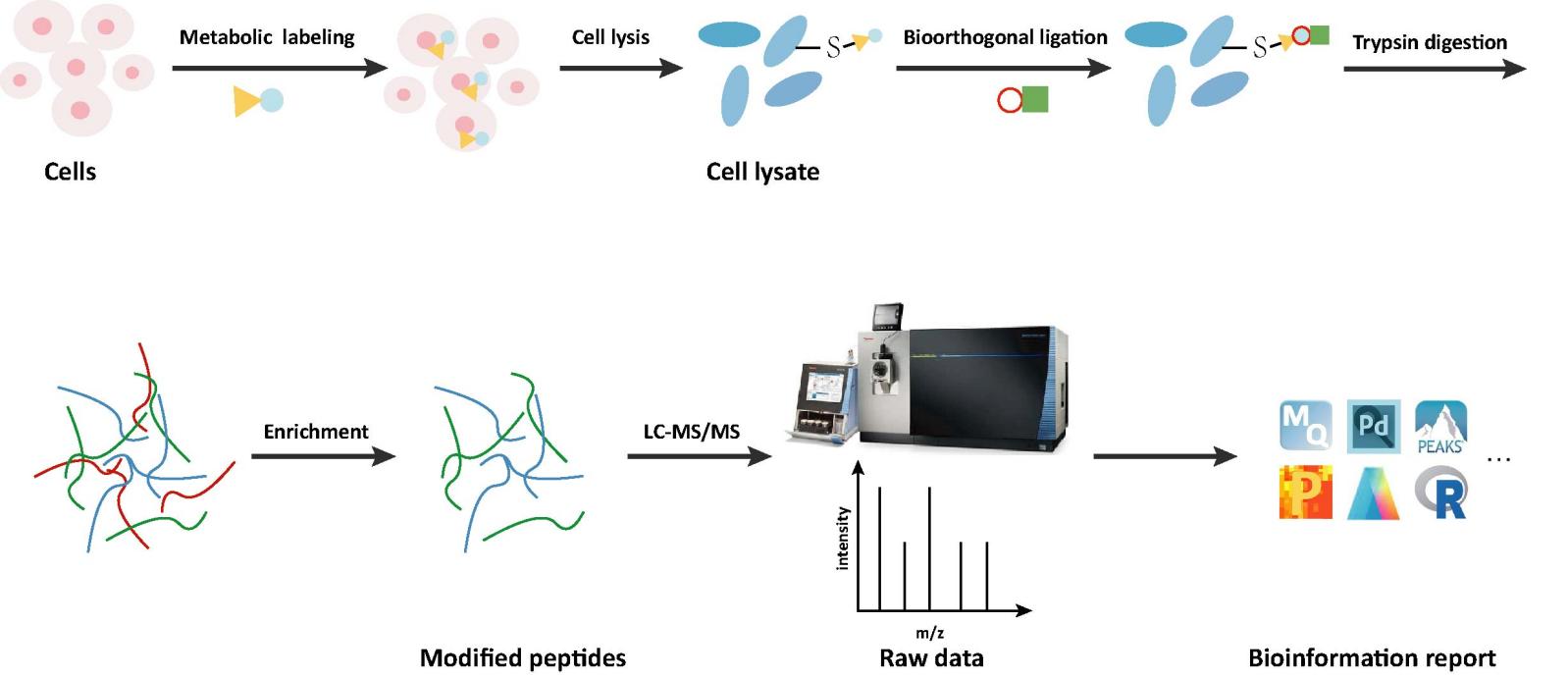
Itaconation is an emerging metabolite-driven post-translational modification that plays a critical role in immunometabolic regulation and inflammatory signaling. However, due to its low abundance, cysteine reactivity, and dynamic nature, itaconation is difficult to detect using conventional proteomic workflows, making specialized identification strategies essential. We provide a dedicated itaconation identification service designed to enable sensitive and reliable profiling of this modification. Our service is based on metabolic labeling strategies combined with high-resolution LC–MS/MS analysis, allowing selective incorporation and detection of itaconate-derived modifications on target proteins. By integrating optimized sample preparation, enrichment-compatible workflows, and advanced mass spectrometry, we support identification of itaconylated proteins and confident site-level characterization. This service facilitates systematic investigation of itaconation dynamics, target proteins, and functional relevance in immune and metabolic studies.
Itaconation Research Platforms
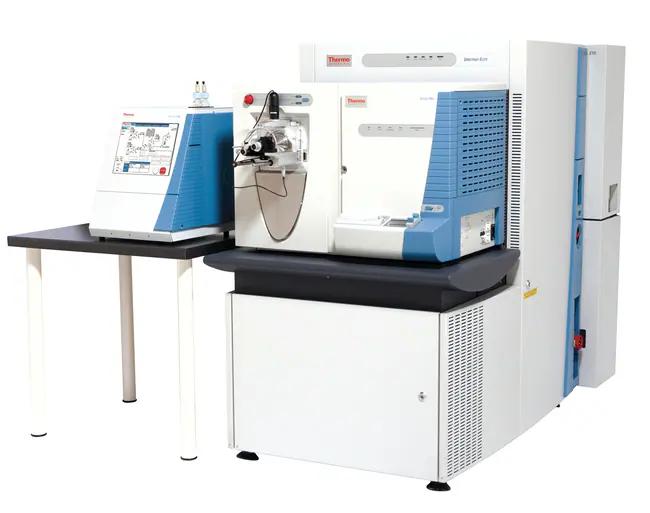
Thermo Fisher Easy-nLC 1000 and Thermo Fisher LTQ Obitrap ETD
(Figure from Thermo Scientific)
Workflow of Itaconation Analysis
Advantages Our Itaconation Service
- Comprehensive and Accurate Detection: We provide sensitive and high-precision identification of protein itaconation sites, ensuring reliable results for downstream analysis.
- Advanced identification technology: Adopting advanced metabolic labeling and LC-MS/MS, we achieve in-depth profiling of protein itaconation modifications.
- Customizable Experimental Design: We can provide customized experimental procedures for different experiments, which are flexible and applicable.
- Reliable and Reproducible Results: Rigorous quality control ensures consistency across experiments, supporting confident scientific conclusions.
- Functional Insight and Pathway Analysis: We offer comprehensive bioinformatics analysis to link itaconation events with cellular pathways and protein functions.
Applications of Itaconation


Anti-inflammatory and Immunomodulatory
Itaconate as a key immunometabolite with potent anti-inflammatory properties, capable of suppressing pro-inflammatory cytokine production and alleviating chronic inflammatory responses through metabolic reprogramming[1].
Regulation of Immune Signaling
Itaconate exerts its biological effects partly through covalent modification of cysteine residues on target proteins (protein itaconation), such as KEAP1, leading to activation of the Nrf2 antioxidant and anti-inflammatory signaling pathway and modulation of cellular stress responses[1][2][3].
Control of Immune Cell Function
Itaconate regulates the activation and functional state of immune cells, particularly macrophages, by integrating metabolic control with redox and inflammatory signaling, thereby shaping overall immune responses[1].
Autoimmune and Inflammatory Diseases
Due to its combined anti-inflammatory, antioxidant, and immune-regulatory effects, itaconate and its derivatives are proposed as promising therapeutic candidates for autoimmune diseases such as rheumatoid arthritis and systemic lupus erythematosus[1][4].
Demo Result of Itaconation Service
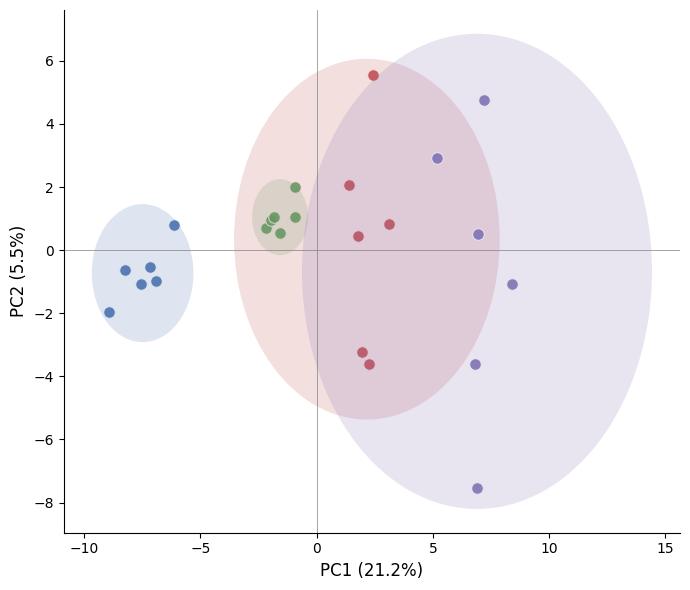
PCA plot
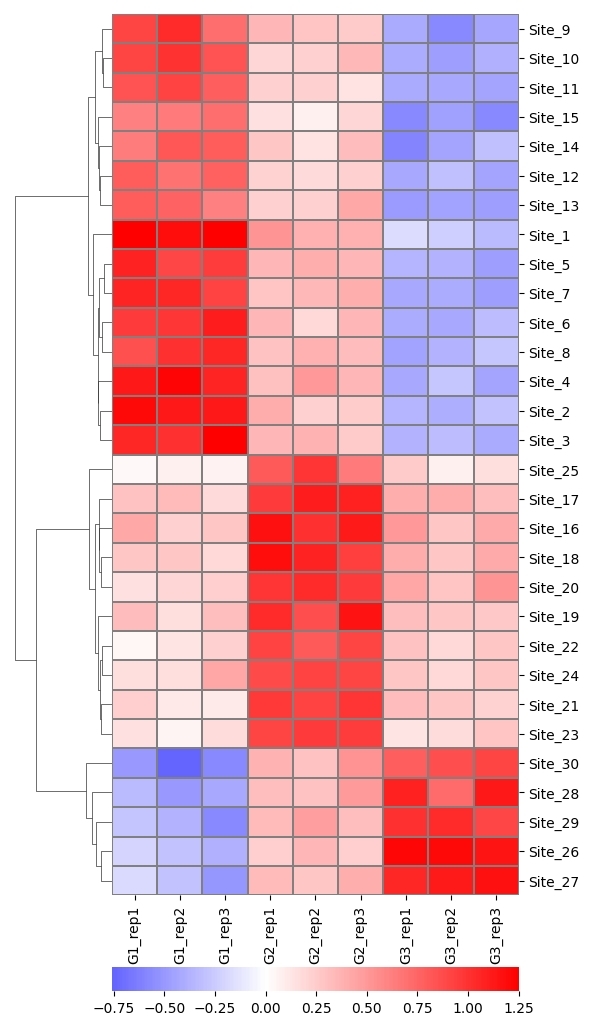
Heat map
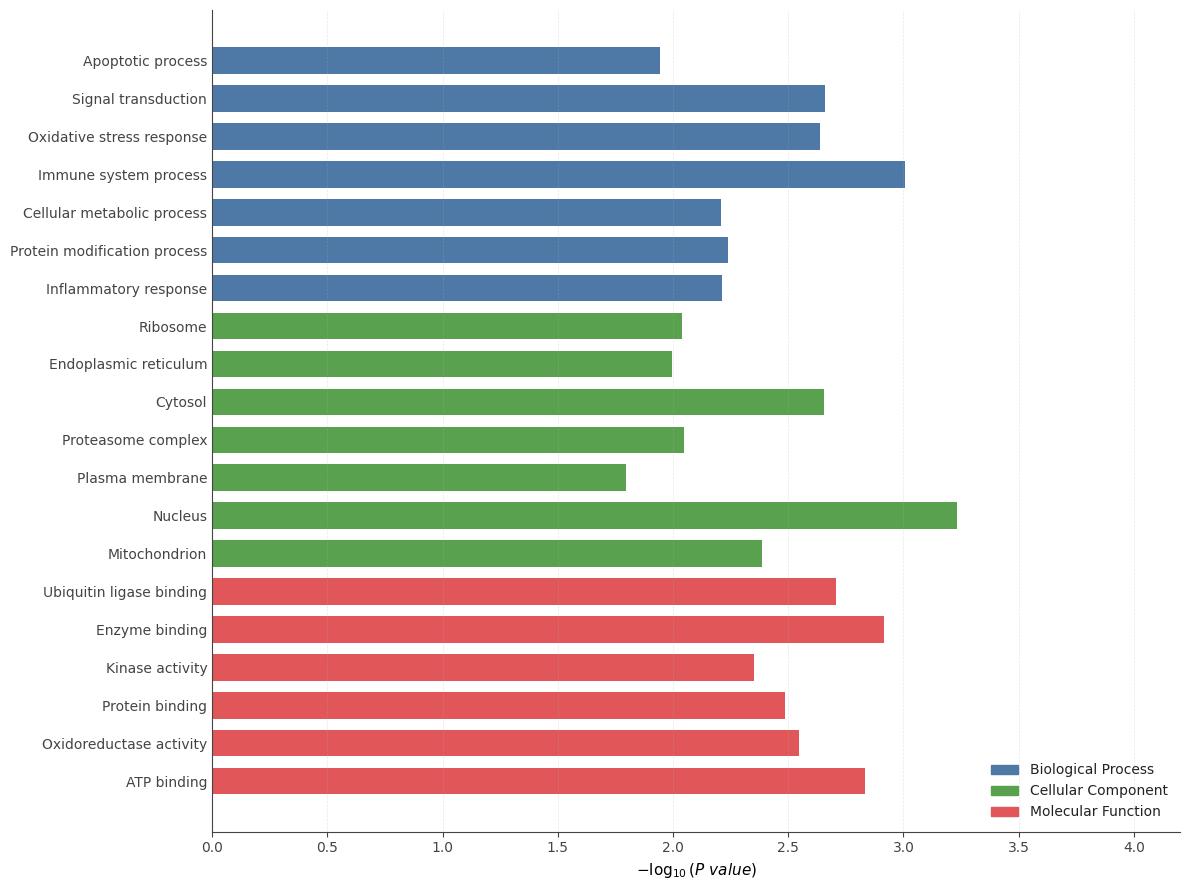
GO analysis
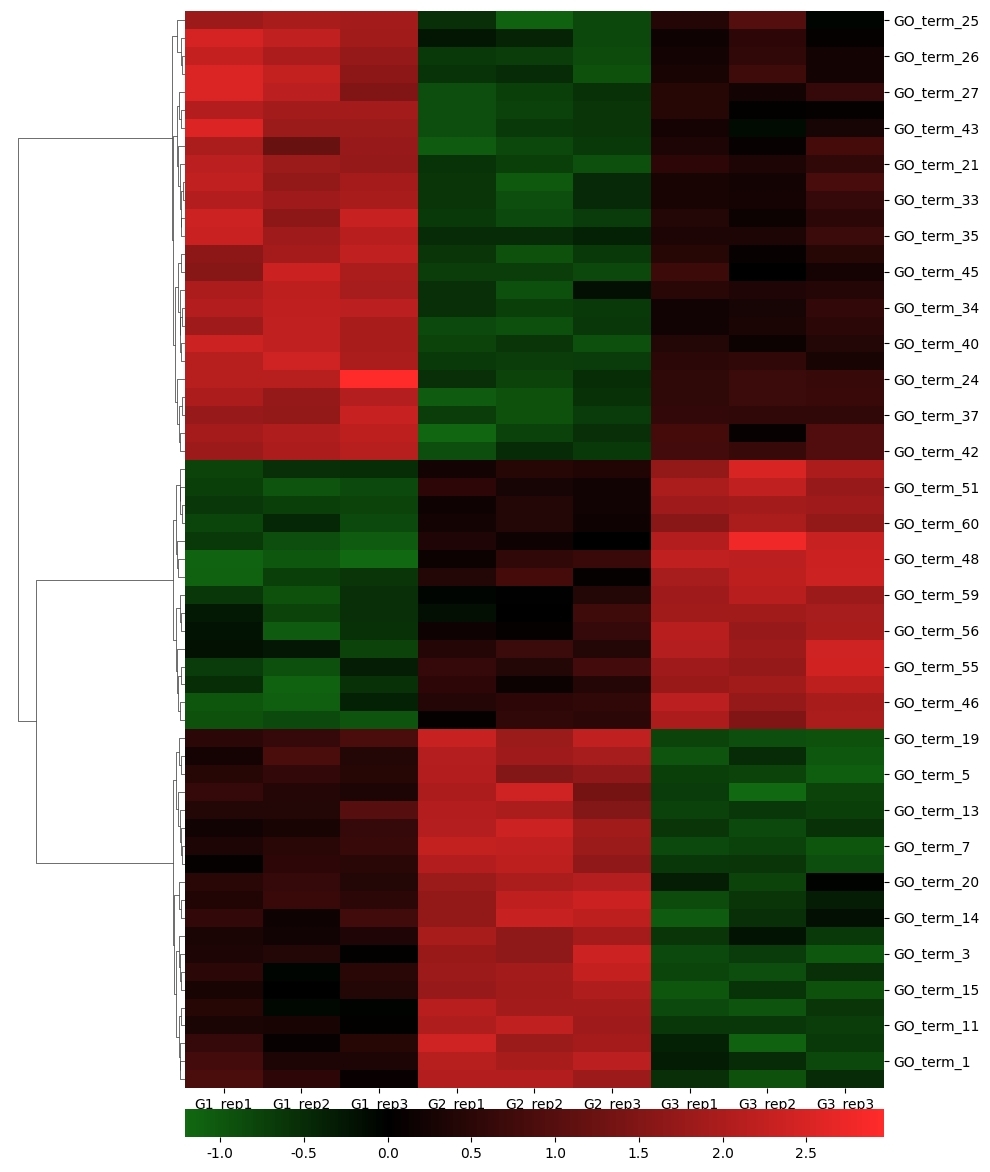
Heatmap
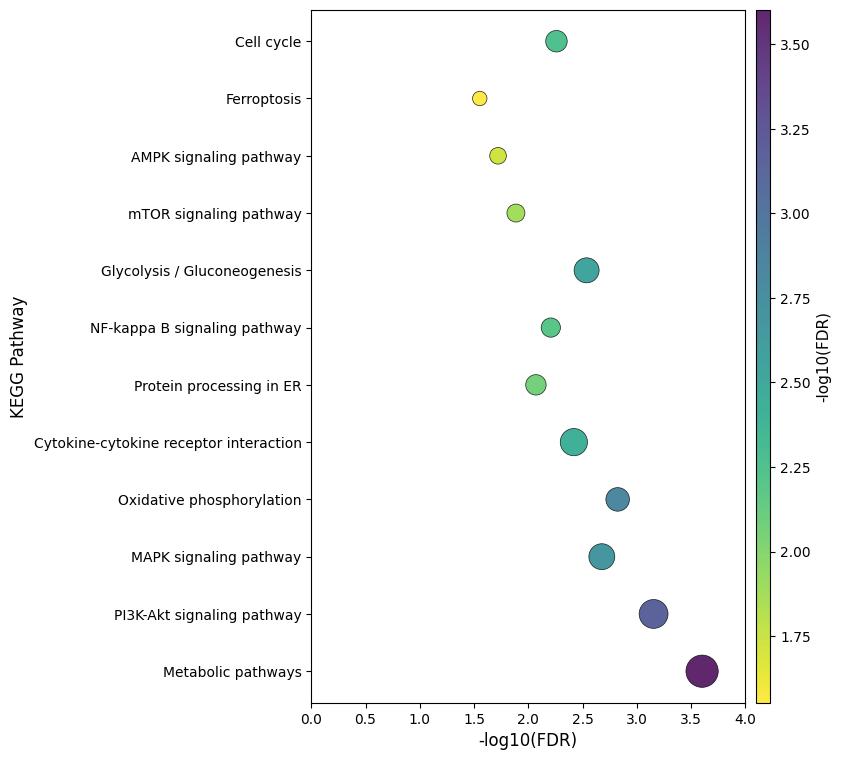
KEGG analysis
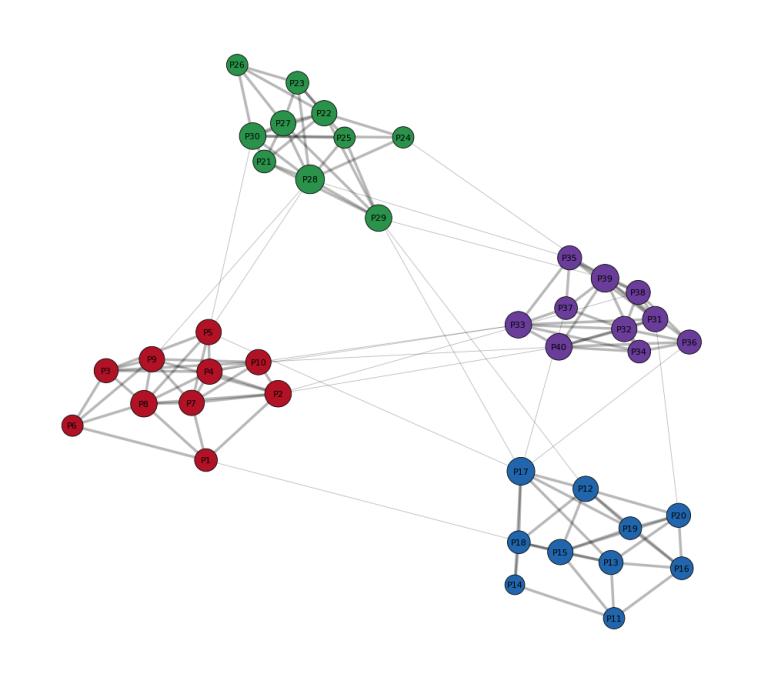
PPI
FAQs of itaconation Service
Which sample types are accepted by the service?
We only accept samples of cell. We recommend that customers provide fresh or frozen samples, which should avoid repeated freezing and thawing, and we will be responsible for subsequent protein extraction and pretreatment.
Whether the sample needs pretreatment?
If you need this service, please contact us before cell culture. We will provide the probes for co-incubation with cells and the labeling methods.
What information is included in the final report?
The final report includes identified itaconated proteins and sites, quantitative results, quality control metrics, and bioinformatics analyses such as functional annotation and pathway enrichment.
Learn about other Q&A.
Case Study

Publications
Here are some publications in Proteomics research from our clients:

- Microglia-mediated synaptic pruning in the nucleus accumbens during adolescence: A preliminary study of the proteomic consequences and putative female-specific pruning target. 2023. https://doi.org/10.1101/2023.05.03.539317
- Extracellular vesicles from the human natural killer cell line NK3. 2021. https://doi.org/10.3389/fcell.2021.698639
- Pair bonding and disruption impact lung transcriptome in monogamous Peromyscus californicus. 2023. https://doi.org/10.1186/s12864-023-09873-6
- Inactivation of myeloperoxidase by benzoic acid hydrazide. 2015. https://doi.org/10.1016/j.abb.2015.01.028
- Control of ribosomal protein synthesis by the Microprocessor complex. 2021. https://doi.org/10.1126/scisignal.abd2639
Itaconation Service Sample Requirements
| Sample | Sample Quantity | |
|---|---|---|
| Cell | suspension cell | > 3x10⁸ |
| adherent cell | > 3x10⁸ | |
References
- Xie, Y., Cheng, Q., Xu, M. L., Xue, J., Wu, H., & Du, Y. (2025). Itaconate: A Potential Therapeutic Strategy for Autoimmune Disease. Scandinavian journal of immunology, 101(5), e70026. https://doi.org/10.1111/sji.70026
- Zeng, L., Wang, Y., Huang, Y., Yang, W., Zhou, P., Wan, Y., Tao, K., & Li, R. (2025). IRG1/itaconate enhances efferocytosis by activating Nrf2-TIM4 signaling pathway to alleviate con A induced autoimmune liver injury. Cell communication and signaling : CCS, 23(1), 63. https://doi.org/10.1186/s12964-025-02075-5
- Song, J., Zhang, Y., Frieler, R. A., Andren, A., Wood, S., Tyrrell, D. J., Sajjakulnukit, P., Deng, J. C., Lyssiotis, C. A., Mortensen, R. M., Salmon, M., & Goldstein, D. R. (2023). Itaconate suppresses atherosclerosis by activating a Nrf2-dependent antiinflammatory response in macrophages in mice. The Journal of clinical investigation, 134(3), e173034. https://doi.org/10.1172/JCI173034
- Aso, K., Kono, M., Kanda, M., Kudo, Y., Sakiyama, K., Hisada, R., Karino, K., Ueda, Y., Nakazawa, D., Fujieda, Y., Kato, M., Amengual, O., & Atsumi, T. (2023). Itaconate ameliorates autoimmunity by modulating T cell imbalance via metabolic and epigenetic reprogramming. Nature communications, 14(1), 984. https://doi.org/10.1038/s41467-023-36594-x