Immunometabolism MS Profiling Service

Quantitative LC-MS/MS Analysis of Immune Cell Metabolic Reprogramming for Drug Discovery

MassTarget™ Immunometabolism MS Profiling provides absolute quantification of 50+ immune-relevant metabolites from low-input immune cell samples, enabling functional characterization of T cell, macrophage, and NK cell metabolic phenotypes in immuno-oncology, autoimmune disease, and cell therapy development.

Immune cells undergo profound metabolic reprogramming upon activation, differentiation, or exhaustion. These metabolic signatures directly influence therapeutic outcomes — yet most metabolomics platforms are not designed for the unique challenges of immune cell analysis: limited cell numbers, labile signaling metabolites, and the need for immune-specific target panels.

Key Advantages:

  • Validated for <500,000 FACS-sorted cells — unlock precious immune subsets (TILs, Tregs, tissue-resident macrophages).
  • Immune-centric panel covering 50+ targets across glycolysis, TCA cycle, amino acid metabolism, lipid mediators, and immune signaling metabolites (itaconate, kynurenine, adenosine, 2-HG).
  • Absolute quantification using isotope-labeled internal standards for every target (R² ≥ 0.99, RSD < 15%).
  • Integrated with the MassTarget™ platform for seamless multi-omics, ADME, and cell-based screening workflows.
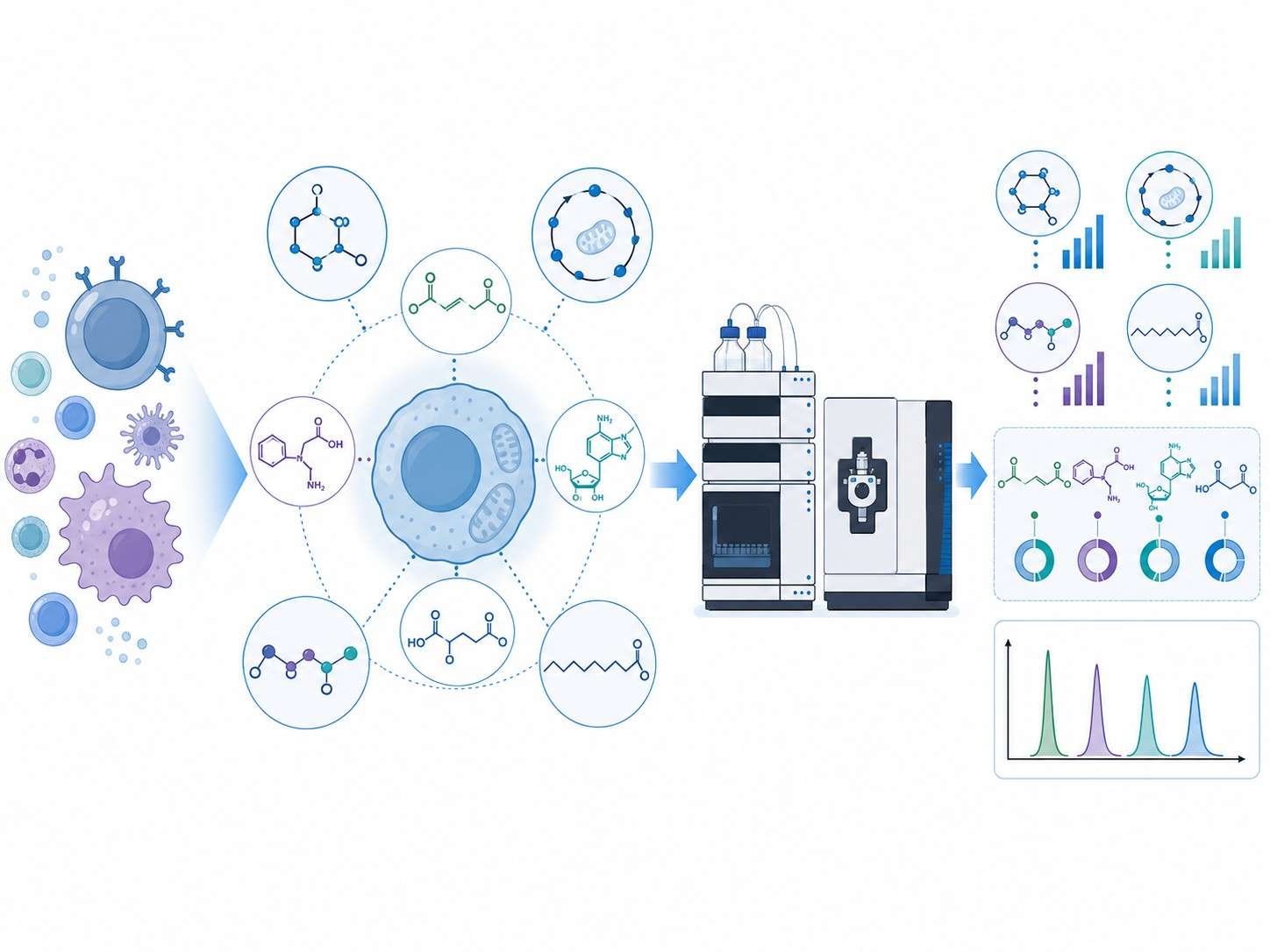
Immunometabolism MS Profiling service overview — immune cells analyzed by LC-MS/MS for metabolic pathway quantification.
What Is Immunometabolism MS Profiling Key Benefits Panel Coverage Workflow Applications Comparison Demo Case Study FAQ

What Is Immunometabolism MS Profiling?

Immunometabolism — the study of how metabolic pathways regulate immune cell function — has emerged as a cornerstone of modern drug discovery. Immune cells undergo profound metabolic reprogramming upon activation, differentiation, or exhaustion, and these metabolic signatures directly influence therapeutic outcomes in immuno-oncology, autoimmune disease, and cell therapy.

MassTarget™ Immunometabolism MS Profiling leverages high-sensitivity liquid chromatography-tandem mass spectrometry (LC-MS/MS) to provide absolute quantification of key immunometabolites from immune cell samples. Unlike conventional metabolomics approaches, our service is specifically designed around immune cell biology, featuring:

  • Low-input compatibility — validated for <500,000 FACS-sorted cells
  • Immune-centric panel — 50+ targets spanning glycolysis, TCA cycle, amino acid metabolism, lipid mediators, and immune signaling metabolites (itaconate, kynurenine, adenosine, 2-HG)
  • Absolute quantification — isotope-labeled internal standards for every target
  • Drug discovery context — integrated with the MassTarget™ platform for seamless multi-omics, ADME, and cell-based screening workflows

Whether you are profiling T cell exhaustion in the tumor microenvironment, characterizing CAR-T metabolic fitness, or dissecting macrophage polarization in autoimmune models, MassTarget™ Immunometabolism MS Profiling delivers the quantitative precision you need to make informed therapeutic decisions.

Key Benefits of MassTarget™ Immunometabolism MS Profiling

Low-Input, High-Impact

Validated for <500,000 FACS-sorted cells — unlock metabolic insights from precious immune subsets (TILs, Tregs, tissue-resident macrophages) that other platforms cannot analyze.

Immune-Specific Panel Design

Beyond generic metabolomics. Our panel targets the metabolic checkpoints that control immune fate: itaconate (macrophage activation), kynurenine/tryptophan ratio (IDO1 activity), adenosine (T cell suppression), 2-HG (epigenetic remodeling), and 50+ additional immune-relevant metabolites.

Absolute Quantification with Rigorous QC

Every target is quantified against isotope-labeled internal standards. Standard curves achieve R² ≥ 0.99, and technical replicates maintain RSD < 15%. You get concentration data, not arbitrary units.

Dual-Platform Precision

Sciex QTRAP 6500+ for targeted quantification with unmatched sensitivity, complemented by Thermo Orbitrap Exploris for high-resolution discovery and flux analysis — all in a single integrated workflow.

Drug Discovery Ready

Part of the MassTarget™ integrated drug discovery platform. Seamlessly connect immunometabolism data with cell-based screening, ADME/DMPK, proteomics, and multi-omics integration — all under ISO 17025 quality standards.

¹³C Flux Analysis Compatible

Upgrade to dynamic metabolic flux analysis using [U-¹³C]-glucose, [U-¹³C]-glutamine, or [U-¹³C]-palmitate tracers to measure pathway activity rates, not just steady-state concentrations.

Service Overview & Panel Coverage

Core Immunometabolism Panel (50+ Targets)

The MassTarget™ Immunometabolism Panel is organized into functional modules, each designed to answer specific immunological questions:

ModuleKey Targets (Absolute Quant)Immunological Significance
Immune Checkpoint & SignalingItaconate, Kynurenine, Tryptophan, 2-HG, Adenosine, Kynurenic acid, Quinolinic acidItaconate: M1 macrophage activation, SDH inhibition. Kyn/Trp ratio: IDO1-mediated T cell suppression. Adenosine: A2A receptor signaling, T cell exhaustion.
Bioenergetics & RedoxATP, ADP, AMP, NAD⁺, NADH, GSH, GSSG, Acetate, FADEnergy charge (AMP/ATP ratio): AMPK activation state. Redox balance: ROS clearance in TME. Acetate: T cell differentiation, anti-inflammatory signaling.
Glycolysis & Warburg EffectGlucose, Glucose-6-P, Fructose-6-P, PEP, Pyruvate, Lactate, 3-PG, 2-PGLactate: TME acidification, T cell exhaustion marker. Glycolytic flux: effector T cell (Teff) activation. PEP: T cell survival, Ca²⁺ signaling.
TCA Cycle & Mitochondrial RespirationCitrate, cis-Aconitate, α-Ketoglutarate, Succinate, Fumarate, Malate, OxaloacetateSuccinate: HIF-1α stabilization, inflammatory signaling. Citrate: fatty acid synthesis precursor, T cell blastogenesis. α-KG: epigenetic regulation, T cell differentiation.
Amino Acid RegulatorsArginine, Ornithine, Citrulline, Glutamine, Glutamate, Serine, Glycine, Methionine, Cystine, ProlineArg/Orn ratio: M1 (iNOS) vs. M2 (Arginase) macrophage polarization. Glutamine: T cell proliferation, anaplerosis. Serine: one-carbon metabolism, T cell expansion.
Epigenetic Modulators (Optional)Methionine, SAM, SAH, Acetyl-CoA, MTA, CholineSAM/SAH ratio: methylation potential driving T cell differentiation. Acetyl-CoA: histone acetylation substrate. MTA: immune suppression in tumors.
Lipid Mediators & InflammationCeramides (C16:0, C18:0, C24:1), Prostaglandin E₂, Leukotriene B₄, Arachidonic acid, Oleic acid, Palmitic acidCeramides: immune cell death, inflammation. PGE₂: T cell suppression, MDSC recruitment. LTB₄: neutrophil chemotaxis, inflammatory amplification.

Optional Add-On Modules

ModuleDescriptionAdded Value
ExometabolomicsAnalysis of cell culture supernatant — nutrient consumption and waste secretionReal-time metabolic activity assessment; media optimization for cell therapy
¹³C Flux AnalysisDynamic tracing with [U-¹³C]-glucose, [U-¹³C]-glutamine, or [U-¹³C]-palmitatePathway activity rates; metabolic node quantification
Mitochondrial Function PanelTargeted analysis of TCA cycle intermediates + NADH/NAD⁺ + ATP/ADPMitochondrial health; OXPHOS vs. glycolysis balance
Expanded Lipid Mediator Panel40+ eicosanoids, endocannabinoids, and bioactive lipidsInflammatory resolution; immune cell signaling

Sample Requirements

Sample TypeRecommended AmountNotes
FACS-sorted immune cells≥ 500,000 cellsLower amounts possible with discussion
Cultured immune cells≥ 1 × 10⁶ cellsT cells, macrophages, NK cells, B cells
Tissue / Tumor biopsies≥ 10 mgSnap-frozen; flash-freeze in LN₂
Cell culture supernatant≥ 200 μLFiltered; store at -80°C
Plasma / Serum≥ 50 μLHeparin or EDTA; avoid hemolysis

Deliverables

  • Executive Summary — key findings and biological interpretation
  • Quantitative Data Table — absolute concentrations for all targets (μM or pmol/μg protein)
  • Visualization Package — heatmaps, volcano plots, pathway maps, PCA plots
  • Raw Data — LC-MS/MS chromatograms, transition lists, integration reports
  • Methods Appendix — complete SOP, instrument parameters, QC data
  • Optional Statistical Analysis — multivariate analysis, pathway enrichment, biomarker identification

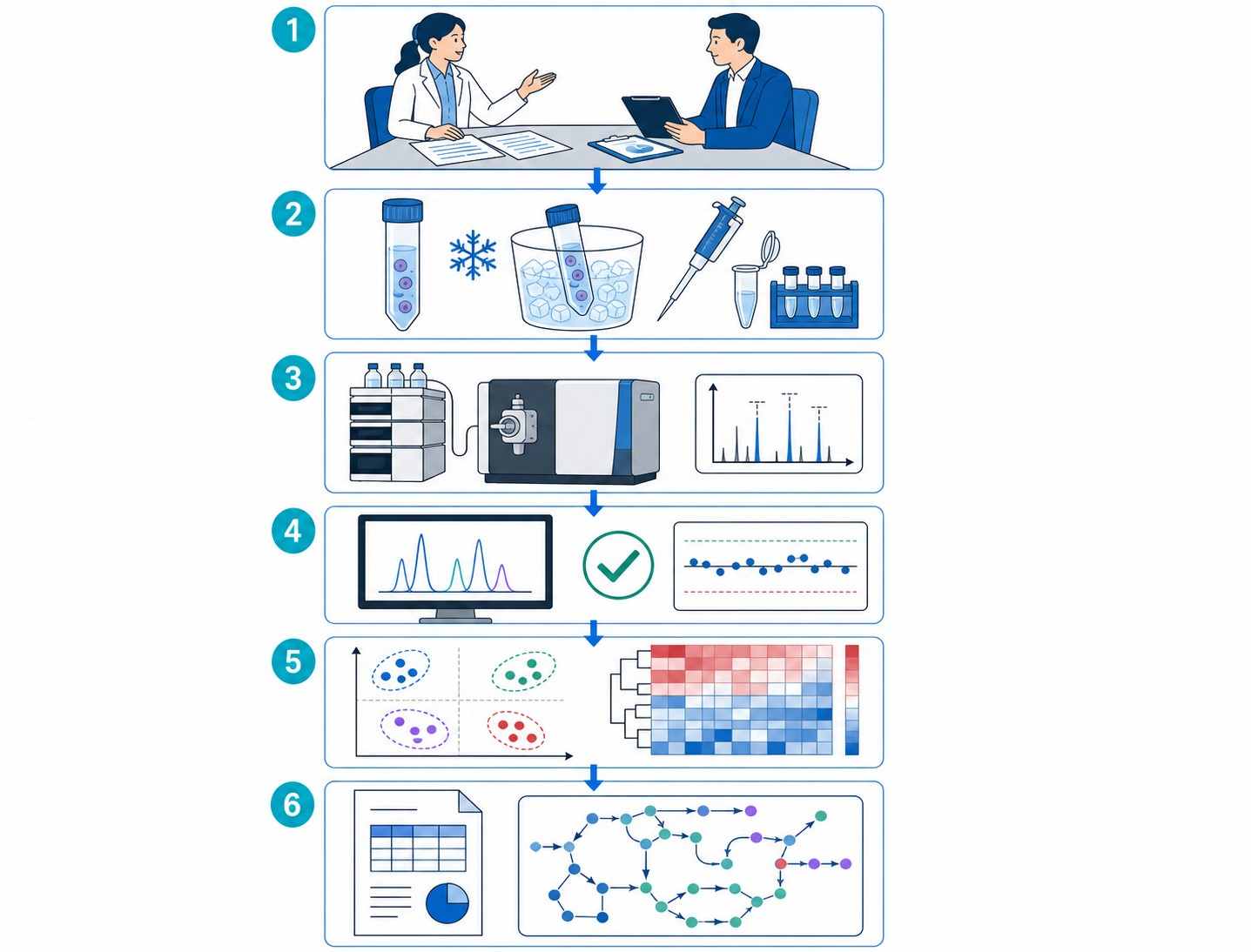
Immunometabolism MS Profiling Workflow

A standardized 6-step process from project consultation to final report delivery. Each project is tailored to the specific immune cell type, research question, and panel requirements.

1

Project Consultation

Discuss your research goals, immune cell types, experimental design, and panel requirements with our scientific team. We help select the appropriate panel modules and sample preparation strategy.

2

Sample Preparation

Samples are processed under optimized conditions for immune cell metabolomics. Rapid quenching in ice-cold methanol (80% MeOH) preserves labile metabolites (ATP, NADH, adenosine). BCA protein normalization ensures accurate cross-sample comparison.

3

LC-MS/MS Acquisition

Targeted analysis on Sciex QTRAP 6500+ using scheduled MRM with HILIC and C18 chromatography for comprehensive polar and non-polar metabolite coverage. Discovery analysis on Thermo Orbitrap Exploris for untargeted profiling.

4

Data Processing & QC

Automated peak integration, manual review, and isotope dilution quantification. QC standards: R² ≥ 0.99 for calibration curves, RSD < 15% for technical replicates, pooled QC samples for batch correction.

5

Statistical Analysis & Visualization

Multivariate analysis (PCA, PLS-DA), univariate statistics (t-test, ANOVA, fold-change), pathway enrichment, and custom visualization (heatmaps, volcano plots, metabolic pathway maps).

6

Report Delivery

Comprehensive report with executive summary, quantitative data tables, visualization package, raw data, and methods appendix. Optional: biological interpretation session with our immunometabolism scientists.

Immunometabolism MS profiling workflow diagram showing six steps from project consultation through sample preparation, LC-MS/MS acquisition, data processing, statistical analysis, and final report delivery.

Applications of Immunometabolism MS Profiling

MassTarget™ Immunometabolism MS Profiling supports a broad range of drug discovery and biomedical research applications across five key areas.

Immuno-Oncology Drug Development

  • T cell exhaustion profiling: Quantify lactate, kynurenine, adenosine, and 2-HG in TILs to assess exhaustion status and predict checkpoint inhibitor response
  • TME metabolic competition: Measure glucose, glutamine, and oxygen consumption patterns in tumor vs. immune cells to identify metabolic vulnerabilities
  • Macrophage polarization: Quantify itaconate, arginine/ornithine ratio, and succinate to distinguish M1 vs. M2 tumor-associated macrophages
  • Combination therapy: Evaluate how metabolic modulators reshape the immune microenvironment

Cell Therapy Optimization

  • CAR-T metabolic fitness: Profile glycolysis, OXPHOS, and amino acid metabolism in CAR-T products to predict persistence and exhaustion resistance
  • TIL therapy: Assess metabolic signatures of tumor-infiltrating lymphocytes before and after expansion
  • Media optimization: Use exometabolomics to identify nutrient limitations and waste accumulation in cell therapy manufacturing

Autoimmune & Inflammatory Disease

  • Th17/Treg balance: Measure glycolytic flux, fatty acid oxidation, and amino acid metabolism to distinguish pro-inflammatory vs. regulatory T cell subsets
  • Macrophage polarization in RA: Quantify itaconate, PGE₂, and arginine metabolism in synovial macrophages
  • Metabolic biomarkers: Identify circulating metabolic signatures for patient stratification and treatment monitoring

Infectious Disease & Vaccinology

  • Metabolic response to pathogens: Profile immune cell metabolic reprogramming upon viral, bacterial, or parasitic infection
  • Immunometabolic checkpoints: Identify metabolite-driven mechanisms of immune evasion
  • Vaccine development: Characterize metabolic signatures of protective immunity

Transplantation Immunology

  • Immune tolerance markers: Identify metabolic signatures associated with graft acceptance vs. rejection
  • Donor-specific immune monitoring: Track metabolic changes in donor-reactive T cells

Immunometabolism MS vs. Conventional Approaches

MassTarget™ Immunometabolism MS Profiling offers distinct advantages over conventional metabolomics and metabolic assay platforms for immune cell analysis.

FeatureMassTarget™ Immunometabolism MSConventional Targeted MetabolomicsSeahorse XF / Extracellular FluxFlow Cytometry Metabolic Probes
What It MeasuresAbsolute metabolite concentrations (50+ targets)Relative metabolite levelsGlycolysis & OXPHOS rates (indirect)Single-parameter readouts (glucose uptake, ROS)
Immune-Specific Panel✓ Designed around immune cell biology✗ Generic metabolomics panels✗ Not applicable✗ Limited probes
Absolute Quantification✓ Isotope-labeled IS for every target✗ Relative abundance only✗ Rates only✗ Fluorescence intensity
Low-Input Compatibility✓ <500K cells✗ Typically 1-5M cells✓ 10⁴-10⁵ cells/well✓ Single-cell capable
Metabolic Pathway Coverage7 functional modules, 50+ targetsVariable (50-200 metabolites)2 pathways (glycolysis, OXPHOS)3-5 probes
Immune Signaling Metabolites✓ Itaconate, Kyn/Trp, Adenosine, 2-HG✗ Usually not included✗ Not applicable✗ Not available
Flux Analysis Compatible✓ ¹³C tracing upgrade available✗ Static only✓ Real-time rates✗ Static only
Drug Discovery Integration✓ MassTarget™ platform✗ Standalone✗ Standalone✗ Standalone

Representative Data

Below are representative data outputs from MassTarget™ Immunometabolism MS Profiling analyses. These examples illustrate the type and quality of data delivered with each project.

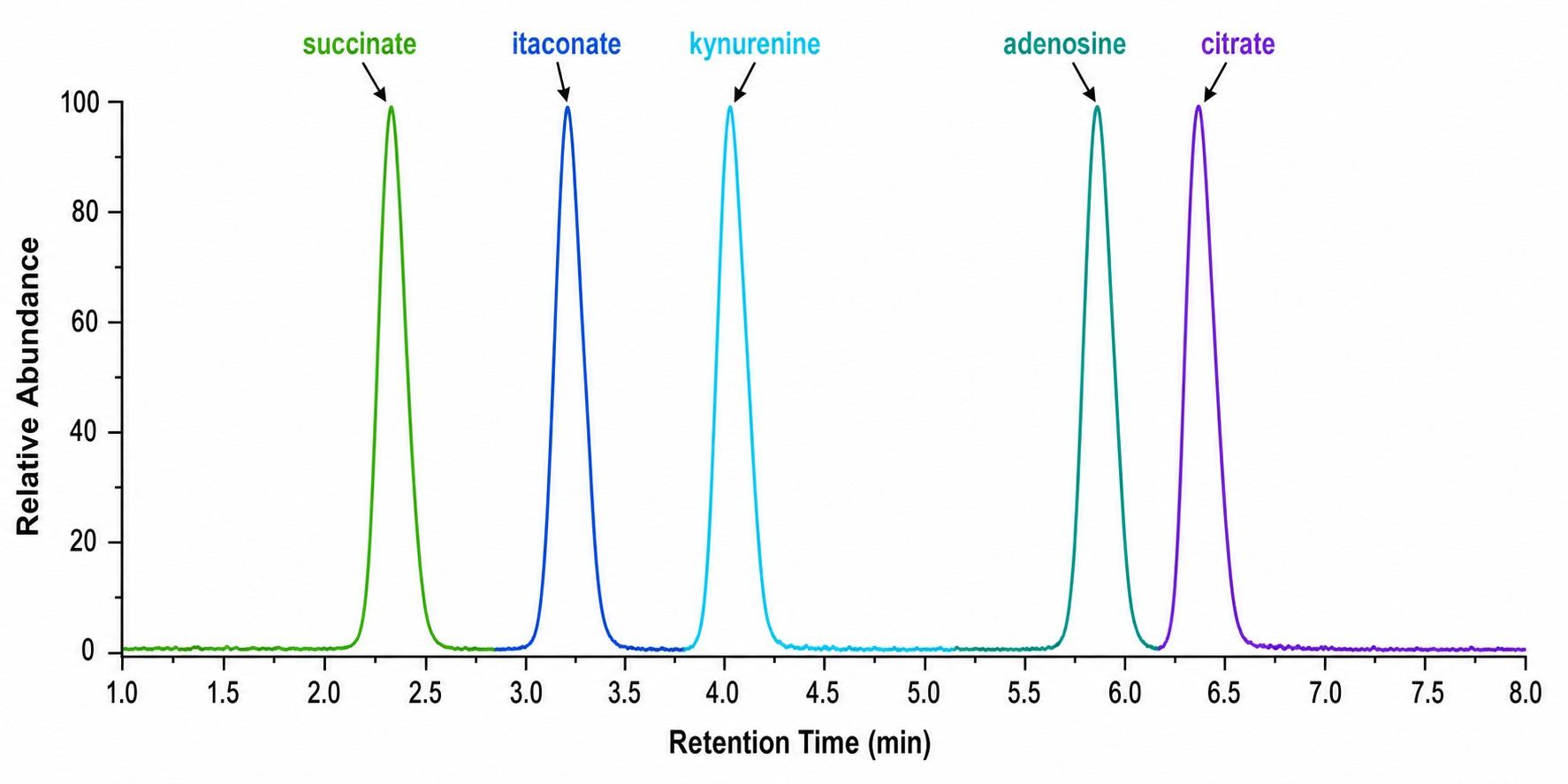
Representative LC-MS/MS chromatogram of targeted immunometabolites showing scheduled MRM transitions for itaconate, kynurenine, adenosine, and key TCA cycle intermediates with baseline separation.

Figure 3. Representative LC-MS/MS chromatogram of targeted immunometabolites

Scheduled MRM transitions for itaconate, kynurenine, adenosine, and key TCA cycle intermediates, demonstrating baseline separation and signal-to-noise ratio.

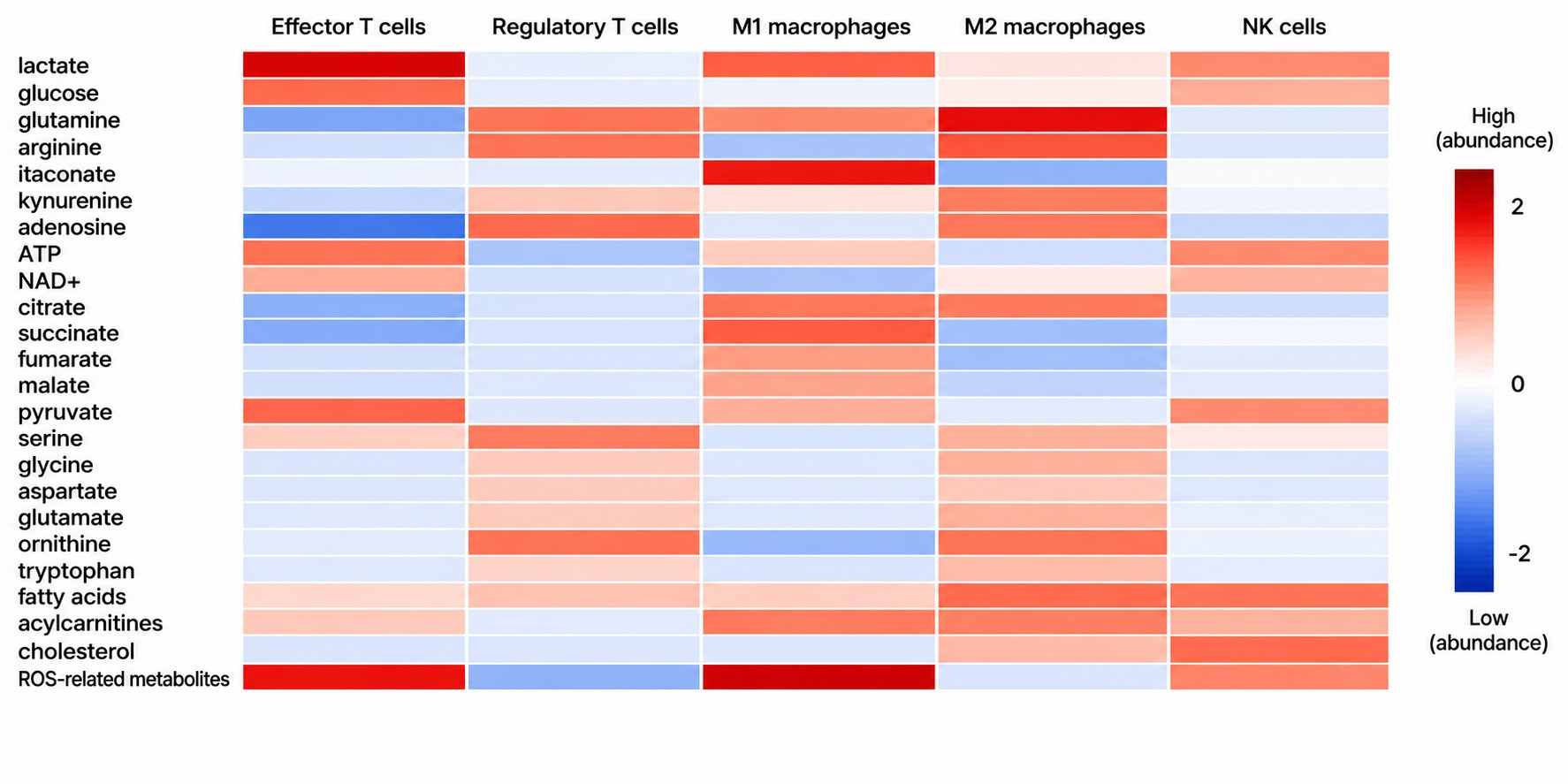
Heatmap of metabolic profiles across immune cell subsets showing distinct signatures for T cells, macrophages, and NK cells with effector T cells exhibiting elevated glycolysis markers.

Figure 4. Heatmap of metabolic profiles across immune cell subsets

T cells, macrophages, and NK cells show distinct metabolic signatures, with effector T cells exhibiting elevated glycolysis markers and regulatory T cells displaying enhanced fatty acid oxidation.

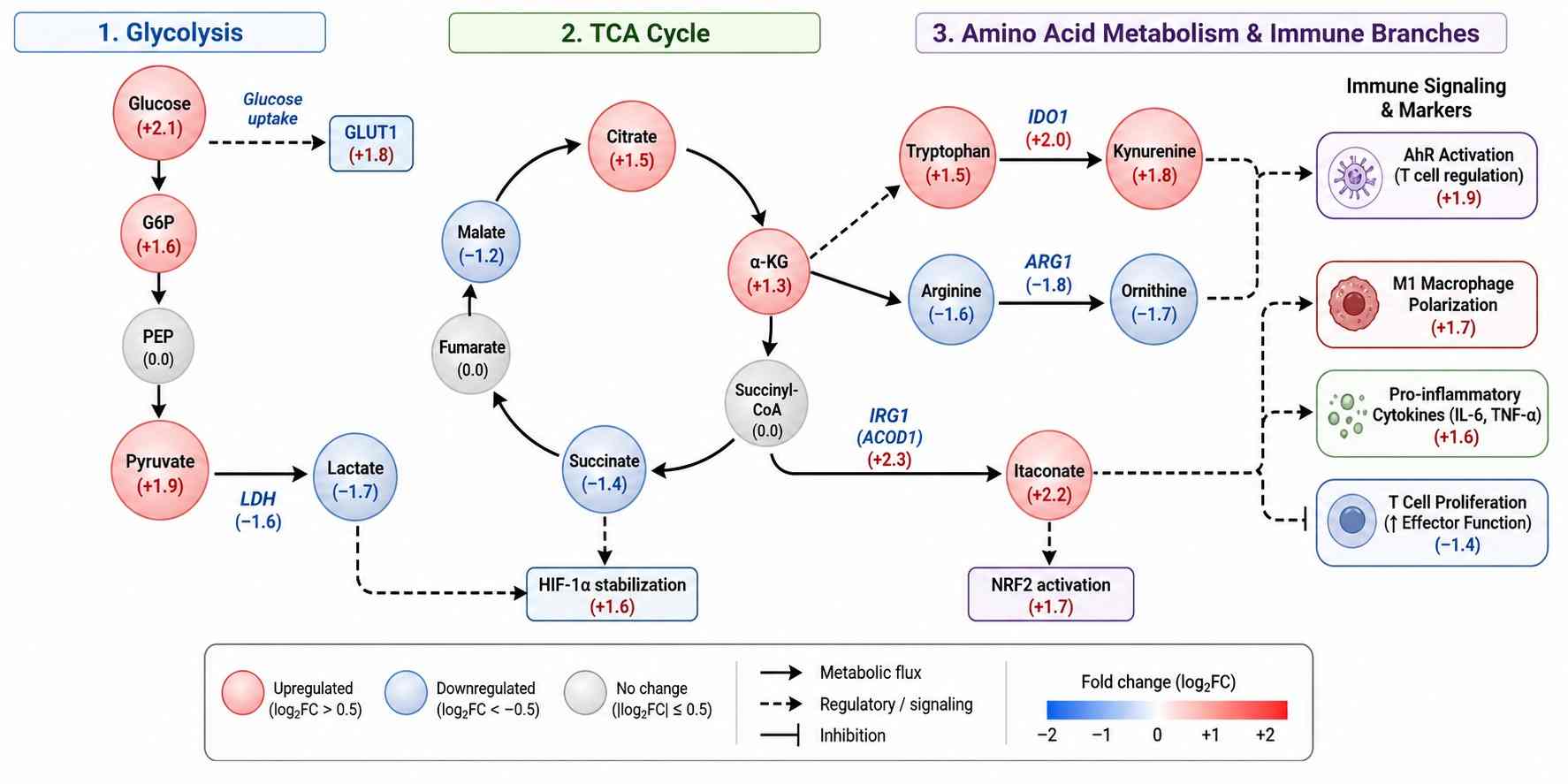
Metabolic pathway map with quantified nodes showing integrated visualization of glycolysis, TCA cycle, amino acid metabolism, and immune signaling pathways with fold-change data overlaid.

Figure 5. Metabolic pathway map with quantified nodes

Integrated visualization of glycolysis, TCA cycle, amino acid metabolism, and immune signaling pathways, with fold-change data overlaid on pathway architecture.

Case Study — Targeted LC-MS Metabolomic Profiling of LPS-Stimulated Human Monocytes

Leacy E, et al. "Optimal LC-MS metabolomic profiling reveals emergent changes to monocyte metabolism in response to lipopolysaccharide." Frontiers in Immunology 14:1116760 (2023). https://doi.org/10.3389/fimmu.2023.1116760

Background

Immunometabolism research requires robust, reproducible LC-MS workflows optimized for primary human immune cells. Leacy et al. (2023) established an optimized LC-MS metabolomic profiling workflow for primary human immune cells and characterized early metabolic changes in CD14⁺ monocytes in response to LPS stimulation — directly relevant to the methodological foundation of MassTarget™ Immunometabolism MS Profiling.

Methods

Primary human CD14⁺ monocytes (n = 24 donors) were stimulated with LPS (200 ng/mL) for 4 hours. Metabolites were extracted using 80% methanol with ice-cold sonication and analyzed by HILIC-LC-MS (Agilent 6546 Q-TOF) in negative ion mode. Data normalization was optimized using BCA protein quantification of the extracted pellet. Both targeted (53 standards) and untargeted analyses were performed.

Key Findings

  • Method optimization: BCA-based protein normalization of the extracted pellet outperformed 40+ alternative normalization strategies, providing the most consistent PCA clustering
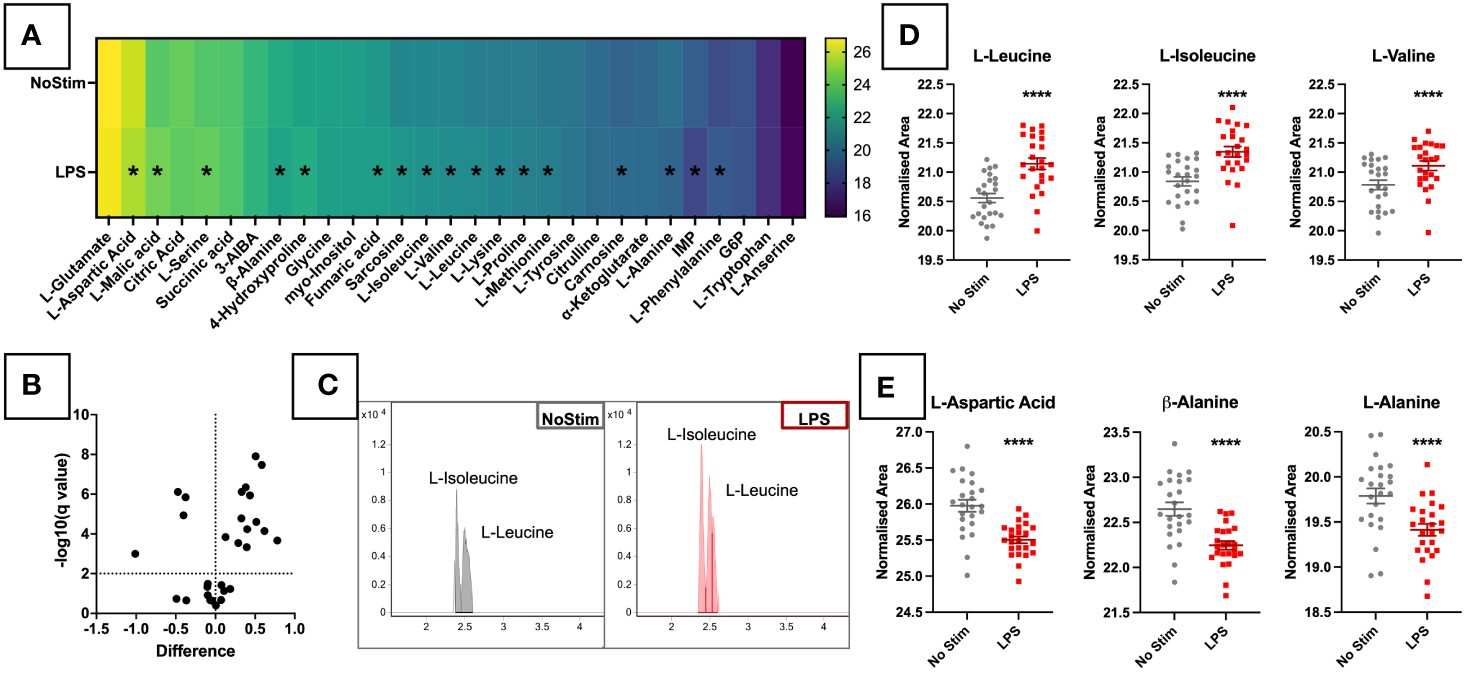
  • Targeted analysis: 29 of 53 targeted metabolites were detected. LPS stimulation significantly upregulated branched-chain amino acids (leucine, isoleucine, valine), TCA cycle intermediates (fumarate, malate), and IMP, while downregulating aspartate and β-alanine
  • Untargeted analysis: 154 of 1,376 detected features were significantly altered (87 down, 67 up). Itaconate — a key immunomodulatory metabolite — was identified among the most significantly upregulated features
  • Functional validation: IMP levels correlated significantly with IL-1β, IL-6, and TNF-α production. Inhibition of serine synthesis (CBR-5884) completely blocked IL-1β production, demonstrating the functional relevance of metabolic reprogramming

Relevance to MassTarget™ Service

This study exemplifies the type of rigorous, methodologically sound immunometabolism profiling that MassTarget™ delivers. The optimized workflow — from sample preparation through BCA normalization to targeted/untargeted LC-MS analysis — is directly applicable to our service, which extends these principles with absolute quantification, expanded panel coverage, and drug discovery integration.

Targeted metabolomic analysis of LPS-stimulated primary monocytes showing heatmap of 29 detected targeted metabolites, volcano plot, extracted ion chromatograms, and BCAAs significantly increased after LPS stimulation (adapted from Leacy et al. 2023, Frontiers in Immunology, CC-BY 4.0).

Adapted from Leacy et al. (2023), Frontiers in Immunology, CC-BY 4.0: Targeted metabolomic analysis of LPS-stimulated primary monocytes. (A) Heatmap of 29 detected targeted metabolites. (B) Volcano plot showing 13 upregulated and 4 downregulated metabolites. (C) Extracted ion chromatograms for leucine and isoleucine. (D) BCAAs are significantly increased after LPS stimulation. (E) Aspartic acid and β-alanine are significantly decreased.

FAQ

Frequently Asked Questions

Q: What types of immune cells can be analyzed?

We have validated protocols for T cells (CD4⁺, CD8⁺, Tregs), B cells, NK cells, monocytes, macrophages (M1, M2), dendritic cells, and neutrophils. Custom protocols can be developed for rare or engineered cell types.

Q: What is the minimum cell number required?

Our standard protocol is validated for ≥500,000 FACS-sorted cells. For smaller samples (≥100,000 cells), please contact us for a feasibility assessment.

Q: Can you analyze tissue samples (e.g., tumor biopsies)?

Yes. We accept snap-frozen tissue samples (≥10 mg). For tumor biopsies with heterogeneous immune infiltration, we recommend FACS sorting of CD45⁺ immune cells prior to analysis.

Q: How do you handle metabolic quenching?

Samples must be flash-frozen in liquid nitrogen immediately after isolation and stored at -80°C. We provide detailed sample preparation protocols and shipping instructions. For cultured cells, we recommend rapid washing with ice-cold PBS followed by 80% MeOH quenching.

Q: What is the turnaround time?

Standard turnaround is 4-6 weeks from sample receipt. Expedited timelines (2-3 weeks) are available for priority projects.

Q: Can this service be combined with other MassTarget™ modules?

Absolutely. Immunometabolism profiling integrates seamlessly with cell-based MS drug screening, proteomics, ADME/DMPK, and mass spectrometry imaging for multi-modal drug discovery workflows.

Q: Is the service compliant with regulatory standards?

The service is for research use only (RUO) and is performed under ISO 17025 quality management standards. We are not CLIA/CAP certified and do not provide clinical diagnostic services.

Q: Do you provide ¹³C flux analysis?

Yes. We offer [U-¹³C]-glucose, [U-¹³C]-glutamine, and [U-¹³C]-palmitate tracing as an add-on module. Please discuss your specific tracer requirements during project consultation.

References

  1. O'Neill LAJ, Kishton RJ, Rathmell J. A guide to immunometabolism for immunologists. Nat Rev Immunol. 2016;16(9):553-565. doi:10.1038/nri.2016.70. https://doi.org/10.1038/nri.2016.70
  2. Leacy E, et al. Optimal LC-MS metabolomic profiling reveals emergent changes to monocyte metabolism in response to lipopolysaccharide. Front Immunol. 2023;14:1116760. https://doi.org/10.3389/fimmu.2023.1116760
  3. Pearce EL, Pearce EJ. Metabolic pathways in immune cell activation and quiescence. Immunity. 2013;38(4):633-643. doi:10.1016/j.immuni.2013.04.005. https://doi.org/10.1016/j.immuni.2013.04.005
  4. Schönberger K, Mitterer M, Glaser K, et al. LC-MS-based targeted metabolomics for FACS-purified rare cells. Anal Chem. 2023;95(9):4325-4334. doi:10.1021/acs.analchem.2c04396. https://doi.org/10.1021/acs.analchem.2c04396
  5. Andrejeva G, Rathmell JC. Similarities and distinctions of cancer and immune metabolism in inflammation and tumors. Cell Metab. 2017;26(1):49-70. doi:10.1016/j.cmet.2017.06.004. https://doi.org/10.1016/j.cmet.2017.06.004

Accelerate Your Immunometabolism Research

From T cell exhaustion to macrophage polarization, MassTarget™ Immunometabolism MS Profiling delivers the quantitative precision you need to understand immune cell metabolic reprogramming in drug discovery.


For research use only. Not for use in diagnostic procedures. Creative Proteomics provides immunometabolism MS profiling services exclusively for research and development purposes. Results are not intended for clinical diagnosis or medical decision-making.

Online Inquiry

Please submit a detailed description of your project. We will provide you with a customized project plan to meet your research requests. You can also send emails directly to for inquiries.

* Email
Phone
* Service & Products of Interest
Services Required and Project Description