Pharmaco-Proteomics: MS-Based Drug Response Profiling Service

Translate drug treatment into protein-level evidence — quantitative, pathway-resolved, and decision-ready.

Pharmaco-proteomics applies mass spectrometry-based quantitative proteomics to characterise how a drug or compound reshapes the cellular proteome. Rather than inferring protein-level events from gene expression, it measures thousands of proteins directly — capturing drug-induced changes in abundance, modification, interaction, and pathway activity across treated and control samples.

At Creative Proteomics, our pharmaco-proteomics service is built for research teams that need mechanistic depth: MoA elucidation, target engagement confirmation, resistance pathway mapping, and off-target protein change detection — all delivered from a single workflow, with TMT-based quantitative proteomics, label-free quantification, or DIA quantification options.

Key Advantages:

  • Comprehensive proteome coverage across drug-treated vs control groups, with multiple quantification strategies (TMT, LFQ, DIA-MS).
  • Pathway and network analysis delivered alongside protein abundance tables — actionable biology, not just data files.
  • Compatible with cells, tissues, plasma, and complex biological matrices; flexible sample intake including FFPE.
  • Bioinformatics integration covering KEGG, Reactome, and Gene Ontology for mechanistic interpretation.
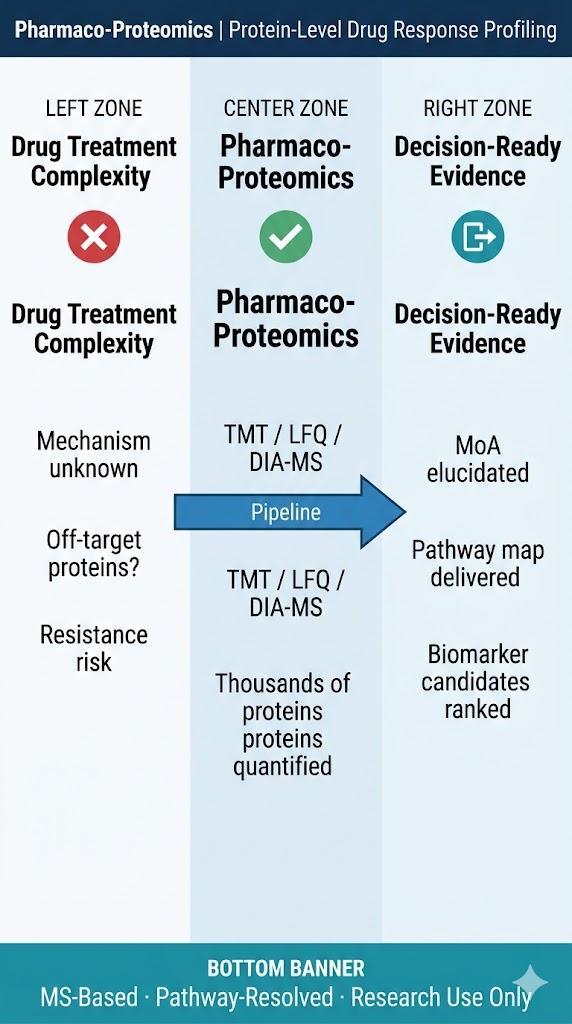
Pharmaco-proteomics service overview diagram showing drug treatment, LC-MS/MS quantitative proteomics, pathway analysis, and drug response deliverables.
What Is PharmProt Service Overview Tech Comparison Sample Demo Case Study FAQ

What Is Pharmaco-Proteomics?

Pharmaco-proteomics is a research discipline that uses large-scale, mass spectrometry-based proteomics to study how drugs, compounds, or biologics alter protein expression, modification, and network activity in biological systems. The approach directly measures the protein-level consequences of pharmacological intervention — something neither genomics nor transcriptomics can fully capture, because protein abundance, stability, and post-translational modification are regulated independently of gene expression.

The field emerged from the intersection of pharmacology and proteomics: where pharmacology asks which molecules are affected by a drug, proteomics provides the measurement infrastructure to answer at system scale. When applied to drug-treated cell lines, animal tissue, or patient-derived samples, pharmaco-proteomics generates datasets that describe drug-induced proteome remodelling — quantifying hundreds to thousands of proteins simultaneously and mapping their differential expression onto biological pathways and protein networks.

In practice, pharmaco-proteomics supports a range of drug discovery and translational research questions: Which proteins are upregulated or suppressed in response to compound treatment? Do observed changes match the expected target mechanism, or do they reveal unanticipated pathways? Are resistance-associated protein shifts detectable before functional resistance emerges? What proteins distinguish drug-sensitive from drug-resistant cell models? These questions sit at the centre of mechanism-of-action research, target engagement validation — including thermal stability-based approaches such as thermal proteome profiling (TPP) — and early pharmacodynamic biomarker development.

Why Protein-Level Drug Profiling Matters

Drugs act on proteins, not genes

Most approved drugs bind proteins directly. Measuring the proteome after treatment captures the actual molecular consequences of drug action — including effects that mRNA profiling cannot predict, such as protein stability changes, turnover shifts, and post-translational modifications induced by drug binding. Structural-level drug effects can be further resolved by complementary approaches such as limited proteolysis–MS (LiP-MS).

Pathway resolution at system scale

By quantifying thousands of proteins in parallel across treatment groups, pharmaco-proteomics resolves which biological pathways are genuinely perturbed — providing mechanistic context beyond a ranked hit list and enabling confident decisions about next-stage experiments.

Resistance and off-target detection

Drug resistance often manifests first as proteome remodelling — compensatory pathway upregulation, efflux protein induction, or bypass signalling — before functional resistance is measurable. Pharmaco-proteomics can detect these shifts early, informing combination strategies.

Biomarker evidence for translational programmes

Differentially expressed proteins identified from drug-treated models can serve as candidate pharmacodynamic biomarkers — proteins that change predictably with drug exposure and can be monitored in accessible biofluids to confirm target engagement in translational settings.

Who Uses Pharmaco-Proteomics Services?

Drug discovery scientists in biotech and pharma who have designed cell-based or in vivo drug experiments but lack in-house mass spectrometry quantitative proteomics capability are the primary users of this service. Academic pharmacology and cancer biology groups, translational research teams bridging preclinical and clinical stages, and chemical biology researchers profiling novel compounds or probes also rely on pharmaco-proteomics to support mechanistic conclusions. The service is particularly valuable when a team has compound activity data but needs protein-level evidence to explain the mechanism, validate the target, or characterise off-target effects with confidence. For studies involving covalent or irreversible compounds, this service pairs directly with our covalent inhibitor profiling workflow for site-level target characterisation.

Service Overview – Creative Proteomics Pharmaco-Proteomics Capabilities

Our pharmaco-proteomics service is designed around the reality of drug discovery experiments: multiple treatment groups, time-course designs, dose-response comparisons, and drug combination studies all require a flexible, high-coverage proteomics platform with robust bioinformatics. We offer three core quantification strategies, each matched to experimental scale and sample type, and we deliver results as interpreted biological output — not raw spectral files.

MODE 1

TMT-Based Quantitative Pharmaco-Proteomics

Isobaric tandem mass tag (TMT) labelling enables multiplexed comparison of up to 18 samples in a single LC-MS/MS run, minimising missing value rates and maximising statistical power for group comparisons.

  • Ideal for dose-response series, treatment vs control, and time-course drug experiments.
  • High proteome depth: typically 4,000–8,000 proteins quantified per project.
  • Statistical analysis includes volcano plots, PCA, hierarchical clustering, and differential expression testing.
MODE 2

Label-Free Quantification (LFQ) Pharmaco-Proteomics

Label-free quantification avoids chemical derivatisation, making it suited to samples where chemical labelling efficiency may be inconsistent — including FFPE tissue, primary patient cells, and biofluids.

  • No sample number limitation per experiment.
  • Compatible with a broad range of biological matrices and sample types.
  • Appropriate for exploratory studies where sample heterogeneity is high.
MODE 3

DIA-MS Pharmaco-Proteomics

Data-independent acquisition (DIA) provides consistent, highly reproducible protein quantification across large sample cohorts — well suited to pharmacodynamic studies requiring high inter-sample comparability and clinical biomarker candidate discovery.

  • Deep proteome coverage with minimal missing values across samples.
  • Reproducibility optimised for multi-batch or longitudinal study designs.
  • Supports integration with spectral libraries for confident protein identification.
MODE 4

Phosphoproteomics-Enhanced Drug Response Profiling

Many drugs modulate kinase signalling cascades that are best captured by measuring phosphorylation status rather than total protein abundance. Our phosphoproteomics enrichment workflow (TiO2 or IMAC) detects drug-induced signalling changes at site-specific resolution. For studies requiring conformational or accessibility-level evidence of drug binding alongside abundance changes, our Target-Responsive Accessibility Profiling (TRAP) service provides a complementary structural readout.

  • Site-level phosphopeptide identification and quantification.
  • Kinase substrate enrichment analysis (KSEA) for pathway-level interpretation.
  • Can be combined with total proteome analysis for a complete mechanistic picture; for covalent drug studies, pair with reactive residue profiling to map modification sites.
MODE 5

Drug Resistance Proteome Profiling

Comparing sensitive and resistant cell line models at the proteome level identifies resistance-associated protein changes — whether acquired during prolonged drug exposure or intrinsic to the resistant subpopulation. This approach complements functional readouts from cell-based MS drug screening.

  • Comparative proteomics of isogenic sensitive/resistant pairs.
  • Detection of compensatory pathway upregulation and bypass mechanisms.
  • Pathway enrichment analysis highlights candidate combination targets.
MODE 6

In Vivo and Tissue Pharmaco-Proteomics

Drug-treated animal tissues and patient-derived xenograft samples present unique analytical challenges. Our tissue pharmaco-proteomics workflow is optimised for low-input samples, FFPE material, and heterogeneous tissue sections.

  • Optimised lysis and digestion for frozen and FFPE tissue.
  • Compatible with mouse, rat, and human tissue drug studies.
  • Results include pathway-level pharmacodynamic interpretation and candidate biomarker ranking.

Pharmaco-Proteomics Workflow

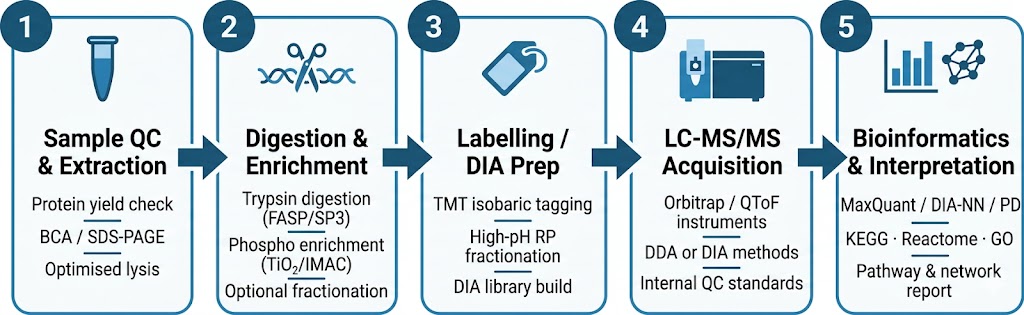
Our end-to-end workflow covers five integrated stages from sample receipt to interpreted biological output:

1

Sample quality assessment and protein extraction

Drug-treated and control samples are assessed for protein yield, integrity (BCA assay, SDS-PAGE check), and compatibility with the selected quantification strategy. Optimised lysis conditions are applied for cell pellets, tissue, FFPE, or biofluids.

2

Enzymatic digestion and optional enrichment

Proteins are reduced, alkylated, and digested with trypsin using our filter-aided sample preparation (FASP) or SP3 protocol. For phosphoproteomics studies, phosphopeptide enrichment (TiO2 or IMAC) is performed at this stage.

3

Labelling or DIA library preparation

For TMT experiments, isobaric tags are applied and samples are combined and fractionated by high-pH reversed-phase chromatography. For LFQ and DIA runs, samples proceed directly to LC-MS/MS injection with study-specific gradient settings.

4

LC-MS/MS data acquisition on high-resolution platforms

Data are acquired on Orbitrap-based or QToF instruments using DDA or DIA methods, with internal QC standards to monitor instrument stability and data quality across the sample batch.

5

Bioinformatics analysis and biological interpretation

Raw spectra are processed through database searching (MaxQuant, Proteome Discoverer, or DIA-NN), followed by differential expression analysis, pathway enrichment (KEGG, Reactome, GO), protein network analysis, and optional kinase activity inference for phosphoproteomics datasets.

Pharmaco-proteomics workflow: sample QC and extraction, enzymatic digestion, TMT labelling or DIA setup, LC-MS/MS acquisition, bioinformatics and pathway analysis.

Applications: When Pharmaco-Proteomics Provides a Clear Advantage

Pharmaco-proteomics is most impactful in the scenarios below — situations where gene expression or biochemical assays cannot adequately characterise the drug response at the protein level.

Mechanism-of-Action (MoA) Elucidation

When a compound shows cellular activity but the protein-level mechanism is unclear, pharmaco-proteomics maps the full landscape of affected proteins and pathways.

Pharmaco-proteomics resolves: which proteins change in abundance, in which direction, and how these changes cluster onto known biological processes — giving a proteome-scale MoA fingerprint. For drug studies requiring simultaneous metabolite-level readouts, see our metabolic pathway drug response service.

Target Engagement and On-Target Confirmation

After demonstrating binding, researchers need evidence that drug engagement actually modulates downstream protein networks in the expected way.

Pharmaco-proteomics provides: a direct readout of target pathway proteins and their downstream effectors in treated versus untreated cells or tissue, confirming pharmacological relevance of the binding event.

Drug Resistance Mechanism Research

Resistant cell populations frequently activate bypass proteins or upregulate efflux mechanisms that are invisible to phenotypic assays alone.

Pharmaco-proteomics identifies: proteins differentially expressed between sensitive and resistant models, enabling rational design of combination strategies and resistance biomarker candidates.

Comparative Compound Profiling

During lead optimisation, structurally related compounds may have similar potency but different protein-level selectivity profiles.

Pharmaco-proteomics distinguishes: compounds by their proteome-wide response signatures — revealing differences in off-target protein modulation that inform structure-activity decisions. For covalent or reactive compounds, this can be extended with chemoproteomics to map binding sites directly.

Pharmacodynamic Biomarker Discovery

Teams preparing for translational studies need measurable protein changes that reliably track with drug exposure in accessible samples.

Pharmaco-proteomics generates: ranked lists of proteins that change consistently with drug treatment across biological replicates, prioritised as candidate pharmacodynamic biomarkers for downstream validation. When metabolite-level biomarkers are also of interest, our pharmaco-metabolomics service can be run in parallel for multi-omics biomarker coverage.

Natural Product and Novel Compound Characterisation

Compounds without known targets or those from natural product libraries require unbiased profiling to generate a first mechanistic hypothesis.

Pharmaco-proteomics provides: a hypothesis-free, system-level view of the treated proteome — generating mechanistic leads without requiring prior target knowledge. For natural products with electrophilic or covalent properties, activity-based protein profiling (ABPP) can complement the proteome-wide approach by mapping probe-reactive targets directly.

Platform Instrumentation

Creative Proteomics' pharmaco-proteomics platform integrates high-resolution mass spectrometry, nano-LC systems, and validated bioinformatics pipelines to deliver reproducible, deep-proteome drug response data across a range of sample types and experimental designs.

ModuleInstrument / SystemCore CapabilityRelevance to Drug Studies
Nano-LCUltiMate 3000 nanoUHPLC (Thermo Fisher)Nano-flow peptide separationHigh-sensitivity detection from low-input drug-treated cell pellets
High-Resolution MSQ Exactive HF OrbitrapDDA/DIA acquisition; accurate-mass MS2Deep proteome coverage; confident peptide identification across thousands of proteins
Targeted MSSciex QTRAP 6500 PlusMRM/PRM quantificationPrecise quantification of selected proteins and phosphopeptides in validation studies
BioinformaticsMaxQuant / DIA-NN / Proteome DiscovererDatabase search + label quantificationConsistent protein-level quantification with low missing values across treatment groups

Technology Comparison: Pharmaco-Proteomics Quantification Strategies

StrategyPrincipleBest Suited ForKey StrengthsKey Limitations
TMT MultiplexingChemical labelling with isobaric tags; samples combined and analysed in one MS run.Dose-response and time-course drug experiments; up to 18 conditions per run
  • Minimal missing values across groups
  • High multiplexing capacity
  • Excellent reproducibility within a multiplex set
  • Higher sample processing cost per sample
  • Ratio compression from co-isolation (addressable with MS3 or SPS-MS3)
Label-Free Quantification (LFQ)Relative protein abundance estimated from precursor ion intensities across separately injected samples.Large cohorts; samples where labelling efficiency is uncertain; biofluids
  • No sample number restriction
  • Compatible with all sample types including FFPE
  • No chemical derivatisation required
  • Higher missing value rates without sample fractionation
  • Requires careful LC reproducibility control
DIA-MSAll precursors fragmented systematically; quantification from spectral library matching or library-free analysis.Large pharmacodynamic cohorts; reproducibility-critical multi-batch studies
  • Highly complete quantification across samples
  • Excellent run-to-run reproducibility
  • Compatible with both discovery and targeted-like modes
  • Requires high-quality spectral library for best depth
  • More complex data analysis pipeline
Phosphoproteomics (TiO2/IMAC + LC-MS/MS)Phosphopeptide enrichment followed by high-resolution MS; site-level quantification of phosphorylation changes.Kinase inhibitor studies; signalling cascade mapping; drug-induced signalling changes
  • Captures drug-induced signalling at residue-specific resolution
  • Enables KSEA for kinase activity inference
  • Complementary to total proteome for complete drug response picture
  • Requires sufficient input material for enrichment
  • Phosphopeptide identification is inherently lower-depth than total proteome

Sample Requirements

Sample TypeRecommended Amount (TMT)Recommended Amount (LFQ/DIA)Storage & TransportNotes
Cultured Cells (Suspension or Adherent)≥ 1 × 10⁶ per sample≥ 5 × 10⁵ per sample (DIA trace: 200–5,000 cells)Frozen cell pellet at −80°C; ship on dry iceWash 2–3× with pre-chilled PBS before freezing; record cell count per replicate; remove culture medium completely
Animal Tissue (Soft: Brain, Liver, Kidney, Lung, etc.)≥ 100 mg per sample≥ 30–50 mg per sampleFlash-freeze in liquid nitrogen; store at −80°C; ship on dry iceRemove blood residues by rinsing with pre-chilled PBS or saline before freezing; avoid repeated freeze-thaw cycles
FFPE Tissue10 sections (10 µm thickness, 1.5 × 2 cm area)15–20 sectionsRoom temperature in slide box; ship at ambient temperature in sealed containerProvide H&E-stained reference section; indicate target tissue area for macro-dissection if required
Plasma or Serum≥ 50 µL per sample (with high-abundance protein depletion)≥ 20 µL per sampleFlash-freeze; store at −80°C; ship on dry iceFor plasma: EDTA anticoagulant (purple cap) recommended; for proteomics do NOT use heparin. Avoid haemolysis. Aliquot to prevent freeze-thaw cycling.
Purified Protein or Protein Complex≥ 150 µg total protein≥ 50 µg total proteinStore at −80°C; ship on dry ice in MS-compatible bufferBest buffer: 8 M urea or 50 mM ammonium bicarbonate; avoid SDS > 0.1%; provide sequence information and tag details
Culture Supernatant / Conditioned Medium≥ 10 mL per sample (serum-free medium only)≥ 5 mL per sampleCentrifuge to remove cells; flash-freeze supernatant; ship on dry iceSerum-containing medium is not compatible; use serum-free or defined medium for secretome studies

Biological replicates: ≥ 3 per treatment group recommended for statistical robustness; ≥ 6 for clinical or in vivo studies. For projects with fewer than 10 total samples, quality control is not performed by default — please specify this requirement when placing your order. For sample types not listed, contact our team to confirm the preparation protocol before shipping. If your study also requires ADME-related readouts such as metabolic stability or tissue distribution data, see our ADME/DMPK/PK-PD research platforms.

Deliverables

  • Protein identification and quantification tables (accession, gene name, peptide count, ratio, p-value, FDR) for all treatment groups
  • Differential expression results: volcano plots, heatmaps, PCA plots, and hierarchical clustering across samples
  • Pathway enrichment analysis: KEGG, Reactome, and Gene Ontology biological process and molecular function enrichment results
  • Protein–protein interaction network visualisation of differentially expressed proteins (STRING/Cytoscape-based)
  • For phosphoproteomics: site-level phosphopeptide table + KSEA output for kinase activity inference
  • Raw LC-MS/MS data files (.raw or .wiff format) and search result files
  • QC summary: sample loading control, coefficient of variation across replicates, peptide/protein identification statistics, missing value overview
  • Written methods and results summary report with biological interpretation and candidate biomarker/target discussion

Representative Pharmaco-Proteomics Demo Data

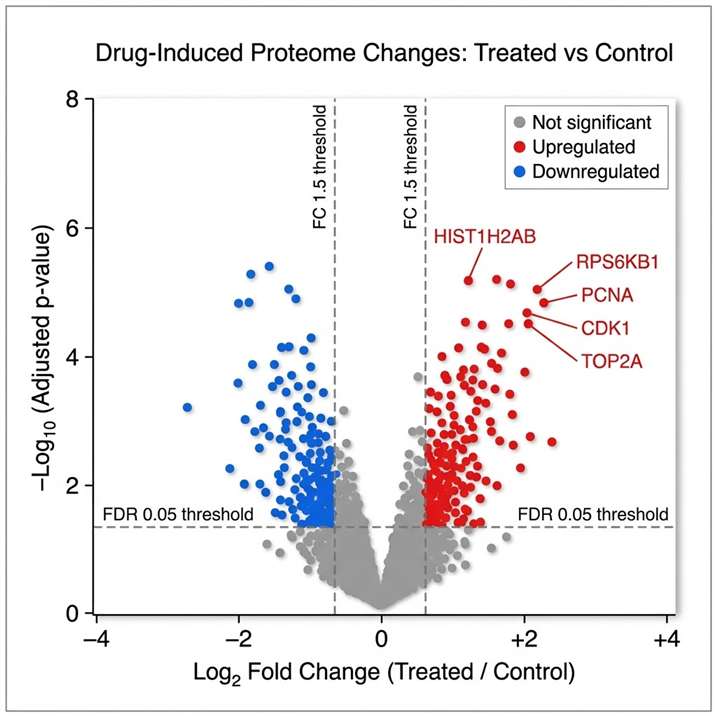
Volcano plot showing differentially expressed proteins in drug-treated vs control cells, with log2 fold change on X-axis and -log10 p-value on Y-axis, significant proteins highlighted in blue and red.

Volcano plot: drug-induced proteome changes

Differential protein expression between compound-treated and DMSO control cells, TMT-based quantification. Red: significantly upregulated (FC ≥ 1.5, FDR < 0.05); blue: significantly downregulated; grey: unchanged.

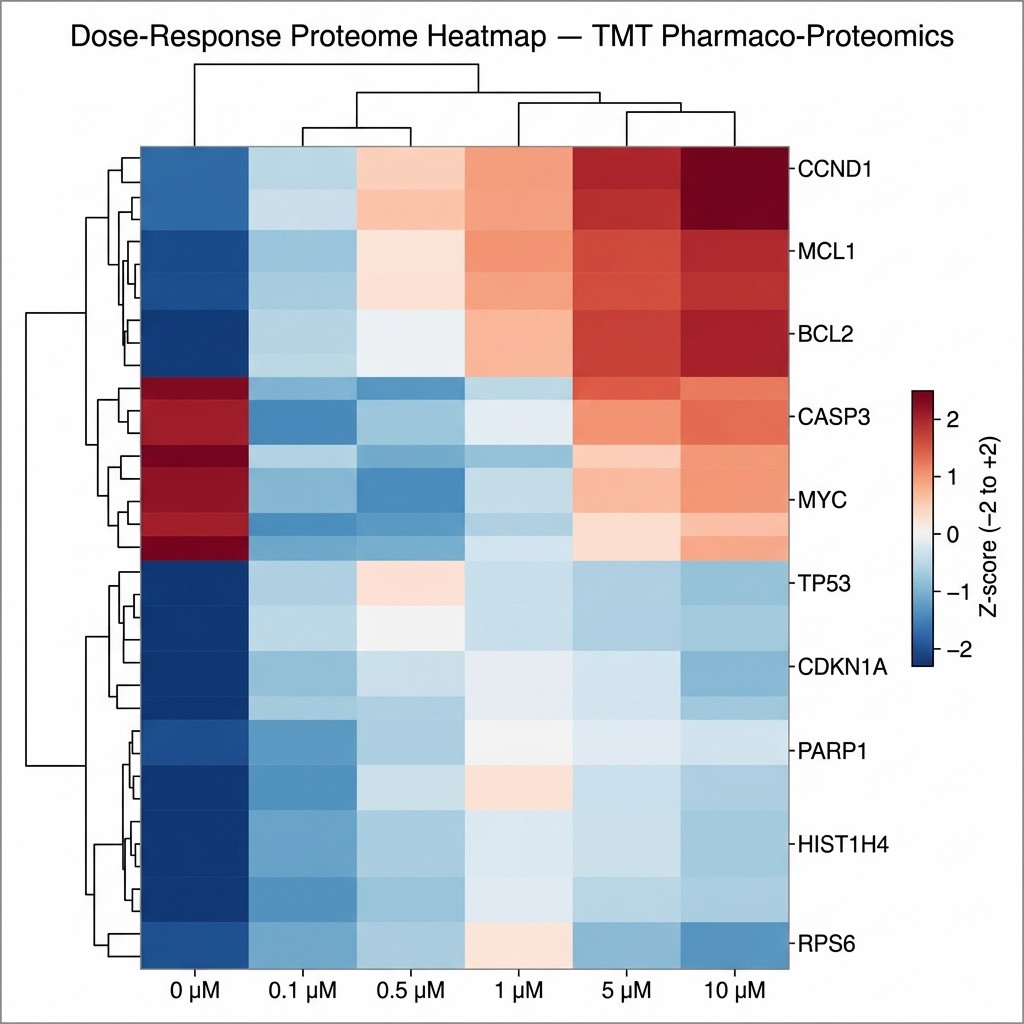
Heatmap of top differentially expressed proteins across six treatment groups (dose-response) in a drug response pharmaco-proteomics experiment, with hierarchical clustering dendrogram.

Hierarchical clustering heatmap: dose-response proteome

Top 50 differentially expressed proteins across six dose conditions (0, 0.1, 0.5, 1, 5, 10 µM), showing dose-dependent proteome remodelling and dose-correlated protein clusters.

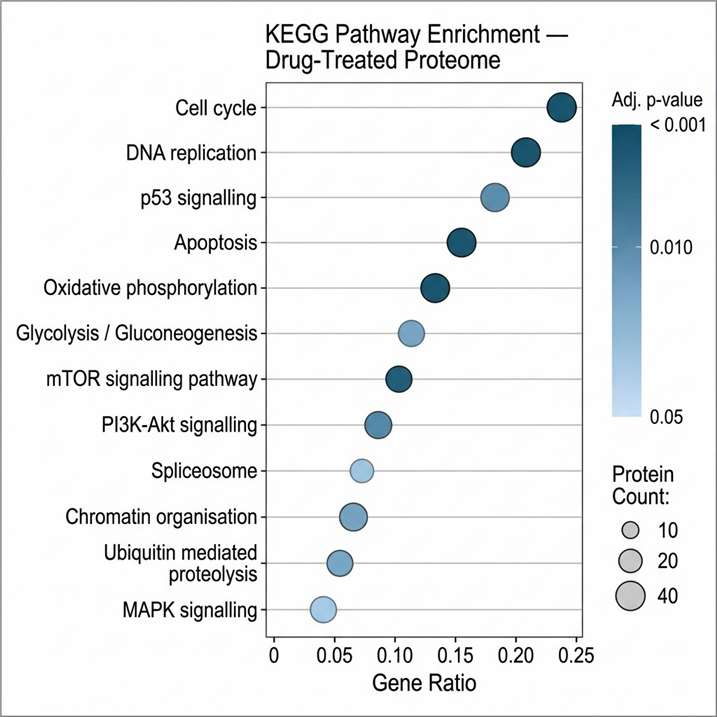
KEGG pathway enrichment dot plot showing enriched pathways in drug-treated samples, with dot size representing gene count and dot colour representing adjusted p-value significance.

KEGG pathway enrichment: mechanistic pathway output

Top enriched KEGG pathways from differentially expressed proteins in drug-treated samples. Dot size: protein count per pathway; colour gradient: enrichment significance (adjusted p-value). Drug-perturbed pathways prioritised for follow-up.

Case Study: TMT Pharmaco-Proteomics Reveals Drug MoA and Resistance Pathways in Lymphoma

García-Hernández N., Calzada F., Bautista E., et al. "Quantitative Proteomics and Molecular Mechanisms of Non-Hodgkin Lymphoma Mice Treated with Incomptine A, Part II." Pharmaceuticals 18(2):242 (2025). https://doi.org/10.3390/ph18020242

Background

Incomptine A (IA) is a sesquiterpene lactone with demonstrated cytotoxic activity against non-Hodgkin lymphoma (NHL) cell lines. Despite its anti-tumour activity, the protein-level mechanisms through which IA acts in vivo remained uncharacterised. The authors used Creative Proteomics' TMT-based LC-MS/MS quantitative proteomics service to profile drug-induced proteome changes in an NHL mouse model, aiming to define the mechanistic basis of IA's activity and identify priority targets for therapeutic development.

Methods

A Balb/c mouse model was established with U-937 NHL cells and treated with IA, methotrexate, or vehicle control. Axillary and inguinal lymph nodes were collected, and protein extracts were prepared for TMT-based LC-MS/MS quantitative proteomics. Proteins were identified and quantified using the Ultimate 3000 nano-UHPLC system coupled to a Q Exactive HF mass spectrometer. Bioinformatics analysis was performed through KEGG, Reactome, and Gene Ontology databases, followed by molecular docking of the 15 most highly deregulated proteins.

Results

A total of 2,717 proteins were quantified across axillary and inguinal lymph nodes. Of 412 differentially expressed proteins identified, 132 were overexpressed (fold change ≥ 1.5) and 117 were underexpressed (fold change ≤ 0.67) in IA-treated versus control animals. These protein changes were associated with 20 significantly enriched biological processes, including chromatin remodelling, transcription and translation regulation, metabolic and energetic processes, oxidative phosphorylation, glycolysis/gluconeogenesis, cell proliferation pathways, cytoskeletal organisation, and necroptotic cell death — providing a high-resolution mechanistic map of IA's pharmacological activity at the proteome level.

Conclusions

The TMT-based pharmaco-proteomics approach confirmed IA as a dose-dependent anticancer agent with a multi-target mechanism centred on histone and transcription factor modulation leading to necroptotic cell death. The data demonstrated that both drug identity and anatomical tissue location influence the proteomic drug response — a finding with direct implications for target engagement validation and biomarker selection in NHL drug development. The study exemplifies how quantitative pharmaco-proteomics translates compound activity into mechanistic evidence suitable for driving preclinical decision-making.

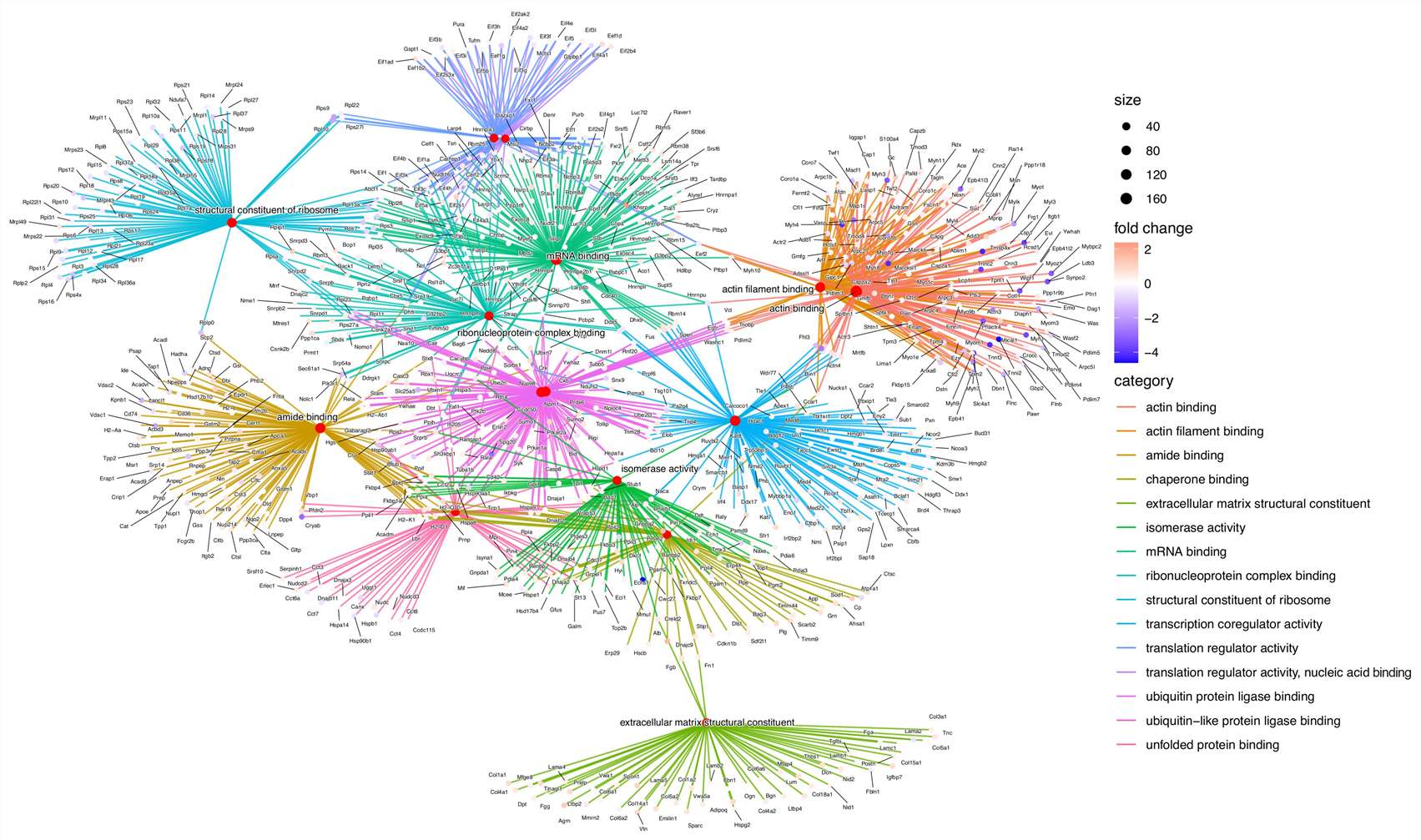
TMT pharmaco-proteomics case study figure from García-Hernández et al. 2025, Pharmaceuticals, showing differentially expressed proteins in NHL lymph node tissue from Incomptine A-treated mice.

Figure from García-Hernández et al. 2025 (Pharmaceuticals, DOI: 10.3390/ph18020242). TMT-based quantitative proteomics of lymph node tissue from NHL mouse model treated with Incomptine A.

FAQ

Frequently Asked Questions

Q: What is pharmaco-proteomics, and how does it differ from standard proteomics?

Pharmaco-proteomics is the application of quantitative, mass spectrometry-based proteomics specifically to drug or compound treatment experiments, with the goal of characterising how pharmacological intervention reshapes the cellular or tissue proteome. Standard discovery proteomics may profile proteins across disease states, developmental stages, or tissue types; pharmaco-proteomics focuses specifically on drug-treated versus control comparisons, with experimental design centred on treatment conditions, doses, time points, and drug mechanisms. The output — differential protein abundance tables mapped onto pathways — is interpreted directly in terms of drug mechanism, target engagement, or resistance biology rather than disease biology alone.

Q: Which quantification method should I choose for my drug experiment — TMT, LFQ, or DIA?

The choice depends primarily on your experimental design and sample type. TMT multiplexing is best when you have up to 18 well-defined conditions (dose series, time course, treated vs control) and want to minimise missing values and maximise statistical power in a single run. Label-free quantification (LFQ) suits larger cohorts, samples where labelling efficiency is uncertain (such as FFPE tissue or biofluids), or exploratory studies without fixed group numbers. DIA-MS is the preferred option when inter-run and inter-batch reproducibility is a priority — particularly for studies generating datasets intended for biomarker discovery or pharmacodynamic monitoring across many patients or timepoints. Our team will advise on the most appropriate strategy based on your sample number, experimental design, and scientific question.

Q: How many biological replicates do I need for a pharmaco-proteomics experiment?

We recommend a minimum of three biological replicates per treatment condition for cell-based studies; for in vivo models, at least six replicates per group provides adequate power for detecting biologically meaningful protein changes. Clinical or patient-derived samples typically require larger cohort sizes depending on the expected effect size and inter-patient variability. Under-replicated datasets limit the statistical confidence of differential expression results and pathway interpretation, so we advise consulting with our team early in study design to plan replicate numbers and group structure appropriately.

Q: Can you profile phosphorylation changes alongside total protein abundance in the same experiment?

Yes — combined total proteome and phosphoproteomics analysis is available as a paired workflow. After trypsin digestion, the peptide mixture is split: one aliquot proceeds to total proteome LC-MS/MS, while the other undergoes phosphopeptide enrichment (TiO2 or IMAC) before separate LC-MS/MS acquisition. This paired approach provides both the protein abundance landscape and signalling-level phosphorylation changes from the same biological samples, which is particularly informative for kinase inhibitor drug studies, where the primary pharmacological event (kinase inhibition) is captured at the phosphopeptide level while downstream consequences manifest in total protein abundance changes.

Q: What types of samples are compatible with your pharmaco-proteomics service?

Our pharmaco-proteomics service accepts a broad range of sample types, including cultured cell pellets (suspension and adherent, from as few as a few thousand cells for DIA trace proteomics), frozen tissue sections from animal or human drug studies, FFPE tissue blocks and slides, plasma and serum, culture supernatants (serum-free medium only for secretome studies), and purified proteins or protein complexes. For highly heterogeneous tumour drug studies or studies requiring per-cell resolution, our single-cell MS drug profiling service is available. For sample types not listed — such as primary patient cells, organoids, or xenograft material — please contact our technical team in advance to confirm preparation protocols and input quantity requirements before shipping.

Q: What bioinformatics analysis is included with the pharmaco-proteomics service?

Standard bioinformatics included with every pharmaco-proteomics project covers: differential expression analysis (volcano plots, hierarchical clustering heatmaps, PCA), pathway enrichment analysis using KEGG, Reactome, and Gene Ontology databases, protein–protein interaction network construction from differentially expressed proteins, and a written methods and results summary with biological interpretation. For phosphoproteomics datasets, kinase substrate enrichment analysis (KSEA) is also included. Extended bioinformatics — such as weighted gene co-expression network analysis (WGCNA), machine learning-based compound classification, or integration with published multi-omics datasets — can be discussed as project-specific add-ons.

References

  1. Poulos R.C., et al. Opportunities for pharmacoproteomics in biomarker discovery. PROTEOMICS. 2023;23(7–8):e2200031.
  2. Pejchinovski M., Magalhães P., Metzger J. Mass spectrometry-based proteomics in drug discovery and development. Front. Med. 2024;11:1448152.
  3. Zou M., Zhou H., Gu L., Zhang J., Fang L. Therapeutic target identification and drug discovery driven by chemical proteomics. Biology. 2024;13(8):555.
  4. García-Hernández N., Calzada F., Bautista E., et al. Quantitative proteomics and molecular mechanisms of non-Hodgkin lymphoma mice treated with Incomptine A, Part II. Pharmaceuticals. 2025;18(2):242.

Plan your pharmaco-proteomics study with the MassTarget™ team

Share your experimental design, sample type, and research question — our scientists will recommend the right quantification strategy, replicate plan, and bioinformatics scope for your drug discovery programme.

For Research Use Only (RUO). Not intended for diagnostic, therapeutic, or clinical decision-making purposes. Creative Proteomics services are designed to support preclinical research, drug discovery, and mechanism of action studies only.

Online Inquiry

Please submit a detailed description of your project. We will provide you with a customized project plan to meet your research requests. You can also send emails directly to for inquiries.

* Email
Phone
* Service & Products of Interest
Services Required and Project Description