Desorption Electrospray Ionization Mass Spectrometry Imaging (DESI-MSI) Service
Our DESI-MSI Service delivers high-resolution, label-free molecular imaging of tissues, biological samples, and other complex surfaces. We handle the full workflow—from sample preparation to data acquisition and analysis—so you receive spatially resolved molecular maps and actionable insights without dealing with raw mass spectrometry data. This service enables detailed exploration of metabolites, lipids, and small molecules directly from your samples. For tailored guidance or project planning, our team is ready to consult with you.
Submit Your Request Now
×
- What is
- Workflow
- Technical questions
- Applications
- Why choose
- FAQs
- Sample preparation
What is DESI-MSI
Desorption Electrospray Ionization Mass Spectrometry Imaging (DESI-MSI) is a powerful, label-free analytical technique that enables high-resolution, spatially resolved molecular imaging directly from the surface of samples. It combines the sensitivity of mass spectrometry with the spatial capabilities of imaging, allowing researchers to visualize the distribution of a wide range of compounds—such as metabolites, lipids, proteins, and drugs—across biological tissues, environmental samples, and more. Unlike traditional methods that require sample labeling or preparation, DESI-MSI provides a fast and minimally destructive analysis, preserving the integrity of the sample. This innovative technology is widely used in various fields, including tissue pathology, drug distribution studies, metabolomics, and environmental testing, offering valuable insights into molecular composition and distribution without the need for complex sample manipulation.

Workflow of DESI-MSI

Technical Specifications
| Feature | Specification |
|---|---|
| Spatial Resolution | Customizable from 20 µm to 200 µm |
| Mass Range | m/z 50 – 4,000 (Optimized for small molecules & lipids) |
| Ionization Mode | Positive & Negative polarity available |
| Throughput | High-speed scanning allows for large tissue sections or cohort studies |
| File Formats | .imzML (open standard), .raw, and proprietary vendor formats |
Applications
Our DESI-MSI Service is ideal for research in the following areas:
- Tissue Imaging: Visualize the distribution of metabolites, lipids, proteins, and drugs in tissue sections to understand biological processes or disease mechanisms.
- Drug Development & Pharmacokinetics: Study the distribution of pharmaceuticals and their metabolites in tissues to support drug development and safety studies.
- Metabolomics & Lipidomics: Analyze the spatial distribution of metabolites and lipids directly from biological surfaces to gain insights into metabolic pathways and disease states.
- Forensic Analysis: Analyze forensic samples to detect illicit substances or biomarkers of interest.
- Food & Environmental Testing: Investigate contaminants, additives, and nutrients within food and environmental samples.
Why Choose Our DESI-MSI Service?
We combine state-of-the-art instrumentation with expert data analysis to deliver results that drive discovery.
- Matrix-Free Analysis: Eliminate ion suppression and spectral interference caused by matrices. Ideal for small molecule and lipid imaging.
- Minimal Sample Prep: No labeling, no staining, and no matrix coating required. We can often image fresh-frozen or specialized tissue sections directly.
- High Sensitivity: Detect low-abundance metabolites, drugs, and lipids that other techniques miss.
- Non-Destructive Workflow: Because DESI is a "soft" ionization technique, samples often remain intact enough for subsequent histological staining (H&E) or immunohistochemistry.
- Comprehensive Data Processing: We don't just send you raw files. We provide heatmaps, spectral analysis, and segmentation data.
Demo Report
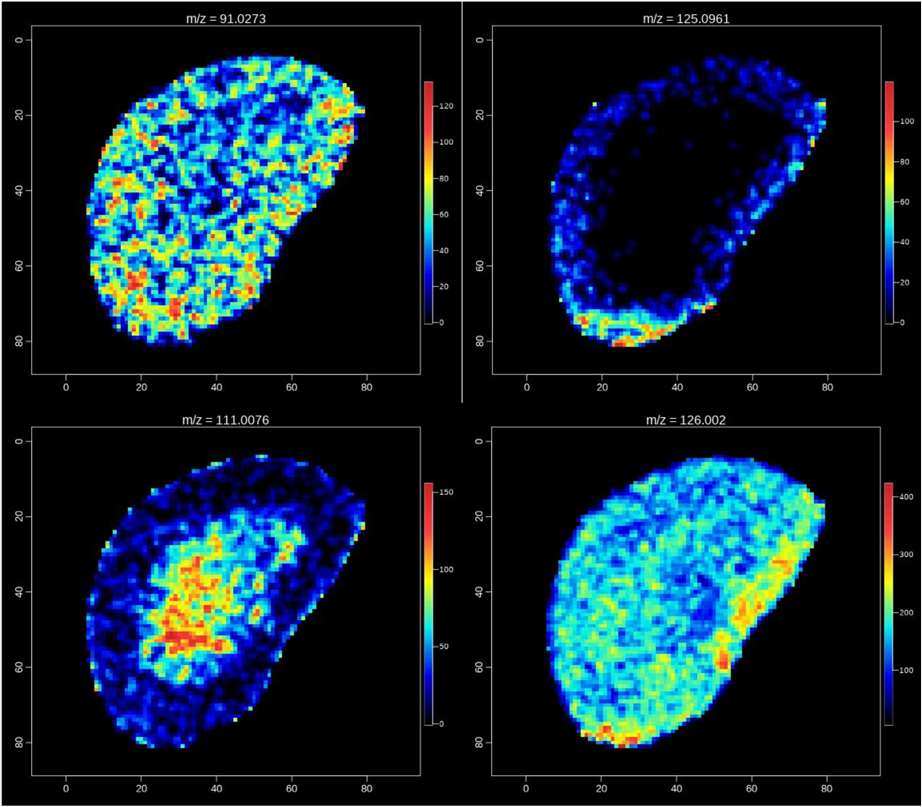
Fiugre 1. Representative DESI-MSI images showing the spatial distribution of several metabolites in negative ion mode across the tissue section.
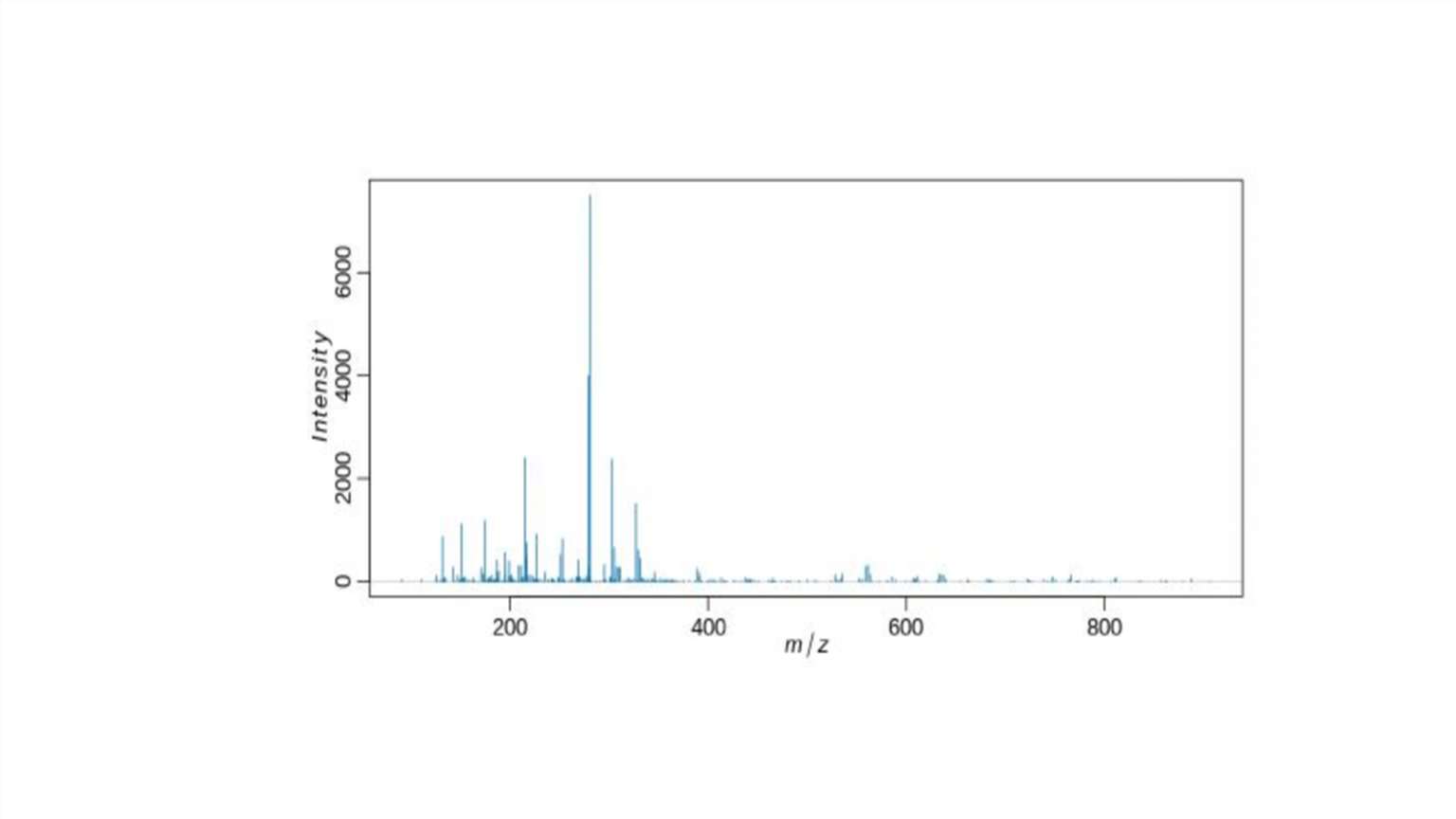
Figure2. Representative mass spectra of metabolites detected in negative ion mode, illustrating molecular profiles across the tissue.
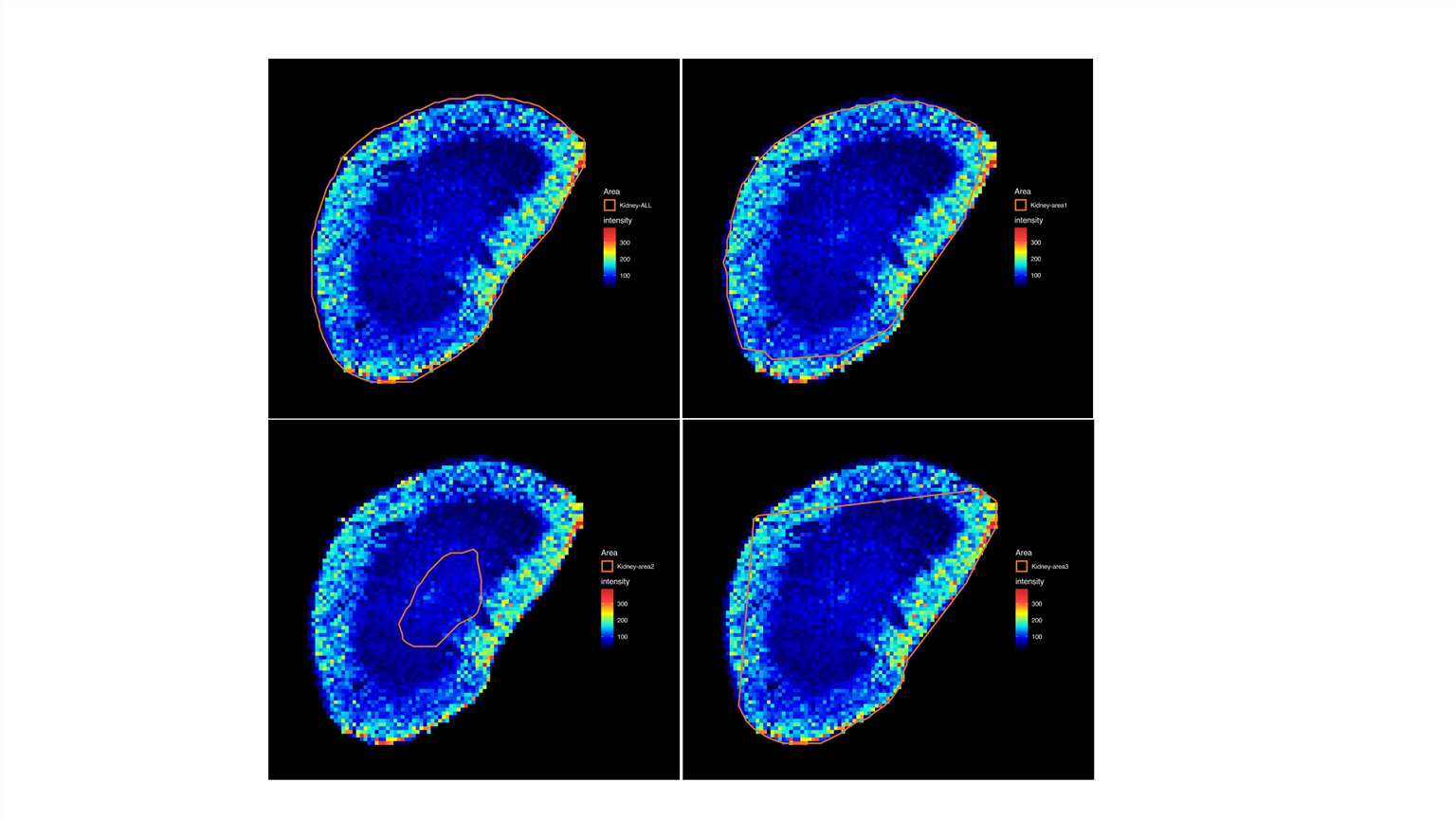
Figure3. Representative DESI-MSI imaging in negative ion mode. Regions of interest (ROI) are indicated, illustrating the ability to capture localized metabolic profiles.
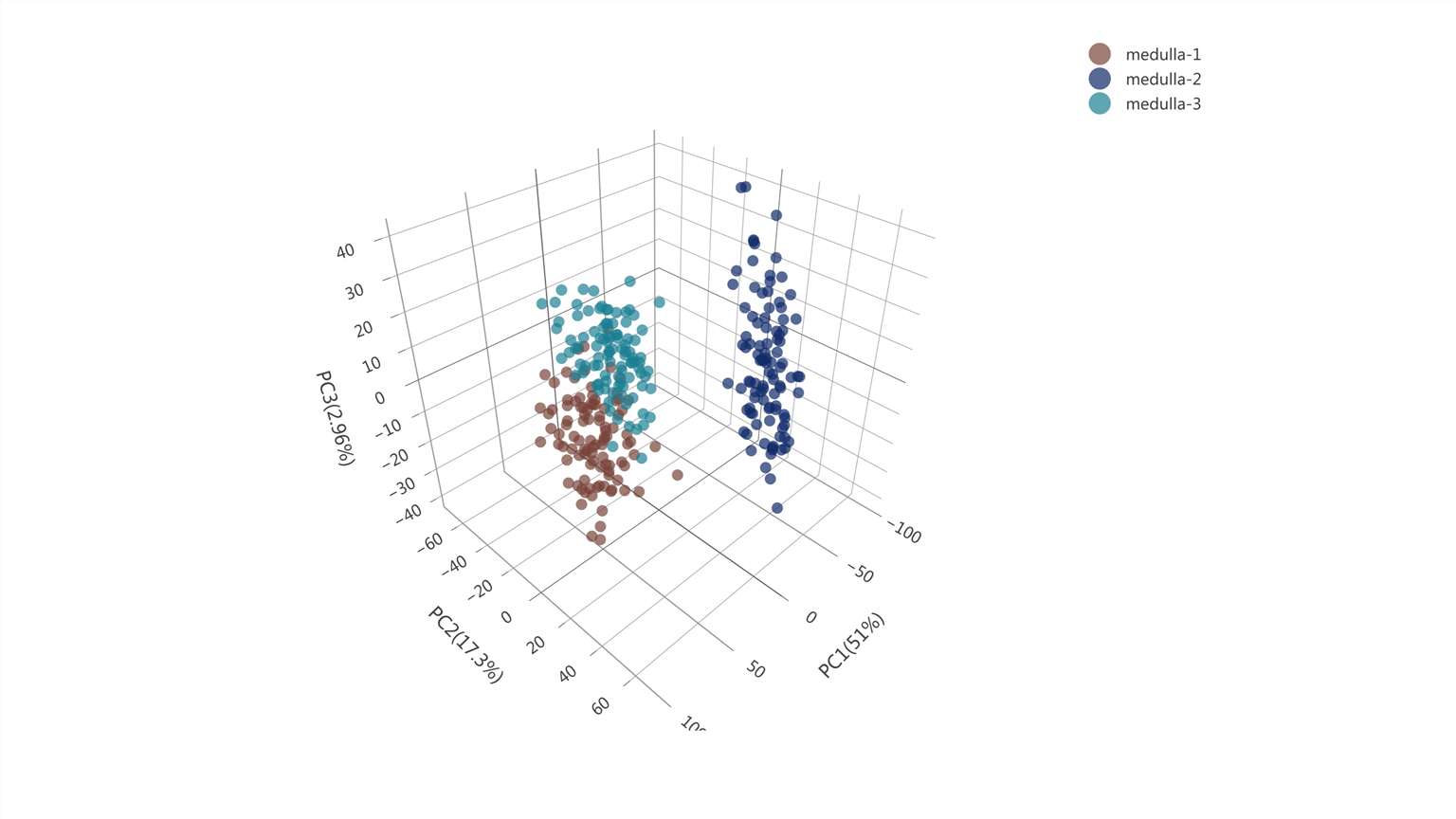
Figure4. 3D PLS-DA score plot showing separation of sample groups.
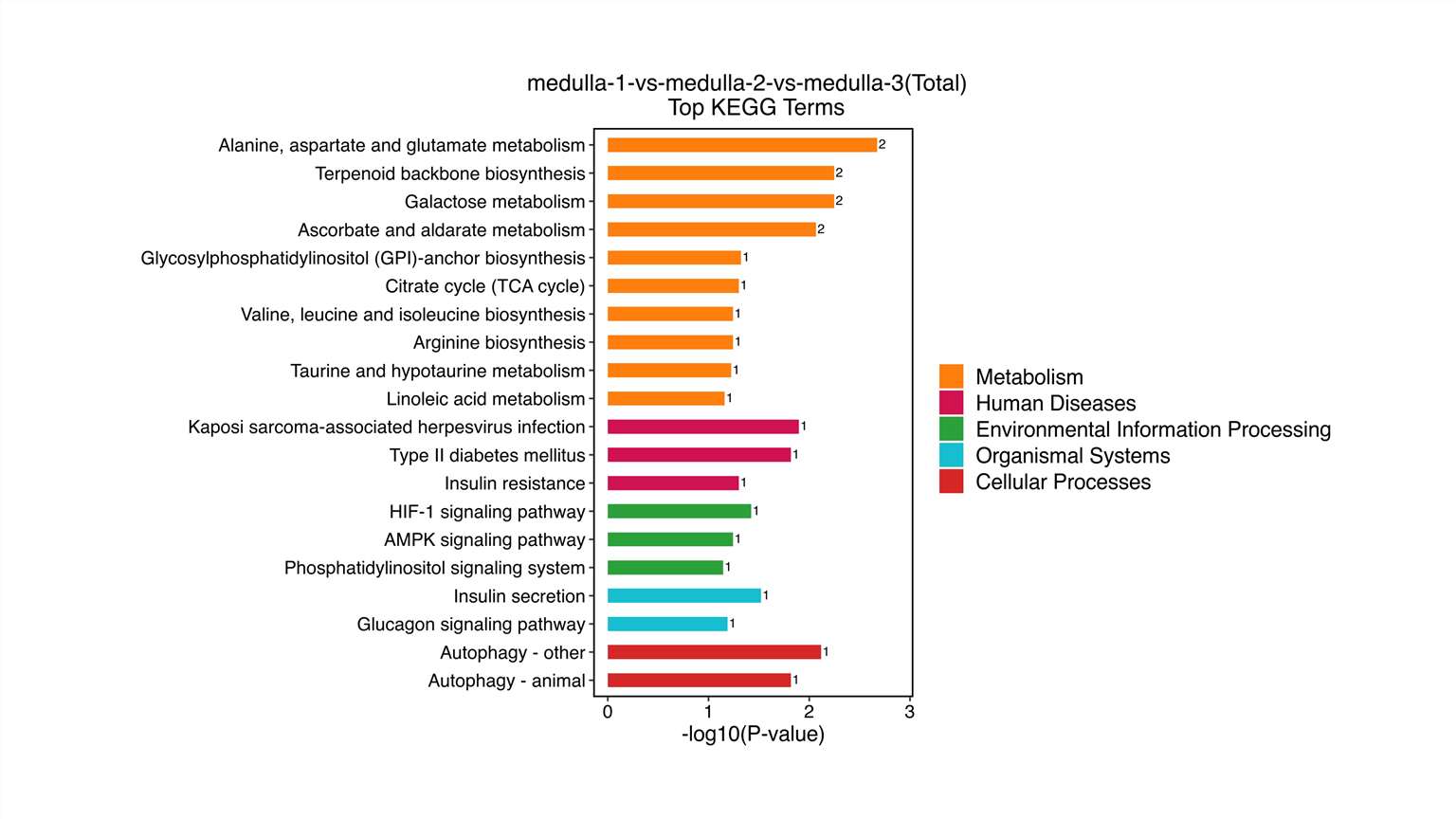
Figure5. KEGG pathway enrichment analysis of differential metabolites.
FAQs
What is the spatial resolution of your DESI service?
We typically offer spatial resolutions ranging from 20 µm to 200 µm. The optimal resolution depends on your specific tissue type and the abundance of the target molecule. For most pharmaceutical and tissue profiling applications, 50–100 µm is the standard balance between sensitivity and acquisition speed.
Can DESI-MSI detect large proteins?
DESI is most effective for small molecules (2,000 Da), such as lipids, metabolites, and drug compounds. While it is possible to detect some small peptides or proteins with multiple charges, MALDI-MSI is generally the superior choice for mapping large proteins or intact polymers.
Is the technique destructive? Can I stain the slide afterward?
DESI is considered a "soft" and minimally destructive technique. While the solvent spray extracts surface molecules, the tissue structure remains largely intact. We can often perform H&E staining or immunohistochemistry (IHC) on the same slide after imaging, allowing you to overlay molecular data with histological features perfectly.
Learn about other Q&A.
Sample Preparation Guidelines
To ensure high-quality molecular imaging, please follow these guidelines for your specific sample format. We accept both fresh frozen tissue blocks and pre-cut tissue sections.
| Sample Format | Requirement | Technical Reason & Notes |
|---|---|---|
| Option 1: Fresh Frozen Blocks | Snap-Freeze Immediately | Tissues must be frozen in liquid nitrogen or isopentane immediately after harvest to preserve metabolic integrity. |
| Embedding Media | If embedding is required, use CMC or Gelatin. Avoid OCT if possible, as it can interfere with ionization at the block edges. | |
| Option 2: Pre-Cut Sections | Slide Type | Mount on standard glass slides (e.g., Superfrost Plus). Unlike MALDI, DESI does not strictly require conductive ITO slides. |
| Thickness | Recommended section thickness is 10–15 µm for optimal desorption. | |
| No Fixation | Do not fix with formalin or paraformaldehyde. DESI requires fresh, untreated surfaces for ambient ionization. | |
| General Requirements | Storage | Store samples strictly at -80°C to prevent lipid degradation or delocalization. |
| Shipping | Ship on ample Dry Ice. Samples must never thaw during transit. |
Prior to project initiation, a consultation will be conducted to discuss sample preparation and experimental requirements to ensure a smooth workflow.