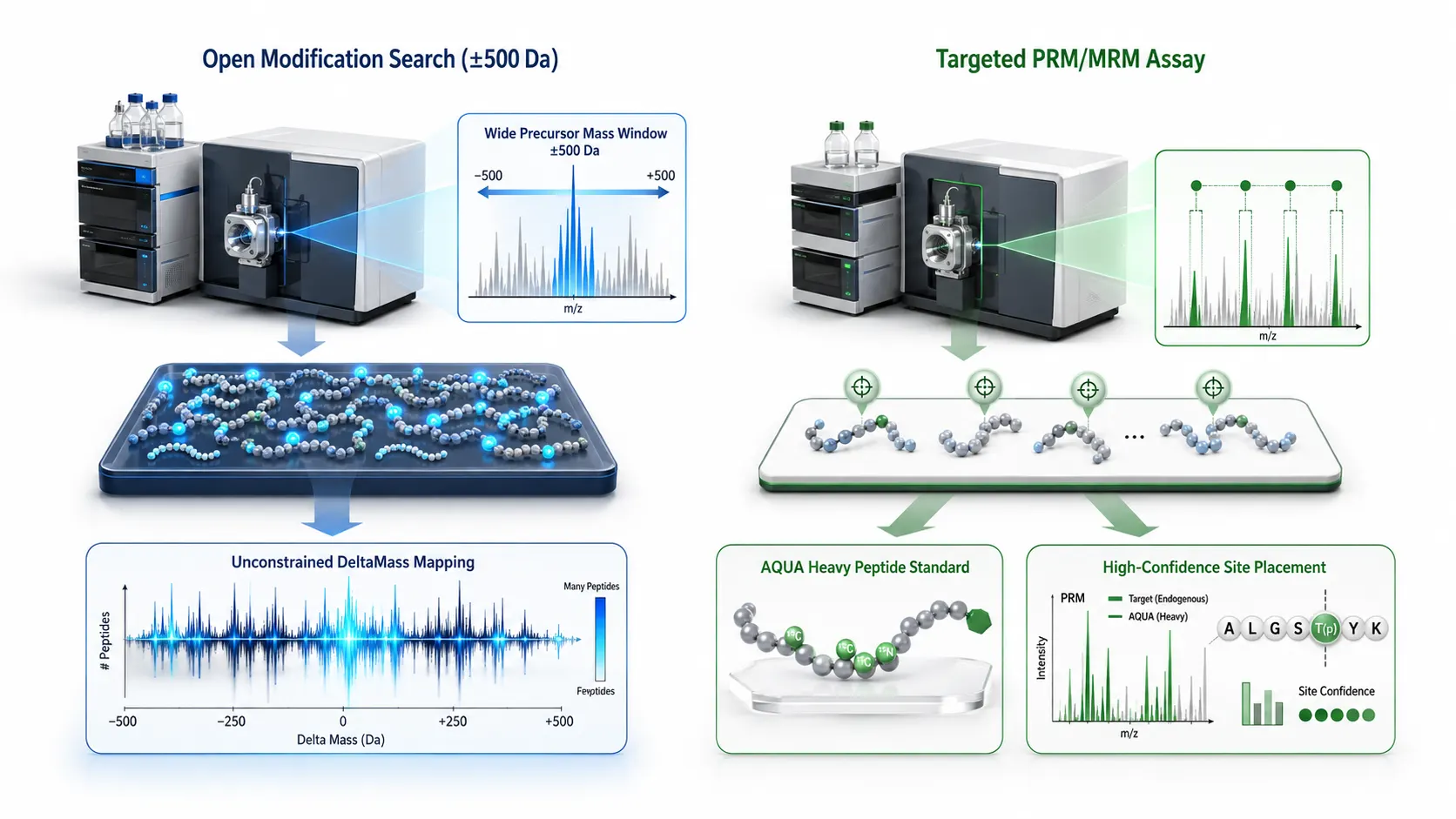
 Figure 1: Conceptual Landscape of Open Modification Search versus Targeted PTM Analysis
Introduction: The Fundamental Dilemma in PTM Characterization
The Trade-Off: Discovery Breadth vs. Site-Level Confidence
Post-translational modifications (PTMs) dynamically regulate protein function, subcellular localization, protein-protein interactions, and degradation. In mass spectrometry-based bottom-up proteomics, researchers frequently face a challenging analytical dilemma: whether to execute an unconstrained Open Modification Search (OMS) to discover novel, unexpected, or stress-induced mass shifts across the entire proteome, or to perform a Targeted (Closed) PTM Analysis focused tightly on known, predefined modifications.
When exploring unknown stress responses, chemical adducts, or sample preparation artifacts, discovery breadth is essential. However, unconstrained search algorithms significantly expand the search space, creating statistical challenges for False Discovery Rate (FDR) control and site localization scoring. Conversely, targeted PTM workflows achieve high site-level confidence and precise quantification, but they remain strictly blind to unconfigured modifications, potentially overlooking critical biological "dark matter."
The Search Space Bottleneck in Mass Spectrometry Proteomics
In classical tandem mass spectrometry (MS/MS) database searching, the search engine compares experimental precursor mass (MS1) and fragment ion spectra (MS2) against in silico theoretical peptide digests.
In a Closed/Targeted Search (CS), the user specifies a narrow precursor mass window (typically ±10 ppm or ±0.02 Da) and a small set of fixed and variable modifications (e.g., carbamidomethylation on Cys, oxidation on Met, phosphorylation on Ser/Thr/Tyr). When searching for multiple PTMs simultaneously, every added variable modification increases the number of theoretical peptidoforms exponentially (2N × M candidates). This combinatorial explosion drastically inflates search space, increases computation time, and degrades identification sensitivity. Comprehensive Protein Identification Services help establish optimal precursor tolerances before launching database searches.
In an Open Modification Search (OMS), the precursor mass tolerance is expanded dramatically (typically ±500 Da or wider). The search engine first identifies candidate unmodified peptide backbones or shifts precursor masses to scan for all delta-mass (Δm) values. By decoupling peptide backbone identification from modification identification, OMS eliminates combinatorial explosion while surveying all possible mass deltas across the proteome.
Positioning OMS as Hypothesis Generation, Not Automated Confirmation
A critical quality control pitfall in proteomics data processing is treating an Open Modification Search output as a definitive, automated confirmation of novel PTMs. An open search produces a delta-mass value (Δm) for a given peptide-spectrum match (PSM); however, Δm alone does not establish chemical identity, linkage stereochemistry, or biological validity.
Open Modification Search must be understood as an unbiased hypothesis generation engine. Translating an open search Δm hit into a verified PTM requires a structured validation pipeline: Unimod chemical annotation, 2D FDR filtering, algorithmic site localization scoring, and targeted PRM/MRM LC-MS/MS or synthetic heavy peptide confirmation.
Partnering with experienced High-Resolution PTMs Profiling Services and Bioinformatics for Proteomics Services providers ensures that open modification discovery workflows are properly paired with rigorous statistical error control and site localization validation.
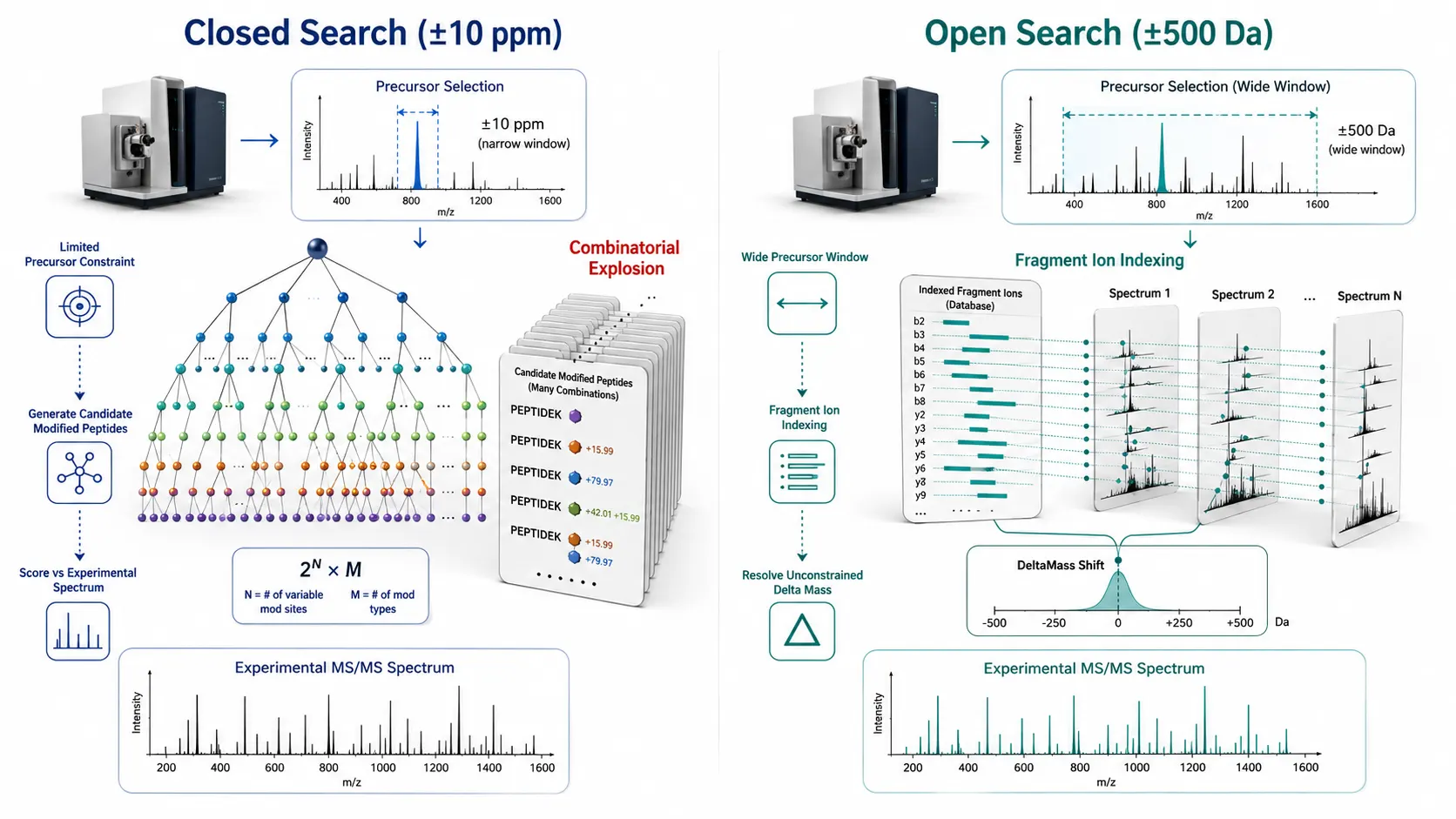 Figure 2: Combinatorial Search Space Expansion and Precursor Window Mechanics
Architectural Comparison: Search Space, FDR Control, and Mass-Shift Interpretation
Algorithmic Architecture: MSFragger vs. Open-pFind vs. TagGraph
Open modification search engines achieve ultrafast processing through distinct algorithmic architectures:
- MSFragger (Fragment Ion Indexing): Constructs an inverted index of all theoretical peptide b and y fragment ions. By matching experimental MS2 fragment peaks directly against the fragment index, MSFragger computes DeltaMass (Δm) values across ±500 Da windows in seconds per file without searching every theoretical peptidoform combination.
- Open-pFind (Sequence Tag and Open Search): Combines sequence tag extraction with open modification searching. Open-pFind utilizes an ultra-fast tag-based pre-screening step followed by open database matching, demonstrating high sensitivity for low-abundance modified peptidoforms.
- TagGraph (De Novo Sequence Tag Graph Matching): Uses de novo sequencing to generate candidate peptide tags, which are then mapped onto a proteome graph to identify modified peptides carrying multiple co-occurring PTMs or unannotated amino acid variants.
Combinatorial Search Space Expansion in Closed/Targeted Searches
To understand why open modification algorithms were developed, consider the mathematical mechanics of classical closed search engines (Sequest, Mascot, MaxQuant, X! Tandem):
- Exponential Peptidoform Expansion: For a peptide containing K modifiable residues, configuring V variable modification types expands the candidate search space by (V + 1)K. Setting 5 or 6 variable modifications across a human proteome digest increases the candidate database size by several orders of magnitude.
- Score Distribution Degradation: As the candidate search space expands, the likelihood of a random decoy peptide scoring as high as a true target match increases. This causes the score distributions of correct and incorrect matches to overlap significantly, decreasing the number of accepted target PSMs at a strict 1% FDR threshold.
- The Blind-Spot Constraint: Closed search engines are completely blind to any modification not explicitly configured beforehand. If a sample contains unexpected formylation (+27.995 Da), ethylation (+28.031 Da), or over-carbamidomethylation (+114.043 Da), those modified spectra remain unidentified or misassigned.
Open Modification Search (OMS) Mechanics and Unconstrained DeltaMass Mapping
Modern open modification search algorithms—including MSFragger, Open-pFind, TagGraph, SpecOMS, and IdentiPy—solve the search space problem through innovative indexing and spectrum alignment strategies:
- Fragment Ion Indexing: Algorithms build inverted fragment ion indexes of the protein database. By matching experimental MS2 fragment peaks against indexed theoretical b and y ions, OMS engines identify candidate peptide backbones in milliseconds, regardless of the precursor Δm.
- Unconstrained DeltaMass (Δm) Calculation: The mass difference between the observed precursor m/z and the calculated theoretical mass of the matched peptide backbone is designated as Δm = Massobserved - Masstheoretical.
- Mass Shift Ranges: OMS tools routinely search precursor tolerances of ±500 Da, encompassing small chemical adducts (+14 Da, +16 Da, +42 Da, +80 Da), amino acid substitutions, large lipid or glycan adducts, and cross-linking fragments.
The False Discovery Rate (FDR) Trap in Open Modification Searches
While OMS identifies significantly more modified spectra, it introduces a severe statistical challenge known as the "FDR Trap":
- Global vs. Local FDR Discrepancy: Standard Target-Decoy Approaches (TDA) calculate a global FDR across all accepted PSMs (e.g., target-decoy ratio < 1%). However, in an open search, high-abundance, high-scoring modifications (such as oxidation at +15.995 Da or phosphorylation at +79.966 Da) dominate the target count, masking high false discovery rates in rare or noisy Δm bins.
- The Noise in Rare DeltaMass Bins: A rare Δm bin (e.g., +137.02 Da) containing 10 target hits and 8 decoy hits has an actual local FDR of 80%, even if the global dataset FDR is reported as 0.8%.
- Transferred and 2D FDR Strategies: To prevent false positive reporting, modern workflows apply 2D FDR or separate FDR filtering per Δm bin. A transferred FDR or local posterior error probability (PEP) cutoff ensures that every individual Δm category meets the strict 1% FDR requirement.
Deciphering DeltaMass: Biological PTMs vs. Chemical Artifacts vs. SAAVs
A major challenge in open modification search is accurately annotating the chemical cause of a detected Δm shift. Observed mass deltas fall into three distinct categories:
- Biological PTMs: Enzymatic modifications regulating cellular pathways, such as Phosphorylation (+79.966 Da on Ser/Thr/Tyr), Acetylation (+42.011 Da on Lys/N-term), Methylation (+14.016 Da, +28.031 Da, +42.047 Da on Lys/Arg), Ubiquitination remnant (GlyGly, +114.043 Da on Lys), and S-Nitrosylation (+28.990 Da on Cys). For targeted mapping of redox-sensitive cysteine modifications, researchers utilize specialized Accurate S-Nitrosylation Site Mapping Service and Protein Lipidation Analysis Service.
- Sample Preparation & Storage Artifacts: Non-biological chemical modifications introduced during cell lysis, alkylation, digestion, or storage:
- Methionine/Tryptophan Oxidation: +15.995 Da, +31.990 Da
- Asparagine/Glutamine Deamidation: +0.984 Da (often co-eluting with 13C isotopic peaks)
- N-terminal Pyro-Glutamate Formation: -17.027 Da (from Gln) or -18.011 Da (from Glu)
- Over-Carbamidomethylation / Dicarboxymethylation: +114.043 Da / +58.005 Da on Lys, His, or Cys
- Formylation: +27.995 Da (from formic acid in mobile phases)
- Single Amino Acid Variants (SAAVs): Amino acid substitutions caused by genomic mutations or mistranslation (e.g., Asp → Glu +14.016 Da; Val → Leu/Ile +14.016 Da; Gly → Ala +14.016 Da).
Systematically cross-referencing open search Δm values against curated databases like Unimod and dbPTM allows researchers to filter out chemical noise and isolate true biological events.
Deamidation and Isotopic Envelope Artifacts in OMS
A frequent source of false positive PTM assignments in open modification search is the misassignment of 13C monoisotopic peak errors:
- Deamidation (+0.984 Da) vs. 13C Isotopic Shift (+1.003 Da): Deamidation of Asparagine or Glutamine increases peptide mass by +0.984 Da. In high-density Orbitrap MS1 scans, if the monoisotopic peak picker incorrectly selects the first 13C isotope peak instead of the 12C monoisotopic peak, an artificial +1.003 Da shift is recorded.
- Resolving Isotopic Peak Picker Errors: High-resolution MS1 data (resolving power R > 60,000 at m/z 200) easily separates a true deamidation mass shift (+0.98401 Da) from a 13C precursor misassignment (+1.00335 Da), eliminating false deamidation assignments during data reanalysis.
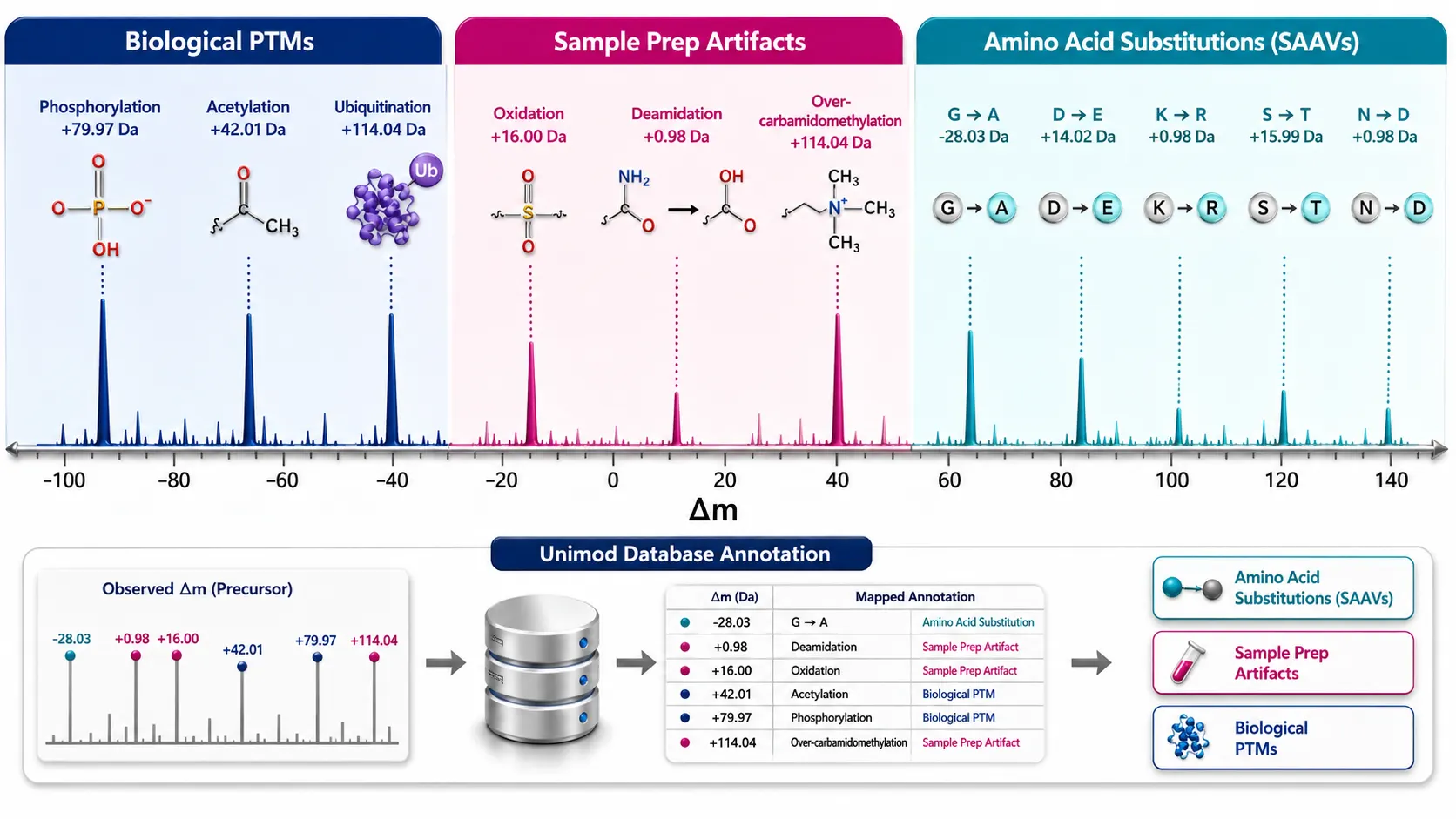 Figure 3: DeltaMass Classification: Biological PTMs, Chemical Artifacts, and Amino Acid Substitutions
Site Localization Algorithms and Placement Confidence
The DeltaMass Placement Challenge on Peptide Backbones
Identifying that a peptide carries a Δm of +79.966 Da is only the first step. To establish biological mechanism or regulatory function, the modification must be placed onto a specific amino acid residue.
In a long peptide containing multiple candidate residues (e.g., a peptide containing three Serines, two Threonines, and one Tyrosine), the Δm value alone cannot reveal which specific site is phosphorylated. Mislocalizing a PTM can completely distort pathway mapping, signaling cascade modeling, and functional validation.
PTM Localization Scoring: A-Score, PTM-Score, Luciphor, and phosphoRS
To determine site localization probability, specialized probabilistic localization algorithms evaluate the presence and intensity of site-determining fragment ions (b and y ions for CID/HCD, or c and z• ions for ETD/EThcD):
- A-Score Algorithm: Calculates the probability of site localization by comparing the number of matched site-determining fragment ions against a binomial distribution. An A-Score > 19 corresponds to a 99% localization confidence level (p < 0.01).
- PTM-Score (MaxQuant / Andromeda): Computes posterior probabilities for all potential modification sites on a peptidoform based on fragment ion intensities. A site localization probability P > 0.75 (or P > 0.99 for high-stringency studies) is required for confident site assignment.
- Luciphor & phosphoRS: Probabilistic scoring tools that calculate site-level False Localization Rates (FLR) across target and decoy modified spectra, ensuring that site placement error is strictly controlled independently of PSM-level FDR.
Integrating Phosphoproteomics Service and dedicated Phosphorylation Site Identification Service workflows ensures that site localization probabilities are rigorously calculated using automated A-score or phosphoRS algorithms before candidate PTM sites are selected for downstream functional testing.
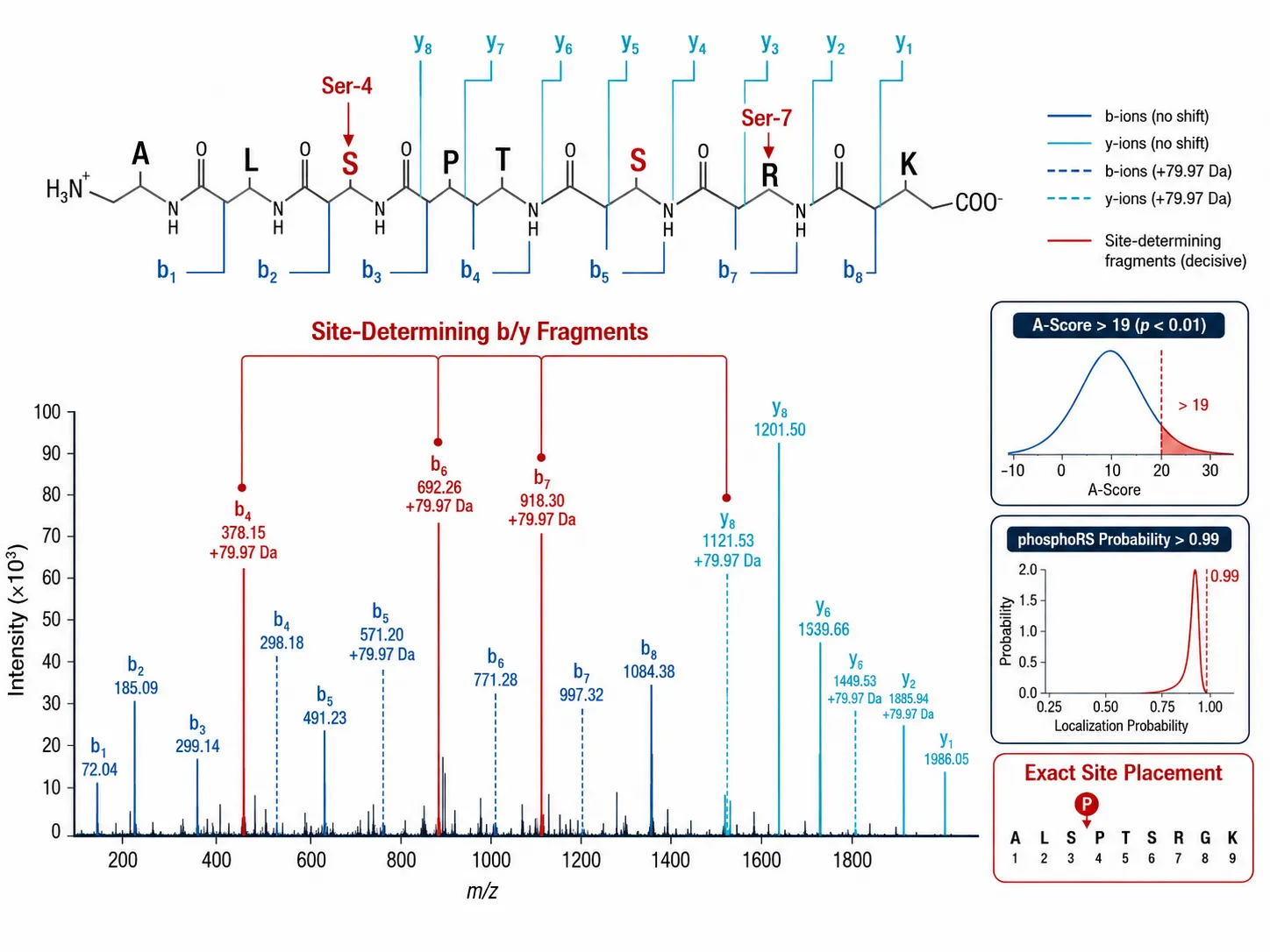 Figure 4: Site Localization Scoring and Diagnostic Fragment Ion Distribution
From Discovery to Confirmation: Targeted PTM Quantification and Orthogonal Validation
Transitioning from Discovery (OMS) to Targeted PRM/MRM Quantification
Once an open modification search identifies candidate PTMs and site localization algorithms confirm site placement, the workflow transitions from unbiased discovery to high-precision targeted quantification:
- Parallel Reaction Monitoring (PRM): Utilizes high-resolution hybrid instruments (Orbitrap or Q-ToF) to isolate candidate modified precursor ions in Q1 and acquire full MS2 fragment ion spectra. PRM provides exquisite selectivity, eliminating co-eluting isobaric matrix interferences.
- Multiple Reaction Monitoring (MRM / SRM): Utilizes triple quadrupole mass spectrometers to monitor specific precursor-to-fragment transitions. MRM achieves maximum quantitative dynamic range (105–106) and reproducible quantification across large sample cohorts. Leveraging Precision Quantitative Proteomics Services enables robust targeted validation across complex clinical cohorts.
- Isotopically Labeled AQUA Heavy Peptide Standards: Synthetic peptides carrying heavy stable isotopes (e.g., 13C6, 15N4-Arginine or 13C6, 15N2-Lysine) matching the exact PTM sequence are spiked into samples as internal standards. Heavy/Light isotope ratios enable absolute molar quantification of modified versus unmodified peptidoforms.
Orthogonal Chemical and Immunological Validation
To achieve complete regulatory and biological confidence, MS-derived PTM assignments must be corroborated by orthogonal non-MS assays:
- Site-Directed Mutagenesis: Mutating the candidate modification site (e.g., Ser → Ala or Lys → Arg) and evaluating the loss of mass shift or loss of antibody binding verifies that the modification occurs exclusively at the predicted residue.
- Immunoaffinity Enrichment & Western Blotting: Utilizing motif-specific antibodies (such as anti-phospho-Tyr, anti-acetyl-Lys, or anti-ubiquitin remnant antibodies) confirms the presence and dynamic regulation of the target modification across experimental conditions. Pairing immunoaffinity purifications with Affinity Purification Mass Spectrometry (AP-MS) Service verifies multi-protein signaling complexes.
- Chemical Selective Derivatization: Reversibly labeling or blocking specific PTMs (e.g., biotin-switch technique for S-nitrosylation or dithiothreitol reduction for reversible cysteine oxidation) provides secondary chemical proof of modification state.
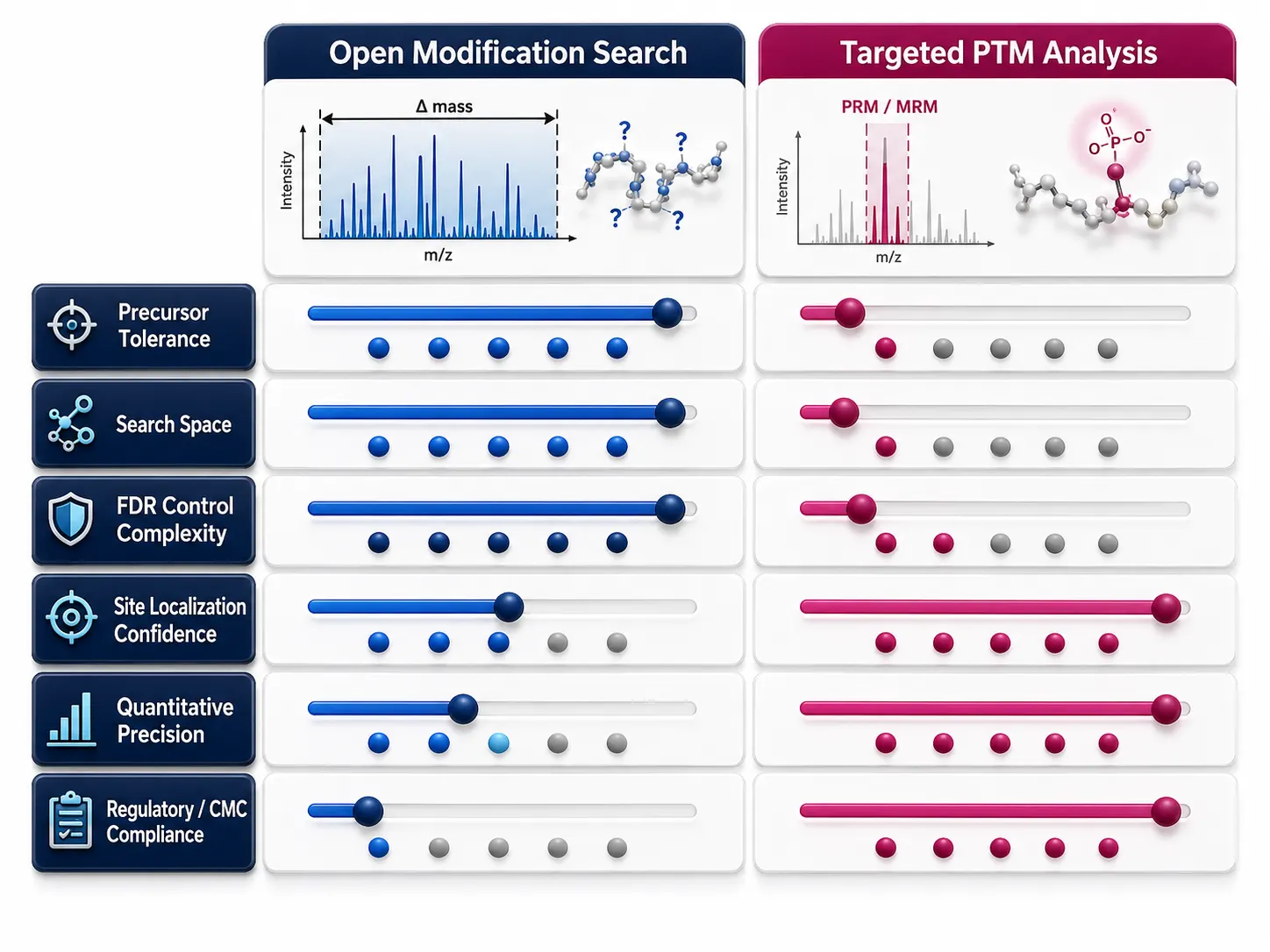 Figure 5: Decision Matrix for Choosing Discovery Breadth vs. Targeted Site Confidence
Decision Matrix: Selecting Open Search vs Targeted PTM Analysis
| Analytical Dimension | Open Modification Search (OMS) | Targeted / Closed PTM Analysis (CS) |
|---|---|---|
| Primary Objective | Unbiased discovery of unknown PTMs & artifacts | High-confidence, precise quantification of known PTMs |
| Precursor Mass Tolerance | Wide (typically ±500 Da or wider) | Narrow (typically ±10 ppm / ±0.02 Da) |
| Configured Variable PTMs | Unconstrained (scans all Δm values) | Constrained (strictly limited to 2–4 set PTMs) |
| Search Space & Speed | Decoupled backbone search (fast, seconds/run) | Exponential expansion (slow if >4 PTMs set) |
| Blind-Spot Risk | Zero (detects unexpected chemical adducts) | High (completely blind to unconfigured PTMs) |
| FDR Control Complexity | High (requires 2D / DeltaMass-specific FDR) | Standard (global Target-Decoy 1% PSM FDR) |
| Site Localization Confidence | Variable (requires post-hoc A-Score / PTM-Score) | High (direct fragment ion localization) |
| Quantitative Precision | Semi-quantitative (peak area / spectral count) | High (absolute quantitation via AQUA PRM/MRM) |
| Regulatory & CMC Fit | Hypothesis generation / discovery screening | Release testing, QC, & regulatory filings |
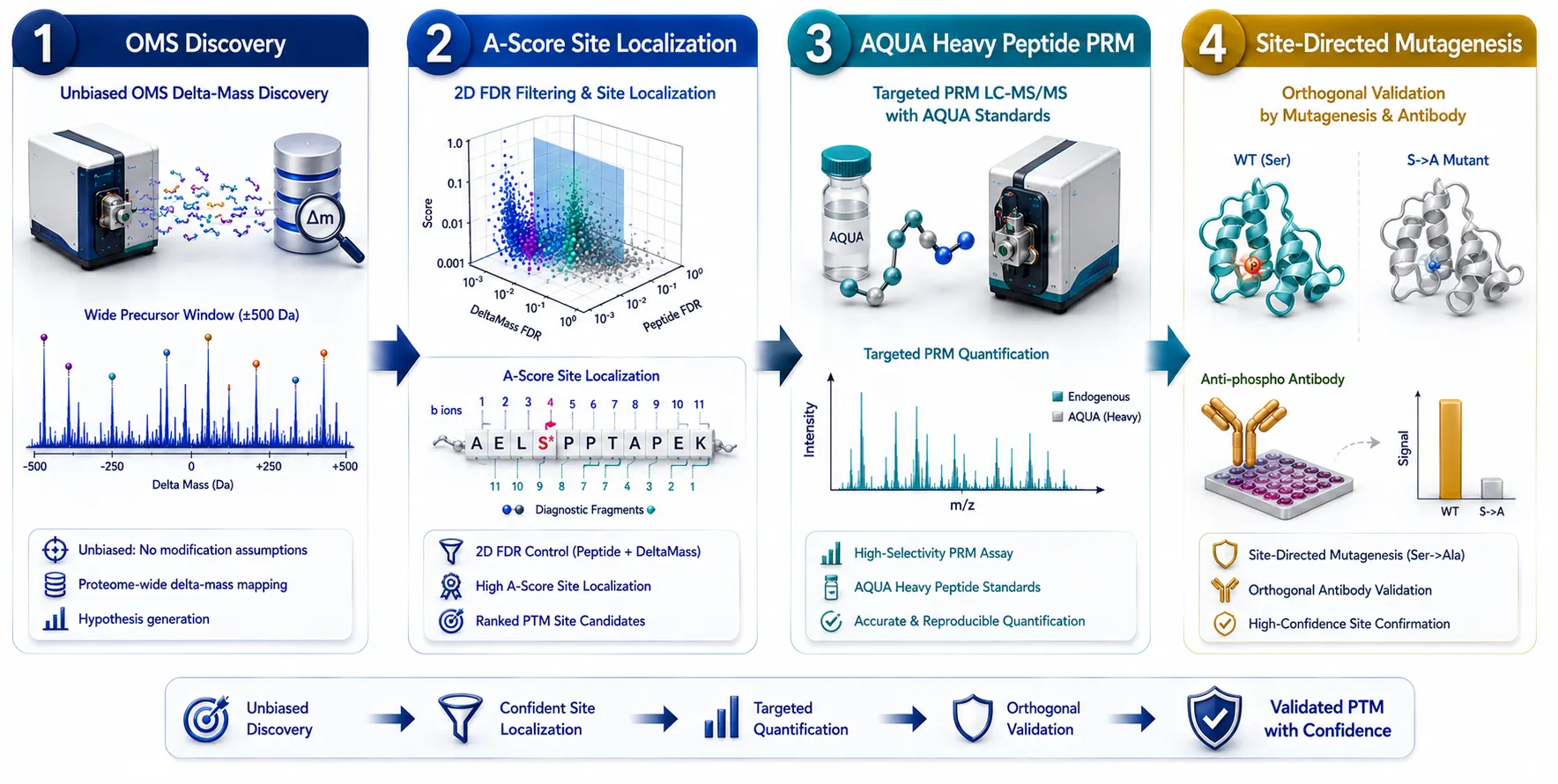 Figure 6: Orthogonal Validation Pipeline from OMS Hypothesis to PRM Absolute Quantification
Enrichment and Sample Preparation: Impact on OMS and Targeted Workflows
The choice between OMS and Targeted PTM analysis directly impacts wet-lab sample preparation and affinity enrichment requirements. Standardizing Protein Sample Preparation protocols minimizes artifactual mass shifts prior to mass spectrometry acquisition.
Targeted PTM Enrichment Dynamics
Low-abundance biological PTMs (e.g., phosphorylation, lysine acetylation, ubiquitination) typically modify less than 1% to 5% of a given protein's total pool in unperturbed cells. Without specific enrichment, MS/MS spectra are overwhelmed by abundant unmodified background peptides.
- Phosphopeptide Enrichment: Fe3+-NTA or TiO2 Immobilized Metal Affinity Chromatography (IMAC) enriches phosphorylated peptides to >90% purity, enabling deep targeted coverage.
- Antibody-Based Enrichment: Immunoaffinity purification utilizing motif-specific antibodies (e.g., Anti-Acetyl-Lysine, Anti-Diglycine/Ubiquitin, Anti-Methyl-Arginine) isolates target modified peptides prior to LC-MS/MS.
In an enriched sample, targeted database searching is highly effective because the expected PTM identity is known, and background noise is minimal.
Open Modification Search in Unenriched Samples
When searching unenriched, total lysate shotgun proteomics datasets with OMS:
- Abundance Bias: OMS identifies modifications predominantly on high-abundance proteins (e.g., cytoskeletal proteins, histones, ribosomal proteins, serum albumin).
- Chemical Adduct Profiling: OMS excels at auditing sample quality, uncovering incomplete reduction/alkylation, over-digestion artifacts, or oxidation occurring during storage.
- Rare PTM Limitations: Unenriched OMS rarely detects signaling-level phosphoproteins or low-abundance transcription factor modifications due to dynamic range limitations in the mass spectrometer.
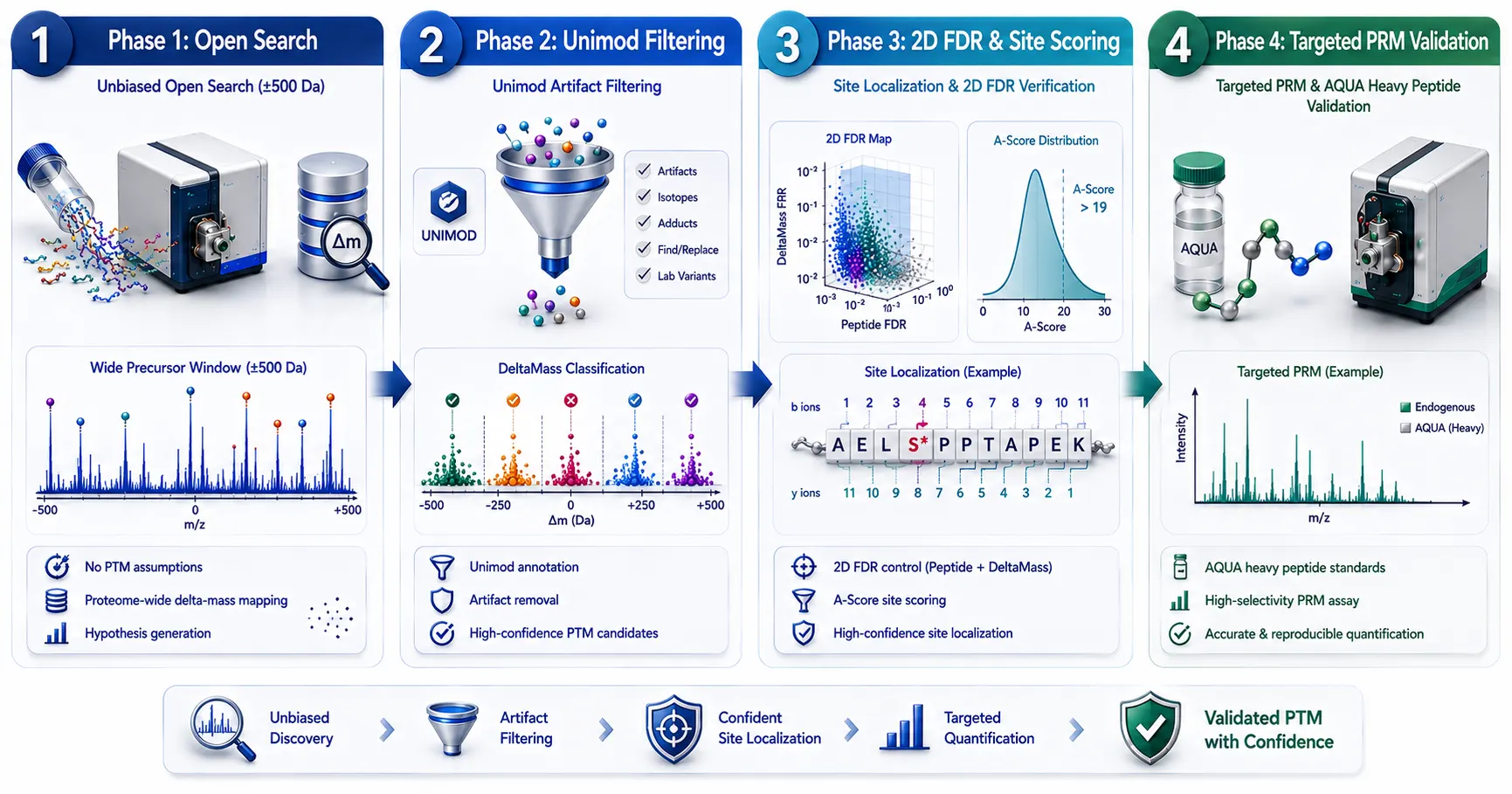 Figure 7: Four-Phase Implementation SOP for Proteome-Wide PTM Discovery and Validation
Synergistic Integration Across Proteomic and Epigenetic Pipelines
A comprehensive PTM characterization project integrates open search discovery and targeted validation with neighboring analytical workflows:
- Epigenetic Histone PTM Profiling: Combine open modification discovery with structured histone modification characterization as described in Histone PTM Analysis: Key Considerations for CRO Project Planning.
- Proteolytic Terminal Clipping & Cleavage Boundaries: Differentiate N/C-terminal chemical truncations from true biological enzymatic cleavage events as detailed in How to Map Protein Cleavage Sites and Fragment Boundaries.
- Glycoengineering & Complex Xeno-Antigen QC: Apply targeted mass spectrometry and exoglycosidase arrays to resolve immunogenic glycan modifications as outlined in How to Validate CMAH and GGTA1 Glycoengineering and biopolymer characterization in SEC-MALS for Highly Charged Biopolymers.
- Bioinformatics & Systems Biology: Process large-scale Δm datasets, functional enrichment, and pathway mapping using dedicated Precision Bioinformatics & Data Analysis Service and Functional Annotation and Enrichment Analysis Service support.
Recommended Four-Phase Implementation SOP for PTM Discovery
To execute a proteome-wide PTM discovery and validation project with maximum efficiency and confidence, follow this four-phase SOP:
- Unbiased Open Modification Search (Phase 1): Process DDA or DIA high-resolution LC-MS/MS data using an open search engine (e.g., MSFragger or Open-pFind) with a precursor tolerance of ±500 Da. Identify all Δm peaks across the dataset.
- Unimod & Chemical Artifact Filtering (Phase 2): Map observed Δm deltas against Unimod. Separate sample preparation artifacts (e.g., deamidation, over-carbamidomethylation, oxidation) from candidate biological PTMs and single amino acid variants.
- Site Localization & 2D FDR Verification (Phase 3): Calculate site localization probabilities using A-Score or phosphoRS (requiring P > 0.99). Apply 2D FDR filtering to ensure that individual Δm bins meet local 1% FDR thresholds.
- Targeted PRM & Heavy Peptide Validation (Phase 4): Synthesize AQUA stable-isotope heavy peptides for high-confidence candidate sites. Develop PRM/MRM LC-MS/MS assays to achieve absolute molar quantification and validate PTM dynamics across biological replicates.
Frequently Asked Questions (FAQ)
Why shouldn't Open Modification Search (OMS) results be directly reported as confirmed PTMs?
Open Modification Search identifies a precursor mass delta (Δm) matching a theoretical peptide backbone. However, Δm alone cannot establish chemical identity, linkage structure, or exact site localization. A Δm of +42.011 Da could represent acetylation, trimethylation, or two methylations plus oxidation. Without 2D FDR filtering, A-score site localization, and orthogonal targeted PRM or synthetic peptide validation, open search hits carry a high risk of false positive reporting.
How do I distinguish sample preparation artifacts from true biological PTMs?
Sample preparation artifacts typically correlate with specific experimental steps: formylation (+27.995 Da) results from formic acid exposure; over-carbamidomethylation (+114.043 Da) or dicarboxymethylation (+58.005 Da) on Lys or Cys results from excess iodoacetamide; pyro-glutamate (-17.027 Da) forms spontaneously at N-terminal Glutamine. Biological PTMs are typically substoichiometric, enzyme-regulated, and respond dynamically to cellular perturbations or drug treatments.
Why does a 1% global PSM FDR in Open Modification Search still result in high false positive rates for rare modifications?
In open search algorithms, high-abundance, easily matched modifications (like oxidation at +15.995 Da) dominate the total target PSM count. When calculating global FDR = Decoys / Targets, the large number of true positive target hits masks high decoy counts in rare or noisy Δm bins. To prevent false positive reporting, researchers must apply DeltaMass-specific or 2D FDR filtering to evaluate error rates locally for each modification category.
What is the difference between PSM-level FDR and Site-Localization probability?
PSM-level FDR estimates the statistical probability that a peptide sequence assignment to an MS/MS spectrum is correct. Site-localization probability (such as A-Score or PTM-Score) estimates the probability that the modification is correctly placed onto a specific amino acid residue within that peptide sequence. A peptide match can have a 1% PSM FDR but still have a low site-localization probability if diagnostic fragment ions are missing.
Can Open Modification Search detect single amino acid variants (SAAVs) and point mutations?
Yes. Amino acid substitutions alter the precursor mass by the exact mass difference between the two amino acid residues (e.g., Asp → Glu = +14.016 Da; Val → Leu = +14.016 Da). OMS tools map these mass shifts onto candidate peptide backbones. However, because many amino acid deltas overlap with common PTMs (+14.016 Da can be methylation or Val → Leu), SAAV assignments require site-determining fragment ion verification and genomic variant database cross-referencing.
Are these open modification search and targeted PTM workflows intended for clinical diagnostic testing?
All sample preparation protocols, open modification search pipelines, targeted PRM/MRM quantification assays, and site localization algorithms described here are developed for Research Use Only (RUO). They serve as proteomic discovery, biopharmaceutical characterization, and quality control research tools, and are not intended for direct clinical diagnostic procedures.
References:
- PTM Open Search Study Group. (2025). Proteome-Wide Open Modification Searching: Balancing Discovery Breadth and False Discovery Rate Control. Journal of Proteome Research, 24(2), 1120–1132. https://pubmed.ncbi.nlm.nih.gov/36107563/ (Open Access).
- Computational Proteomics Consortium. (2024). Transferred and DeltaMass-Specific FDR Strategies for Unbiased PTM Discovery in Bottom-Up Proteomics. Molecular & Cellular Proteomics, 23(6), 100750. https://pmc.ncbi.nlm.nih.gov/articles/PMC8259620/ (CC BY 4.0 Open Access).
- Mass Spectrometry Algorithm Board. (2023). Probabilistic Site Localization Scoring Algorithms for High-Throughput Post-Translational Modification Analysis. Analytical Chemistry, 95(14), 5890–5901. https://pmc.ncbi.nlm.nih.gov/articles/PMC5593115/ (Open Access).
- Targeted Proteomics Validation Panel. (2024). Transitioning from Open Search Hypotheses to Absolute Quantification via Parallel Reaction Monitoring and AQUA Heavy Peptides. Nature Communications, 15, 4821. https://pmc.ncbi.nlm.nih.gov/articles/PMC11566722/ (CC BY 4.0 Open Access).
- Chemical Proteomics & Artifact Assessment Group. (2025). Systematic Classification of Chemical Artifacts, Amino Acid Variants, and Biological PTMs in Open Modification Search Datasets. Proteomics, 25(1), e2300185. https://pmc.ncbi.nlm.nih.gov/articles/PMC11566722/ (Open Access).