Meta Intent: A practical decision guide for determining whether archived tissues, blood-derived samples, and urine can support a defensible NAD metabolomics question, using matrix-specific metadata and a fit-for-purpose pilot rather than storage temperature alone.
An archived cohort can be uniquely valuable: the phenotype may already be annotated, the follow-up interval may be long, and recollection may be impossible. That makes an NAD metabolomics question tempting. It does not make every stored vial suitable for the same NAD claim. NAD+, NADH, NADP+, NADPH, nicotinamide (NAM), nicotinamide mononucleotide (NMN), and downstream catabolites do not share one stability profile, and the biological process continues for some time after collection unless it is stopped effectively.
The useful starting question is therefore not, "Are these samples frozen?" It is, "Which NAD-related measurement can these samples still support without confusing preanalytical change with biology?" An archive may be suitable for a targeted urinary catabolite comparison, unsuitable for a tissue NAD+/NADH redox-ratio claim, or usable only after a small pilot demonstrates coherent behavior within a well-documented subset. A planned metabolomics service should treat sample fitness as an analytical question with recorded evidence, not as a label inherited from a biobank inventory.
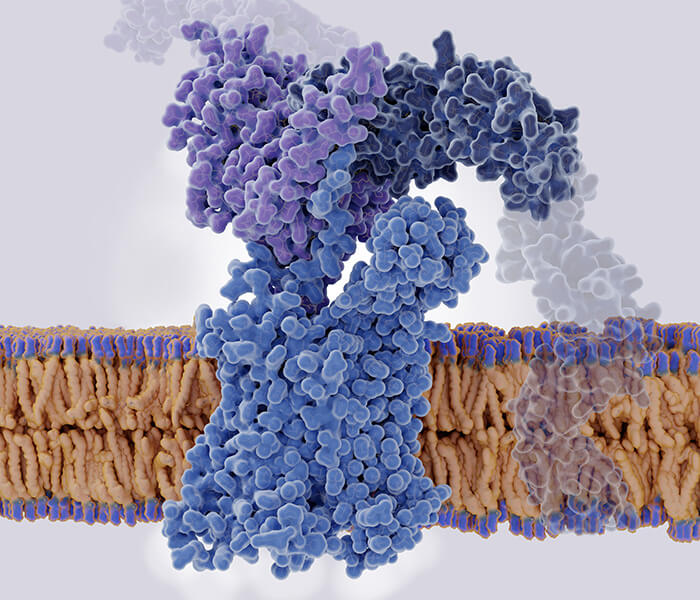
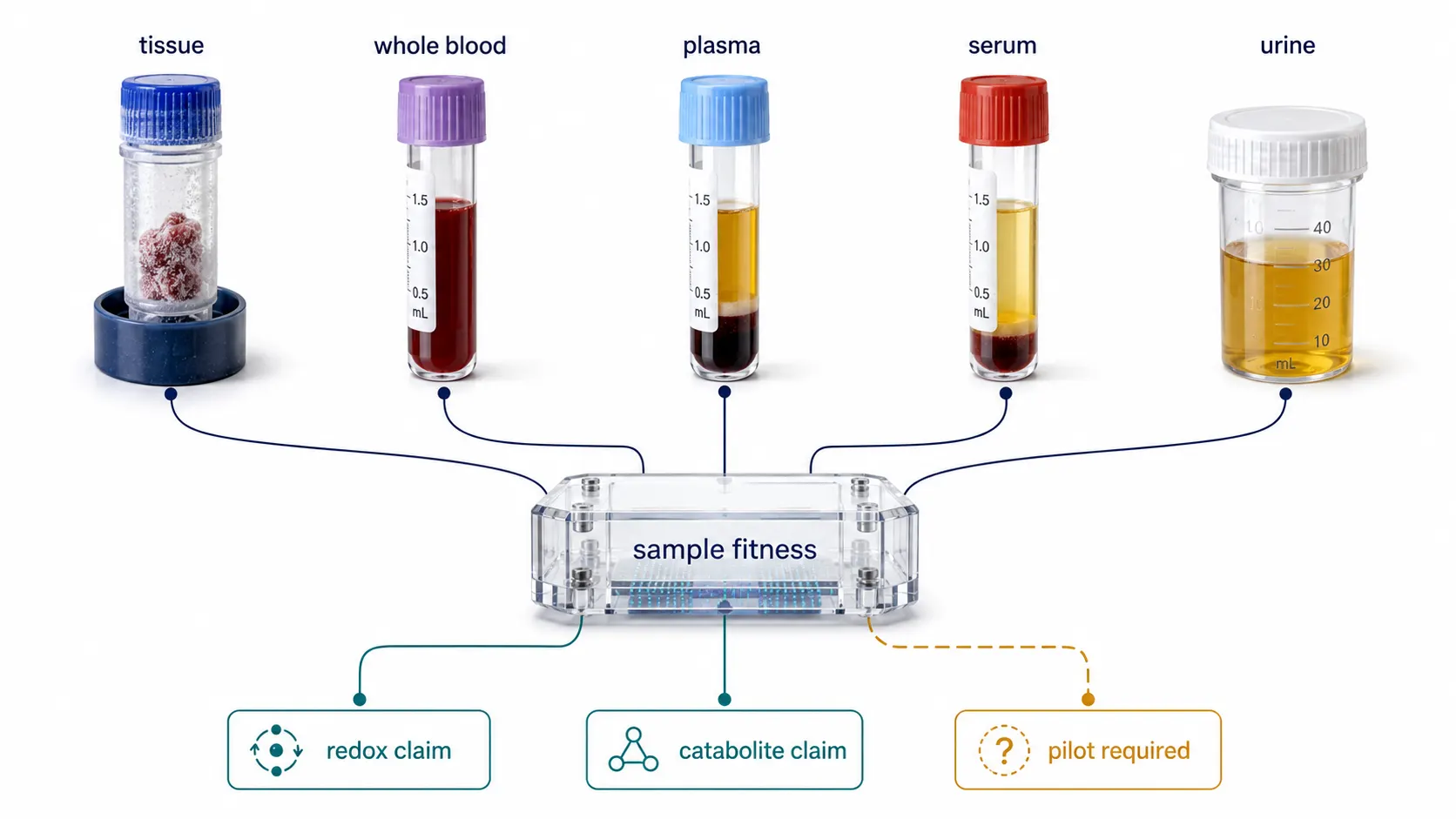 Figure 1. Archived biospecimens can support different NAD metabolomics questions; specimen type, history, and target analyte determine the claim that remains defensible.
Separate NAD biology from sample history
The NAD metabolome contains two different evidence classes. Redox cofactors such as NAD+, NADH, NADP+, and NADPH can change quickly when cells are hypoxic, enzymes remain active, or extraction conditions shift their balance. Precursors and downstream metabolites such as NAM, methylated NAM products, and pyridones may be more useful for a different type of question, but they are not interchangeable surrogates for an intracellular redox state. A broader NAD metabolite analysis guide can help define the pathway scope; this article addresses whether an existing specimen can credibly carry that scope.
For a fresh tissue experiment, the goal may be to preserve an instantaneous metabolic state. For an archived urine cohort, the goal may instead be to compare stable excreted catabolites across participants. Those are different study designs. The first requires strong evidence about ischemia, quenching, and redox preservation. The second still needs consistent collection, storage, and normalization, but its claim does not depend on reconstructing the redox state of a cell at the moment of collection.
This distinction also prevents a common overinterpretation. A measurable NAD-related signal is not proof that the original in vivo concentration or ratio was preserved. LC-MS can detect a compound after the sample has changed. The evidence for biological interpretation comes from the analyte, matrix, handling record, matched controls, and pilot results taken together. A targeted metabolomics workflow is especially useful here because it can be designed around a pre-specified panel, isotope-labeled internal standards where available, and acceptance rules that match the archived material.
Why NAD redox cofactors are unusually preanalytically sensitive
NAD redox cofactors sit inside active enzyme networks. During warm or cold ischemia, oxygen limitation changes mitochondrial electron transport and can shift the apparent NADH/NAD+ balance before the specimen reaches a stable state. Tissue collection studies show that even brief delays can alter energy metabolites and redox readouts. That is why a tissue stored at -80 degrees C is not automatically equivalent to tissue that was rapidly frozen after excision. The archive records the end of the handling sequence, not what happened before it.
Chemical stability adds another layer. Oxidized and reduced pyridine nucleotides respond differently to extraction pH, solvent composition, temperature, and time. Acidic conditions can support recovery of oxidized forms but can damage reduced forms if exposure is prolonged; alkaline extraction may be used for reduced cofactors but is not a license for long unattended holding. Modern methods frequently use carefully timed organic-solvent extraction, quenching, controlled neutralization, and direct analysis rather than treating any single pH as universally protective. This is a method-development issue, not a reason to apply one literature protocol unchanged to every archive.
Drying and repeated handling can also be consequential. If extracts are evaporated, reconstituted, parked in an autosampler, or thawed repeatedly, the relevant stability question moves from the original biospecimen to the extract. Keep those stages distinct in the study record. A sample may have excellent original storage metadata but poor extract handling, or the reverse. For discovery work, an untargeted metabolomics workflow can reveal broader handling-sensitive patterns, but it should not be used to convert an unknown preanalytical history into a precise redox ratio.
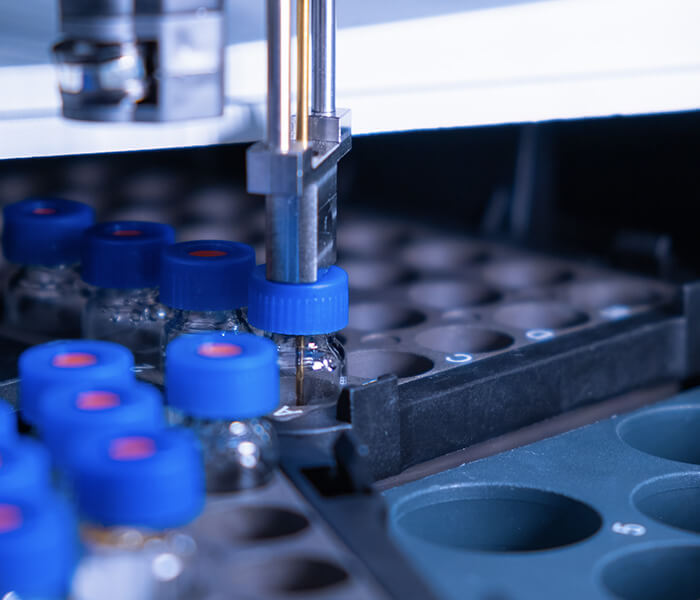
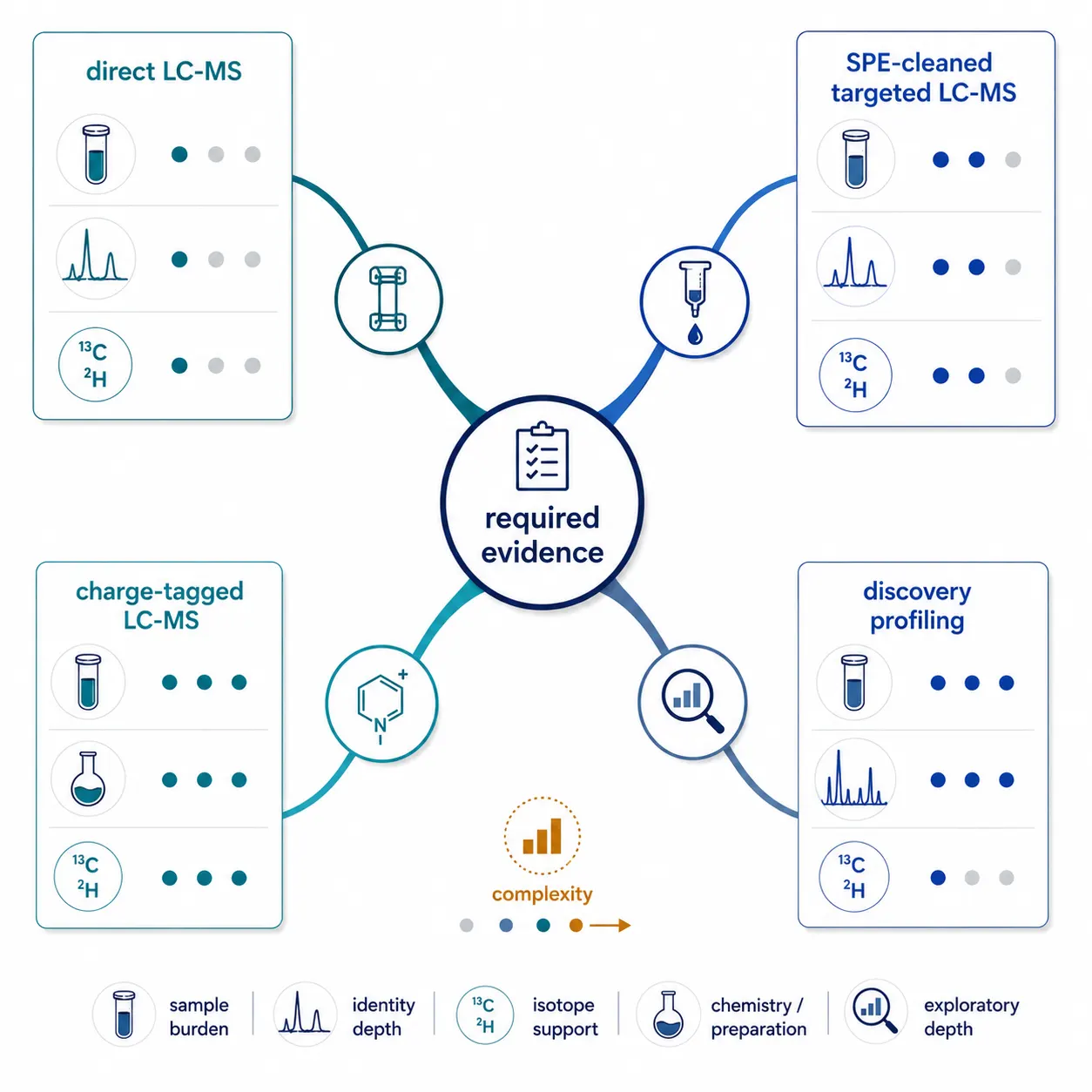 Figure 2. NAD sample fitness depends on a chain of preanalytical events, from collection and ischemia through extraction and instrument-ready storage.
Use matrix-specific fitness rules rather than one archive rule
Whole blood, plasma, and serum
Blood-derived matrices require an explicit decision about where the intended analytes reside. Direct NAD(H) measurements are often dominated by cellular material in whole blood, whereas plasma and serum may be better suited to other NAD-pathway metabolites depending on the assay. Hemolysis, delayed separation, residual cells, platelet activation, anticoagulant selection, and thawing can all change what is measured. Do not assume that a plasma NAD+ value is a clean proxy for whole-blood or tissue NAD biology, and do not translate a stability result obtained in one blood fraction to another.
Archived plasma or serum may still be appropriate for carefully selected precursor, catabolite, or comparative questions if the collection tube, processing delay, centrifugation, aliquot history, storage temperature, and hemolysis status are available. The goal is comparability across groups, not a cosmetic pass/fail label. A visibly hemolyzed sample, an unknown number of thaws, or a group-specific processing delay should trigger review before statistical modeling. In difficult cases, LC-MS/MS untargeted metabolomics can be used in a pilot to map broad handling effects, followed by a narrower targeted panel for the final question.
Frozen tissue and biopsies
For tissue, the most informative metadata are the interval from interruption of blood supply to freezing, the freezing approach, sample mass and geometry, storage temperature, and every later thaw. Snap-frozen tissue with a documented short handling interval may support a targeted cofactor analysis if the pilot confirms adequate response and internal-standard behavior. Slowly frozen tissue, material held without a clear ischemia record, or tissue repeatedly thawed may still support selected stable metabolites, but should not be used to claim an original NAD+/NADH ratio without direct supporting evidence.
Extraction planning should be matched to that remaining evidence. Homogenization, solvent exposure, transfer loss, and delay before quenching can each become a new source of variation in a fragile archive. A fit-for-purpose sample preparation workflow should specify the tissue amount available, the order in which aliquots are processed, the internal standards added, and whether the method is intended to preserve a redox pair or only stable pathway products. Keep reference material and unknown archive specimens in the same handling framework wherever possible. If the archive contains multiple tissue banks, process representatives from each bank in the pilot rather than treating storage location as a minor administrative field.
It is also useful to separate a feasible extraction from a validated one. A strong signal in a single tissue extract does not establish recovery, selectivity, or comparability across older and newer specimens. Inspect blank behavior, carryover, chromatographic peak shape, and the response of internal standards across the proposed batch. When a method cannot demonstrate stable behavior for the intended redox cofactors, a targeted panel of downstream metabolites may still be informative, but the report should state that the redox question was not retained.
Tissue type also matters. A thin biopsy, a vascularized organ fragment, and a frozen cell pellet cool at different rates. Large pieces may have a temperature gradient during freezing, and mixed cell content can be biologically important. Do not rescue a weak tissue archive by pooling different handling classes. If material is limited, the allocation logic in the companion guide to low-input metabolomics pooling and QC design helps preserve independent biological units while reserving enough material for a fitness pilot.
Urine and downstream catabolites
Urine can be a practical archived matrix for NAD-pathway catabolites such as methylated NAM products and pyridones, but it is not a substitute for intracellular NAD redox measurement. Its advantages are different: it generally lacks the high cellular burden of whole blood, although urinary cells, microbes, collection delay, and preservative use can still alter selected measurements; some excreted products may tolerate storage better than redox cofactors. Its risks are also different: hydration, collection timing, microbial growth, preservative use, pH, and freeze-thaw history can affect concentration and interpretation. Plan a urine-normalization approach before looking at group effects, and keep the normalization variable available for review.
For a urine-focused archive, frame the panel around the chemical class and biological question rather than a generic NAD score. A targeted organic acids analysis can be a useful adjacent capability when the study includes compatible excreted acids, but it should not be used to imply that every urinary signal is an NAD metabolite. Decide prospectively whether the outcome will be normalized to creatinine, specific gravity, osmolality, timed excretion, or another justified denominator. Then test that choice in the pilot: a normalization approach that is distorted by the phenotype under study can create a misleading difference even when the LC-MS measurement itself is technically stable.
Long-term storage does not erase the need for within-cohort consistency. A uniformly collected urine archive with a documented freezer history may offer a stronger comparison than a smaller fresh collection with mixed timing and unknown preservatives. Conversely, a large archive with inconsistent aliquot volumes, repeated thaws, or unrecorded collection modes may need to be restricted to a better documented subset. The practical endpoint is a transparent statement of what was measured and normalized, not an unsupported promise of complete metabolome stability.
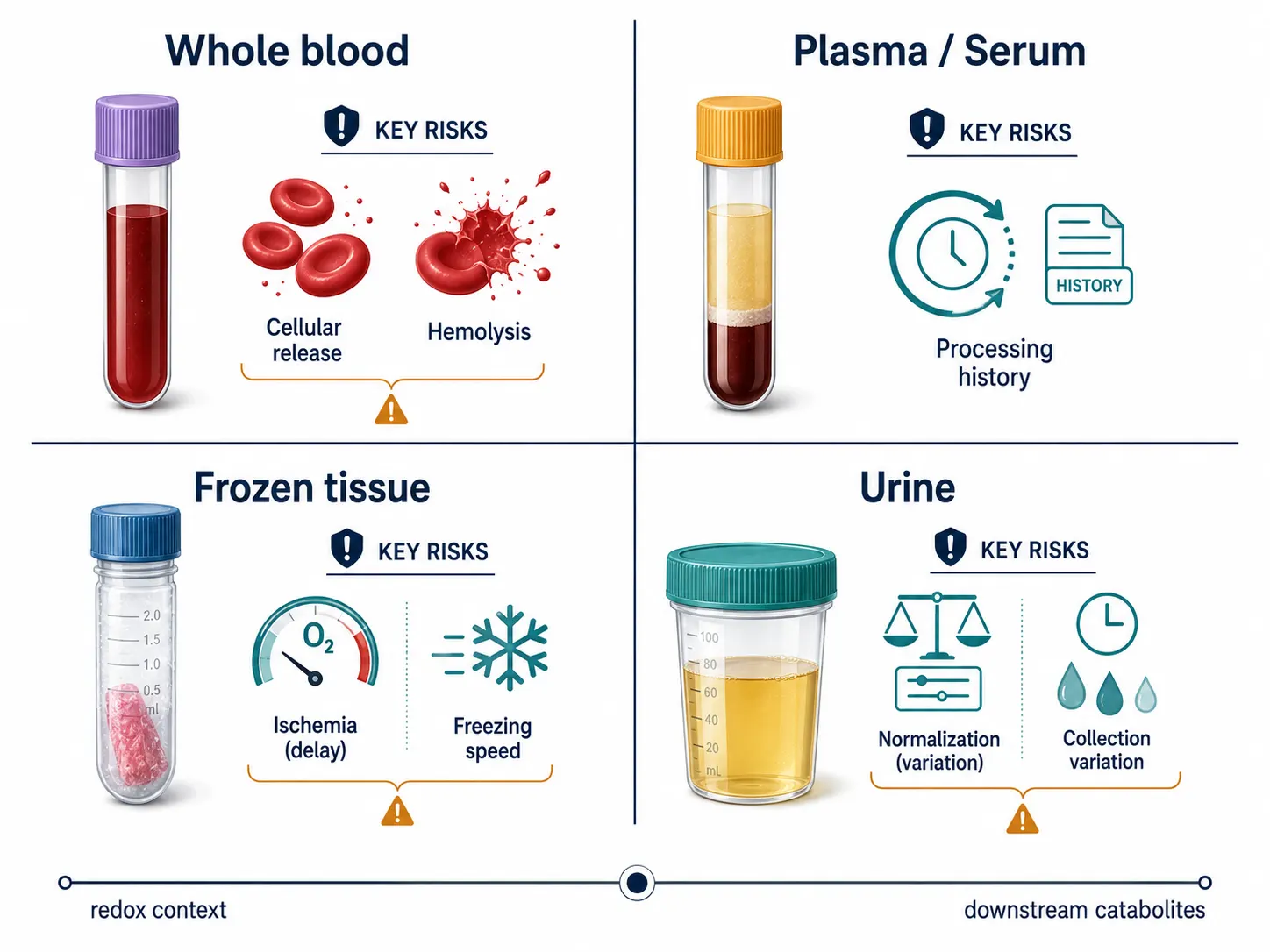 Figure 3. The primary risk differs by matrix: cellular carryover in blood-derived samples, ischemia in tissue, and collection or normalization variability in urine.
Audit metadata before ordering a full analytical batch
Build an archive manifest before choosing the final panel. At minimum, retain specimen type, collection date, collection tube or preservative, processing interval, centrifugation and aliquoting information, storage temperature, storage location or event history, documented freeze-thaw count, visible hemolysis or quality flags, and the reason the specimen entered the study. For tissue, add dissection-to-freezing time, freezing method, tissue mass, and whether the source was surgical, post-mortem, or experimental. For urine, add collection mode, time window, pH if available, storage preservative, and the intended concentration-normalization variable.
Use the manifest to create fitness strata before sample selection. For example, a cohort with uniformly stored, never-thawed urine aliquots may be a strong candidate for a catabolite-focused comparison. A plasma archive with mixed tube types and unknown processing delays may be usable only within a harmonized subset. A tissue collection with a documented rapid-freezing protocol but two storage interruptions may warrant a dedicated pilot. The point is not to eliminate every imperfect sample. It is to avoid combining incompatible histories until the potential bias has been evaluated.
Make the eligibility decision reproducible. Set a short written rule for each material class: which metadata fields are required, which deviations trigger a pilot stratum, and which conditions make the original question no longer defensible. Keep unknown values visible rather than silently converting them to a preferred category. This approach is particularly important for retrospective case-control work, where a sample-quality restriction can change the balance of age, site, treatment, or outcome groups. A sample-quality audit is part of study design, not a post hoc reason to remove inconvenient observations.
Metadata completeness is itself a result. If one exposure group has richer storage records, a different freezer history, or a higher rate of missing thaw information, then archive quality can become confounded with biology. Record that limitation before feature filtering and model fitting. A data preprocessing and normalization workflow can document exclusion and adjustment rules, but it cannot reconstruct a handling event that was never recorded.
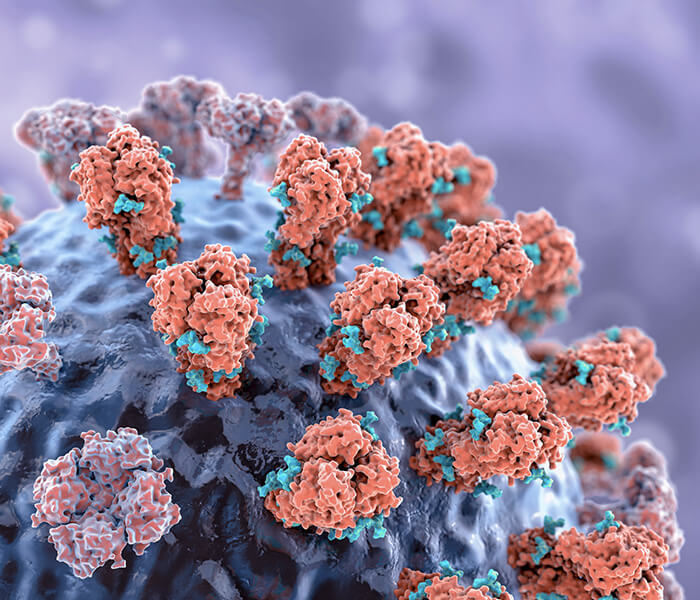
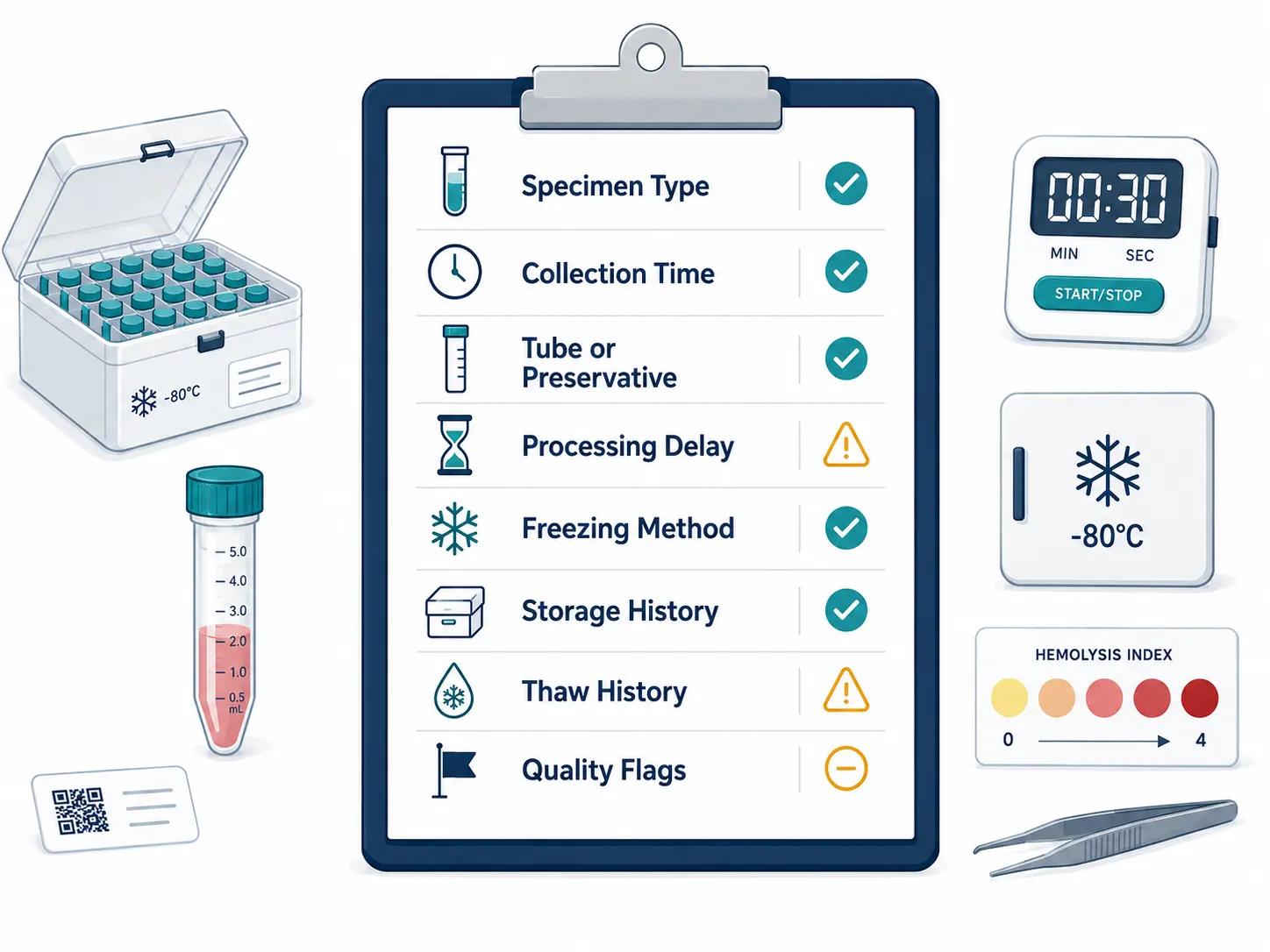 Figure 4. An archived NAD study begins with a manifest that captures the handling variables capable of changing the intended measurement.
Use a two-tier pilot to decide what the archive can answer
A pilot is the bridge between metadata and a final analytical claim. Tier 1 is a targeted fitness screen of approximately 10 to 20 specimens selected to represent the important handling strata, biological groups, storage periods, and matrix conditions. The size is a practical starting range, not a universal requirement. Include the planned internal standards, blanks, pooled or reference QC where feasible, and replicate injections appropriate for assessing technical precision. Do not select only visually ideal vials if the study cohort contains variable histories.
Tier 1 should evaluate detectability, response consistency, blank contribution, chromatographic behavior, and whether the distribution of selected metabolites tracks an obvious handling variable. For whole blood, review NAD(H), NAM, and the pattern of related intermediates in the context of aliquot and thaw history. For tissue, review the intended redox-cofactor panel alongside energy and ischemia-sensitive contextual markers only if the method can measure them reliably. For urine, evaluate the proposed catabolite panel together with the chosen normalization strategy and collection metadata.
Ratios such as NAD+/NAM, NADH/NAD+, ATP/AMP, or a hemolysis-related measure can be useful diagnostic clues, but they are not universal biological truth meters. Their interpretation depends on matrix, extraction chemistry, analytical separation, and the original study question. Predefine what a concerning pattern would look like, then review it with raw chromatograms and metadata rather than applying a borrowed cutoff. If the method resolves ADP-ribose or related products, they may provide additional context for degradation, but they should not be promoted to a standalone rejection rule without validation.
Tier 2 is a confirmatory, fit-for-purpose run on the candidate archive subset. It asks whether the selected samples and target panel can support the stated comparison with stable QC performance and no obvious alignment between group labels and handling artifacts. If the answer is no, the correct outcome may be a narrower catabolite question, a different matrix, or no NAD analysis from this archive. A carefully limited negative decision protects a cohort from an attractive but indefensible redox result.
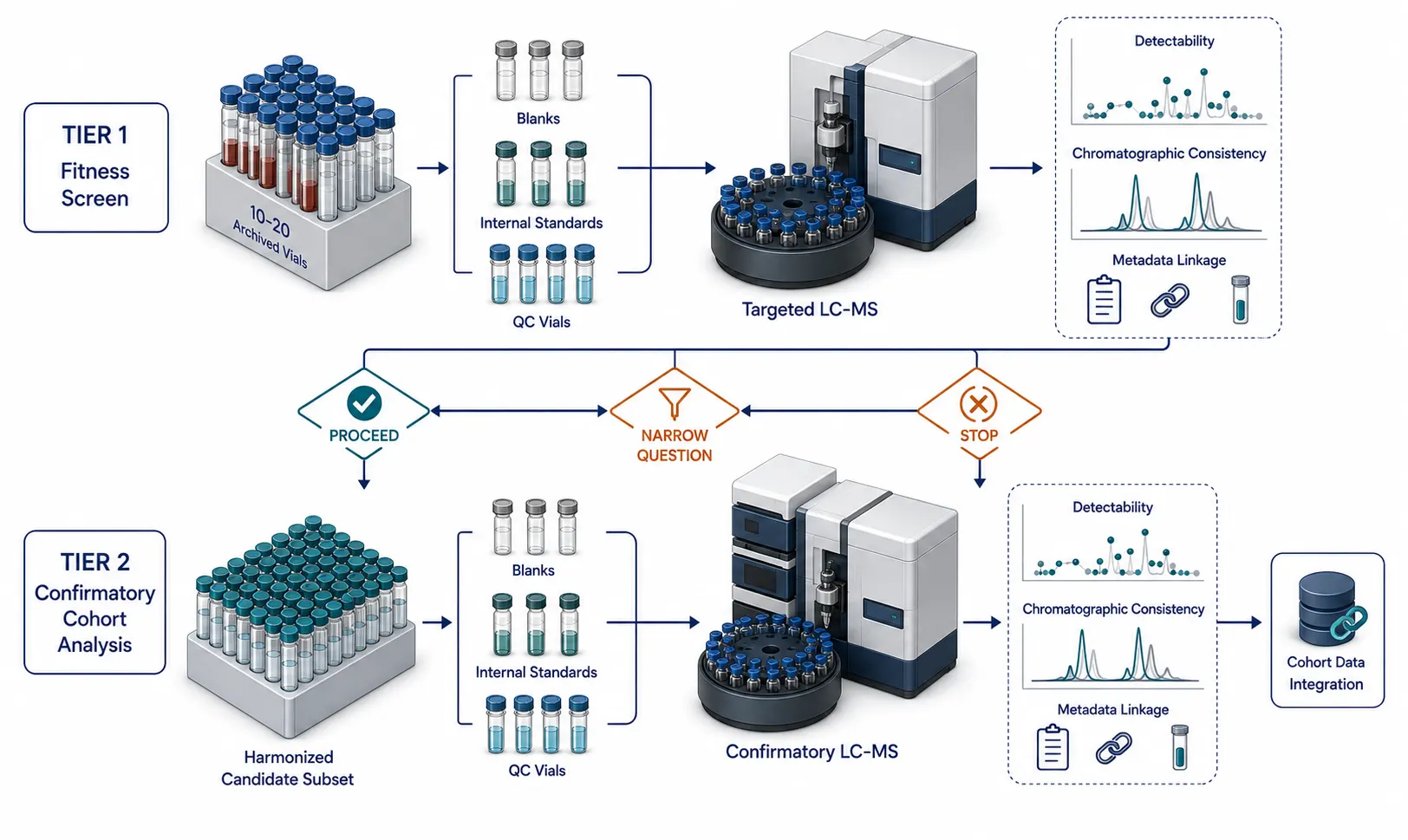 Figure 5. A two-tier pilot converts uncertain archive history into a documented decision to proceed, narrow the question, or stop.
Match the method to the remaining evidence
| Study route | Appropriate archived material | Defensible output | Key limitation |
|---|---|---|---|
| Fresh or tightly controlled frozen tissue targeted panel | Documented rapid freezing and limited thawing | NAD cofactor abundance and cautiously interpreted redox context | Still sensitive to ischemia and extraction conditions |
| Archived tissue targeted panel | Comparable storage history with pilot support | Selected metabolites or relative differences within a harmonized subset | Original redox state may not be recoverable |
| Archived plasma or serum panel | Matched processing and hemolysis records | Selected circulating precursors or catabolites | Not equivalent to cellular NAD pools |
| Archived urine catabolite panel | Consistent collection and normalization metadata | Excreted NAD-pathway catabolite comparison | Does not establish tissue NAD redox status |
In a relatively homogeneous archive, an isotope-aware targeted metabolomics panel is often the clearest route because it focuses the assay on the signals the available material can support. In a heterogeneous archive, use a limited discovery pilot only to understand variability and candidate confounders, then state exactly which subset and analytes survived the fitness rules. A broader bioinformatics for metabolomics analysis should preserve the sample manifest, QC results, filtering decisions, and final model specification alongside the results table.
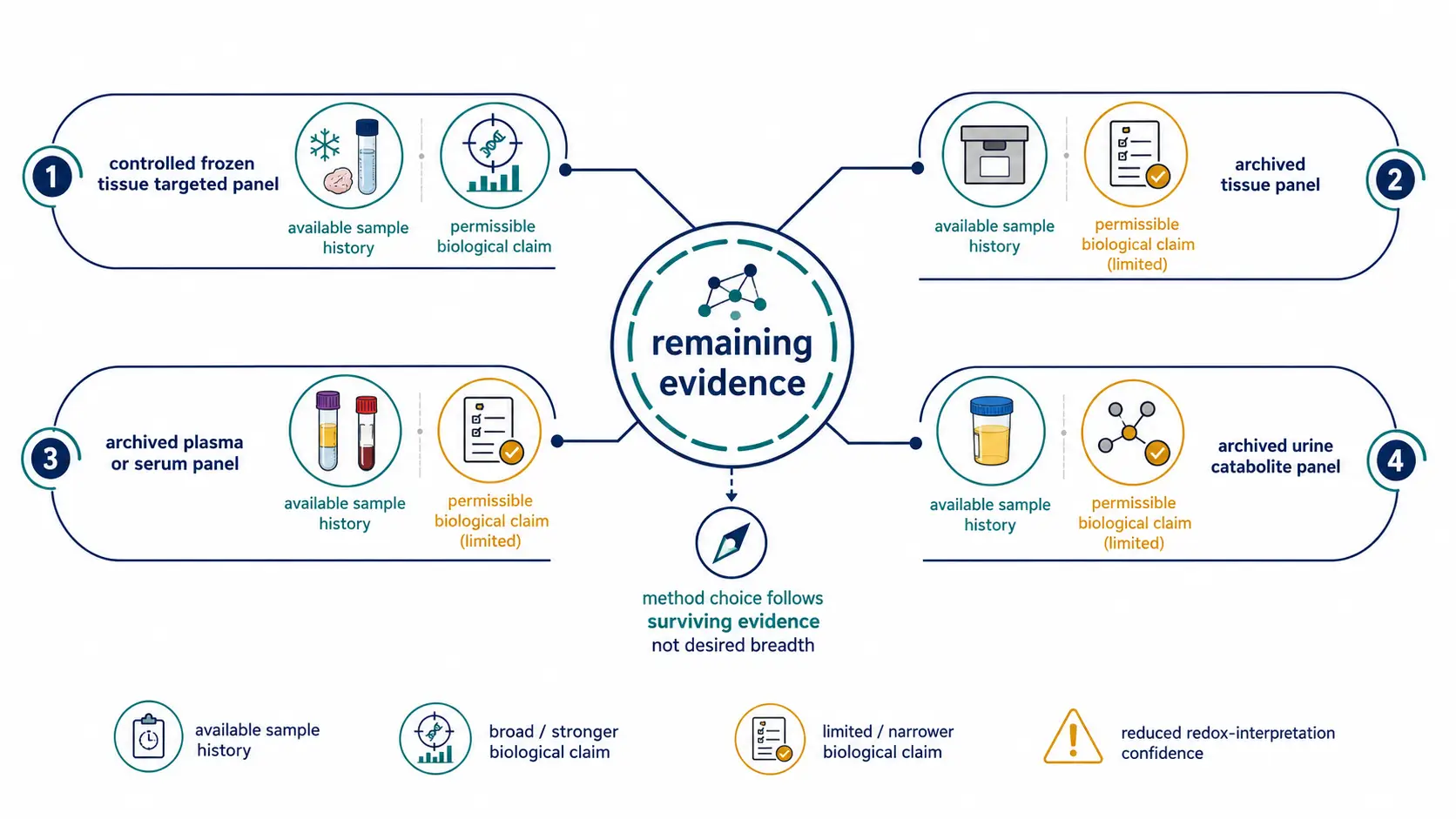 Figure 6. The strongest method is the one whose output matches the surviving evidence in the archived matrix, not necessarily the broadest panel.
Connect archived NAD work to the wider multi-omics study
Archived-sample fitness becomes even more important when the same specimen supports several omics layers. If an organoid or tissue aliquot is being split, the companion resource on proteomics and metabolomics from the same organoid sample explains how extraction allocation can change what remains for each measurement. Do not merge a stable proteomics result with a poorly supported NAD redox inference just because both derive from the same archive.
For cohorts in which protein, metabolite, and archived-sample quality variables all matter, integrated proteomics and metabolomics analysis should begin only after each layer has passed its own matrix-specific QC. Integration can generate useful hypotheses about NAD-related pathways, oxidative stress, or enzyme abundance, but it cannot undo a preanalytical shift that occurred before the specimen was frozen.
Use a four-phase implementation plan
Inventory: define the biological question, analyte class, matrix, and archive metadata needed to support it. Stratify: group specimens by handling history and select a pilot that represents both biological groups and possible preanalytical variation. Verify: run the targeted fitness screen with blanks, internal standards, appropriate QC material, and metadata-linked review. Interpret: proceed only with the sample subset and claim level supported by the pilot; report exclusions, limitations, and any remaining handling imbalance.
Each phase has a stop rule. Stop before a cohort-scale run if the required metadata are absent, pilot detectability is inadequate, a biological group is inseparable from a handling class, or the redox signal changes in ways that track thawing or sample processing rather than the study variable. Consider a more stable downstream panel, another matched archive subset, or a different question. The most useful conclusion is sometimes that the archive supports NAM catabolites but not NAD redox ratios.
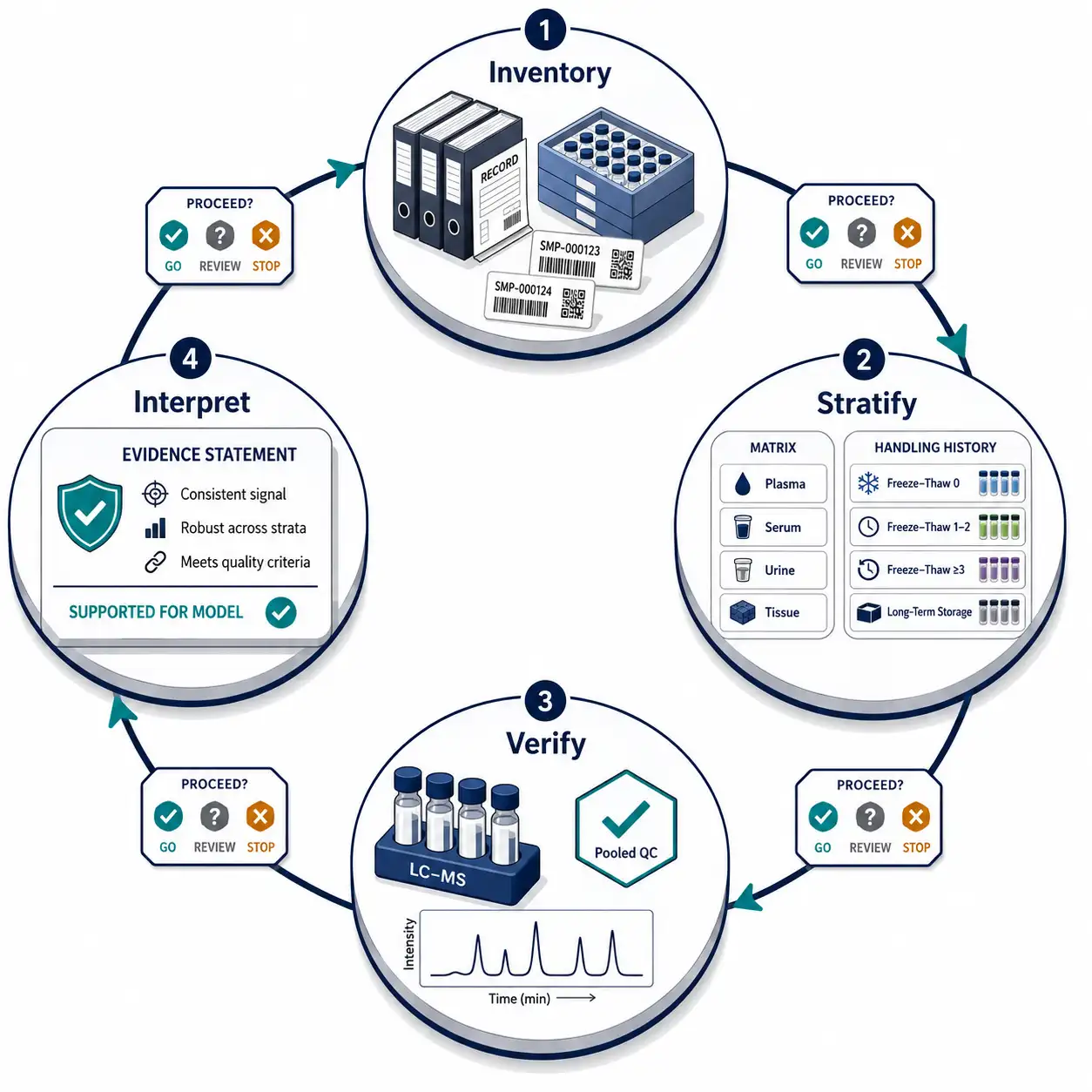 Figure 7. A four-phase plan aligns archive selection, pilot evidence, method scope, and the final interpretation with the quality of the available samples.
Frequently asked questions
Can tissue that has been thawed once still be used for NAD metabolomics?
Possibly, but do not assume that one thaw has the same effect in every tissue or analyte class. Review its handling record and include comparable material in the pilot before deciding whether cofactor or catabolite measurements are defensible.
Can a colorimetric NAD+/NADH kit establish fitness for archived biobank samples?
It may be useful for a narrowly validated workflow, but it does not replace chromatographic separation, matrix-aware internal standards, or a pilot that tests the intended archived matrix.
Does a high NAM signal prove that NAD+ degraded after collection?
No. NAM has endogenous biological sources. Interpret it with related metabolites, sample history, and method-specific controls rather than as a standalone degradation verdict.
Are FFPE tissues suitable for an NAD redox-ratio study?
Usually not for preserving an original labile redox state. Treat FFPE as a separate matrix that requires a dedicated feasibility study and a constrained analytical claim.
Can urine replace blood for NAD metabolomics?
No. Urine can be useful for selected excreted pathway metabolites, but it answers a different biological question from cellular or whole-blood NAD redox measurements.
Should samples with incomplete metadata be discarded immediately?
Not automatically. First determine whether a documented, comparable subset can answer the question and whether a pilot can detect a handling-related bias. Do not mix unknown histories without reporting the limitation.
References
- A Method to Monitor the NAD+ Metabolome: From Mechanistic to Clinical Applications. 2021.
- Targeted Determination of Tissue Energy Status by LC-MS/MS. 2019.
- Stability of Metabolomic Content during Sample Preparation: Blood and Brain Tissues. 2022.
- Recommendations and Best Practices for Standardizing the Pre-Analytical Processing of Blood and Urine Samples in Metabolomics. 2020.
- Effects of Preanalytical Sample Collection and Handling on Comprehensive Metabolite Measurements in Human Urine Biospecimens. 2024.