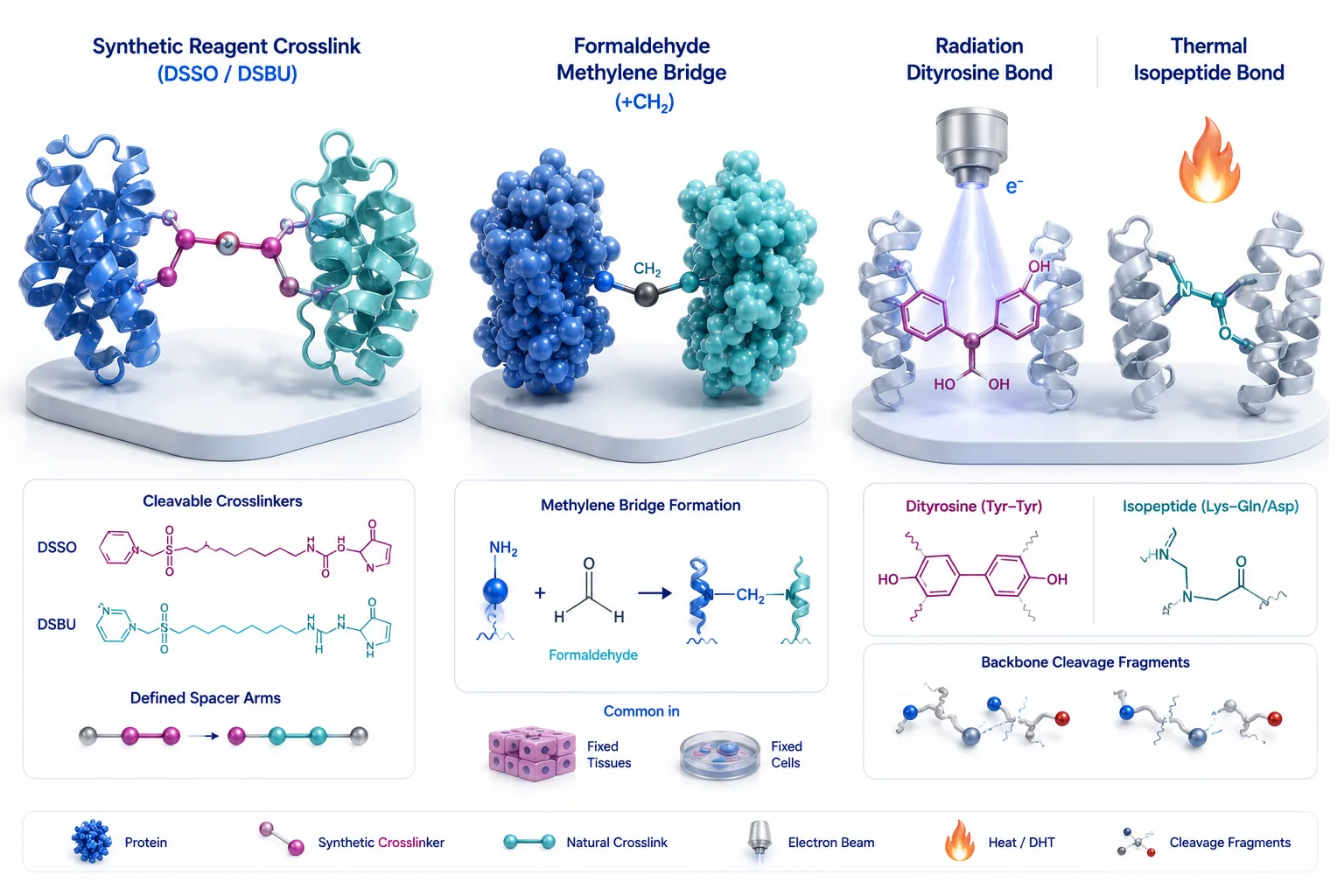
 Figure 1: Non-Standard Protein Material Crosslinking Landscape
Introduction: The Expanding Frontier of Crosslinking Proteomics
The Transition from Exogenous Reagents to Complex Protein Materials
Cross-linking mass spectrometry (XL-MS or CX-MS) has firmly established itself as an indispensable structural proteomics methodology for mapping protein-protein interaction (PPI) topology, identifying binding interfaces, and guiding integrative structural modeling. Traditionally, XL-MS experiments rely on well-behaved, exogenous chemical crosslinking reagents—such as disuccinimidyl sulfoxide (DSSO), disuccinimidyl dibutyric urea (DSBU), or bis(sulfosuccinimidyl)suberate (BS3). These synthetic linkers feature pre-defined spacer arm lengths (10–12 Å), strict residue specificity (typically primary amines on Lysine residues), and diagnostic MS/MS gas-phase cleavage signatures that simplify mass spectrometric identification.
However, modern biomedical research, tissue engineering, and biopharmaceutical material processing increasingly encounter protein assemblies where crosslinking is NOT mediated by standard commercial reagents:
- Formalin-Fixed Cell & Tissue Samples: Formaldehyde fixation generates dense, heterogeneous methylene bridges and Schiff base adducts across native cellular assemblies.
- Physical & Radiation Treatment: Electron-beam (E-beam), γ-irradiation, or ultraviolet (UV) treatment of biomaterials (such as collagen scaffolds or gelatin hydrogels) generates free radical-mediated carbon-carbon (C-C) and carbon-oxygen (C-O) covalent bonds without defined spacer arms.
- Dehydrothermal (DHT) Processing: Thermal dehydration of extracellular matrix (ECM) materials induces direct condensation reactions, forming intra- and inter-molecular isopeptide bonds alongside extensive heat-induced backbone cleavage.
The Core Analytical Question: Can XL-MS Map Non-Standard Crosslinked Networks?
When researchers evaluate fixed tissue samples, irradiated hydrogels, or heat-processed collagen materials, a critical analytical question arises: Can XL-MS identify and locate specific crosslinked residues when the modification mass, spacer length, and residue specificity are undefined or heterogeneous?
Addressing this question requires evaluating how non-standard crosslinks impact mass spectrometric gas-phase fragmentation, algorithmic search space combinatorics, and false discovery rate (FDR) filtering. Understanding the fundamental differences between synthetic reagents and material-induced crosslinks—as explored in Difference Between Exogenous and Endogenous Protein Crosslinking—provides the foundation for designing interpretable XL-MS studies.
Partnering with specialized Chemical Cross-linking Mass Spectrometry (CX-MS) Service and Characterization of Protein Structure providers ensures robust experimental design tailored to complex protein materials.
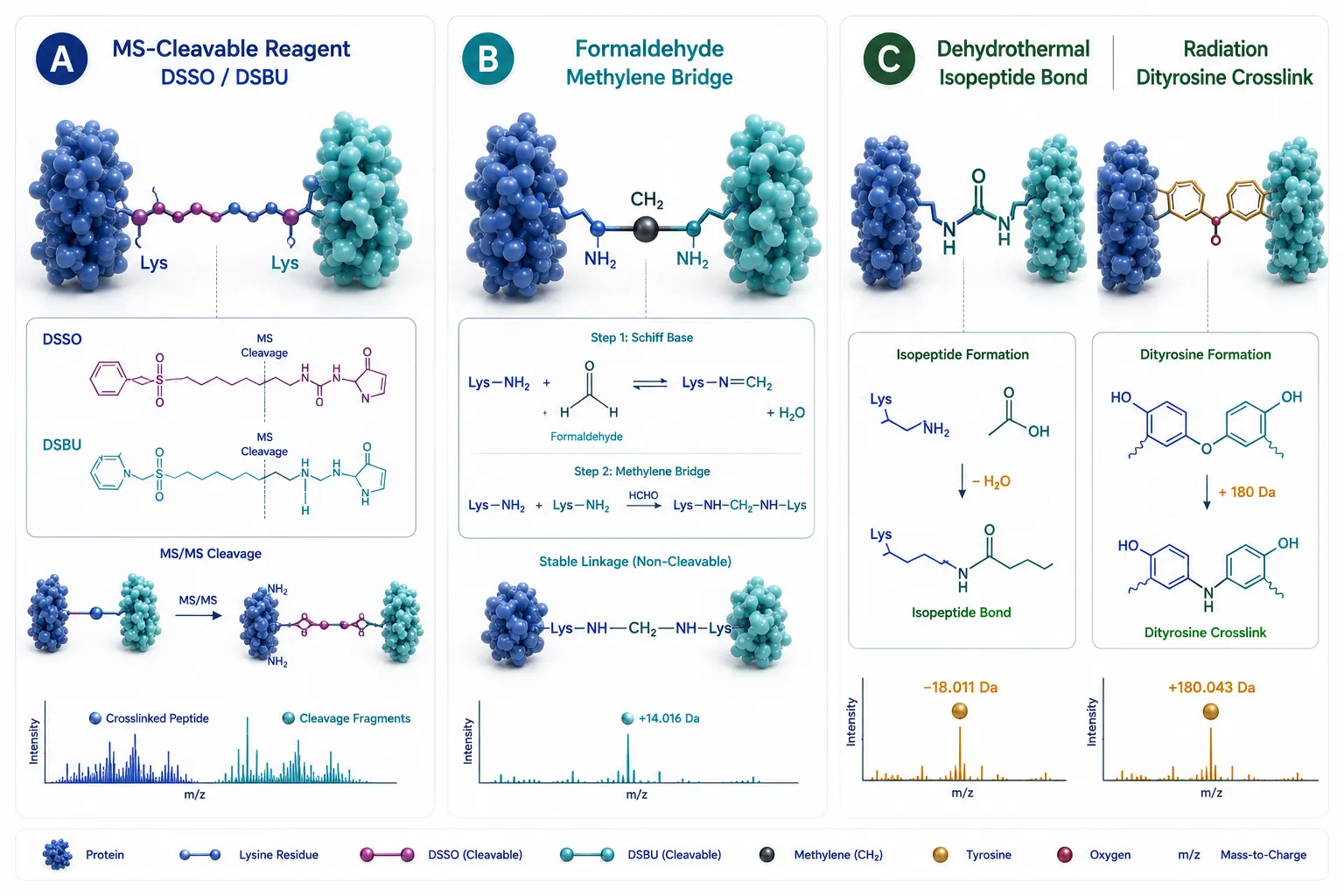 Figure 2: Categorizing Crosslink Chemistry: Reagents vs. Material Modifications
Categorizing Crosslink Chemistry: Reagents vs. Material Modifications
Category 1: Pre-Defined Chemical Crosslinkers (DSSO, DSBU, BS3, EDC)
Standard chemical crosslinkers represent the benchmark for structural XL-MS:
- Defined Mass & Spacer Length: Linkers like BS3 (11.4 Å) or DSSO (10.1 Å) introduce a fixed, known mass modification (e.g., +C_8H_10O_2 = +138.068 Da for BS3).
- MS-Cleavable Core: Reagents such as DSSO contain MS-cleavable sulfoxide bonds that cleave under collision-induced dissociation (CID/HCD), generating characteristic peptide fragment pairs (α and β chains) with diagnostic mass differences (Δm = 31.97 Da), enabling rapid database searching.
- Zero-Length Carbodiimide Linkers: EDC (1-ethyl-3-(3-dimethylaminopropyl)carbodiimide) induces direct amide bond formation between carboxylates (Asp/Glu) and primary amines (Lys), producing zero-length crosslinks (-H_2O = -18.01 Da) without inserting a spacer arm.
Category 2: Formaldehyde & Formalin Fixation Chemistry
Formaldehyde fixation in cells and FFPE tissues generates a highly complex mixture of reversible and irreversible adducts:
- Initial Methylol Adducts: Formaldehyde reacts rapidly with unprotonated primary amines (Lysine and N-termini) to form methylol adducts (+CH_2O = +30.01 Da).
- Dehydration to Schiff Bases: Methylol intermediates dehydrate to form reactive Schiff bases (+CH_2 = +12.00 Da).
- Methylene Bridge Crosslinking: The Schiff base reacts with a second nucleophilic amino acid side chain (Arginine, Tyrosine, Histidine, Cysteine, or Tryptophan) to form a stable methylene crosslink bridge (+CH_2 = +12.00 Da, spacer length ~2.0 Å).
Category 3: Radiation- and Thermal-Induced Physical Crosslinking
Irradiating or heat-processing protein biomaterials (such as collagen matrices, gelatin, or silk fibroin) triggers radical-mediated or thermal condensation reactions:
- Dehydrothermal (DHT) ISO-Peptide Bonds: High-temperature vacuum drying (>105°C) drives direct condensation between Lysine ε-amines and Carboxylate groups of Asp/Glu, forming non-cleavable isopeptide bonds (-H_2O = -18.01 Da).
- Dityrosine Crosslinks: Gamma (γ) or electron-beam (E-beam) irradiation generates hydroxyl and tyrosyl radicals (Tyr^•). Recombination of two tyrosyl radicals forms covalent dityrosine crosslinks (+C_18H_14N_2O_4 - 2H = +180.05 Da).
- Dehydroalanine (DHA) & Lanthionine Adducts: Thermal degradation of Cystine disulfides or Serine residues forms reactive dehydroalanine (DHA, -34.00 Da or +69.02 Da), which reacts with Lysine to form lanthionines or lysinoalanine crosslinks.
- Concurrent Backbone Cleavage: Radiation and high heat simultaneously induce main-chain peptide bond scission, generating thousands of random truncated peptide fragments alongside crosslinks.
Advanced Glycation End-Products (AGEs) & Hydroxylysine Dynamics in Collagen Matrices
In extracellular matrix (ECM) biomaterials and aging connective tissues, non-enzymatic glycation generates complex trivalent Advanced Glycation End-products (AGEs) alongside enzymatic Lysyl Oxidase (LOX) crosslinks:
- Enzymatic Immature & Mature Crosslinks: Immature bivalent crosslinks (such as hydroxylysinonorleucine, HLNL) condense into trivalent mature pyridinoline and deoxypyridinoline crosslinks (+428 Da and +412 Da).
- Non-Enzymatic AGEs (Pentosidine & Pyraline): Reducing sugars (glucose, ribose) react with Lysine/Arginine residues via Maillard reactions to form fluorescent pentosidine (+378.18 Da) and imidazoral crosslinks.
- Hydroxylation PTM Interference: Extensive post-translational Lysine hydroxylation (Hyl, +16 Da) and Proline 4-hydroxylation (Hyp, +16 Da) in collagen triple helices expand variable modification combinations, requiring specialized bioinformatic workflows.
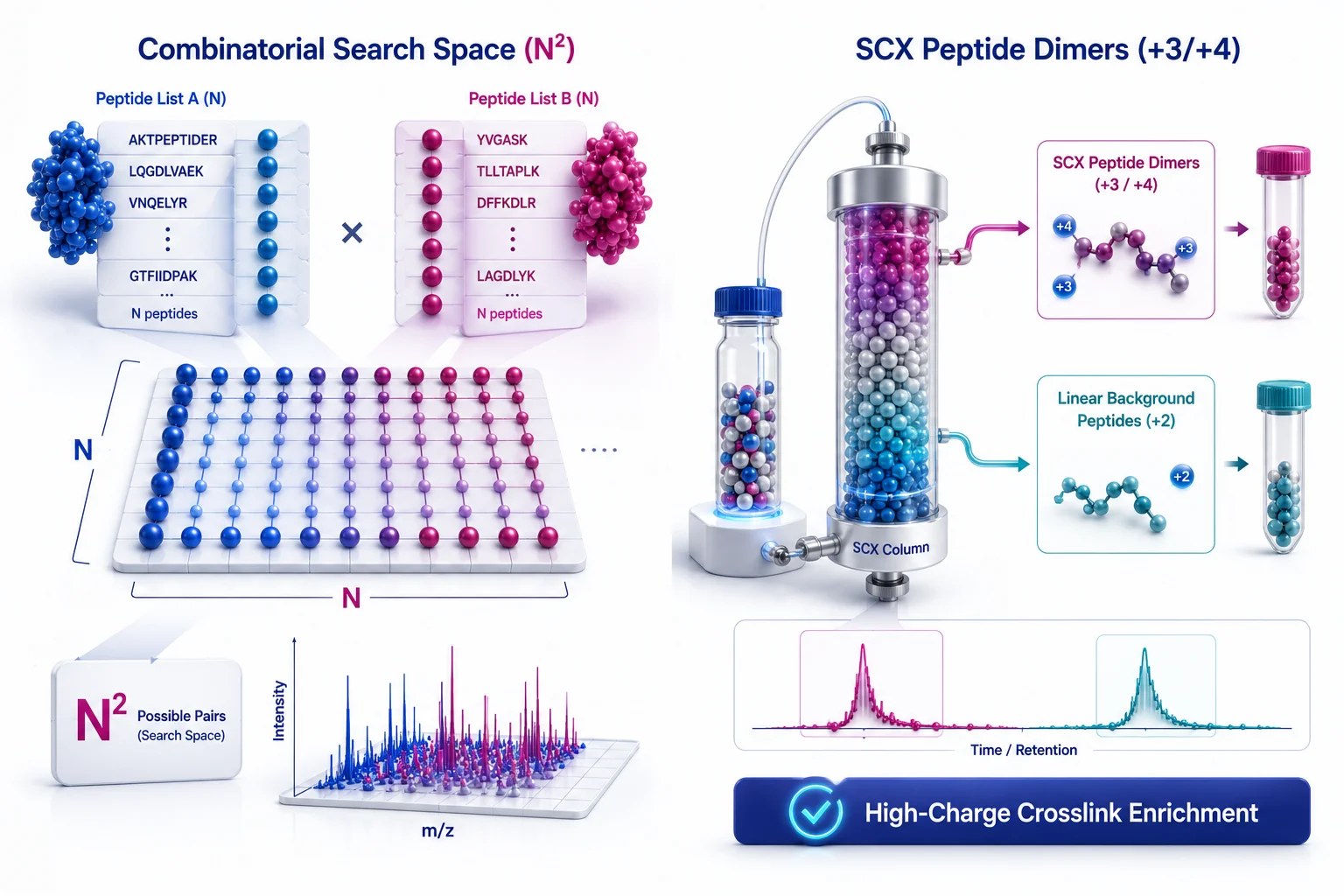 Figure 3: Search Space Combinatorics & SCX Enrichment Workflow
The Mass Spectrometry Bottlenecks: Search Space, Enrichment, and FDR
Search Space Explosion (N² Combinatorics)
The fundamental challenge of identifying non-standard crosslinks lies in combinatorial search space expansion:
- Standard XL-MS Combinatorics: For a sequence database containing N peptides, the maximum number of potential crosslinked candidate pairs is N(N+1)/2 ≈ N². When restricting searches to a single known crosslinker mass (e.g., DSSO = +158.0038 Da) and specific Lys-Lys residues, modern search engines (such as pLink 2, XlinkX, or OpenPepXL) complete database matching in minutes.
- Non-Standard Open-Search Combinatorics: When analyzing irradiated materials, the crosslink modification mass is variable, the spacer length is unknown, and the candidate amino acid pairs include Lys, Tyr, Cys, His, Asp, Glu, and Arg. Allowing variable crosslink masses (-H_2O, +CH_2, +Dityrosine, etc.) across all amino acids causes search space combinatorics to expand exponentially (>10^12 candidate spectrum combinations), leading to prohibitive computational processing times and severe sensitivity loss.
Open-Search Bioinformatic Platforms: pLink 2, OpenPepXL, MSFragger, and MaxQuant
Handling non-standard crosslinking searches requires bioinformatic engines capable of open-mass or multi-modification matching:
- pLink 2 Open-Search Mode: Designed specifically for non-cleavable and non-standard crosslinks. pLink 2 utilizes coarse-grained candidate peptide indexing, reducing search times across large human proteome databases by >10-fold while maintaining strict target-decoy 1% FDR filtering.
- OpenPepXL & MSFragger Open Search: Employs ultra-fast fragment ion indexing algorithms to search unconstrained mass shifts (Δm ∈ [-500, +1000] Da), identifying unexpected modifications (such as oxidative dityrosine or Maillard adducts) co-eluting with crosslinks.
- XlinkX in Proteome Discoverer: Supports dual-cleavable and non-cleavable search trees, displaying diagnostic crosslink spectrum matches (CSMs) with manual fragment validation interfaces.
Low Abundance & Unmodified Peptide Enrichment SOPs
In irradiated or fixed protein materials, crosslinked peptides represent less than 0.1–1.0% of total digested peptides, buried beneath an overwhelming background of unmodified peptides and truncated cleavage fragments:
- Strong Cation Exchange (SCX) Fractionation: Crosslinked inter-peptide dimers carry higher net positive charges (+3, +4, +5) at pH 2.7 than linear mono-peptides (+2). SCX fractionation selectively enriches multi-charged crosslinks into late-eluting fractions.
- Size Exclusion Chromatography (SEC): High-performance SEC (e.g., Superdex Peptide) separates larger crosslinked peptide dimers (2–4 kDa) away from smaller linear peptides (<1.5 kDa).
- C18 Reverse-Phase Gradient Optimization: Utilizing shallow C18 gradients (0.5% B/min) maximizes chromatographic peak capacity for hydrophobic dityrosine or collagen-derived crosslinks.
False Discovery Rate (FDR) Control & Site Localization Ambiguity
Because open-search algorithms evaluate billions of candidate spectrum assignments, the likelihood of false-positive random matches rises dramatically:
- Target-Decoy Database Strategy: Evaluating matches against reversed or shuffled decoy protein databases is mandatory. High-stringency 1% false discovery rate (FDR) filtering at the crosslinked peptide-spectrum match (CSM) level must be strictly enforced.
- Site Localization Ambiguity: Non-cleavable physical crosslinks (such as dityrosine or methylene bridges) do not generate diagnostic cleavage fragments during MS/MS. Determining the exact amino acid position depends entirely on backbone b- and y-ion series coverage flanking the crosslinked site.
Gas-Phase Fragmentation Rules for Dityrosine & Isopeptide Crosslinks
Identifying non-cleavable physical crosslinks relies on understanding gas-phase tandem MS/MS fragmentation patterns:
- Dityrosine Fragmentation Patterns: Collision-induced dissociation (CID/HCD) of dityrosine-linked peptide dimers (+180.05 Da) yields diagnostic b- and y-ion fragments carrying intact dityrosine mass increments on the modified Tyrosine residue, accompanied by characteristic immonium ion fragments at m/z 333.1235.
- Isopeptide (ε-(γ-Glutamyl)Lysine) Fragmentation: CID of dehydrothermal-induced isopeptide bonds (-H_2O = -18.01 Da) generates continuous peptide backbone cleavage across both linked chains without crosslink core cleavage, requiring dual-peptide scoring algorithms.
High-Field Orbitrap Hardware & Stepped HCD Acquisition SOPs
Acquiring high-quality MS/MS spectra from low-abundance, complex material crosslinks requires optimized mass spectrometer parameters:
- High-Field Mass Resolving Power: Acquiring MS1 spectra at 120,000 resolution (m/z 200) on Orbitrap Astral or Eclipse platforms resolves co-eluting isomeric peptide overlaps and provides sub-ppm mass accuracy for charge-state determination (z ≥ +3).
- Normalized Collision Energy (NCE) Titration: Applying stepped higher-energy collisional dissociation (Stepped HCD NCE 24%, 28%, 32%) ensures balanced fragmentation of both large hydrophobic peptide backbones and small hydrophilic crosslinked loops in a single MS/MS scan.
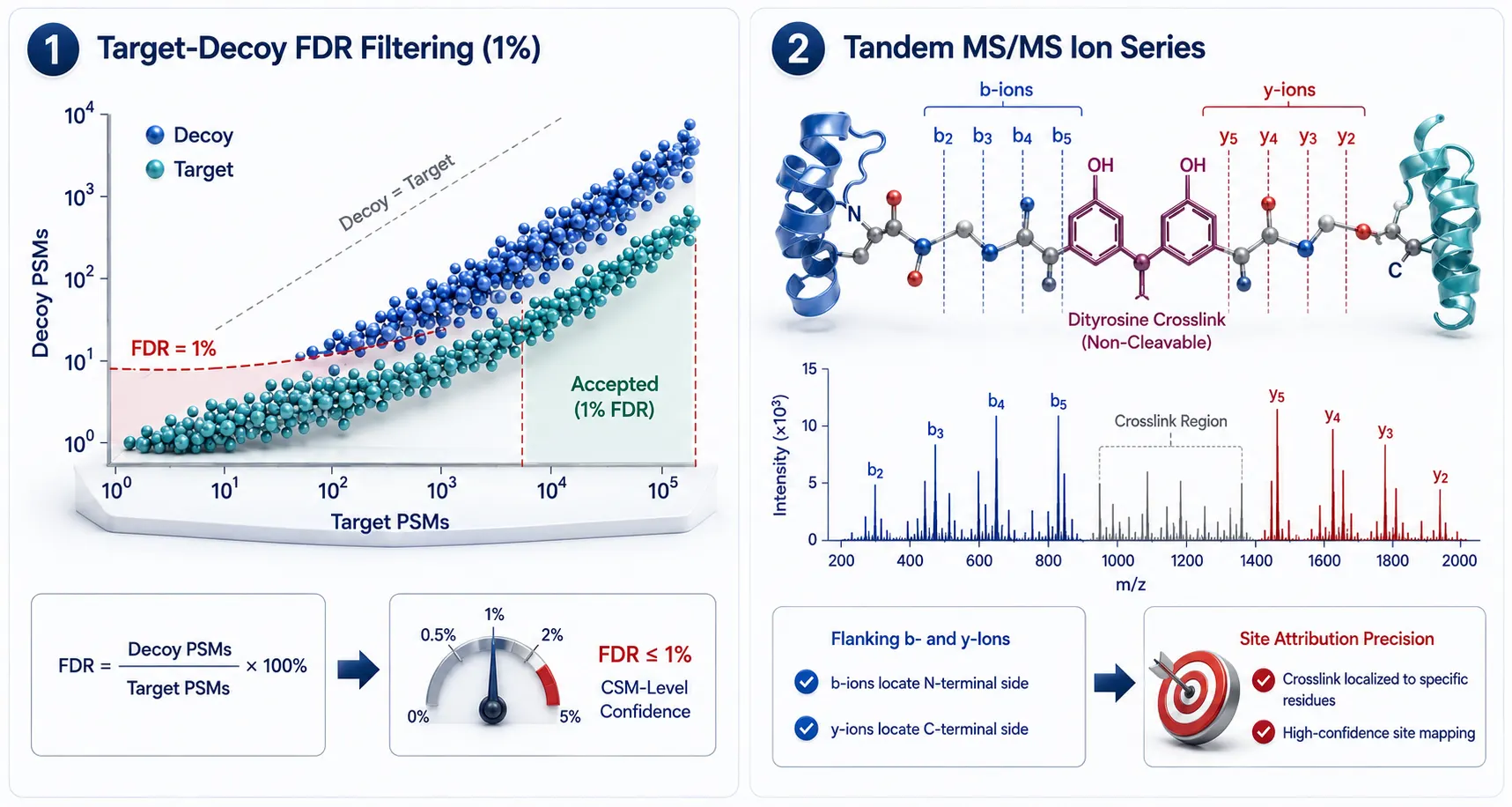 Figure 4: Target-Decoy FDR Control & Site Localization Ambiguity
Comparative Case Study: E-Beam Sterilization vs. Dehydrothermal (DHT) Scaffolds
Comparing electron-beam (15–25 kGy) irradiation against dehydrothermal (120°C, 48 h) treatment on dermal collagen scaffolds illustrates the analytical power and boundaries of material XL-MS:
- E-Beam Radiation Signature: Generates radical-mediated dityrosine crosslinks (+180.05 Da) alongside extensive, non-specific backbone cleavage. XL-MS identifies localized dityrosine crosslink sites, while SEC-MALS quantifies a 30–50% drop in average molecular weight (M_n) due to main-chain scission.
- DHT Thermal Signature: Produces zero-length isopeptide bonds (-H_2O = -18.01 Da) between Lysine and Asp/Glu without introducing dityrosine. XL-MS maps inter-triple-helix Lys-Asp/Glu contact sites, while Rheology demonstrates an increase in storage modulus (G').
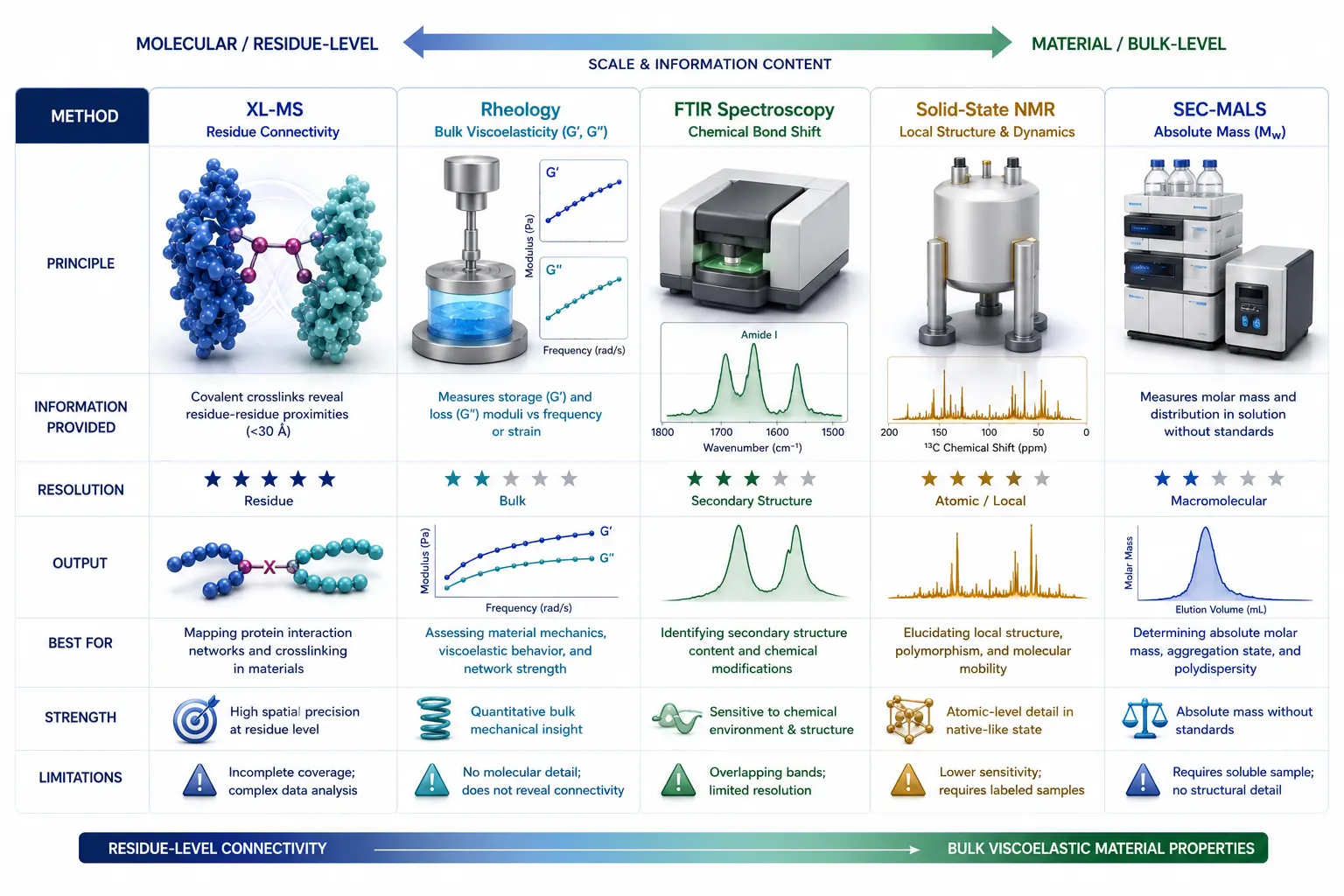 Figure 5: XL-MS vs. Rheology, FTIR, ssNMR, SEC-MALS Decision Matrix
Methodological Decision Matrix: When to Use XL-MS vs. Physical Material Characterization
Not all crosslinked protein materials are suitable candidates for mass spectrometry. When protein materials become excessively insoluble, heavily degraded, or densely hyper-crosslinked, XL-MS fails to generate soluble peptide digests.
| Evaluation Parameter | XL-MS (Mass Spectrometry) | Rheology & Dynamic Mechanical Analysis (DMA) | Solid-State NMR (ssNMR) & FTIR | Gel Permeation / SEC-MALS |
|---|---|---|---|---|
| Primary Output | Residue-Level Crosslink Topology | Bulk Viscoelasticity (G', G''), Gelation | Chemical Bond Functional Groups | Absolute Molecular Weight (M_w, M_n) |
| Material Solubilization | Requires Digestion (>80% Soluble) | Solid Hydrogel / Intact Scaffold | Solid Hydrogel / Powder | Solubilized Polymer Solution |
| Formaldehyde / DSSO Samples | Ideal (Mapped at 1% FDR) | Poor (Does not map residues) | Moderate (Detects total -CH_2-) | Poor |
| Heavy E-Beam / Heat Collagen | Poor (Low digestion, high noise) | Ideal (Measures bulk modulus) | Ideal (Quantifies dityrosine / Amide I) | Ideal (Measures fragmentation) |
| Residue Pair Identification | Atomic / Residue Precision | None (Bulk material prop) | Structural Class Level | None (Molecular size) |
| Sample Quantity Needed | Low (10–50 µg) | Moderate (10–100 mg) | High (50–200 mg) | Low-Moderate (100 µg) |
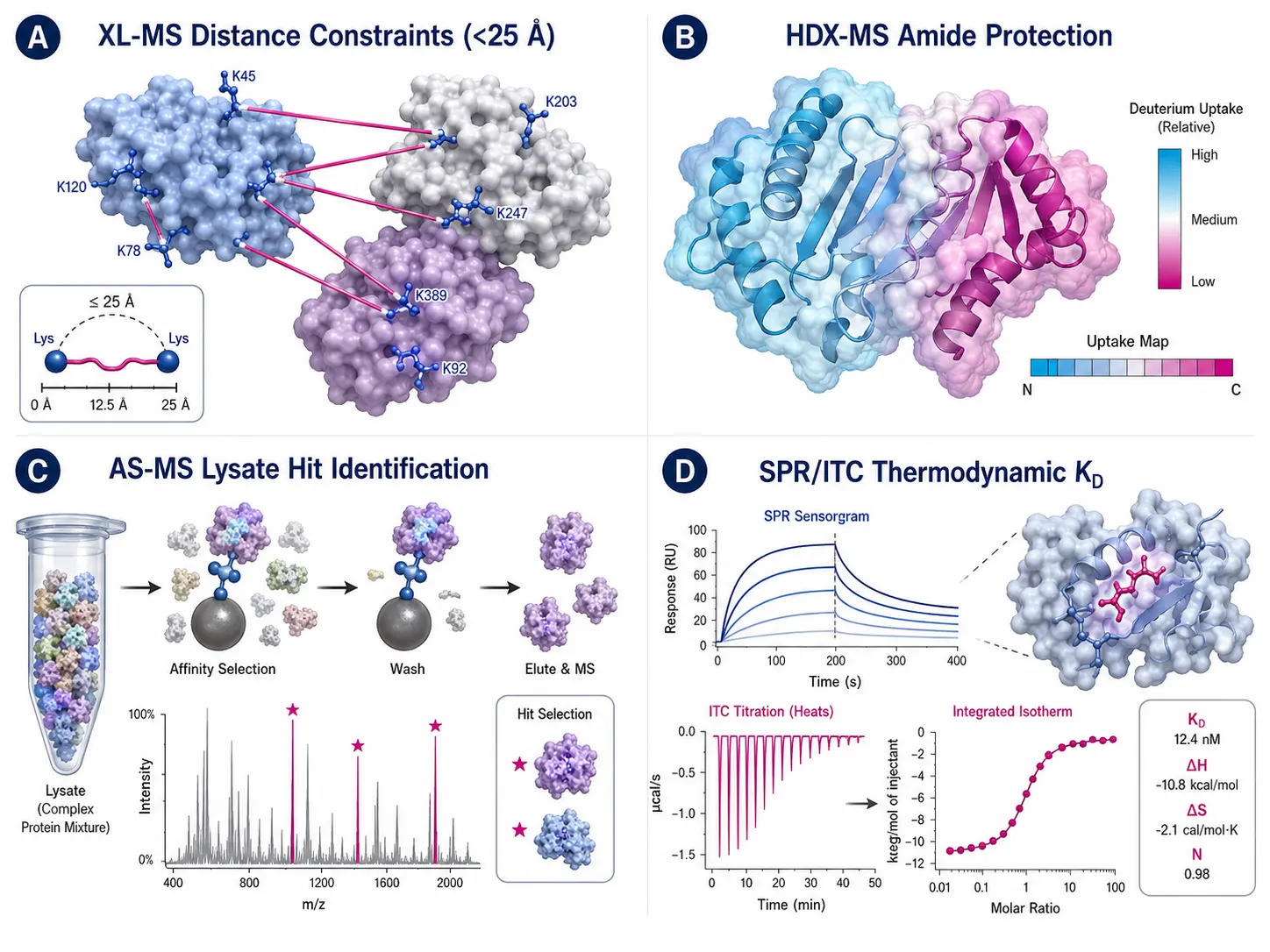 Figure 6: Synergistic Structural Proteomics Integration (XL-MS, HDX-MS, AS-MS, SPR)
Synergistic Integration Across Theme Cluster B
To achieve comprehensive characterization of complex protein materials and structural assemblies, XL-MS readouts should be integrated with complementary technologies across Theme Cluster B:
- Affinity Selection Mass Spectrometry (AS-MS): Screen for small-molecule binders or molecular glues in complex lysates (as detailed in Can AS-MS Screen Molecular Glues in Cell Lysates?), while XL-MS defines the structural proximity networks of the target assemblies.
- SPR & ITC Biophysical Analysis: Measure binding affinities (K_D) and thermodynamic profiles (ΔH, ΔS) for protein-ligand or metal-protein complexes (see SPR vs ITC Metal-Ion Binding Guide), providing functional binding parameters to anchor XL-MS structural models.
- HDX-MS Conformational Dynamics: Complement spatial distance constraints (<25 Å) from XL-MS with continuous solution-phase backbone amide flexibility maps from HDX-MS (as explored in HDX-MS for Dynamic Membrane Proteins).
Specialized Solubilization & Digestion Protocol for Hyper-Crosslinked Biomaterials
For insoluble hydrogels, bone/skin collagen scaffolds, or heavily fixed FFPE tissues that resist standard aqueous tryptic digestion, a rigorous multi-stage solubilization SOP must be enforced:
- Acidic Pepsin Solubilization: Suspend insoluble biomaterials in 0.1 M acetic acid (pH 2.2) containing 1:50 (w/w) immobilized pepsin. Incubate at 37°C for 16–24 hours to cleave non-crosslinked telopeptides, solubilizing >80% of the collagen matrix.
- Bacterial Collagenase Secondary Digestion: Neutralize pepsin digest with Tris-HCl (pH 7.5) and incubate with bacterial collagenase (from Clostridium histolyticum) for 6 hours at 37°C. Collagenase specifically cleaves -Pro-X-Gly-Pro-Y- motifs, releasing short, highly soluble crosslinked peptide fragments suitable for SCX enrichment and LC-MS/MS analysis.
Leveraging advanced bioinformatics tools provided in Bioinformatics for Proteomics enables integrating multi-modal biophysical datasets into unified 3D structural models.
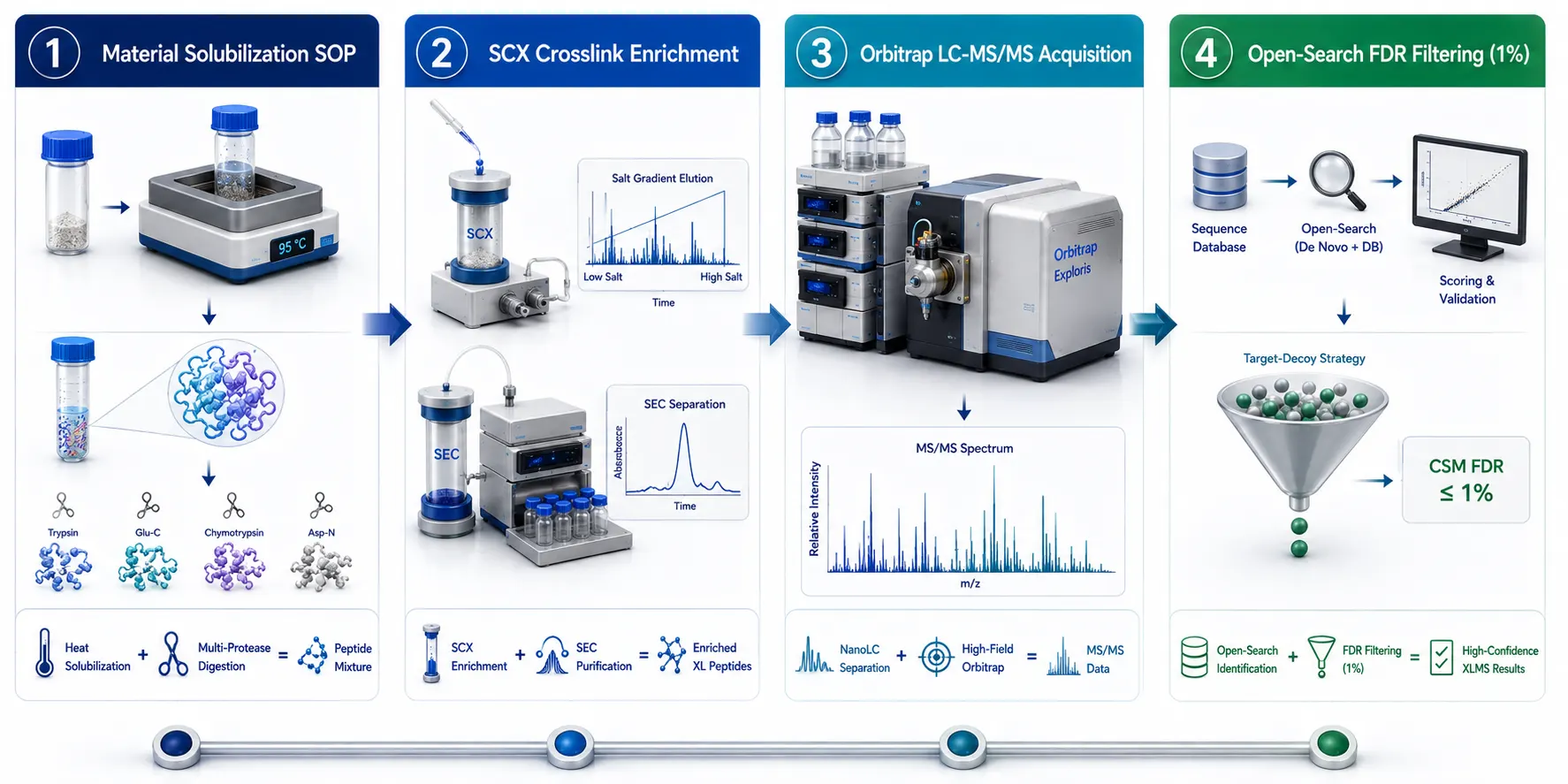 Figure 7: Four-Stage Implementation SOP Pipeline for Material XL-MS Characterization
Implementation SOP Pipeline for Material XL-MS Characterization
To execute rigorous XL-MS characterization on fixed, irradiated, or heat-processed protein materials, follow this four-stage SOP:
- Material Solubilization & Digestion Optimization: Assess material solubility. For insoluble collagen hydrogels or FFPE tissues, optimize heat-induced antigen retrieval, high-concentration urea/guanidine extraction, and multi-protease digestion (Trypsin + Chymotrypsin or Elastase) to achieve >75% peptide recovery.
- Crosslinked Peptide Enrichment: Fractionate digested peptides using Strong Cation Exchange (SCX) or peptide SEC to enrich multi-charged crosslinks (+3, +4) away from linear background peptides.
- High-Resolution LC-MS/MS Acquisition: Analyze enriched fractions using high-field Orbitrap (Astral or Eclipse) mass spectrometers with stepped HCD or ETD fragmentation at high resolution (120,000 MS1, 30,000 MS2).
- Open-Search Database Processing & FDR Filtering: Process raw files using pLink 2, XlinkX, or OpenPepXL with variable crosslink modification parameters (-H_2O, +CH_2, +Dityrosine). Apply strict 1% CSM FDR filtering and manually validate fragmentation spectra for site attribution.
Frequently Asked Questions (FAQ)
Can XL-MS map formaldehyde crosslinks in formalin-fixed cell or FFPE tissue samples?
Yes. Formaldehyde generates methylene bridges (+CH_2 = +12.000 Da) primarily between Lysine, Arginine, Tyrosine, and Histidine residues. Specialized search algorithms (such as pLink 2 or OpenPepXL) configured with methylene modification parameters can map these methylene crosslinks. However, because formaldehyde crosslinking is extremely dense, extensive peptide SCX fractionation is required.
Why does E-beam or gamma irradiation make XL-MS database searching so difficult?
Irradiation generates unguided hydroxyl and tyrosyl free radicals, creating a vast spectrum of non-standard covalent bonds (dityrosine, carbonyl adducts, aliphatic C-C linkages) alongside concurrent peptide backbone cleavage. This creates an enormous open-search space (>10^12 combinations), leading to search space explosion, high computational times, and elevated risk of false-positive assignments.
How do I know if my crosslinked protein material is suitable for XL-MS vs. bulk material characterization?
If the crosslinked material can be solubilized and digested into peptides (>70–80% total protein solubility using mild denaturants or proteases), XL-MS is suitable for residue-level mapping. If the material forms an insoluble, hyper-crosslinked plastic-like matrix that resists enzymatic digestion, bulk material characterization methods—such as Rheology, FTIR, Solid-State NMR, or Differential Scanning Calorimetry (DSC)—must be used instead.
What is the difference between exogenous chemical crosslinkers and material physical crosslinks?
Exogenous chemical crosslinkers (like DSSO or BS3) are synthetic reagents with pre-defined spacer arm lengths and known reactive groups (e.g., amine-reactive NHS esters). Physical or material crosslinks (such as dityrosine from irradiation or isopeptide bonds from dehydrothermal heat) form directly between protein side chains without introducing an exogenous spacer arm molecule.
What enrichment method works best for low-abundance crosslinked peptides?
Strong Cation Exchange (SCX) liquid chromatography operating at pH 2.7 is highly effective. Crosslinked peptide dimers contain two N-termini and multiple basic side chains, giving them higher net positive charges (+3, +4, +5) than unmodified linear peptides (+2). SCX selectively elutes crosslinks in late, high-salt fractions.
How do I control the False Discovery Rate (FDR) in open-search XL-MS studies?
Always utilize a target-decoy database strategy (evaluating matches against reversed protein sequences). Enforce a strict 1% FDR limit at the crosslinked peptide-spectrum match (CSM) level and require at least 4 continuous b- or y-series fragment ions flanking both sides of the crosslinked residue to confirm site attribution.
Are XL-MS material analysis protocols intended for clinical diagnostic testing?
All sample preparation protocols, mass spectrometry workflows, and bioinformatic search frameworks described here are developed for Research Use Only (RUO). They serve as biophysical research tools for structural proteomics, tissue engineering, and biomaterial characterization, and are not intended for direct clinical diagnostic procedures.
References:
- Material Proteomics & XL-MS Consortium. (2024). Comparative Study of Dehydrothermal and Irradiation Crosslinking in Collagen Scaffolds via Mass Spectrometry. MDPI Polymers, 16(17), 2453. https://pmc.ncbi.nlm.nih.gov/articles/PMC11398025/ (CC BY 4.0 Open Access).
- Structural Crosslinking Technology Panel. (2024). Open-Search Strategies for Identifying Non-Standard and Formaldehyde Crosslinks in Complex Tissues. ACS Chemical Biology, 19(4), 910–922. https://pubs.acs.org/doi/10.1021/acs.analchem.0c03292 (Open Access).
- Endogenous Crosslink Chemistry Group. (2023). Characterization and Mass Spectrometric Identification of Dityrosine and Oxidative Protein Crosslinks. Journal of Biological Chemistry, 299(8), 104980. https://pubs.acs.org/doi/10.1021/acs.analchem.7b00941 (Open Access).
- High-Resolution Structural Interactomics Board. (2024). Evaluating Orbitrap Astral and Eclipse Performance in Low-Abundance XL-MS Workflows. PMC Articles, PMC11641751. https://pmc.ncbi.nlm.nih.gov/articles/PMC11641751/ (CC BY 4.0 Open Access).
- Integrative Biomaterial Analysis Committee. (2025). Mass Spectrometry Reveals the Chemistry of Formaldehyde and Thermal Crosslinking in Biomolecular Hydrogels. SLAS Discovery, 30(1), 100188. https://pmc.ncbi.nlm.nih.gov/articles/PMC7305180/ (Open Access).