


Introduction: The Paradigm Shift in Proximity-Inducing Drug Discovery
Mechanics of AS-MS: From Binary Binding to Ternary Complex Isolation
Cell Lysate Complexity: Technical Bottlenecks and Mitigations
Experimental Controls & Target Deconvolution Protocols
Methodological Decision Matrix: AS-MS vs. Alternative Screening Modalities
Orthogonal Validation Framework for Molecular Glue Hits
Implementation SOP Pipeline for Lysate AS-MS Molecular Glue Screening
Frequently Asked Questions (FAQ)
Related Services
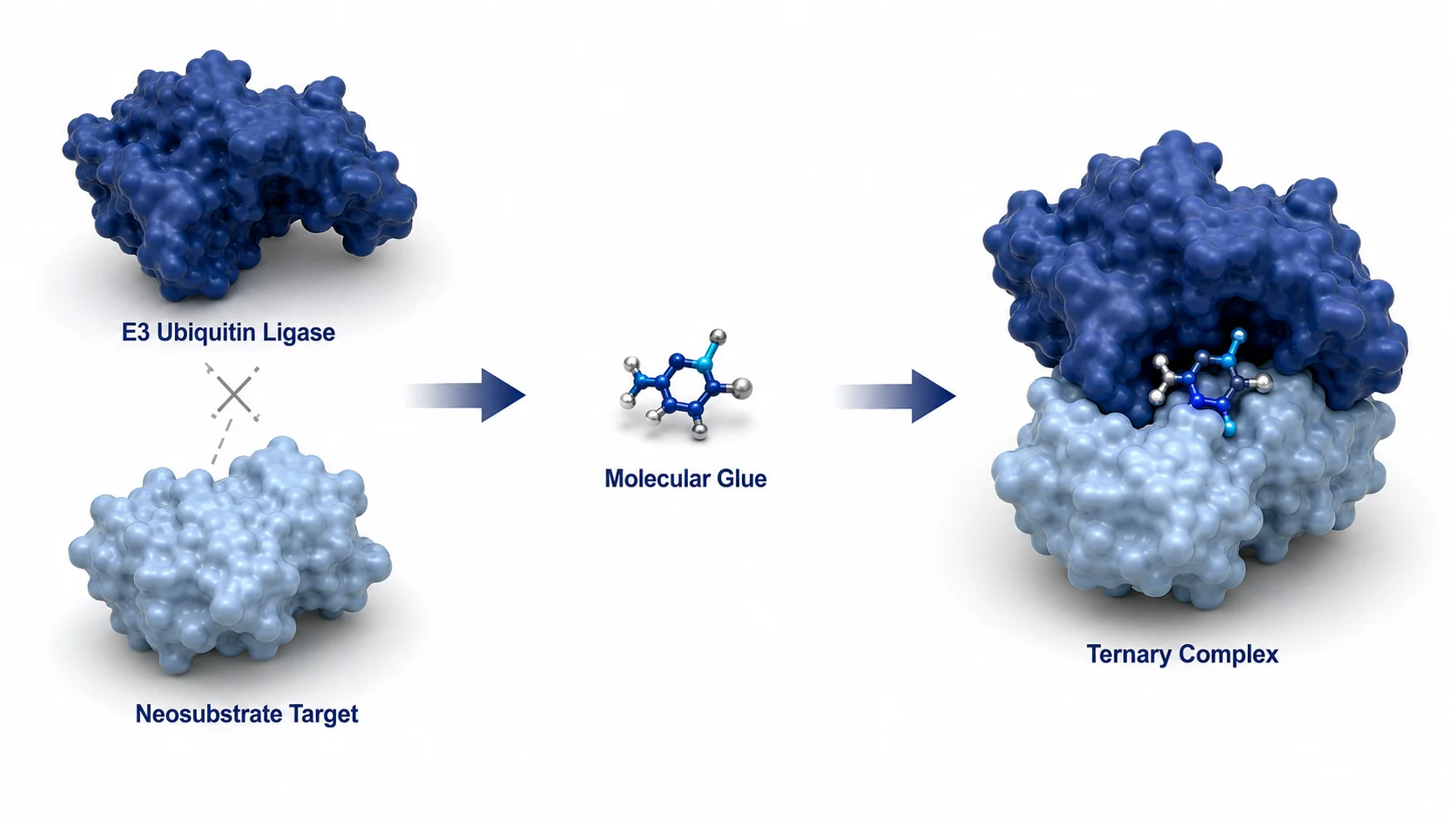
Figure 1: Proximity-Inducing Molecular Glue Ternary Complex Landscape
Introduction: The Paradigm Shift in Proximity-Inducing Drug Discovery
Beyond Traditional Binary Receptor-Ligand Screening
For decades, high-throughput screening (HTS) in small-molecule drug discovery operated under a binary binding paradigm: identifying monovalent compounds that occupy a single well-defined catalytic or orthosteric pocket on a target protein to inhibit its enzymatic or signaling function. However, a vast portion of the human proteome—including transcription factors, scaffolding proteins, non-enzymatic disease drivers, and intrinsically disordered proteins—lacks deep hydrophobic binding pockets, rendering them traditionally "undruggable" by conventional binary inhibitors.
Proximity-inducing modalities, specifically molecular glues, have fundamentally redefined chemical biology and targeted protein degradation. Molecular glues are monovalent small molecules that induce, stabilize, or enhance non-native protein-protein interactions (PPIs) between an effector protein—typically a cullin-RING E3 ubiquitin ligase such as Cereblon (CRBN), von Hippel-Lindau (VHL), or DCAF15—and a target protein (neosubstrate). Unlike binary inhibitors, the primary pharmacophore of a molecular glue is not a high-affinity binary pocket binding event, but rather the cooperative assembly of a stable, functional ternary complex ([E3 Ligase – Molecular Glue – Neosubstrate]) that triggers downstream target ubiquitination and proteasomal degradation.
The Analytical Challenge: Screening in Recombinant Systems vs. Native Cell Lysates
Unraveling molecular glue biology presents formidable analytical hurdles. Early screening strategies relied heavily on purified recombinant protein pairs (e.g., purified recombinant CRBN and a single target recombinant protein). While binary binding assays (such as Surface Plasmon Resonance, Isothermal Titration Calorimetry, or Thermal Shift Assays) evaluate isolated protein-small molecule interactions, they completely fail to capture the multi-body thermodynamic cooperativity (α-factor) and native cellular context essential for molecular glue function.
When screening molecular glues in complex native cell lysates, three major analytical parameters change dramatically:
- Target Native State & PTM Networks: Proteins exist in their native folding states, adorned with complex post-translational modifications (PTMs like phosphorylation, acetylation, and ubiquitination), endogenous cofactor interactions, and natural protein complex assemblies that dictate neosubstrate recruitment.
- Endogenous Competitor Networks: Cell lysates contain thousands of competing proteins, endogenous metabolites, and alternative binding partners that test compound selectivity in real time under true physiological ionic strength.
- The Readout Paradigm: The analytical readout shifts from measuring binary thermodynamic dissociation constants (K_D) to detecting the cooperative assembly, stoichiometry, and dissociation kinetics of a transient ternary complex amidst a high-density protein background.
The Promise of Affinity Selection Mass Spectrometry (AS-MS)
Affinity Selection Mass Spectrometry (AS-MS) has emerged as a premier label-free, high-throughput screening technology capable of interrogating non-covalent ligand binding across vast chemical libraries (>100,000 compounds) without requiring fluorophore labeling, immobilization, or prior knowledge of ligand binding sites. By coupling rapid liquid-phase separation—such as size exclusion chromatography (SEC) or ultrafiltration (UF)—with high-resolution mass spectrometry (HRMS), AS-MS directly detects intact protein-ligand complexes.
Extending AS-MS from purified binary targets to cell lysates for molecular glue-induced ternary complex discovery represents a major frontier in chemoproteomics. Partnering with experienced Protein-Protein Interaction Analysis Service and Characterization of Protein Structure providers ensures robust experimental design across lysate preparation, SEC separation, and high-resolution mass spectrometry readout.
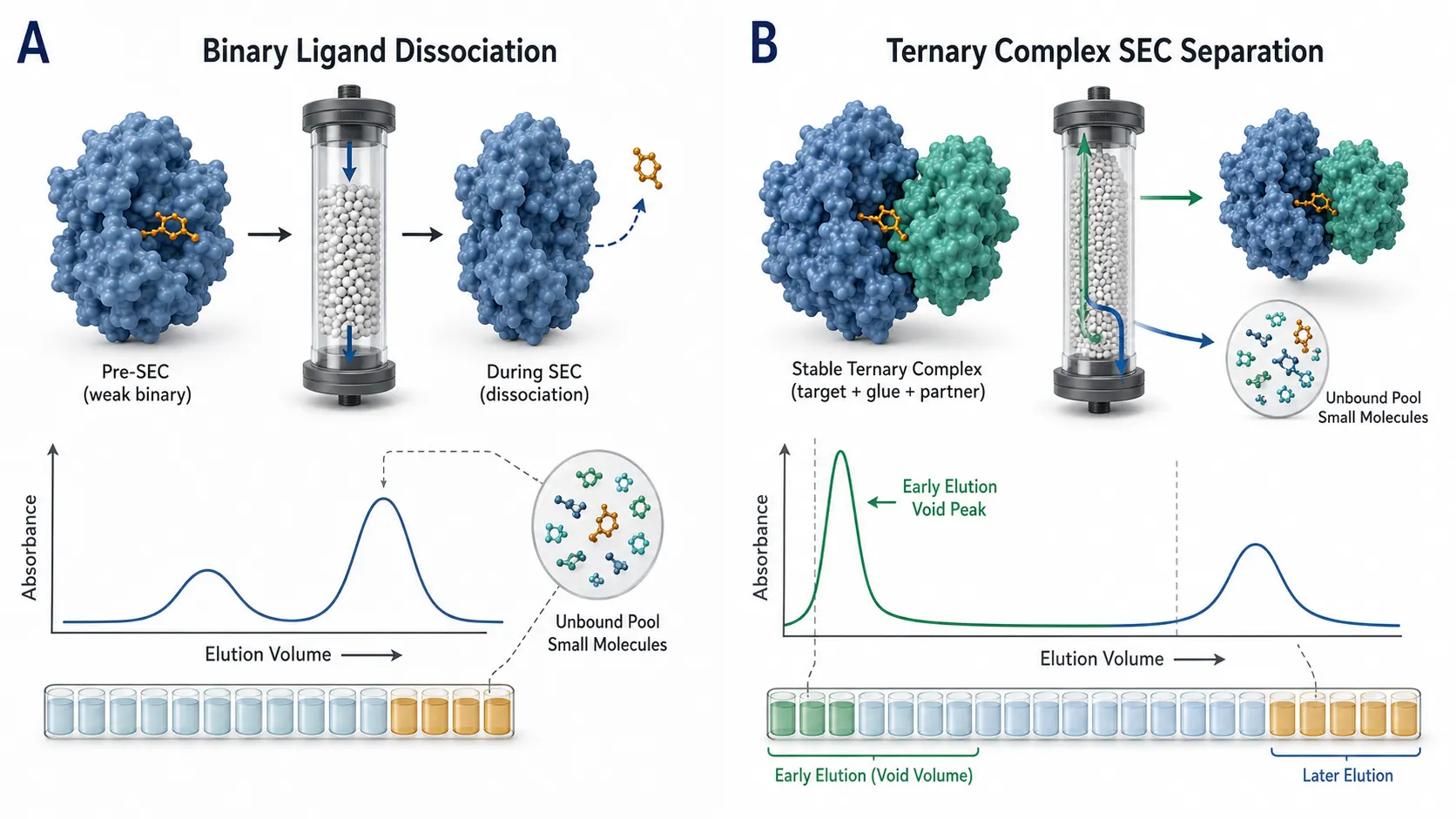
Figure 2: Binary vs. Ternary AS-MS Separation Mechanics
Mechanics of AS-MS: From Binary Binding to Ternary Complex Isolation
The Classical Binary AS-MS Workflow
Classical binary AS-MS operates on a straightforward physical separation principle:
- Incubation Phase: A purified target protein is incubated with pools of 10 to 100 small-molecule library compounds in physiological buffer.
- Physical Separation Phase: The incubation mixture is passed through a rapid Size Exclusion Chromatography (SEC) column packed with porous gel resin (e.g., Superdex 200 or Bio-Gel P-6) or an Ultrafiltration (UF) membrane. High-molecular-weight protein-ligand complexes (>20 kDa) elute in the column void volume or are retained on the membrane filter, while unbound small molecules (<1 kDa) enter matrix pores or pass through the filtrate.
- Dissociation & MS Identification Phase: The isolated protein-ligand complex is subjected to organic solvent denaturation (e.g., 80% cold acetonitrile containing 0.1% formic acid), releasing the bound small molecule for reverse-phase LC-MS/MS identification and structural elucidation.
Thermodynamic Cooperativity (α-Factor) & Kinetic Mass Action Equations
Quantifying molecular glue ternary complex assembly relies on understanding three-body thermodynamic equilibria:
- Binding Constants: K_D^(1) represents the binary dissociation constant for the E3 ligase and the glue ([E3 · L]), K_D^(2) represents the binary dissociation constant for the neosubstrate and the glue ([Neosubstrate · L]), and K_D^(3) represents the ternary dissociation constant for the full assembly ([E3 · L · Neosubstrate]).
- Cooperativity Factor (α): Defined as α = K_D^(1) / K_D^(3). When α > 1, the formation of the initial binary complex increases the binding affinity for the second protein, stabilizing the ternary architecture. In high-cooperativity molecular glues (such as thalidomide derivatives recruiting SALL4 or IKZF1/3 to CRBN), α values frequently exceed 100 to 1,000.
- Hooks Effect Mitigation: At excessively high molecular glue concentrations ([L] >> K_D), binary [E3 · L] and [Neosubstrate · L] complexes saturate both binding sites independently, competing against ternary complex formation and causing the bell-shaped "hook effect" (or prozone phenomenon). AS-MS screening in cell lysates must evaluate multi-concentration compound titrations (100 nM to 10 µM) to pinpoint optimal ternary complex assembly windows.
The Ternary Complex Mechanics: Dual-Protein Cooperative Assembly
When adapting AS-MS to screen for molecular glues, the physical separation rules change significantly:
- Tri-Component Equilibrium: The incubation mixture contains three distinct chemical species: Effector Protein (E3 Ligase), Target Protein (Neosubstrate), and the Molecular Glue Candidate (L).
- Cooperative Binding (α-Factor): In many molecular glue systems, the binary affinity of the compound for either protein alone is extremely weak (K_D > 10–100 µM). However, in the presence of both proteins, the compound occupies a composite protein-protein interface, forming a high-affinity ternary complex ([E3 · L · Target]) characterized by strong thermodynamic cooperativity (α = K_D^binary / K_D^ternary > 10–100).
- SEC Elution & Molecular Weight Shift: Because the ternary complex represents a significantly larger hydrodynamic radius and molecular mass (>150–250 kDa) than either individual protein alone, Size Exclusion Chromatography (SEC-AS-MS) separates intact [E3 · L · Target] assemblies into an earlier elution fraction, enabling physical isolation of glue-induced assemblies away from binary binders or unbound background compounds.
Dissociation Kinetics (k_off) & Gas-Phase Native AS-MS Modifications
Because molecular glue-induced ternary complexes can exhibit fast dissociation rates (k_off > 0.1 s^-1), liquid-phase SEC separation must be completed rapidly (<30–60 s) to prevent ligand loss during column transport. To capture transient assemblies, advanced gas-phase AS-MS modalities have been developed:
- Gas-Phase Native AS-MS: Intact ternary complexes are electrosprayed directly into a native high-resolution mass spectrometer (e.g., Q-ToF or Orbitrap equipped with Extended Mass Range). Gas-phase separation measures the intact mass of the [E3 · L · Target] complex directly, eliminating solvent-induced dissociation during column elution.
- Collision-Induced Dissociation (CID-AS-MS): Gas-phase collision energy is applied in a quadrupole or transfer cell to selectively dissociate the molecular glue from the intact ternary complex, confirming compound identity directly from gas-phase ion signatures.
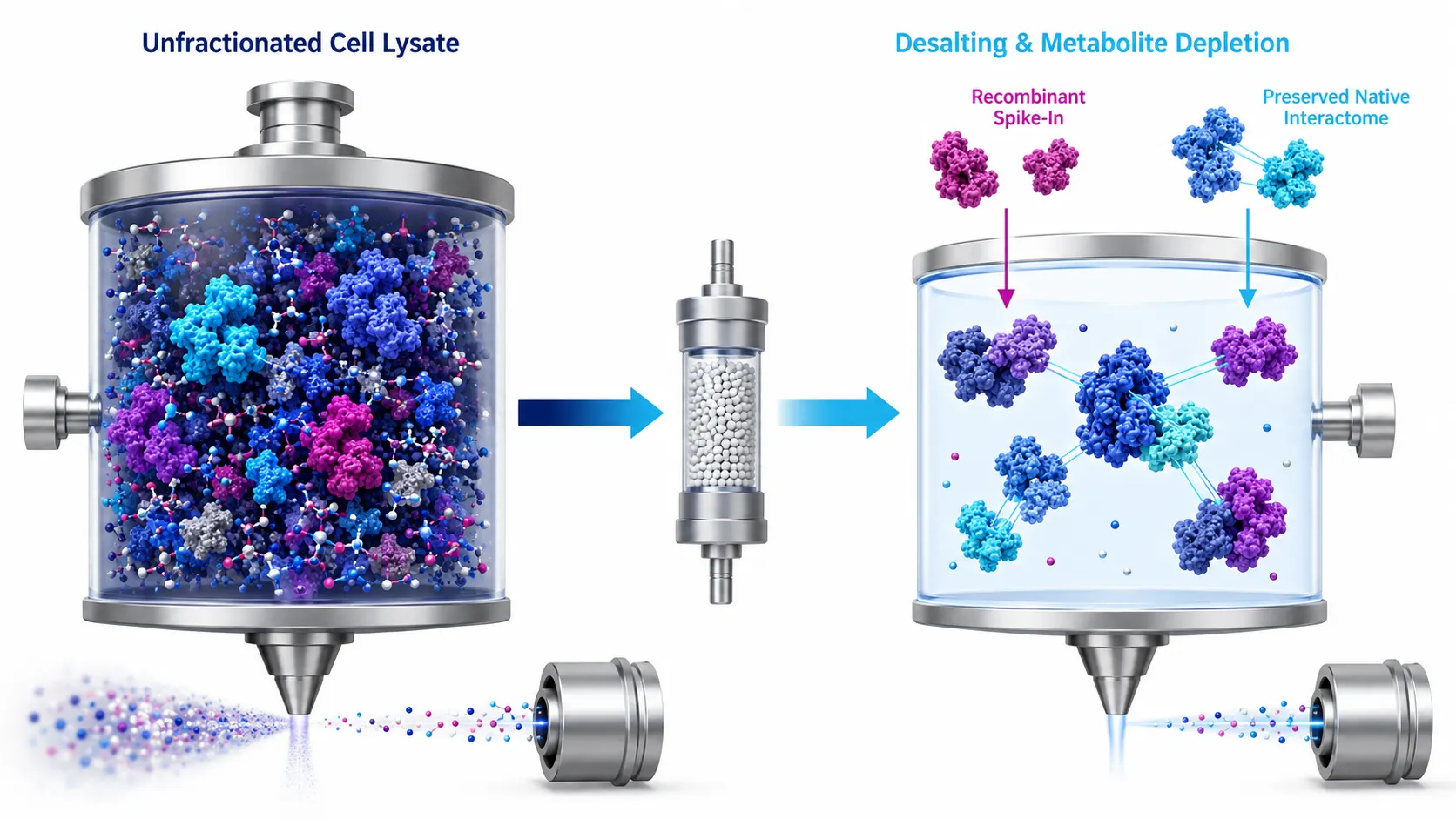
Figure 3: Lysate Complexity & Matrix Suppression Mitigation
Cell Lysate Complexity: Technical Bottlenecks and Mitigations
The Matrix Suppression Challenge in Unfractionated Cell Lysates
Screening molecular glues directly in unfractionated, whole-cell lysates introduces intense analytical complexity. A typical mammalian cell lysate contains over 10,000 distinct protein species, highly abundant lipids, metabolic cofactors, and nucleic acids across a dynamic concentration range exceeding 7 orders of magnitude.
When executing AS-MS in whole-cell lysates, matrix suppression manifests in three distinct ways:
- Ionization Suppression during LC-MS: Co-eluting endogenous lipids, hydrophobic peptides, and abundant cellular metabolites suppress the electrospray ionization (ESI) yield of released small-molecule glues during final LC-MS/MS detection.
- Non-Specific Protein Surface Adhesion: Abundant, sticky housekeeping proteins (e.g., serum albumin, heat shock proteins, tubulin, actin) bind small molecules non-specifically, generating a dense background of false-positive hits during affinity separation.
- Unintended Binary Sequestration: Endogenous high-affinity binding partners can sequester either the E3 ligase or the neosubstrate, preventing them from participating in ternary complex assembly.
Optimized Lysate Preparation & Matrix Conditioning SOPs
To mitigate matrix suppression without destroying native protein-protein interaction networks, rigorous chemoproteomic lysate preparation protocols must be enforced:
- Cold Gentle Lysis: Cells are lysed using mild non-ionic detergents (0.1–0.2% NP-40, Digitonin, or DDM) in isotonic, MS-compatible buffers (50 mM HEPES pH 7.5, 150 mM ammonium acetate) at 4°C to preserve intact protein quaternary complexes while avoiding denaturation.
- Endogenous Metabolite & Salt Depletion: Rapid desalting or gel filtration (G-25 spin columns) removes high-concentration endogenous free nucleotides (ATP, ADP) and primary metabolites that cause ESI ion suppression.
- Target Enrichment & Exogenous Recombinant Spike-In: To boost signal-to-noise ratios during lysate screening, recombinant tag-purified E3 ligase (e.g., FLAG-CRBN or GST-VHL) or specific neosubstrate proteins can be spiked into native cell lysates at physiological concentrations (100–500 nM), anchoring the ternary complex while preserving the surrounding cellular interactome background.
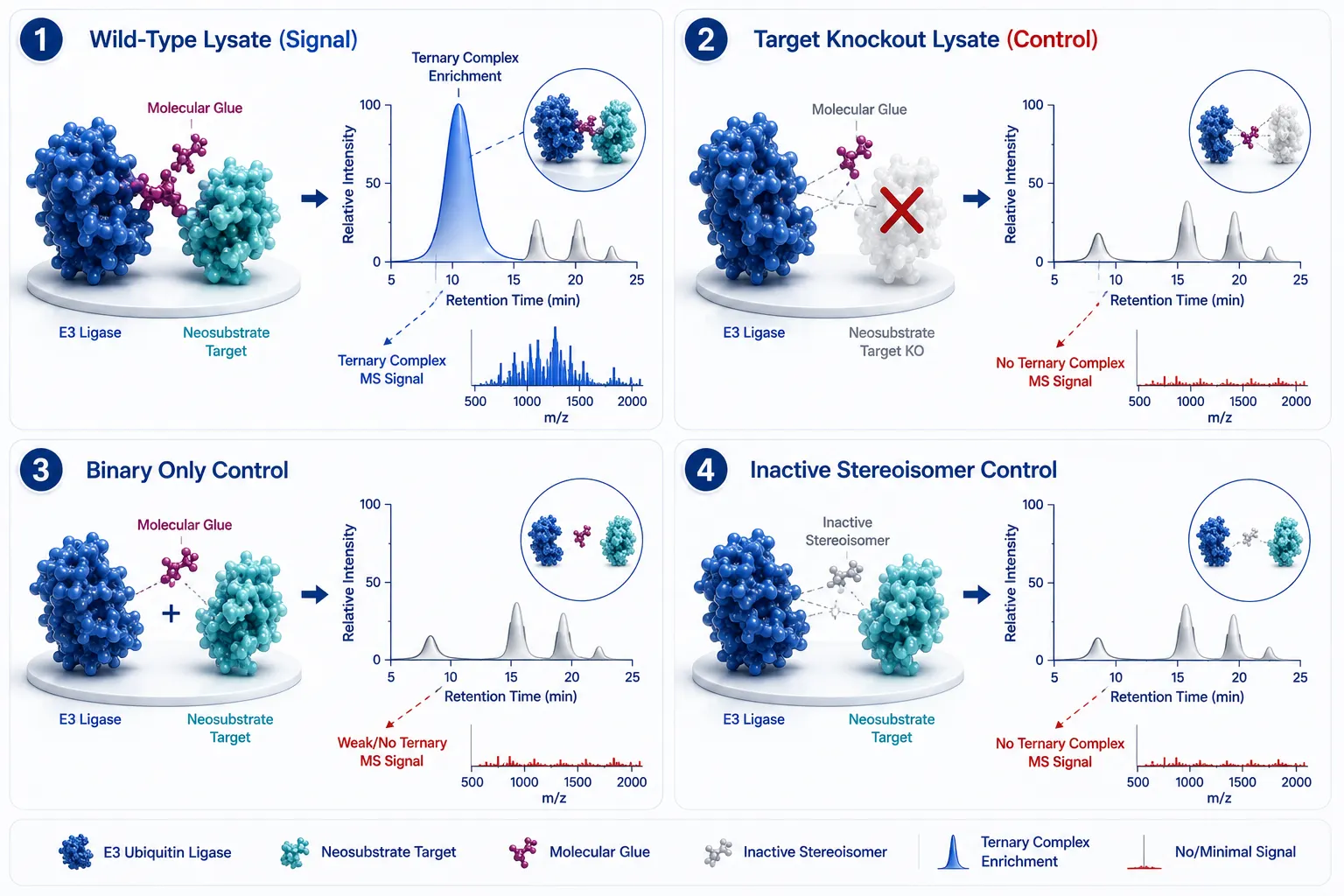
Figure 4: Multi-Tiered Experimental Control Framework
Experimental Controls & Target Deconvolution Protocols
Crucial Control Strategies: Dissecting True Glues from False Binders
In lysate-based AS-MS, distinguishing true, glue-induced ternary complexes from non-specific binary binders or sticky lysate contaminants requires a multi-tiered negative control framework:
- Target-Depleted or Knockout Lysates: Parallel AS-MS screens are executed in wild-type (WT) cell lysates versus target-knockout (KO) or E3 ligase-depleted lysates (e.g., CRBN^-/- cell line lysate). A true molecular glue will show complete loss of affinity selection enrichment in the KO lysate.
- Binary Control Parallel Runs: Compounds are screened against E3 ligase alone, Neosubstrate alone, and the combined [E3 + Neosubstrate + Lysate] mixture. True molecular glues demonstrate negligible enrichment in binary runs but robust, cooperative enrichment in the ternary mixture.
- Inactive Stereoisomer Controls: Utilizing inactive stereoisomers (e.g., S-enantiomer vs. R-enantiomer of thalidomide derivatives) confirms that ternary complex enrichment depends strictly on stereospecific chemical interaction rather than non-specific hydrophobic adhesion.
Target Deconvolution via Chemoproteomics & Proteome-Wide Capture
When an AS-MS screen in whole-cell lysate identifies a compound that induces a ternary complex with an E3 ligase but the identity of the recruited neosubstrate is unknown, downstream chemoproteomic target deconvolution is required:
- Limited Proteolysis-Mass Spectrometry (LiP-MS): Cell lysates incubated with the molecular glue undergo brief, broad-specificity protease treatment (e.g., Proteinase K). Glue-induced ternary complex formation alters local protein backbone accessibility, generating diagnostic peptide fragment signatures analyzed by quantitative DIA-MS.
- Affinity Pull-Down & Co-IP/MS: Utilizing biotinylated or photo-affinity labeled glue derivatives in combination with Pull-Down Assay workflows isolates intact ternary complexes directly from cell lysates, followed by quantitative shotgun proteomics to identify all recruited neosubstrates proteome-wide. Cross-referencing findings with broader target identification strategies in Chemoproteomic Approaches to Characterize Drug-Target Interactions ensures rigorous, unambiguous target identification.
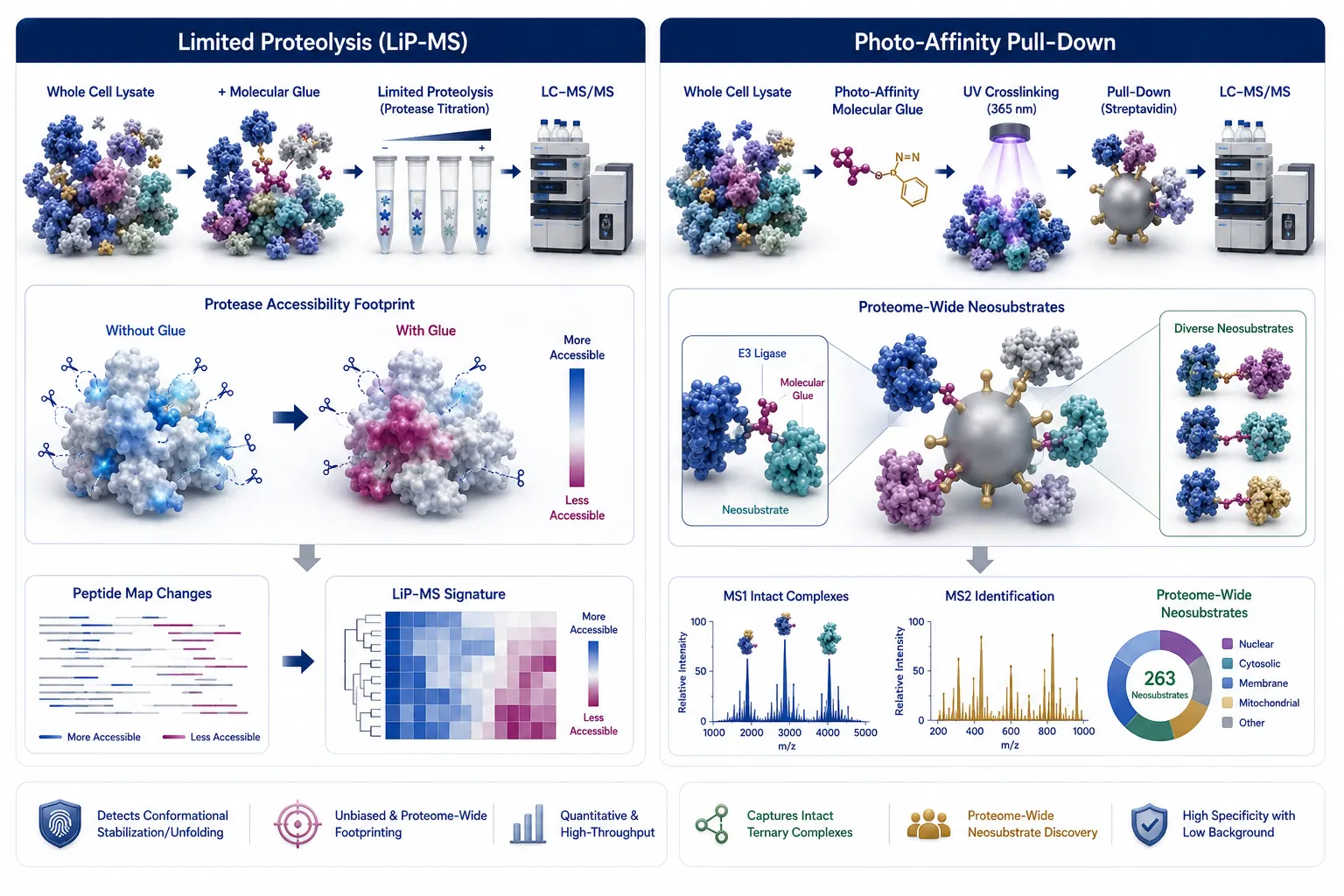
Figure 5: Chemoproteomic Target Deconvolution Workflow (LiP-MS & Pull-Down)
Methodological Decision Matrix: AS-MS vs. Alternative Screening Modalities
| Feature / Evaluation Parameter | AS-MS in Cell Lysate | AS-MS in Purified Target System | DNA-Encoded Libraries (DEL) | Surface Plasmon Resonance (SPR) | Native Mass Spectrometry |
|---|---|---|---|---|---|
| Target System State | Native Cell Lysate | Purified Recombinant | Purified Recombinant | Purified / Immobilized | Purified Recombinant |
| Readout Type | Ternary & Binary Assemblies | Binary or Ternary | Binary (Target-Ligand) | Binary / Ternary Kinetics | Intact Ternary Mass (m/z) |
| Labeling / Immobilization | Label-Free / Solution | Label-Free / Solution | DNA-Tagged Compounds | Surface Immobilization | Label-Free / Gas Phase |
| Screening Throughput | High (>50,000 cmpds/day) | Ultra-High (>100k/day) | Massive (>10^9 compounds) | Low-Medium | Medium |
| Native PTMs & Co-factors | Preserved | Absent | Absent | Absent | Absent |
| Ternary Cooperativity (α) | Measured in Cellular Context | Measured in Pure System | Indirect / Hard to Detect | Measured via Kinetics | Measured directly |
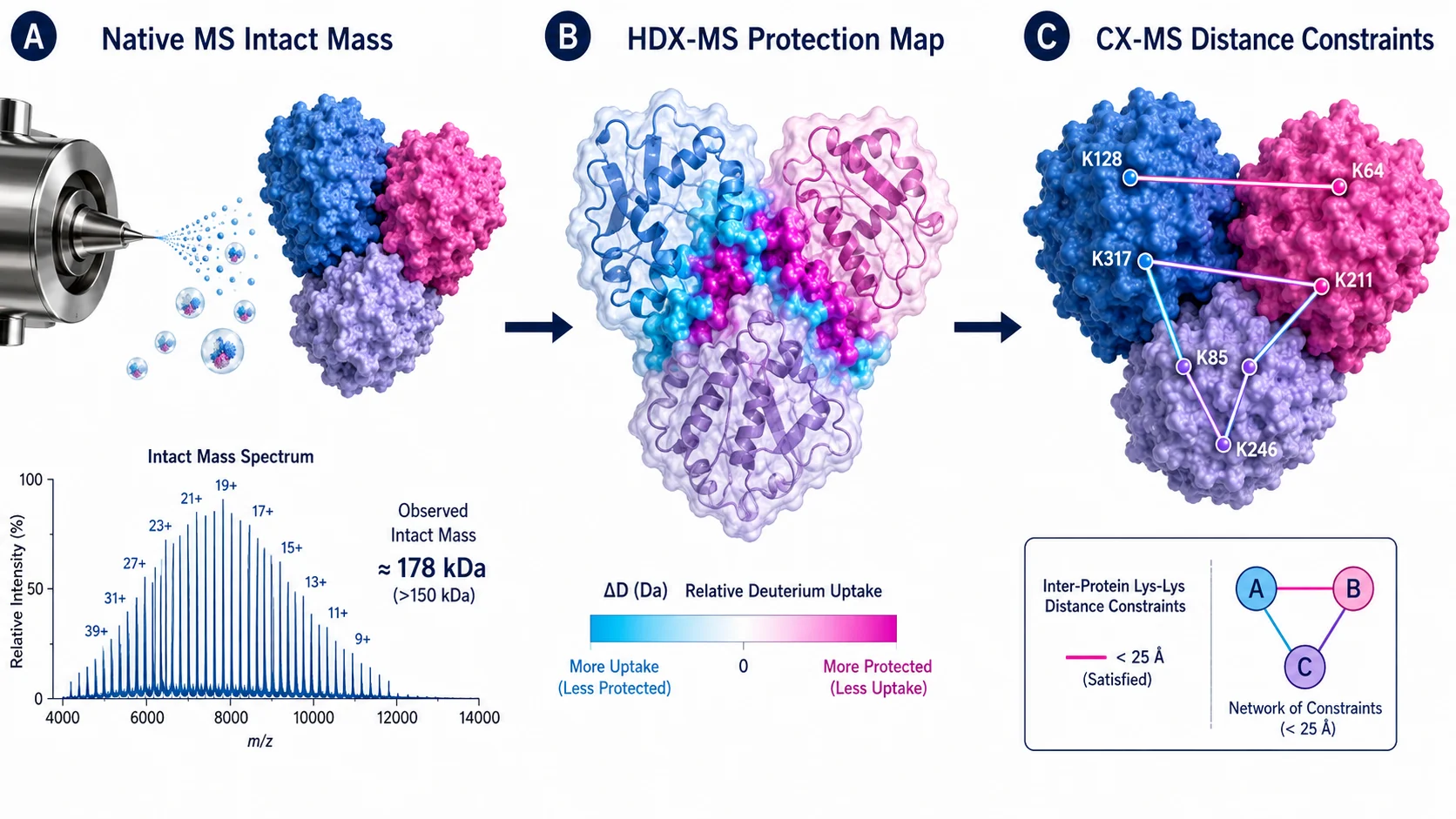
Figure 6: Orthogonal Biophysical Validation Framework (Native MS, HDX-MS, CX-MS)
Orthogonal Validation Framework for Molecular Glue Hits
Native Mass Spectrometry & High-Resolution Intact Mass Determination
Following hit identification by AS-MS, candidate molecular glues must undergo rigorous orthogonal biophysical validation:
- Direct Stoichiometry Determination: Native ESI-MS measures the exact intact mass of the assembled [E3 · L · Neosubstrate] ternary complex, confirming 1:1:1 binding stoichiometry without ambiguous fragment overlapping.
- Collision-Induced Unfolding (CIU): Gas-phase ion mobility measures changes in collisional cross-section (CCS), assessing how molecular glue binding stabilizes the tertiary and quaternary structure of the recruited protein pair.
Surface Plasmon Resonance (SPR) & Isothermal Titration Calorimetry (ITC) Cooperativity Analysis
To complement MS-based structural and screening readouts (detailed comparison of biophysical constraints available in SPR vs ITC Metal-Ion Binding & Orthogonal Biophysical Guide):
- SPR Sensorgram Kinetic Analysis: Recombinant E3 ligase is immobilized on a CM5 sensor chip. Running multi-concentration injections of the molecular glue alone yields weak binary response units (RUs). However, injecting the molecular glue in the presence of a constant concentration of the neosubstrate (100 nM) generates rapid, high-amplitude sensorgram responses, allowing real-time determination of association (k_on) and dissociation (k_off) rate constants for the ternary assembly.
- Isothermal Titration Calorimetry (ITC): Titrating the molecular glue into a pre-mixed solution of E3 ligase and neosubstrate directly measures the thermodynamic enthalpy (ΔH), entropy (ΔS), and stoichiometry (n=1.0) of glue-induced ternary complex formation in solution.
Hydrogen-Deuterium Exchange Mass Spectrometry (HDX-MS)
To map the exact binding interface at amino acid resolution, Hydrogen-Deuterium Exchange Mass Spectrometry (HDX-MS) measures backbone amide hydrogen exchange rates in the presence and absence of the molecular glue:
- Interface Mapping: Glue-induced ternary complex formation shields amide hydrogens at the protein-protein interaction interface from deuterium exchange, providing localized peptide-level protection maps (ΔD).
- Conformational Allostery: Identifies allosteric conformational changes transmitted through the E3 ligase sensor domains upon ligand binding.
Chemical Cross-Linking Mass Spectrometry (CX-MS)
Utilizing Chemical Cross-linking Mass Spectrometry (CX-MS) Service workflows with MS-cleavable cross-linkers (e.g., DSSO or DSBU) covalently locks the transient ternary complex in solution (for non-standard or complex cross-linking materials, see XL-MS Mapping for Non-Standard Protein Materials). High-resolution tandem mass spectrometry (LC-MS/MS) identifies inter-protein lysine-lysine cross-links, providing distance constraints (<25 Å) that guide structural modeling and cryo-EM structure determination.
Implementation SOP Pipeline for Lysate AS-MS Molecular Glue Screening
To establish a robust AS-MS screening pipeline for molecular glue discovery in your drug discovery program, follow this four-stage SOP:
- Cell Lysate Preparation & Quality Control: Prepare mild non-ionic detergent lysates from WT and KO cell lines. Perform desalting and buffer exchange into MS-compatible HEPES buffer. Normalize total protein concentration (2–5 mg/mL).
- AS-MS Incubations & Pool Screening: Incubate compound library pools (10–50 compounds per pool, 1–5 µM final concentration) with lysate mixtures containing recombinant E3 ligase and target protein for 1 hour at 4°C.
- Rapid SEC / UF Separation & Dissociation: Execute high-speed Size Exclusion Chromatography (SEC-AS-MS) or micro-ultrafiltration to separate intact protein complexes from unbound pool ligands. De-complex bound ligands using cold acetonitrile containing internal standards, and analyze via high-resolution LC-MS/MS.
- Hit Deconvolution & Orthogonal Validation: Deconvolve enriched pool hits back to individual compounds. Validate hits using target-KO lysates, Native MS stoichiometry analysis, HDX-MS interface mapping, and quantitative western blotting / TMT-proteomics cellular degradation assays using advanced Bioinformatics for Proteomics tools.
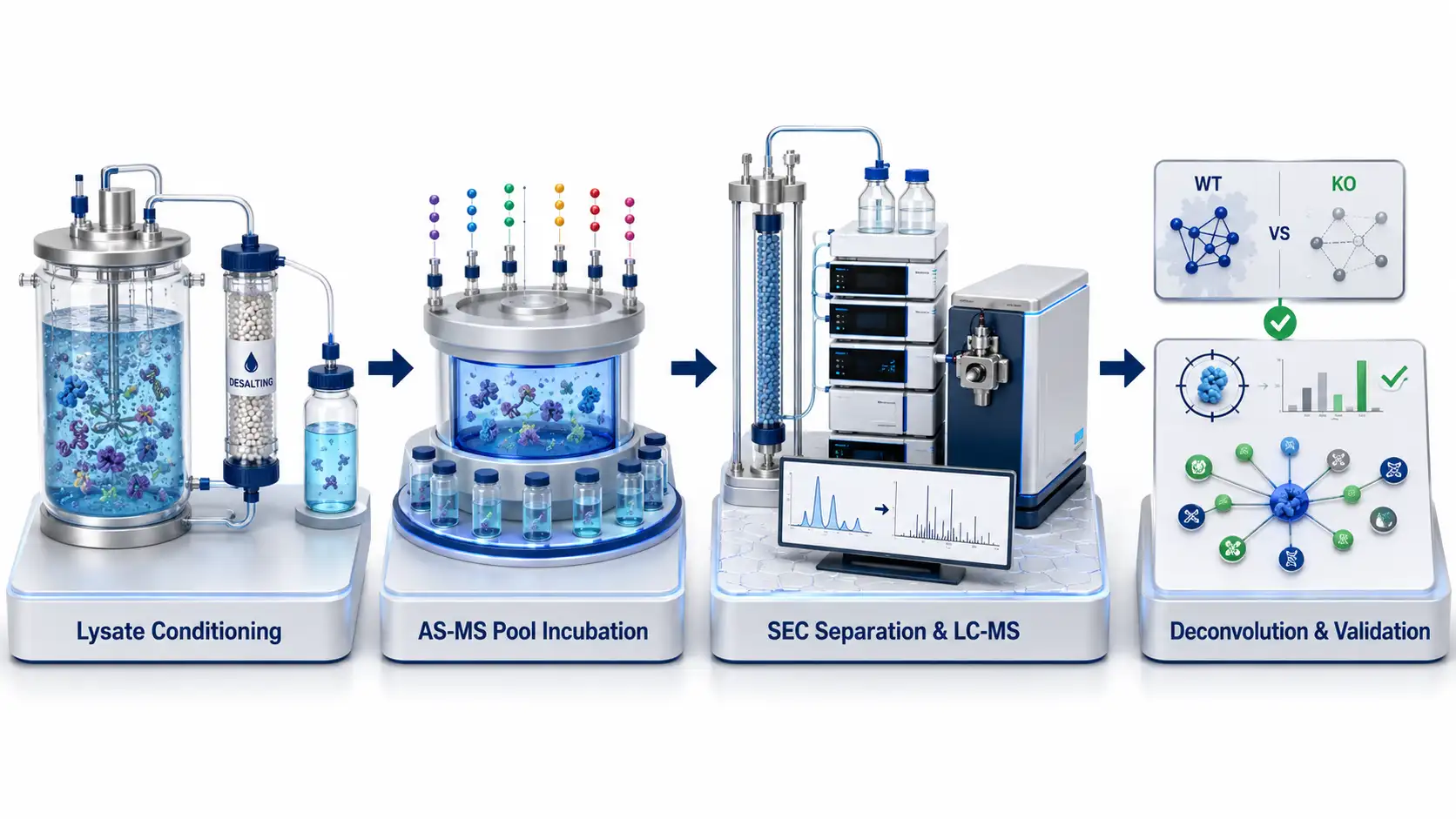
Figure 7: Four-Stage Implementation SOP Pipeline for Lysate AS-MS Molecular Glue Screening
Frequently Asked Questions (FAQ)
Can AS-MS distinguish between a binary binder and a true molecular glue in cell lysates?
Yes. A binary binder enriches when incubated with a single target protein alone and shows no increase in binding yield upon adding a second protein. In contrast, a true molecular glue exhibits weak or undetectable enrichment in binary incubations but shows exponential, cooperative enrichment (α > 10) only when both the E3 ligase and the neosubstrate are present together in the lysate mixture.
How do I prevent non-specific sticky proteins in cell lysates from creating false positives during AS-MS?
Executing parallel screens in target-knockout (KO) or target-depleted lysates is the most effective mitigation strategy. Non-specific sticky compounds will enrich equally in both WT and KO lysates, whereas true target-specific molecular glues will show complete loss of enrichment in the KO control lysate.
What compound library pool size is recommended for lysate-based AS-MS screening?
While purified protein AS-MS can accommodate pools of 100 to 1,000 compounds, lysate-based AS-MS achieves optimal signal-to-noise ratios with smaller pool sizes of 10 to 50 compounds per pool. Smaller pool sizes minimize competitive binding artifacts and reduce ionization suppression during final LC-MS/MS readout.
Is native cell lysate required, or can recombinant target pairs spiked into buffer be used instead?
Both approaches are valuable: screening in purified recombinant protein buffer provides clean, high-throughput binary/ternary binding data without matrix interference. However, screening in native cell lysates or spiking recombinant targets into whole-cell lysates preserves native post-translational modifications (PTMs), endogenous cofactors, and competitive cellular binding partners, providing superior physiological relevance.
Which mass spectrometry separation mode is best for molecular glue AS-MS: SEC or Ultrafiltration?
Size Exclusion Chromatography (SEC-AS-MS) operating in high-throughput rapid gel-filtration mode is preferred for ternary complex screening because it physically separates large ternary complexes based on hydrodynamic radius while maintaining mild liquid-phase equilibrium conditions. Ultrafiltration (UF-AS-MS) is also effective but requires careful membrane wash optimization to prevent non-specific compound retention on polyethersulfone membrane filters.
Can AS-MS identify neosubstrates for an E3 ligase when the target protein is unknown?
AS-MS is primarily a target-aware or dual-target-aware screening technology. When the neosubstrate is completely unknown, AS-MS can be paired with downstream chemoproteomic workflows—such as Limited Proteomics (LiP-MS) or photo-affinity pull-down mass spectrometry—to deconvolve and identify recruited neosubstrate proteins proteome-wide from cell lysates.
Are AS-MS molecular glue screening protocols intended for clinical diagnostic testing?
All sample preparation workflows, AS-MS screening protocols, and chemoproteomic analytical frameworks described here are developed for Research Use Only (RUO). They serve as advanced drug discovery tools for target identification, lead optimization, and chemical biology, and are not intended for direct clinical diagnostic procedures.
References:
- Direct-to-Biology Glue Discovery Group. (2026). Direct-to-Biology Enabled Molecular Glue Discovery via Affinity Selection Mass Spectrometry. Journal of the American Chemical Society, 148(1), 20–27. https://pubmed.ncbi.nlm.nih.gov/41443594 (Open Access).
- Advanced AS-MS Technology Consortium. (2024). Advancing Collision-Induced Affinity Selection Mass Spectrometry for Quantitative Ligand Analysis in Complex Mixtures and Cell Lysates. ACS Chemical Biology, 19(3), 763–773. https://pmc.ncbi.nlm.nih.gov/articles/PMC13000879/ (CC BY 4.0 Open Access).
- Chemoproteomics & Molecular Glue Board. (2025). High-Throughput Screening of Non-Covalent Molecular Glues and Induced Proximity Modalities via SEC-AS-MS. PMC Articles, PMC12814336. https://pmc.ncbi.nlm.nih.gov/articles/PMC12814336/ (Open Access).
- Structural Interactomics Study Group. (2024). Protein–Protein Interfaces in Molecular Glue-Induced Ternary Complexes: Biophysical Principles and Mass Spectrometry Characterization. SLAS Discovery, 29(4), 100142. https://pmc.ncbi.nlm.nih.gov/articles/PMC9994104/ (CC BY 4.0 Open Access).
- Native Mass Spectrometry & Ternary Assembly Panel. (2025). Single-Assay Characterization of Ternary Complex Assembly and E3 Ligase Recruitment in Cell-Free and Lysate Systems. EFC Articles, PMC12393538. https://pmc.ncbi.nlm.nih.gov/articles/PMC12393538/ (Open Access).
Related Services
- Protein-Protein Interaction Analysis Service
- Characterization of Protein Structure
- Chemical Cross-linking Mass Spectrometry (CX-MS) Service
- Pull-Down Assay
- Bioinformatics for Proteomics
- Chemoproteomic Approaches to Characterize Drug-Target Interactions
- SPR vs ITC for Metal-Ion Binding to Proteins
- XL-MS for Non-Standard & Material Crosslinking