Meta Intent: A project-design guide for selecting plasma or urine, defining the F2-isoprostane analyte form, and building an LC-MS measurement plan that remains interpretable after collection, normalization, and statistical comparison.
F2-isoprostanes are widely used molecular indicators of free-radical lipid peroxidation, but a result becomes difficult to interpret when the matrix decision is made after samples have been collected. A concentration in plasma and a concentration in urine are not interchangeable observations. They represent different compartments, different analyte pools, and different opportunities for preanalytical artifacts. The same is true for free parent compounds, esterified material released by hydrolysis, and downstream urinary metabolites.
The useful opening question is therefore not, "Which sample is easier to obtain?" It is, "What oxidative process, time window, and comparison does this study need the measurement to represent?" Plasma can be appropriate when a project needs a carefully protected circulating measurement at a defined experimental time point. Urine can be preferable when repeated, non-invasive sampling and an integrated excretion signal better match the study design. Neither matrix is intrinsically more truthful. Each needs a pre-specified analyte definition, handling plan, and normalization logic.
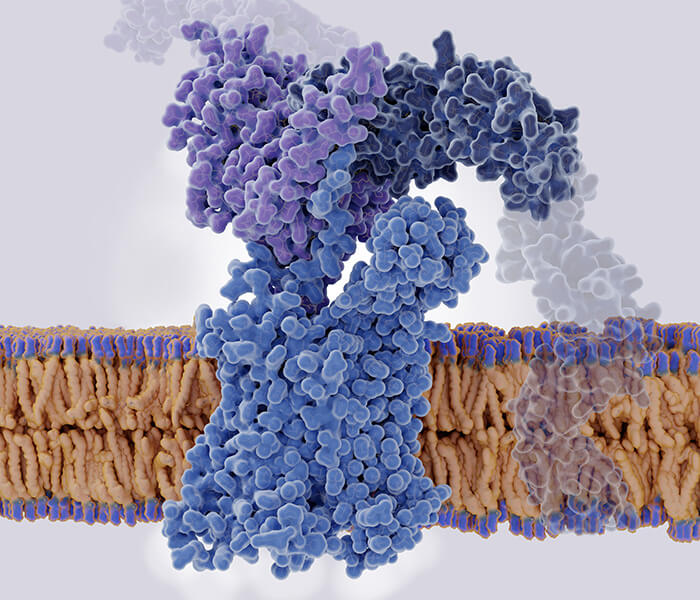
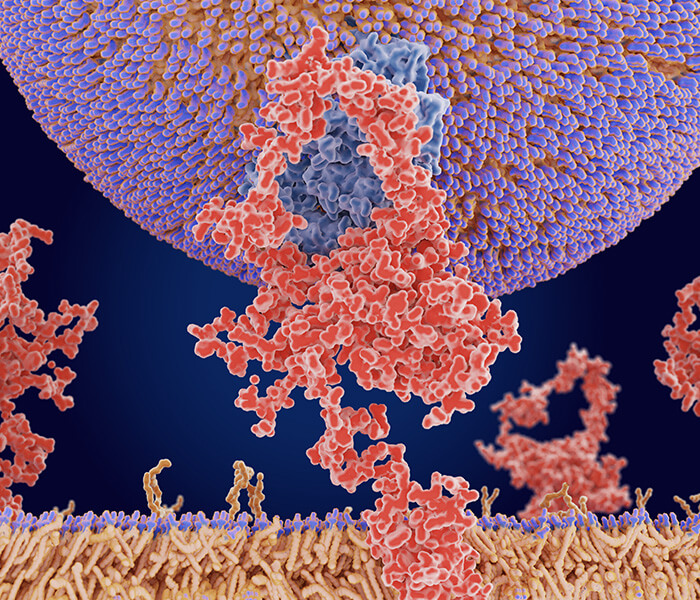
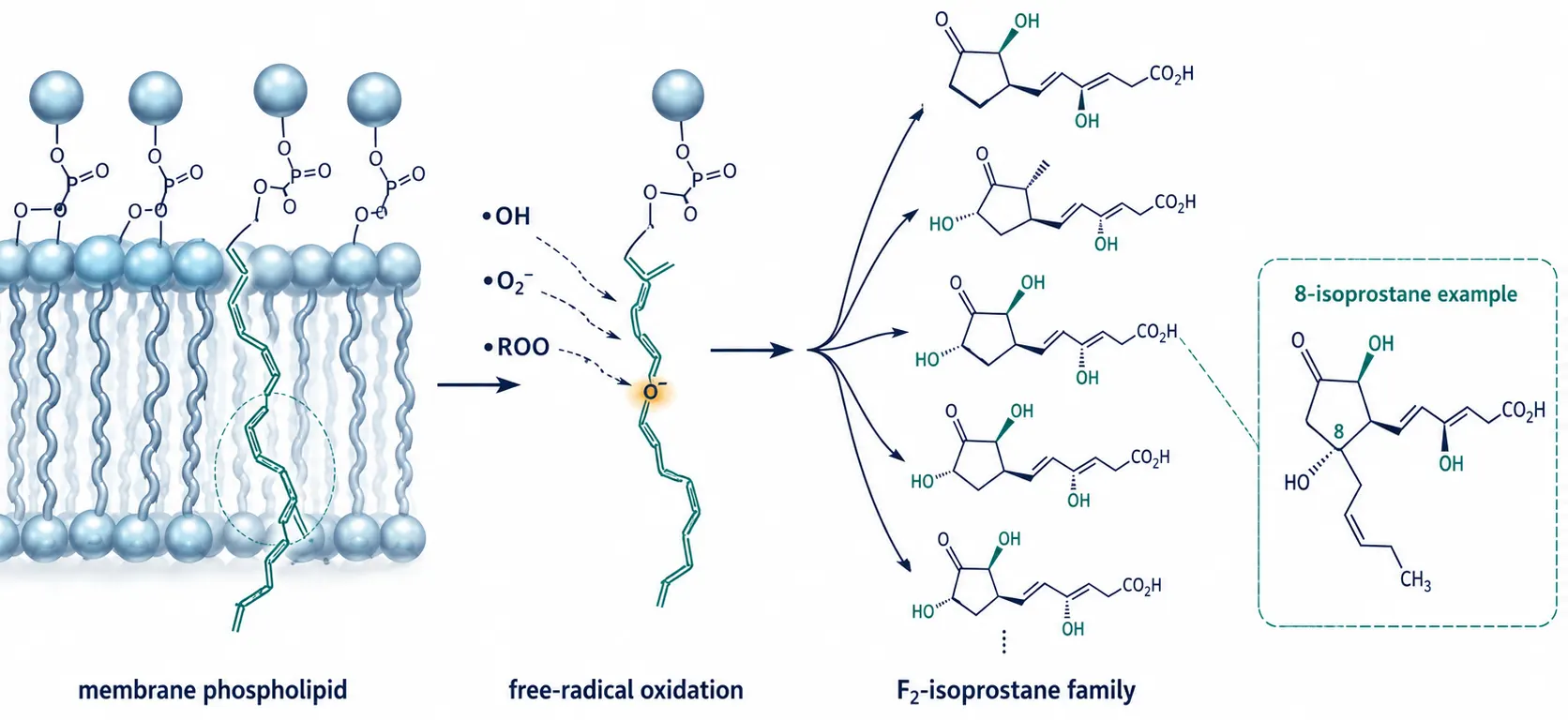 Figure 1. F2-isoprostanes arise through non-enzymatic free-radical oxidation of arachidonic acid in membrane phospholipids, creating a family of structurally related products rather than one universal signal.
Start with the biological question, not the collection tube
F2-isoprostanes are prostaglandin-like products generated when free-radical chemistry acts on arachidonic acid that is initially esterified in membrane phospholipids. They are attractive because the chemistry is connected to lipid peroxidation itself rather than to a broadly reactive colorimetric endpoint. That does not make every F2-isoprostane assay equivalent. Multiple regioisomers and stereoisomers can be present, and an assay may measure one parent compound, a sum of products, or a metabolite. A result is only as specific as the analyte definition and chromatographic evidence behind it.
This distinction is why F2-isoprostanes should not be treated as a generic replacement for every oxidative-stress readout. A study of membrane remodeling may need the total lipid context. A repeated intervention study may need a urine-compatible endpoint. A short time-course experiment may need tightly timed plasma collection. A Targeted Metabolomics workflow is most useful when these choices are fixed before method development, not after an initial result appears interesting.
Define which F2-isoprostane pool the project will measure
In plasma and tissue-derived material, F2-isoprostanes can exist as free compounds and as compounds that remain esterified within phospholipids. Free compounds are often used for a circulating snapshot. A total measurement uses a controlled hydrolysis step to release esterified material before extraction, thereby answering a different question: the combined free-plus-released pool under that method. It should not be described as a simple amplification of the free measurement. Hydrolysis changes what the assay is designed to observe and needs its own recovery, stability, and blank controls.
Urine commonly supports measurement of free parent F2-isoprostanes and selected downstream metabolites. The metabolite route can be valuable where the goal is to follow a system-level oxidative-excretion signal across repeated collections, but it does not erase every source of biological variation. Renal handling, collection timing, diet, model physiology, and hydration still influence interpretation. The right wording is that a metabolite can reduce one ambiguity in a particular study design, not that it is universally superior.
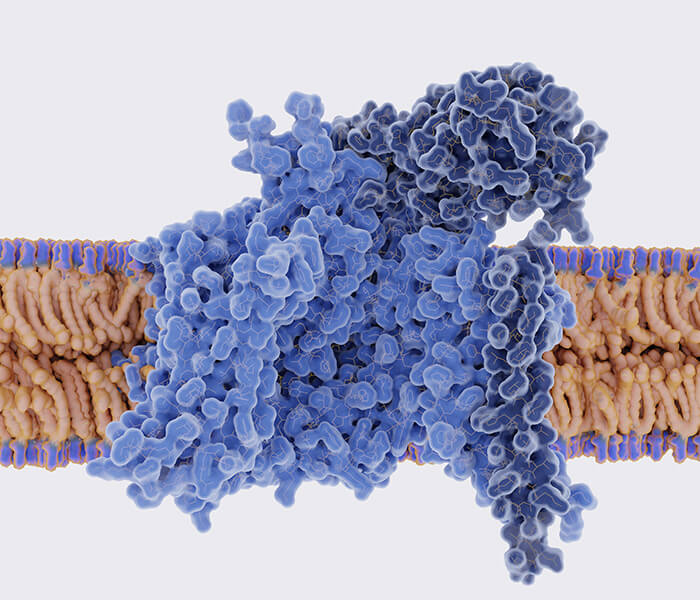
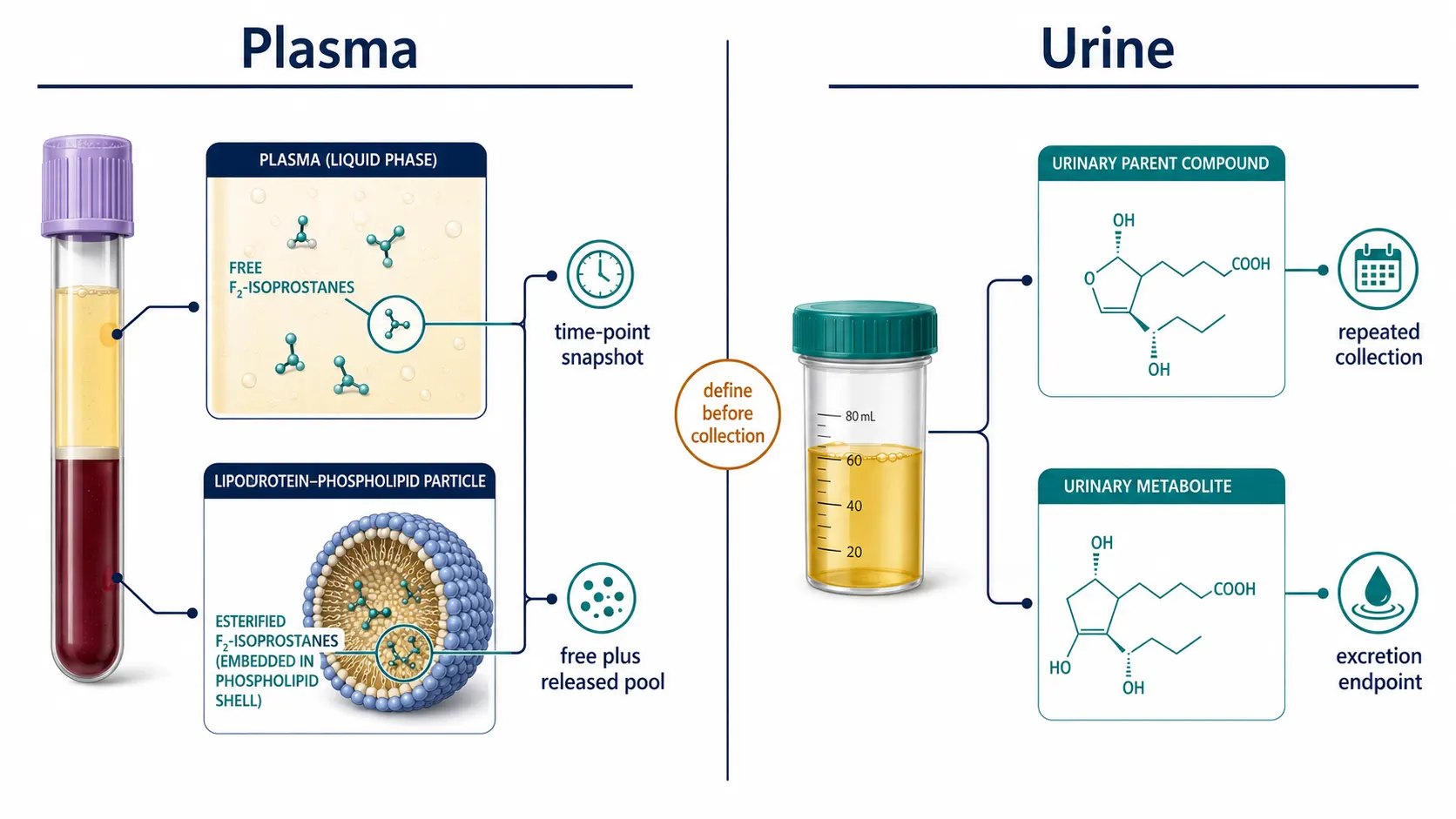 Figure 2. Matrix and analyte form are linked decisions: plasma can contain free and esterified pools, whereas urine measurements may target a free parent compound or a defined metabolite.
A good project brief names the exact target using its accepted synonym, specifies whether the value is free or total, and states the reporting unit before sample collection. It also records whether the biological conclusion concerns an acute response, cumulative membrane oxidation, or longitudinal change. Without those details, apparently conflicting plasma and urine findings may only reflect different analyte pools. If the study also needs lipid-class context, a complementary Lipidomics Service can distinguish a changed oxidative endpoint from a broader change in PUFA-containing substrate availability.
Choose plasma when timing and controlled collection are part of the evidence
Plasma is useful when the comparison depends on a defined exposure window, a synchronized challenge, or a matched blood-based multi-analyte panel. It can support free analyte measurement and, where justified, total analyte measurement after validated release of esterified material. The tradeoff is that plasma is lipid-rich and can continue to oxidize after collection. An elevated result may therefore reflect biological formation, delayed processing, repeated thawing, or a combination of all three.
Preventing that ambiguity is more important than prescribing a universal additive recipe. Set a collection-to-freezer interval, temperature path, centrifugation rule, aliquot plan, and maximum freeze-thaw count that are feasible for the actual site. Use a process blank and pooled QC to show the analytical system is stable. Antioxidants, chelators, or reducing agents can be included when their use has been validated for the matrix and target panel; they are not interchangeable defaults. A sample preparation strategy should document the recovery and artifact-control evidence for every protective step.
Serum is not an automatic substitute for plasma. Coagulation and platelet-related processes can alter the sample environment and make direct comparisons misleading if the historical reference data were generated in another matrix. For an existing biobank, first inventory tube type, processing interval, storage history, and available volume. If these records are incomplete, frame the measurement as a carefully qualified exploratory comparison rather than a direct estimate of in vivo formation.
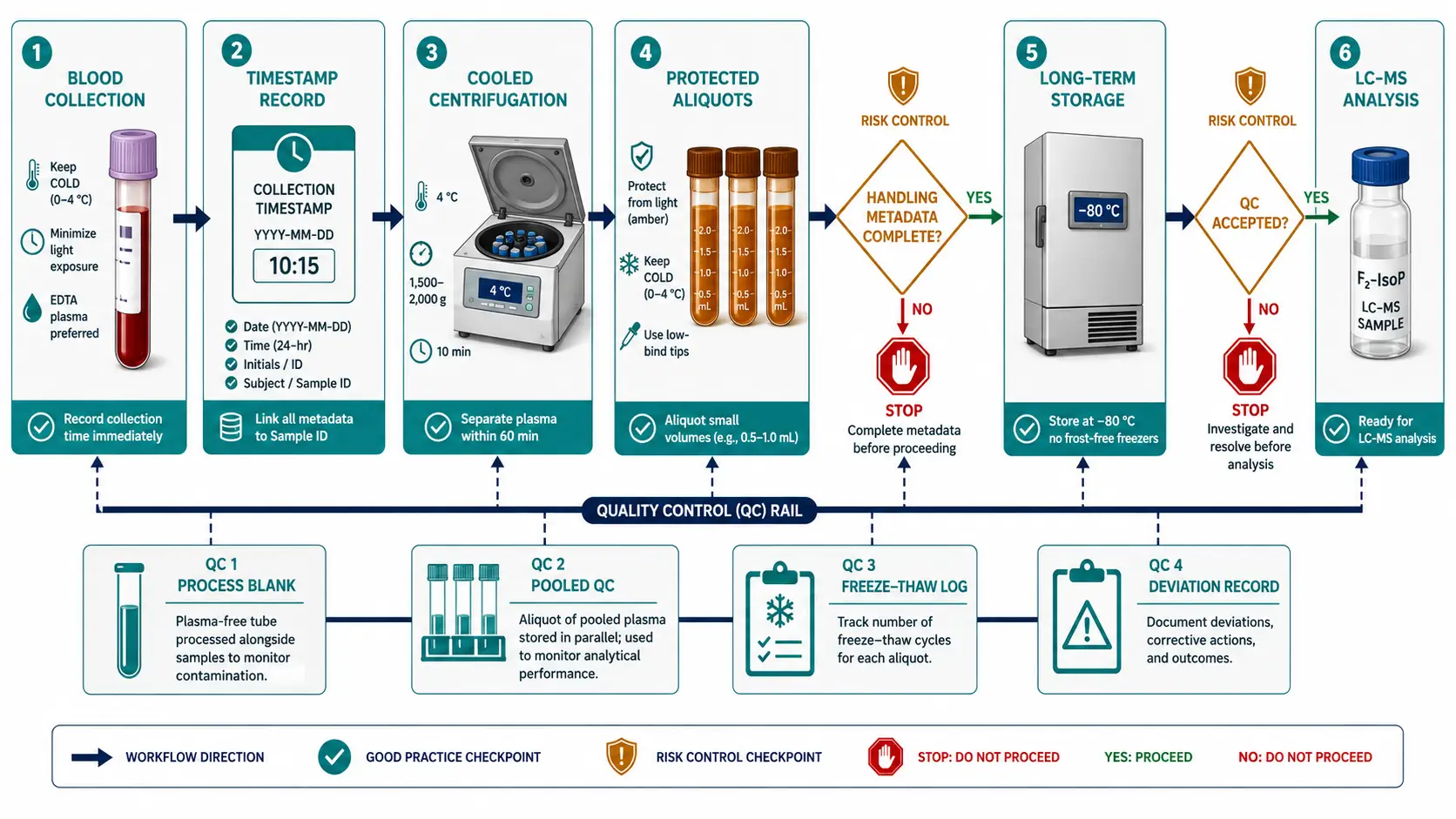 Figure 3. Plasma F2-isoprostane interpretation depends on an auditable handling chain that controls the interval from collection to protected frozen aliquots.
Choose urine when repeated sampling and excretion-normalized comparison matter
Urine is often attractive for longitudinal designs because collection is non-invasive and urinary samples contain far less phospholipid substrate than plasma. That lowers, but does not eliminate, the risk that the analyte pattern is created during handling. The practical benefit is greatest when repeated sampling is planned across an intervention, environmental exposure, animal study, or recovery time course. It is less compelling if the biological question requires a precisely synchronized circulating response.
Collection design still matters. A spot sample is convenient but reflects hydration and collection timing. First-morning urine can reduce some within-day variation for many study designs, while timed collections can answer a different excretion question but add compliance and completeness risk. The study should pre-specify whether its primary comparison is a concentration in a standard collection window, a creatinine-indexed spot value, or an estimated excretion output. Do not switch among these choices after examining group separation.
Where a project already measures inflammatory lipid mediators, an eicosanoids analysis layer can provide adjacent pathway context. It should not be used to infer F2-isoprostane concentration indirectly: cyclooxygenase-derived prostaglandins and non-enzymatic isoprostanes have related structures but different formation logic. Chromatographic separation and analyte-specific transitions remain essential.
Normalize urine and plasma for the source of variation that actually matters
Creatinine normalization is often appropriate for spot urine because it reduces dilution-related variation. It is not a universal correction for every sample. Creatinine excretion can be influenced by muscle mass, growth state, renal function, diet, species, and acute physiological change. In small-animal work, the limitation can be magnified by low sample volume and variable collection. The defensible approach is to report the primary unit, record why it was chosen, and conduct a sensitivity check when the study population has a credible reason to violate the normalization assumption.
Plasma has a different issue. Normalizing a free F2-isoprostane value to total lipids, cholesterol, or triglycerides can be informative if the study asks whether oxidative products are changing relative to a changing lipid pool. It can also hide a biologically meaningful absolute change. Treat lipid normalization as an additional analysis tied to a stated hypothesis, not as a mandatory transformation. Measurement of total phospholipid or fatty-acid composition may be helpful when altered substrate supply is plausible; fatty acid metabolism analysis can make that interpretation explicit.
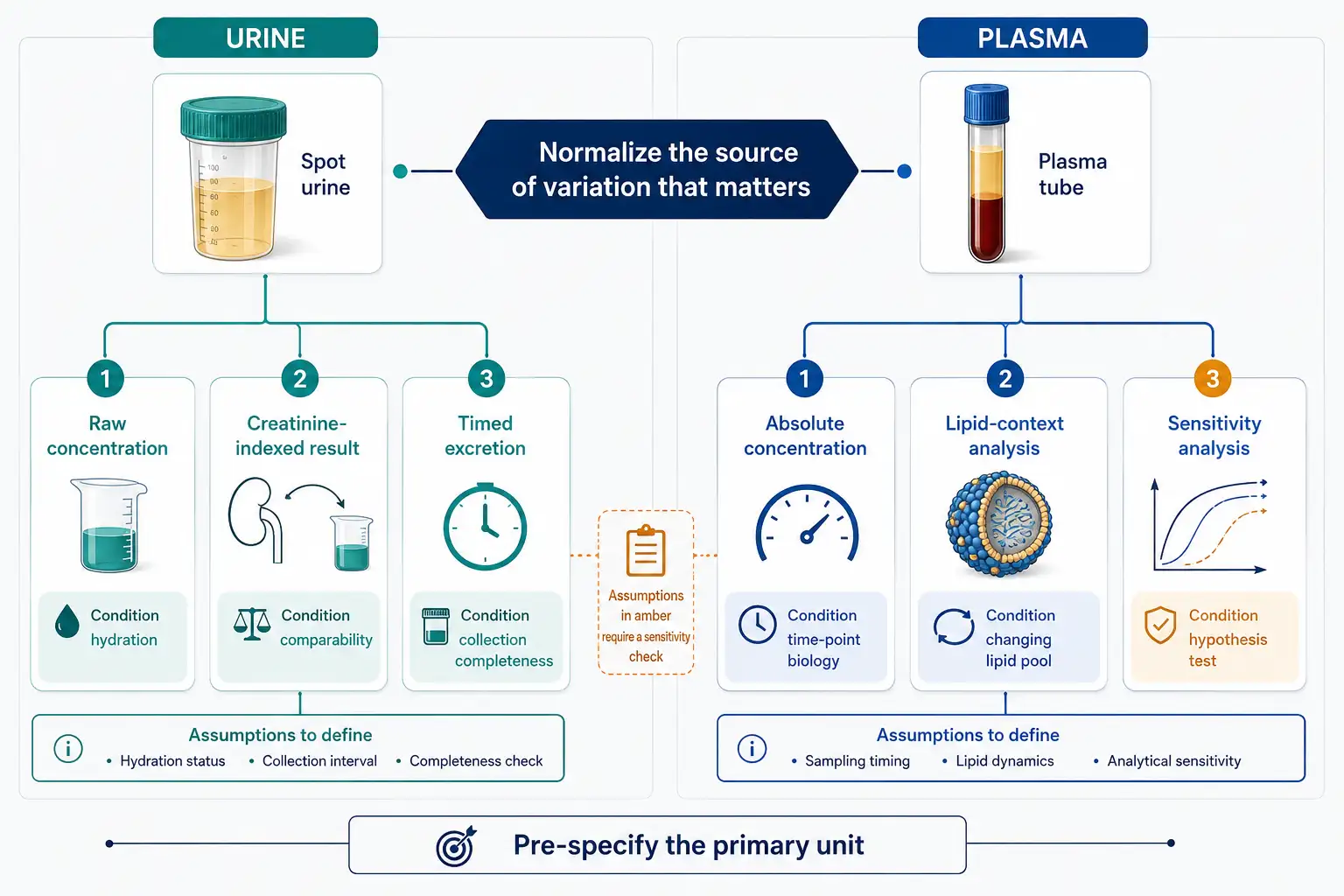 Figure 4. Normalization should match the dominant source of variation: hydration for spot urine, or a defined lipid-pool question for plasma, rather than a formula applied by default.
Use LC-MS/MS to defend the analyte identity, not simply to generate a number
GC-MS remains an important high-sensitivity reference approach, but derivatization and multi-step preparation can increase operational complexity. LC-MS/MS is often a practical choice for targeted studies because it can combine solid-phase extraction, chromatographic separation, isotope dilution, and targeted monitoring in one assay architecture. The important criterion is not the platform label. It is whether the method separates the target from relevant isomers and interferents, uses a suitable isotope-labeled internal standard, and demonstrates performance in the actual matrix.
Immunoassays can be useful for exploratory screening, but antibody cross-reactivity and limited structural discrimination can make their absolute values non-comparable with a chromatographic method. Avoid treating ELISA and LC-MS/MS values as interchangeable merely because both are labelled "8-isoprostane." If an existing dataset was generated by immunoassay, use it as a hypothesis-generating layer and define a mass-spectrometry confirmation subset before drawing an assay-comparison conclusion. A Untargeted Metabolomics screen can also expose unexpected matrix features, but it does not replace a validated targeted assay for a named F2-isoprostane endpoint.
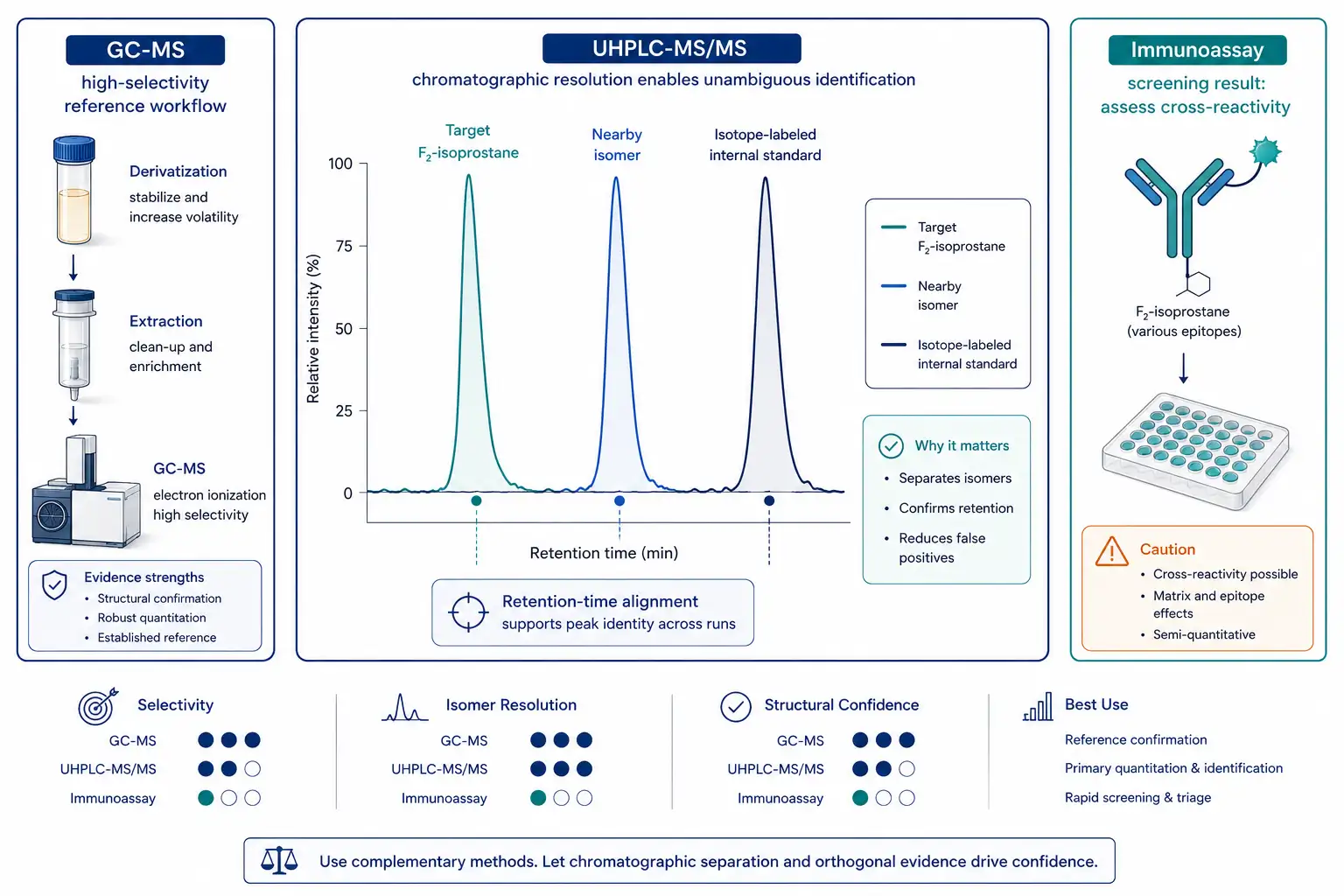 Figure 5. Method choice should be based on structural selectivity and validation needs: LC-MS/MS supports analyte-specific evidence, whereas immunoassay results require careful cross-reactivity interpretation.
Build the decision matrix before the first batch is extracted
Use plasma free analyte measurement when the study needs a protected circulating time-point comparison. Use total plasma analysis only when the combined pool is the stated endpoint and hydrolysis has been validated. Use urinary parent measurement when a non-invasive, repeated endpoint is needed and the parent compound is the defined analytical target. Use a urinary metabolite when the study is designed around that metabolite's excretion logic and reference method. In every case, include collection metadata, blanks, QC, and a pre-specified normalization rule.
The most common design mistake is to mix these alternatives in a single label. "F2-isoprostanes" is not sufficient for a sample manifest. Record matrix, anticoagulant or collection condition, target name, free or total state, extraction chemistry, internal standard, reporting unit, and normalization rule. That record becomes the bridge between wet-lab collection and downstream interpretation. For projects that connect lipid peroxidation to broader oxidative chemistry, Redox Proteomics may supply an orthogonal protein-level layer, but it should be scheduled against the same biological time points rather than analyzed as an unrelated add-on.
Use a small feasibility set to test the decision, not to search for a favorable matrix
When the ideal matrix is uncertain, a pre-planned feasibility set is more informative than selecting the matrix with the largest apparent group difference. Use representative samples that span the expected concentration range, and collect the same metadata proposed for the main study. For plasma, compare a deliberately controlled handling path with the operationally realistic path, then assess whether the difference is within the project's tolerable analytical uncertainty. For urine, test whether the intended collection window and normalization strategy preserve ranking across repeat collections. The purpose is to identify a design that produces a stable, interpretable signal, not to choose the condition that happens to maximize a preliminary effect size.
Predefine the feasibility decision criteria. Examples include acceptable internal-standard response behavior, reproducible QC values across extraction batches, adequate chromatographic separation of the target from relevant isomers, and no systematic drift linked to collection or storage metadata. If plasma values change substantially with a realistic delay before stabilization, that finding supports a stricter handling workflow or a different endpoint. If spot-urine values change rank after plausible normalization choices, a timed or repeated-collection design may be more defensible. This approach protects the confirmatory study from an avoidable matrix-selection bias.
Specify the minimum evidence package before accepting a result
A defensible F2-isoprostane result is a package of linked observations rather than a single peak-area ratio. The package should include the target identity and transition logic, retention-time agreement with an authentic standard where appropriate, isotope-labeled internal-standard performance, calibration behavior, blank behavior, QC acceptance, recovery or process-efficiency evidence, and stability evidence that matches the anticipated storage route. For total plasma analysis, add evidence that the release step produces the intended free-plus-released measurement without creating a new artifact. For urinary metabolite analysis, document the exact metabolite and the reporting convention rather than applying a parent-compound name as shorthand.
These requirements also clarify when a broader panel adds value. A Targeted Lipidomics panel can be useful when the study needs to place the F2-isoprostane endpoint alongside selected oxidized fatty-acid or phospholipid species. It should be designed as a hypothesis-linked complement: each added analyte needs an expected biological role, compatible sample preparation, and an interpretation plan. Adding many oxidation products without those links can make a project harder to validate while contributing little additional evidence.
Keep statistical comparison aligned with the matrix definition
Analyze values in the unit specified in the protocol, and retain the raw measurement, normalization variables, and collection metadata in the analytical dataset. A sensitivity analysis can compare the pre-specified primary reporting unit with a biologically justified alternative, such as raw concentration versus creatinine-indexed urine concentration. It should not be used as an unrestricted search for the transformation that produces statistical significance. Likewise, plasma absolute concentration and lipid-adjusted concentration can answer complementary questions, but they should be presented as distinct endpoints with their own interpretation.
For longitudinal studies, avoid treating repeated samples from one participant, animal, or culture as independent biological replicates. Retain the sampling time, fasting or exposure status where relevant, collection order, storage interval, batch, and any deviation from the handling plan. These fields often explain an unexpected pattern more directly than a later change in statistical method. The practical standard is simple: another analyst should be able to see which biological entity produced each result, what molecular pool it represents, and which normalization rule was applied before the group comparison was run.
Plan sample inventory around the intended evidence, not only the assay volume
Matrix selection also determines what must be reserved for confirmation. An apparently sufficient sample volume can become limiting when the project later needs a repeat extraction, a dilution check, an orthogonal targeted measurement, or an additional collection-time comparison. Before collection, map the total available specimen per biological unit, the number of intended assays, the likely reanalysis requirement, and the number of freeze-thaw events each aliquot would experience. Store protected aliquots for the primary F2-isoprostane assay separately from material reserved for broader lipid context whenever possible. This reduces the chance that an exploratory result consumes the only specimen capable of supporting a targeted confirmation.
For an intervention or exposure study, align the matrix plan with the expected kinetics. If the hypothesized oxidative change is transient, a small number of accurately timed plasma collections may be more informative than many unsynchronized specimens. If the effect is expected to accumulate or fluctuate across days, repeated urine collection can characterize within-subject change, provided the protocol defines collection windows and normalization before enrollment. A mixed design can be justified when the two matrices answer different pre-stated questions, such as a time-anchored plasma response plus a longitudinal urinary excretion endpoint. It should not be added after the first dataset makes interpretation difficult.
Finally, distinguish analytical replicates from biological replication. Replicate injections can help diagnose instrument behavior, but they do not solve variability introduced by different donors, animals, collection days, or exposure histories. Use pooled matrix QC to monitor batch performance, and use the biological study design to support biological inference. This separation makes the final report more useful: it can state whether the assay was technically stable, whether the chosen matrix represented the intended molecular pool, and whether the observed comparison is robust to the planned normalization approach.
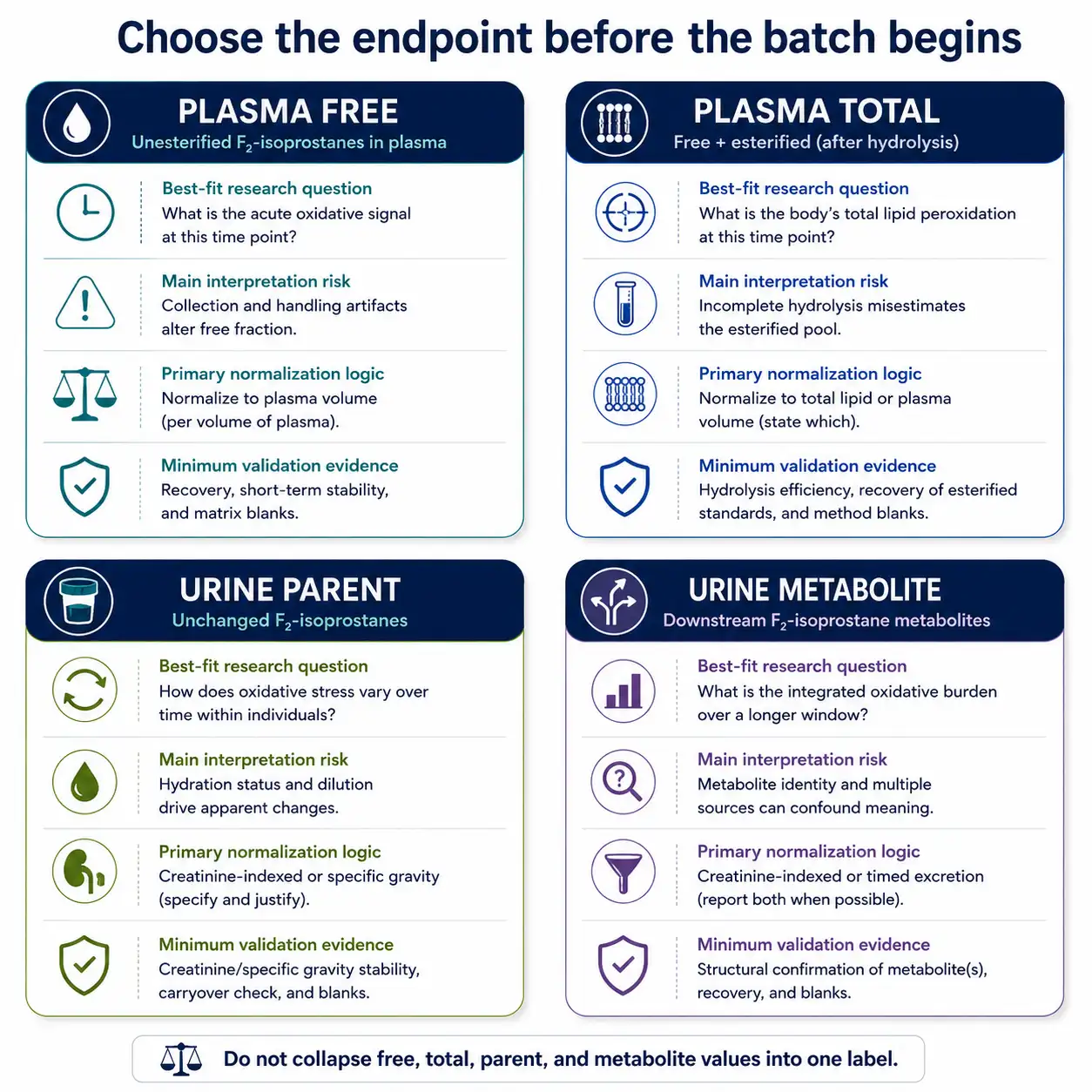 Figure 6. A pre-specified matrix decision prevents a free, total, parent, and metabolite measurement from being mistaken for the same biological endpoint.
Connect F2-isoprostane work to the oxidative-lipid project, without overextending the claim
F2-isoprostanes summarize a free-radical lipid-peroxidation process. They do not identify the oxidized phospholipid species that execute a ferroptotic process, nor do they provide an oxysterol profile. When the goal is to determine whether a particular oxidized PE class tracks a cell-death phenotype, use the matrix companion on oxidized lipidomics for ferroptosis. When sterol oxidation and artifact control are the central question, retain the planned matrix link to oxysterol LC-MS workflows.
A compact four-phase implementation sequence keeps the measurement useful. First, define the biological question, matrix, and analyte form. Second, validate collection, storage, and extraction controls in the chosen matrix. Third, establish chromatographic resolution, isotope-standard behavior, recovery, and reportable range. Fourth, apply the pre-specified normalization and evaluate the result alongside collection metadata and other oxidative measurements. At each phase, a failed control is information: it may mean the study needs a different matrix or a narrower claim, not that the data should be forced into a biomarker conclusion.
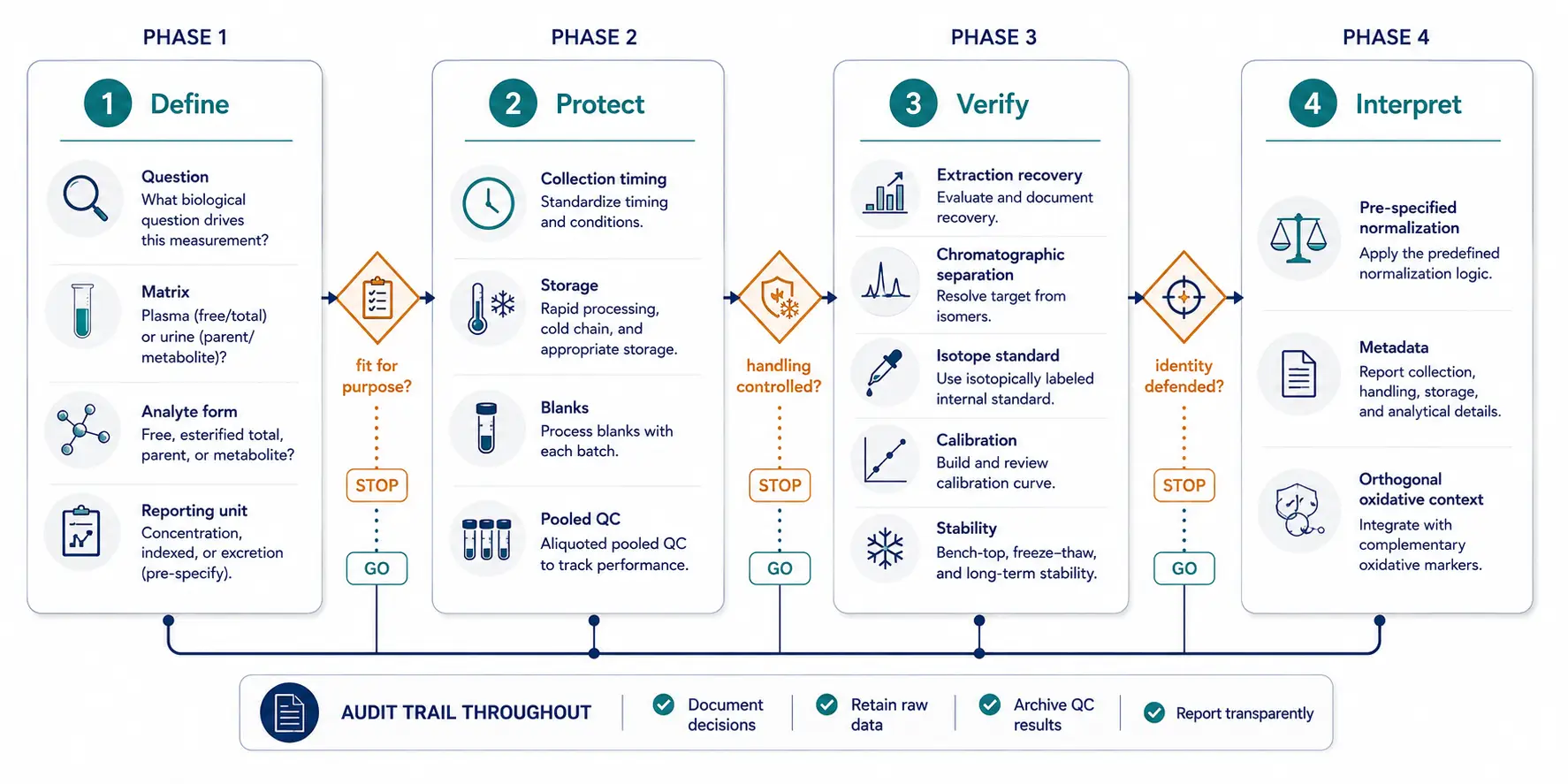 Figure 7. A four-phase implementation plan makes F2-isoprostane measurement traceable from matrix choice through analytical validation and final interpretation.
Frequently asked questions
Can an unprotected plasma sample be corrected after collection?
Not reliably. Record the handling history and use it to qualify the result; a post hoc additive cannot reconstruct the oxidation state at collection.
Is serum interchangeable with plasma?
No. Treat serum and plasma as distinct matrices unless the method has been validated for both and the study design supports comparison.
Is creatinine normalization required for every urine sample?
No. It is useful for many spot-urine studies, but it should be justified against the model and complemented by sensitivity analysis when creatinine biology is unstable.
Should total plasma F2-isoprostanes always be measured?
Only when the combined free-plus-released pool answers the biological question and hydrolysis has been validated for the matrix and analyte.
Can ELISA results be compared directly with LC-MS/MS?
Not by default. Cross-reactivity and analyte definition can produce different numerical results; confirm critical findings with a structurally selective method.
Does a higher F2-isoprostane value prove ferroptosis?
No. It supports lipid-peroxidation evidence but cannot identify a specific regulated cell-death mechanism without molecular lipid and orthogonal-control evidence.
References:
- Ito F, Sono Y, Ito T. Measurement and Clinical Significance of Lipid Peroxidation as a Biomarker of Oxidative Stress: Oxidative Stress in Diabetes, Atherosclerosis, and Chronic Inflammation. Antioxidants. 2019. doi:10.3390/antiox8030072
- Holder C, Adams A, Allison C, et al. A Novel UHPLC-MS/MS Method for Measuring 8-iso-Prostaglandin F2alpha in Bronchoalveolar Lavage Fluid. Frontiers in Chemistry. 2021. doi:10.3389/fchem.2021.695940
- Sambiagio N, Sauvain JJ, Berthet A, et al. Rapid Liquid Chromatography-Tandem Mass Spectrometry Analysis of Two Urinary Oxidative Stress Biomarkers: 8-oxodG and 8-isoprostane. Antioxidants. 2020. doi:10.3390/antiox10010038
- Carmella SG, et al. Longitudinal stability in cigarette smokers of urinary eicosanoid biomarkers of oxidative damage and inflammation. PLOS ONE. 2019. doi:10.1371/journal.pone.0215853
- Sun Y, Yan Y, Kang X. Packed-Fiber Solid Phase-Extraction Coupled with HPLC-MS/MS for Rapid Determination of Lipid Oxidative Damage Biomarker 8-Iso-Prostaglandin F2alpha in Urine. Molecules. 2022. doi:10.3390/molecules27144417