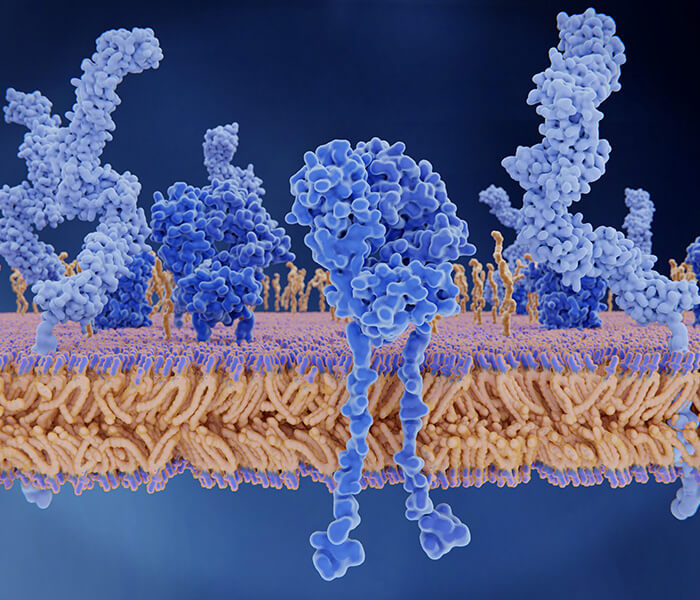
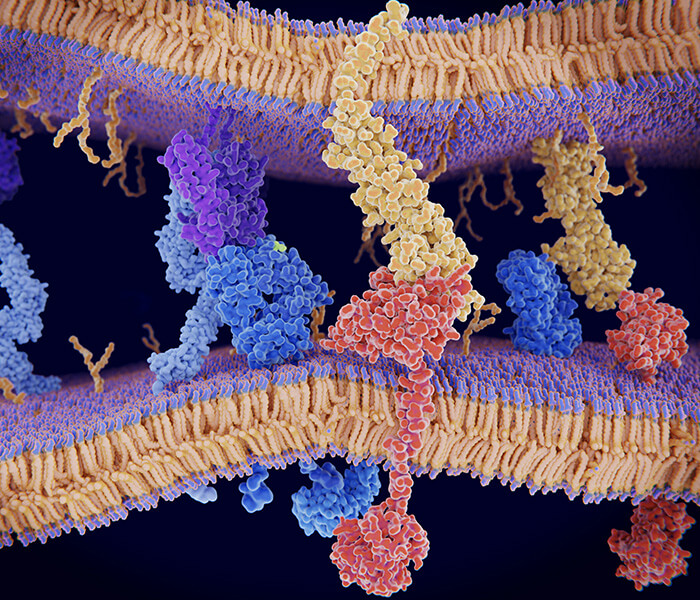
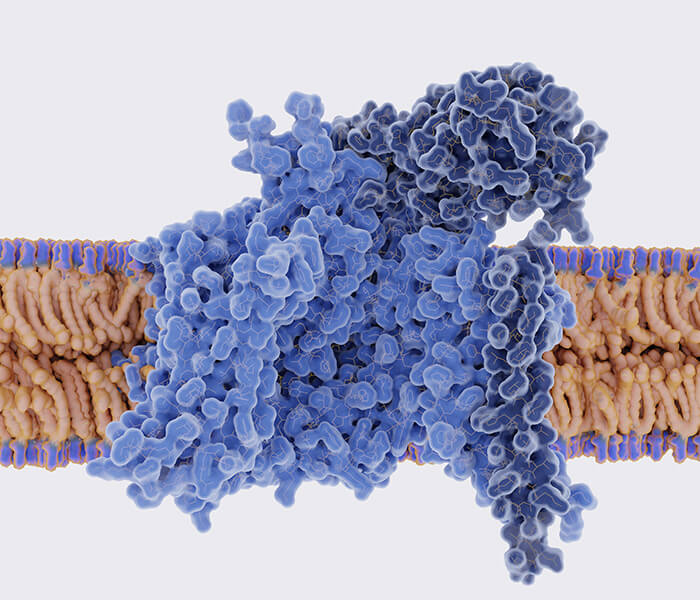
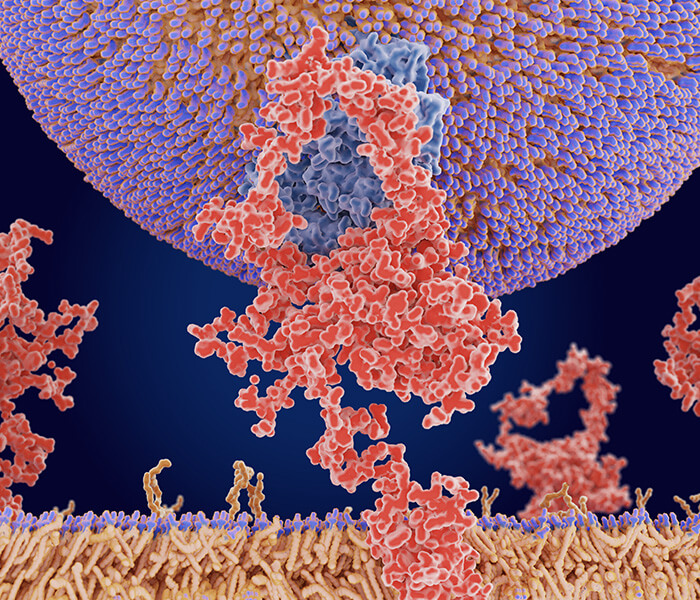
Protein palmitoylation is an essential post-translational modification that alters the physicochemical properties and function of proteins by covalently linking lipid molecules (primarily palmitic acid) to specific amino acid residues. This dynamic and reversible modification process plays a crucial role in cell signaling and protein transport. For additional insights into palmitoylation neurodegeneration, explore our in-depth resource.
Palmitoylation mainly involves three types: S-palmitoylation, N-palmitoylation, and O-palmitoylation. Among them, S-palmitoylation is the most prevalent modification, referring to the process by which the 16-carbon fatty acid palmitic acid covalently binds to a specific cysteine (Cys) residue side chain of a protein via an unstable thioester bond. Unlike N-palmitoylation (where palmitic acid is linked to the N-terminal Cys of the protein via a stable amide bond) and O-palmitoylation (where palmitic acid binds to the hydroxyl group of serine or threonine via an oxyester bond), S-palmitoylation is reversible, allowing proteins to dynamically cycle between palmitoylated and depalmitoylated states within seconds to hours.
Table: Major Types of Protein Palmitoylation and Their Characteristics
| Type | Chemical Bond | Modification Site | Reversibility | Main Function |
|---|---|---|---|---|
| S-palmitoylation | Thioester bond | Cysteine side chain | Dynamic Reversible | Regulates membrane association, protein interactions |
| N-palmitoylation | Amide bond | N-terminal cysteine | Relatively Stable | Stabilizes membrane anchoring |
| O-palmitoylation | Ester bond | Serine/Threonine | Reversible | Controls specific signaling pathways |
This reversibility makes palmitoylation a dynamic regulatory mechanism capable of rapidly responding to extracellular signals and modulating protein activity and localization. Palmitoylation enhances protein hydrophobicity, regulating membrane anchoring, subcellular localization, and protein-protein interactions, thereby affecting signaling pathway activity, membrane transport, and cellular homeostasis.
 The Dynamic Regulation of Protein S-Palmitoylation (Qu M et al., 2021)
The core role of palmitoylation in cell signaling
How Palmitoylation Controls the Powerful Hedgehog Signaling Pathway
The Hedgehog (Hh) signaling pathway is a master regulator of embryonic development, and its activity depends heavily on a process called palmitoylation. This fatty acid modification acts as a critical on-switch for the pathway's key proteins. Understanding this mechanism provides valuable insights into developmental biology and reveals new therapeutic targets for diseases driven by faulty Hh signaling, such as certain cancers.
At the heart of this process is the enzyme Hedgehog acyltransferase (Hhat). Hhat attaches a palmitate fatty acid directly to the Hedgehog protein. This modification is not merely decorative; it is essential for the protein's function and movement.
The Making of an Active Signal: Shh Processing
The creation of a fully active Sonic Hedgehog (Shh) signal is a two-step masterpiece of cellular engineering:
- Step 1 - Cholesterol Attachment: Inside the endoplasmic reticulum, the Shh precursor is auto-cleaved, and a cholesterol molecule is attached to its C-terminal end.
- Step 2 - Palmitoylation: The Hhat enzyme then catalyzes the addition of a palmitate group to the N-terminal cysteine of the protein.
This dual-lipidation creates a mature, powerful signaling molecule.
Functional Impact: Evidence from Mutant Studies
The consequences of losing palmitoylation are severe. Research shows that:
- Expressing a non-palmitoylated Hh mutant (C85S) in fruit flies completely disrupts wing development.
- In mice, the C24S Shh mutant shows significantly reduced patterning activity in the limb bud and neural tube.
- Embryos lacking the Hhat enzyme altogether display profound developmental defects.
These findings underscore that palmitoylation is mandatory for effective Hh signaling in complex organisms.
Engaging the Receptor: A Structural View
How does this fatty acid tag work? Recent structural studies reveal that the palmitoylated end of the Shh protein acts like a key. It inserts directly into a hydrophobic pocket on its receptor, Patched1 (Ptch1). This specific interaction is crucial for activating the downstream signaling cascade that instructs cell growth and patterning (Resh MD et al., 2021).
NLRP3 inflammasome palmitoylation mechanism
The NLRP3 inflammasome is a critical alarm system in our innate immunity, and its activation is precisely controlled by palmitoylation. This fatty acid modification acts as a molecular switch, turning the inflammasome on and off. Understanding this palmitoylation regulation mechanism provides vital insights into inflammatory disease and opens doors for novel therapeutic targeting strategies. Disruptions in this delicate balance are directly linked to serious autoinflammatory conditions.
Activation via Palmitoylation: Engaging the Switch
In its resting state, the NLRP3 protein remains inactive, folded into a closed structure. When threats like bacterial toxins (e.g., LPS) or cellular stress signals trigger the cell, the enzyme ZDHHC5 springs into action. It attaches palmitate fatty acids to two specific sites (Cys837 and Cys838) on the NLRP3 protein. This palmitoylation is like inserting a key—the fatty acid groups slot into a hydrophobic pocket on another protein called NEK7. This binding dramatically strengthens the NLRP3-NEK7 interaction, kick-starting the assembly of the active inflammasome complex.
 ZDHHC5 is required for NLRP3 inflammasome activation in vivo (Zheng S et al., 2023)
The Off-Switch: Controlled by Depalmitoylation
For every on-switch, there must be an off-switch. The enzyme ABHD17A performs this role by removing the palmitate groups from NLRP3. This depalmitoylation acts as a crucial brake on the immune response. Evidence from lab studies shows that cells lacking ABHD17A have heightened NLRP3-NEK7 binding. This leads to excessive activation of caspase-1 and increased release of the potent inflammatory signal, IL-1β.
Clinical Connection: When the Balance is Lost
This precise regulatory system can go awry, with direct clinical consequences. For instance, a specific genetic mutation (R920Q) found in some families impairs NLRP3's ability to interact with ABHD17A. The result is sustained palmitoylation, overactive inflammasome signaling, and the onset of disease. Patients with this mutation present with symptoms like autosomal dominant sensorineural hearing loss and other autoinflammatory signs, highlighting the real-world impact of this molecular mechanism.
Unlocking RAS Signaling: How Palmitoylation Drives Cellular Growth and Cancer
Recent oncology research has illuminated palmitoylation's critical role in RAS protein signaling, positioning it as a promising therapeutic target for RAS-driven cancers. In myeloid leukemia, for instance, upregulated RAB27B enhances NRAS palmitoylation, fueling uncontrolled cell growth. This dynamic lipid modification acts as a master regulator for localizing key proteins to the cell membrane. Understanding this palmitoylation mechanism in cancer provides a fresh approach to tackling one of oncology's most challenging protein families.
The Palmitoylation Cycle: Directing RAS Traffic
All RAS isoforms undergo an initial farnesylation step, but this single lipid attachment is insufficient for stable membrane binding. For NRAS and HRAS, palmitoylation is the essential secondary signal that steers them to the plasma membrane. This process primarily occurs in the Golgi apparatus, facilitated by the ZDHHC9-GOLGA7 enzyme complex. Once modified, these RAS proteins rapidly travel via vesicles to their active site at the membrane.
However, their stay is temporary. Palmitoylation is highly dynamic, with constant addition and removal of fatty acids. Depalmitoylation can happen anywhere, causing RAS to release from the membrane, diffuse into the cytoplasm, and then return to the Golgi for another round. This continuous cycling allows the cell to precisely control RAS activity and signal output.
A New Cancer Link: The RAB27B Connection
A compelling discovery directly links this process to tumor development. The small GTPase RAB27B has been found to regulate the ZDHHC9 enzyme, controlling NRAS palmitoylation. In models of myeloid leukemia, oncogenic signals from CBL/JAK2 pathways increase RAB27B levels. This boost enhances NRAS membrane localization and activation, directly driving cancer cell proliferation. This reveals a powerful new node in the palmitoylation regulation network for potential drug intervention.
Services you may be interested in:
Mechanism of palmitoylation regulating protein transport
How Protein Palmitoylation Controls Cellular Location and Function
Protein palmitoylation acts as a master regulator of cellular protein localization by dynamically shuttling proteins to their correct destinations. This fatty acid attachment significantly boosts a protein's water-repelling nature, strengthening its membrane binding affinity. For many soluble proteins, this process is essential for temporary membrane association and proper function. Understanding this palmitoylation mechanism is key to developing targeted therapies for signaling-related diseases.
The Dynamic Recycling of Palmitoylated Proteins
Think of palmitoylation as a continuous cellular shuttle service. It acts as a molecular switch, controlling where proteins go, how they move between organelles, and whether they cluster in specific membrane regions. A prime example is the RAS family of proteins. After initial modification, NRAS and HRAS travel to the plasma membrane on vesicle carriers. Once there, they can be rapidly depalmitoylated, released into the cytoplasm, and then returned to the Golgi for another round of modification and delivery. This constant cycle allows the cell to fine-tune signal output with remarkable precision.
Diverse Effects on Transmembrane Proteins
The impact of palmitoylation varies for proteins that span the membrane. The location of the modified cysteine residue dictates the functional outcome:
- Cytosolic Loop Cysteines: Modification here can alter the protein's structure, affect its interaction with partners, or redirect it to different lipid domains.
- Boundary or Transmembrane Cysteines: Palmitoylation in these areas can change how the transmembrane segment sits within the lipid bilayer. This can influence the protein's stability and overall activity by adjusting its tilt or solubility in the membrane.
This nuanced control highlights why palmitoylation is a focal point for research into complex signaling networks and their dysregulation in disease.
How Protein Palmitoylation Directs Critical Cellular Cargo
Beyond its role in guiding specific proteins, the process of protein palmitoylation acts as a master regulator of our cells' internal transport network. This lipid modification directly influences membrane trafficking, controlling everything from stress responses in neurons to the secretion of vital cellular materials. For drug developers, understanding this process opens doors to novel therapeutic strategies for neurological and metabolic disorders.
Key Regulatory Roles in Neuronal and General Cell Function
- Neuronal Signalling: The protein JNK3, a key player in the neuronal stress response, undergoes palmitoylation. This modification anchors it to the Golgi apparatus, independent of its kinase function. Crucially, this anchored state actively inhibits axon growth, a process entirely dependent on a functioning Golgi complex.
- Membrane Fusion Control: Consider SNAP25, a core SNARE protein essential for membrane fusion at the plasma membrane and within the endosomal system. Its palmitoylation at a specific cysteine-rich domain dictates its membrane attachment and final location. By controlling its placement into specialised lipid rafts, palmitoylation indirectly fine-tunes vesicle exocytosis—the fundamental process of cellular secretion.
A Gatekeeper for Golgi Transport Efficiency
Emerging research using minimal in vitro systems confirms palmitoylation is a critical checkpoint for anterograde transport through the cis-Golgi network. Studies show that palmitoyl-CoA present in the donor membranes significantly accelerates protein processing and forward movement.
Notably, the enzymes (DHHC proteins) responsible for this step in the cis-Golgi are ubiquitously expressed, while those in the trans-Golgi are highly tissue-specific. This suggests a universal regulatory mechanism at the entry point of the Golgi, with specialised control further down the line. For professionals focused on monoclonal antibody production tips, understanding these fundamental secretion pathways is key to optimising host cell lines for high-yield protein expression.
How Palmitoylation Directs Cellular Traffic and Organises signalling Hubs
For researchers exploring complex intracellular signalling pathways, protein palmitoylation is a critical sorting signal. This lipid modification acts like a postal code, directing proteins to specific membrane microdomains known as lipid rafts. These cholesterol and sphingolipid-rich patches serve as vital platforms for organising signal transduction complexes and regulating membrane traffic. Understanding this mechanism is key for manipulating cell communication in drug development.
Targeting Proteins to Lipid Rafts
- Palmitoylation frequently directs modified proteins into specialised lipid rafts.
- This localisation concentrates specific proteins within these discrete signalling platforms.
- The process thereby facilitates the efficient assembly of functional multi-protein complexes.
A Golgi-Based Sorting System
The Golgi apparatus itself possesses a gradient of sphingolipids and cholesterol, with the highest concentration in the trans-Golgi/TGN network. This organisation provides a logical framework for a palmitoylation-driven sorting system. If a protein is S-palmitoylated, this modification could mark it for inclusion in "raft-like" transport vesicles. The location of the specific DHHC enzymes that add the palmitate group is, therefore, crucial for this sorting specificity. This ensures proteins are sent to their correct cellular destinations, a fundamental process for maintaining cellular organisation and communication. For teams working on therapeutic protein expression, mastering these intrinsic cellular sorting mechanisms can inform better host cell line engineering.
Table: Key Functions of Protein Palmitoylation in Intracellular Transport
| Function Type | Mechanism of Action | Representative Proteins | Biological Significance |
|---|---|---|---|
| Membrane Anchoring | Increases protein hydrophobicity, enhancing membrane affinity and stable attachment. | RAS, SNAP25 | Promotes the stable association of peripheral membrane proteins with lipid bilayers, crucial for initiating signaling cascades. |
| Intracellular Transport | Acts as a molecular switch to regulate a protein's subcellular localization. | JNK3, Cysteine String Protein (CSP) | Influences critical processes such as neuronal axon growth and the transport of synaptic vesicles. |
| Lipid Raft Sorting | Targets and recruits specific proteins to specialized lipid raft microdomains. | SNAP23, Signaling Receptors | Facilitates the efficient assembly and activation of signal transduction complexes by concentrating components. |
| Vesicle Transport | Directly modulates the function of core SNARE complex proteins. | SNAP25 | Regulates critical membrane fusion events during vesicle exocytosis, controlling cellular secretion. |
For information on how to detect palmitoylated proteins, see "How to Detect Palmitoylated Proteins: Methods and Best Practices".
For more information on palmitoyl protein thioesterase, see "Palmitoyl-Protein Thioesterases: Biology, Function, and Research Tools".
On the role of protein palmitoylation in disease and therapeutic significance, can refer to "Protein Palmitoylation: Role in Diseases, Research Methods, and Therapeutic Implications".
Targeting Palmitoylation: A New Frontier in Precision Therapeutics
The dynamic process of protein palmitoylation is emerging as a promising frontier for novel therapeutic interventions. By designing small molecules that specifically modulate this lipid modification, researchers can correct faulty signaling pathways at their source. This approach offers a powerful strategy for drug development pipelines focused on cancer and inflammatory diseases, moving beyond traditional methods to target the root cause of dysfunction.
Inhibiting Oncogenic Signaling Pathways
One compelling application is in oncology, particularly for hard-to-treat cancers. For instance, the small molecule RU-SKI 43 acts as a highly selective inhibitor of the Hedgehog acyltransferase (Hhat). In vitro assays demonstrate that RU-SKI 43 directly blocks the palmitoylation of the Sonic Hedgehog (Shh) protein. Crucially, it does not affect the modification of other proteins like H-Ras or Fyn, highlighting its exceptional specificity and reduced risk of off-target effects.
Modulating Inflammation with Precision
In autoimmune and inflammatory conditions, targeting palmitoylation presents a unique opportunity. Evidence suggests that disrupting the interaction between the enzyme ZDHHC5 and the NLRP3 inflammasome can dampen harmful inflammation. Preclinical data is telling: ZDHHC5 knockout mice showed a significantly higher survival rate after LPS-induced septic shock. Their serum IL-1β levels were markedly reduced, while other cytokines like IL-6 and TNF-α remained unchanged. This indicates a targeted suppression of the NLRP3 pathway, a key driver of many autoinflammatory diseases.
Advancing Cancer Therapy Through RAS Regulation
The notorious RAS family of proteins, frequently mutated in cancers, is also regulated by palmitoylation. For cancers driven by NRAS mutations, a new strategy involves disrupting the "RAB27B-ZDHHC9-NRAS" axis. This complex is essential for properly localizing and activating NRAS. Interfering with this specific interaction could inhibit tumor growth while sparing other RAS isoforms, potentially leading to therapies with fewer side effects and greater efficacy. A 2022 industry report noted that over 15 biotech startups are now actively pursuing programs focused on DHHC enzymes, signaling strong confidence in this approach.
Palmitoylation: A Dynamic Switch for Cellular Control and Therapeutic Targeting
Protein palmitoylation is far more than a simple modification; it's a master regulatory system. This dynamic, reversible process acts as a precise molecular switch, controlling where proteins go, how stable they are, and what they interact with. It is fundamental to targeted therapeutic development because it directly influences critical pathways in cancer signaling and neurological disorders. From directing Hedgehog signaling and inflammasome activation to ensuring RAS and SNARE proteins reach their correct membrane destinations, palmitoylation forms a sophisticated control network that underpins healthy cell function.
 Shh biosynthesis and processing (Resh MD et al., 2021)
Current Research Landscape and Unanswered Questions
Technological advances are rapidly accelerating our understanding. Innovations in proteomics, chemical biology, and live-cell imaging are providing unprecedented views of this process. However, significant challenges remain on the path to clinical application.
- We still lack a complete understanding of the precise mechanisms that control the addition and removal of palmitate groups.
- It is unclear exactly how this single lipid modification can dictate such diverse protein behaviors and functions.
- The full physiological impact of palmitoylation across different organ systems and in a whole organism context is still being mapped.
Future Directions: From Basic Science to Precision Medicine
Decoding the rules of palmitoylation does more than answer basic biology questions. It creates a foundation for novel treatment strategies. As we identify the roles of specific DHHC enzymes and depalmitoylating proteins, we open new avenues for drug discovery. A 2023 global market analysis projected a significant growth in interest for enzyme-specific inhibitors. The future of this field lies in developing highly specific modulators. This approach could lead to next-generation precision therapies that correct dysfunctional signaling at its source.
People Also Ask
What is the role of protein palmitoylation in bacterial and viral infections?
S-palmitoylation determines the functioning of proteins by affecting their association with membranes, compartmentalization in membrane domains, trafficking, and stability.
What is the purpose of palmitoylation?
Palmitoylation is the post-translational modification of proteins with palmitic acid (16-carbon saturated fatty acid) and regulates the membrane targeting, subcellular trafficking and function of proteins.
What is the role of lipid rafts in cell signaling?
Cholesterol/sphingolipid-rich membrane domains, known as lipid rafts or membrane rafts, play a critical role in the compartmentalization of signaling pathways. Physical segregation of proteins in lipid rafts may modulate the accessibility of proteins to regulatory or effector molecules.
Where are palmitoylated proteins made?
Palmitoylation, the covalent attachment of a palmitoyl moiety to a cysteine residue of a protein through a thio-ester linkage, has been reported to occur at various subcellular sites, such as ER, Golgi apparatus and plasma membrane, and is very likely an enzymatic process involving a palmitoyl acyltransferase.
What is the role of palmitoylation of postsynaptic proteins in promoting synaptic plasticity?
Role of Palmitoylation of Postsynaptic Proteins in Promoting Synaptic Plasticity. Many postsynaptic proteins undergo palmitoylation, the reversible attachment of the fatty acid palmitate to cysteine residues, which influences trafficking, localization, and protein interaction dynamics.
Which amino acids can be palmitoylated?
In eukaryotes, palmitoylation drives several essential cellular mechanisms like protein sorting, protein stability and protein–protein interaction. Several amino acids namely Cys, Gly, Ser, Thr and Lys undergo palmitoylation.
References
- Qu M, Zhou X, Wang X, Li H. Lipid-induced S-palmitoylation as a Vital Regulator of Cell Signaling and Disease Development. Int J Biol Sci. 2021 Oct 11;17(15):4223-4237.
- Zheng S, Que X, Wang S, Zhou Q, Xing X, Chen L, Hou C, Ma J, An P, Peng Y, Yao Y, Song Q, Li J, Zhang P, Pei H. ZDHHC5-mediated NLRP3 palmitoylation promotes NLRP3-NEK7 interaction and inflammasome activation. Mol Cell. 2023 Dec 21;83(24):4570-4585.e7.
- Ren JG, Xing B, Lv K, O'Keefe RA, Wu M, Wang R, Bauer KM, Ghazaryan A, Burslem GM, Zhang J, O'Connell RM, Pillai V, Hexner EO, Philips MR, Tong W. RAB27B controls palmitoylation-dependent NRAS trafficking and signaling in myeloid leukemia. J Clin Invest. 2023 Jun 15;133(12):e165510.
- Resh MD. Palmitoylation of Hedgehog proteins by Hedgehog acyltransferase: roles in signalling and disease. Open Biol. 2021 Mar;11(3):200414.