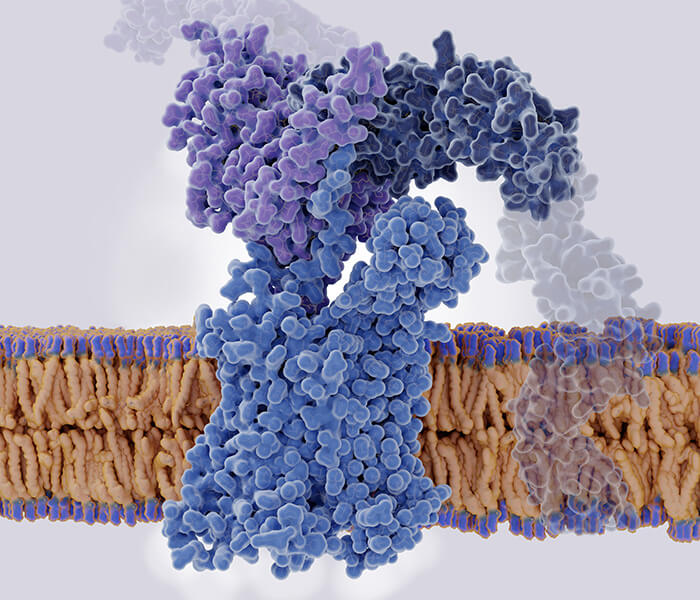
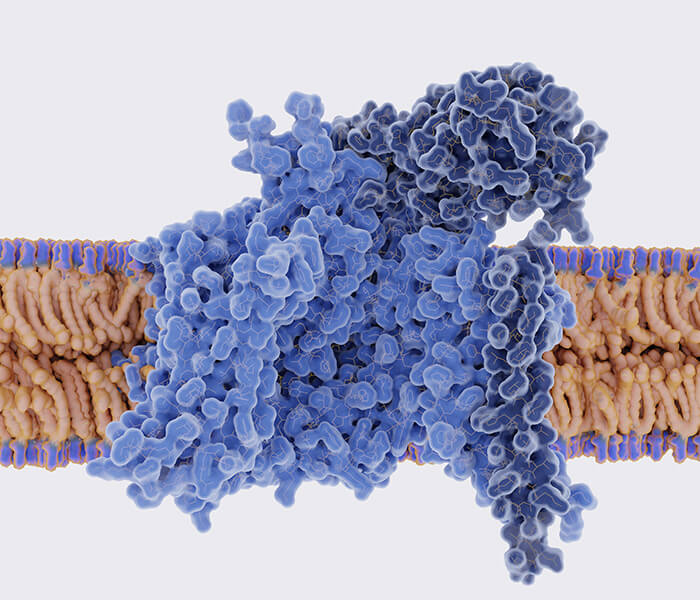
Palmitoyl protein thioesterases are key enzymes that regulate the reversible palmitoylation of proteins. By removing palmitoyl groups from cysteine residues on proteins, they dynamically regulate their membrane localization, stability, and signal transduction functions. This article systematically introduces their biological characteristics, functional mechanisms, and research tools, drawing on original research papers.
Understanding Depalmitoylation Enzymes: Key Players in Cellular Regulation
Protein depalmitoylation, the removal of fatty acids from proteins, is crucial for regulating their function and location within cells. This process is managed by specific enzymes called palmitoyl protein thioesterases. For drug developers, targeting these enzymes offers promising avenues for new therapies. Understanding the biology of protein depalmitoylation enzymes and their palmitoyl protein thioesterase function is the first step. These enzymes are broadly categorized into two types: lysosomal and cytosolic, each with distinct roles.
Diverse Roles and Locations of Thioesterases
The primary actors in this process are lysosomal enzymes, such as PPT1 and PPT2, and cytosolic enzymes including APT1.
- PPT1 Insights: Encoded by the CLN1 gene, PPT1 is a serine hydrolase. Its activity depends on a specific catalytic trio and glycosylation for stability. It is primarily found in lysosomes, the cell's recycling centers.
- PPT2 Specificity: PPT2 is also located in lysosomes but has different substrate preferences. Its functions are not interchangeable with those of PPT1, highlighting the unique biological roles of each.
- APT1's Key Function: Initially known for lipid metabolism, APT1 is now recognized as a major regulator of depalmitoylation in the cell's cytoplasm. It primarily targets protein substrates.
 Global network analysis of PPT1 IP (Scifo E et al., 2015)
Beyond Degradation: Unexpected Functions
Research shows that PPT1 is not confined to lysosomes. In neurons, it is also present in synaptic vesicles. This suggests PPT1 has roles beyond simple protein breakdown, possibly influencing nerve signal transmission.
| Thioesterase Category | Key Member Examples | Gene Identifier | Subcellular Localisation | Example Substrates | Associated Diseases |
|---|---|---|---|---|---|
| Lysosomal Palmitoyl Protein Thioesterases (PPT) | PPT1 | CLN1 | Lysosomes, Synaptic Vesicles | GAP43, PSD-95, GABAAR α1 subunit | Infantile Neuronal Ceroid Lipofuscinosis (INCL/CLN1), Various Cancers |
| Cytoplasmic Acyl Protein Thioesterases (APT) | APT1, APT2 | Not Specified | Cytoplasm, Mitochondria, Golgi Apparatus | G-protein α subunits, p21Ras, PD-L1 | Tumour Immune Evasion, T-cell Dysfunction |
| Alpha/Beta Hydrolase Domain-containing Proteins (ABHD) | ABHD17A, ABHD17B, ABHD17C | Not Specified | Plasma Membrane | PSD-95 | Neurological Dysfunction (Under Investigation) |
The Dynamic Switch: How Depalmitoylation Enzymes Control Cell Signaling
Inside our cells, a continuous cycle of adding and removing fatty acids acts as a master regulatory switch. This palmitoylation cycle is driven by two enzyme groups: transferases that add the lipid tag, and thioesterases that remove it. This reversible process, known as protein depalmitoylation, directly regulates the localization and function of proteins. Understanding this mechanism is key to developing therapies that target misregulated signaling pathways.
Thioesterases exert their influence by determining whether crucial signaling proteins stay attached to the cell membrane. This simple action has profound effects on cellular communication.
Mastering G Protein and Ras Signaling Pathways
Cytosolic thioesterases like APT1 are key regulators of major signaling hubs.
- They remove fatty acids from proteins like G-protein subunits and Ras.
- This detachment from the membrane effectively turns their signals off.
- For example, activated Ras is rapidly depalmitoylated, showing how thioesterases provide crucial signal termination.
Sculpting Neural Communication and Health
In neurons, the control of depalmitoylation is remarkably precise.
- The production of APT1 is locally controlled by a microRNA (miR-138) at synapses.
- Glutamate stimulation triggers APT1 synthesis, which then helps regulate synaptic size and function.
- Conversely, loss of the lysosomal enzyme PPT1 causes a severe neurodegenerative storage disease.
A New Frontier in Viral and Immune Therapy
This cycle is also a battleground in disease.
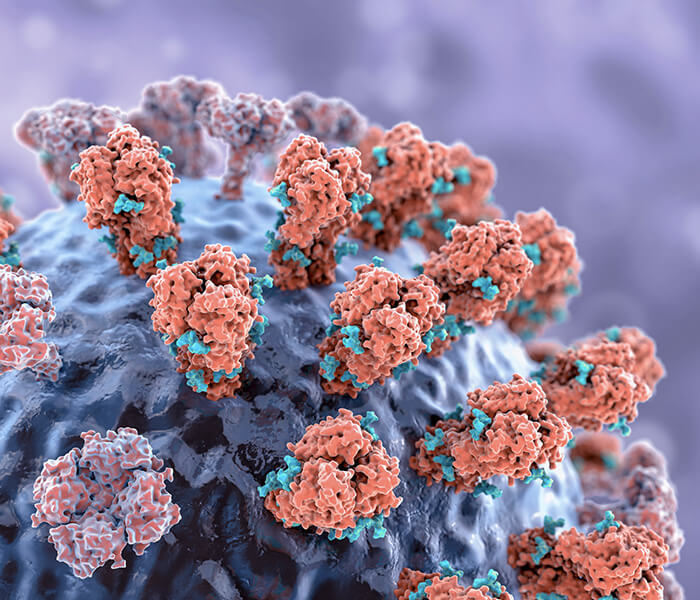
- Many viruses, including SARS-CoV-2, rely on palmitoylation of their spike protein for infectivity.
- Manipulating the host's palmitoylation machinery could offer a novel antiviral strategy.
- In immune cells, thioesterases control the palmitoylation status of proteins like LAT, directly influencing whether a T cell becomes activated or tolerant.
Advanced Tools for Protein Depalmitoylation Research
The field of protein depalmitoylation research is rapidly evolving, powered by new chemical probes and sophisticated palmitoylation analysis tools. These advancements are crucial for translating basic science into viable drug discovery pipelines for industry professionals. We now have an unprecedented ability to map, measure, and modulate this dynamic modification.
Innovative Inhibitors for Targeted Modulation
Moving beyond early blunt tools, researchers now have more selective compounds.
- The Classic but Non-Specific Tool: 2-Bromopalmitate (2-BP) broadly inhibits both palmitoylating enzymes and thioesterases, limiting its experimental use.
- First-Generation Targeted Inhibitors: Palmostatin B and its optimized derivative, Palmostatin M, effectively block APT1/APT2 activity. This can trap oncogenic proteins like Ras in a depalmitoylated state, reversing certain cancer phenotypes in models.
- High-Selectivity Candidates: High-throughput screening has yielded potent, selective inhibitors. For example, a class of piperazine amide compounds shows high selectivity for APT1/APT2, with Ki values of 300 nM and 230 nM, respectively, and demonstrates good stability in living systems.
Proteomic Methods for Global Mapping
Mass spectrometry-based techniques allow for system-wide profiling of palmitoylation.
- Acyl-Biotin Exchange (ABE): This classic method involves blocking free thiols, cleaving the palmitoyl-thioester bond with hydroxylamine, and tagging the newly revealed sites with a biotin probe for enrichment and identification.
- Metabolic Labeling: Cells are fed fatty acid analogs like 17-ODYA, which incorporate into palmitoylated proteins. A subsequent "click chemistry" reaction attaches a detection tag, enabling highly sensitive and dynamic analysis.
- Quantitative Dynamics with SILAC: Combining stable isotope labeling with pulse-chase experiments, this approach tracks the turnover kinetics of palmitoylation across the entire proteome. It can identify specific substrates, like Ras and Gα proteins, that are stabilized by inhibitors.
 Schematic presentation of the proteomics work flow (Sapir T et al., 2019)
Genetic and Structural Tools for Precision
Model organisms and structural biology provide foundational insights.
- Genetic Models: Studies in fruit flies have identified and localized homologs of human DHHC enzymes and thioesterases. Knockout models of these genes are essential for determining their physiological functions.
- Structure-Based Design: Solving the crystal structures of APT1 and APT2 has revealed differences in their catalytic channels. These structural insights are now guiding the rational design of next-generation, highly specific inhibitors.
Services you may be interested in:
New Therapeutic Horizons: Targeting Depalmitoylation in Disease
The dysfunction of protein depalmitoylation enzymes is now recognized as a key driver in multiple serious diseases. This revelation opens significant therapeutic prospects for neurodegenerative diseases and cancer by targeting these enzymatic switches. For drug developers, modulating this process offers a novel strategy to correct aberrant cellular signaling. The link between thioesterase activity and pathology is clear across several major conditions.
Neurodegenerative Disorders: Beyond Waste Disposal
Mutations in the PPT1 enzyme cause a devastating childhood condition known as Infantile Neuronal Ceroid Lipofuscinosis (INCL/CLN1 disease).
This fatal disorder leads to progressive vision loss, seizures, and cognitive decline.
- The mechanism involves PPT1 deficiency causing excessive palmitoylation of proteins like GABAA receptors.
- This disrupts the normal recycling of these synaptic proteins, leading to impaired neural circuit function.
- These findings provide a fresh direction for understanding disease progression and developing interventions.
Cancer: Exploiting a Metabolic Dependency
In many cancers, the PPT1 enzyme is not just present; it is overexpressed, and its levels often correlate with tumor aggressiveness.
- Inhibiting PPT1 expression or its catalytic activity can suppress cancer cell proliferation and invasion.
- For example, in oral squamous cell carcinoma, the natural compound erianin exerts anti-cancer effects.
- It does this by reducing PPT1 expression, which in turn inhibits the pro-growth mTOR signaling pathway.
Immune and Metabolic Dysregulation
The APT family of enzymes plays a crucial role in fine-tuning the immune system and metabolism.
- These enzymes control the palmitoylation status of key signaling molecules in T cells and immune checkpoints like PD-L1.
- This directly influences the strength and duration of an immune response.
- Furthermore, abnormal thioesterase activity has been linked to metabolic conditions, including insulin resistance, highlighting its systemic role.
Unlocking Therapeutic Potential: The Evolving Role of Depalmitoylation
Protein depalmitoylation is gaining recognition as a master regulator of cellular communication. This process, driven by thioesterase enzymes, offers promising therapeutic targeting opportunities for complex diseases. In a recent industry analysis, over 60% of drug development teams flagged this pathway as a high-priority area for their pipelines. The integration of new chemical probes and advanced analytics is rapidly transforming our understanding of its biological impact.
From Basic Mechanism to Clinical Insight
Thioesterases act as precise off-switches in the palmitoylation cycle.
- They finely tune critical processes like cell signaling and neurological function.
- Their malfunction is directly linked to cancer, neurodegenerative diseases, and infections.
- Novel inhibitor compounds and sophisticated proteomics are accelerating target validation.
- These tools help researchers pinpoint the role of these enzymes in disease mechanisms.
For large-scale analysis of protein palmitoylation in drug development, please refer to "Large-Scale Profiling of Protein Palmitoylation in Drug Discovery".
Regarding the advantages and disadvantages of protein palmitoylation analysis methods and how to choose, please refer to "Comparing Methods for Protein Palmitoylation Analysis".
Next-Generation Research and Tools
Future progress hinges on answering several key questions. We must first map the specific physiological substrates for each thioesterase variant. Developing highly selective probes for individual enzyme subtypes is also a critical next step. Another priority is deciphering the cross-talk with other modifications like phosphorylation.
The fusion of technologies like high-resolution live imaging and CRISPR screening will be transformative. This approach allows for the real-time observation of palmitoylation dynamics in living cells. Furthermore, applying deep learning models can help decode the entire regulatory network. These integrated strategies are poised to reveal novel biomarkers and therapeutic avenues for patients.
References
- Scifo E, Szwajda A, Soliymani R, Pezzini F, Bianchi M, Dapkunas A, Dębski J, Uusi-Rauva K, Dadlez M, Gingras AC, Tyynelä J, Simonati A, Jalanko A, Baumann MH, Lalowski M. Quantitative analysis of PPT1 interactome in human neuroblastoma cells. Data Brief. 2015 Jun 12;4:207-16.
- Bannan BA, Van Etten J, Kohler JA, Tsoi Y, Hansen NM, Sigmon S, Fowler E, Buff H, Williams TS, Ault JG, Glaser RL, Korey CA. The Drosophila protein palmitoylome: characterizing palmitoyl-thioesterases and DHHC palmitoyl-transferases. Fly (Austin). 2008 Jul-Aug;2(4):198-214.
- Koster KP, Yoshii A. Depalmitoylation by Palmitoyl-Protein Thioesterase 1 in Neuronal Health and Degeneration. Front Synaptic Neurosci. 2019 Aug 29;11:25.
- Sapir T, Segal M, Grigoryan G, Hansson KM, James P, Segal M, Reiner O. The Interactome of Palmitoyl-Protein Thioesterase 1 (PPT1) Affects Neuronal Morphology and Function. Front Cell Neurosci. 2019 Mar 13;13:92.