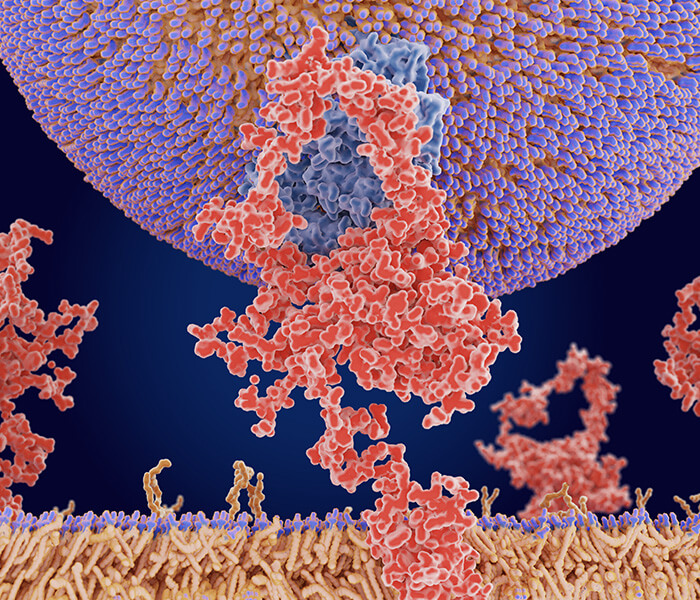
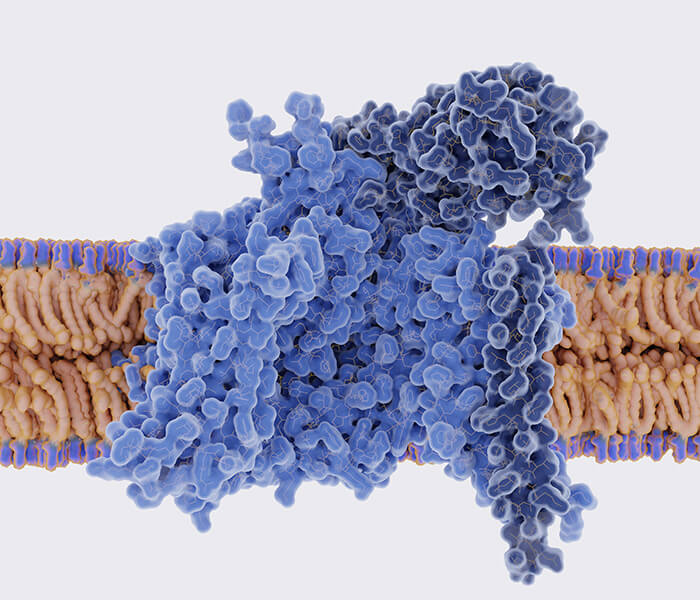
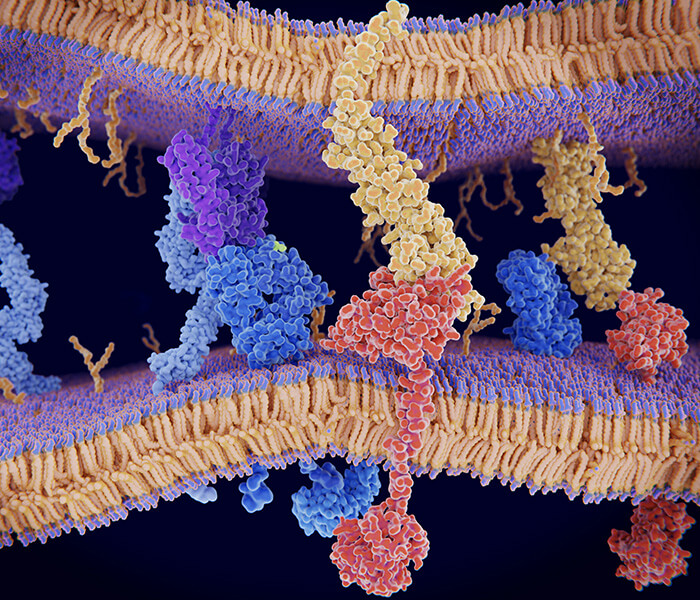
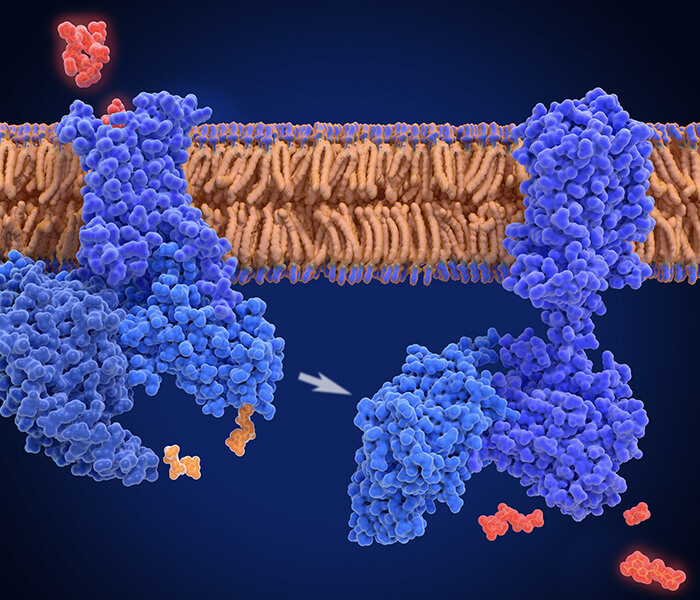
Large-scale protein palmitoylation analysis is playing an increasingly important role in drug discovery. This reversible post-translational modification is closely linked to various disease mechanisms by regulating the localization, stability, and function of key proteins, providing a wealth of potential targets for new drug development.
 The reversible palmitoylation of proteins mediated by the enzymes zDHHC1 and APT1 (Chen Y et al., 2024)
Protein Palmitoylation: An Emerging Therapeutic Target in Human Disease
Think of protein palmitoylation as a master cellular switch. This reversible process is controlled by two enzyme families: palmitoyltransferases (PATs) that add fatty acids, and acylprotein thioesterases (APTs) that remove them. By making proteins more hydrophobic, this switch directly controls where a protein goes in the cell and what it interacts with. These changes have a profound impact on cell signaling, trafficking, and overall balance, making palmitoylation a key player in both health and disease.
Driving Cancer Signals and Revealing Weaknesses
In cancer, palmitoylation is often hijacked to drive tumor growth. Many well-known oncoproteins need this modification to function. For instance, the membrane attachment and activity of RAS proteins—key drivers in many cancers—are entirely dependent on palmitoylation. Blocking this process disrupts tumor growth, revealing a clear therapeutic opportunity.
Researchers have now identified over 150 oncoproteins regulated by this cycle, including:
- NRAS, KRAS4A, and HRAS
- EGFR
- p53
This modification fine-tunes their location, activity, and partnerships within the cell.
Uncovering Mechanisms of Treatment Resistance
The link to therapy resistance is equally important. In glioblastoma, a highly aggressive brain cancer, the palmitoylation of a protein called GSK3β by the enzyme ZDHHC4 is linked to resistance against the common chemotherapy drug temozolomide. Higher levels of ZDHHC4 in tumors correlate with greater aggressiveness and treatment failure, marking this enzyme as a promising new target to overcome drug resistance.
Boosting the Immune System's Fight Against Cancer
This process also directly influences how cancer cells evade the immune system. The immune checkpoint protein PD-L1, which tumors use to shut down attacking T-cells, requires palmitoylation for its stability. When researchers prevent PD-L1 palmitoylation—either with chemical inhibitors or by silencing the enzymes responsible—T-cells become much more effective at killing tumor cells. This suggests that targeting this specific modification could become a powerful new strategy in the field of cancer immunotherapy.
Mapping the Palmitoylome: A Guide to Evolving Analysis Methods
Understanding how to study protein palmitoylation is vital for drug discovery. The right tools can reveal crucial insights into cellular signaling networks. Here's a look at the key methods researchers use to profile this dynamic modification.
Acyl-Biotin Exchange (ABE): The Established Workhorse
The ABE method is a proven technique for detecting protein palmitoylation. It works through a series of chemical steps:
- First, free cysteine residues in proteins are blocked.
- Hydroxylamine then specifically cleaves the thioester bonds at palmitoylation sites.
- The newly revealed cysteines are tagged with a biotin probe.
- Finally, biotinylated proteins are purified for analysis.
While reliable for identifying modified proteins from complex samples, ABE has limitations. It cannot track changes over time or distinguish palmitoylation from other similar lipid modifications.
Acyl-Resin Assisted Capture (Acyl-RAC): A Streamlined Approach
Acyl-RAC is a more direct version of ABE. It follows the same initial steps but simplifies the process. After hydroxylamine treatment, exposed cysteines bind directly to a specialized resin, bypassing the biotin-tagging step.
This method is more efficient, but traditional protocols had a drawback. They required multiple precipitation steps, which often led to protein loss and inconsistent results.
Chemical Reporters: Watching Palmitoylation in Real Time
This innovative strategy uses synthetic fatty acids, like 17-ODYA, that cells can incorporate into proteins. These "reporter" molecules contain a chemical handle. After incorporation, researchers use a "click chemistry" reaction to attach a fluorescent or biotin tag.
This allows scientists to watch palmitoylation as it happens in living cells. The main caveat is that the cell must process the artificial fatty acid, and it can label other lipid-modified proteins beyond just palmitoylated ones.
Recent Innovation: Making Protocols Faster and More Reliable
A significant recent improvement addresses the precipitation problem in Acyl-RAC. Scientists now use a Diels-Alder reaction to cleanly remove the blocking reagent in solution. This eliminates all precipitation steps, minimizing sample handling and protein loss. This advancement is particularly valuable for studying large proteins or protein complexes, making quantitative analysis more accurate and reliable.
| Technology | Core Principle & Mechanism | Key Advantages | Primary Limitations |
|---|---|---|---|
| Acyl-Biotin Exchange (ABE) | Multi-step chemoproteomic workflow involving reduction, blocking, hydroxylamine cleavage, biotin tagging, and streptavidin enrichment. | Robust and classic method; well-suited for identifying and enriching low-abundance palmitoylated proteins. | Labor-intensive protocol; high time and reagent consumption; lacks direct site-specific information. |
| Metabolic Labeling | Utilizes radiolabeled palmitic acid for in vivo incorporation into proteins during cell culture. | High sensitivity; enables dynamic monitoring of palmatoylation turnover. | Requires handling of radioactivity and associated safety protocols. |
| Oscar DIA Palmitoylome Profiling | An optimized ABE-based workflow coupled with Data-Independent Acquisition (DIA) on advanced mass spectrometers like the Astral. | Exceptional depth (e.g., >14,000 sites/sample); low sample input (~1 mg protein); provides precise site-localization. | Newer methodology with associated complex data analysis requirements. |
The latest advancements in Oscar DIA Palmitoylome technology represent a significant leap forward. This approach delivers a true "palmitoylome" analysis by providing confident detection at the level of specific peptides and their exact modification sites.
This capability solves a critical problem. Traditional methods could often tell you which protein was modified, but not the precise location of the change. Oscar DIA overcomes this limitation, pinpointing the exact cysteine residue involved.
Furthermore, the platform includes specialized analytical modules for key protein classes:
- Membrane Proteins
- Transcription Factors
- Kinases
These tailored analyses are proving invaluable. They help researchers deepen their understanding of palmitoylation's functional and mechanistic roles in both cellular regulation and disease pathways. By providing this targeted insight, the technology is accelerating the translation of basic science into new therapeutic strategies.
Services you may be interested in:
The Role of Protein Palmitoylation in Therapeutic Development
Protein palmitoylation has emerged as a critical regulatory mechanism with far-reaching implications for drug discovery. This dynamic modification influences numerous disease pathways, creating novel therapeutic opportunities across oncology, neurology, and immunology. Understanding these connections is transforming how researchers approach protein palmitoylation analysis in therapeutic contexts.
Oncology Applications and Resistance Mechanisms
Numerous oncoproteins—including NRAS, KRAS4A, HRAS, EGFR, and p53—rely on S-palmitoylation cycles to regulate their cellular positioning, activity, and interactions. Research has identified over 150 oncoproteins that undergo this modification, highlighting its broad significance in cancer biology.
Specific palmitoylation events directly contribute to treatment resistance. In renal cell carcinoma, ZDHHC2-mediated palmitoylation of mitochondrial AGK kinase promotes sunitinib resistance through AKT-mTOR signaling activation. Similarly, ZDHHC16-mediated PCSK9 palmitoylation induces sorafenib resistance in cancers via PI3K-AKT pathway activation (Tate EW et al., 2024).
The immunomodulatory aspects are equally promising. In pancreatic cancer, ZDHHC3 expression fosters an immunosuppressive tumor microenvironment. Genetic suppression of ZDHHC3 or pharmacological inhibition with 2-bromopalmitate (2-BP) delays tumor growth and enhances anti-tumor immunity. Notably, 2-BP treatment significantly improves the efficacy of PD-1/PD-L1 inhibitors in pancreatic tumor models (Lin Z et al., 2024).
Neurological Disorder Insights
Large-scale S-palmitoylation profiling is revealing crucial regulatory mechanisms in neurological function. Global analysis of the rat neuronal S-palmitoylome using ABE methodology identified over 200 novel S-palmitoylated protein candidates with diverse functions ranging from ion channels to vesicular trafficking factors. Studies of palmitoylation dynamics in drug-induced neural activity models further underscore its growing importance in regulating synaptic function (Peng T et al., 2016).
Glioblastoma Chemoresistance Mechanisms
Recent research demonstrates that ZDHHC4-mediated GSK3β palmitoylation plays a pivotal role in glioblastoma chemoresistance. ZDHHC4 shows elevated expression in glioma tissues, correlating with both tumor malignancy and treatment resistance. This palmitoylation event promotes glioma stem cell self-renewal and modulates chemotherapy sensitivity through the EZH2-STAT3 signaling pathway, positioning ZDHHC4 as a promising clinical biomarker and therapeutic target (Zhao C et al., 2022).
 Schematic showing that ZDHHC4-mediated GSK3β palmitoylation promotes GBM TMZ-resistance (Zhao C et al., 2022)
Immune Regulation and Exhaustion
A research team discovered that palmitoylation critically regulates human TIM-3 protein stability and its role in immune exhaustion. DHHC9 emerged as the key enzyme controlling TIM-3 palmitoylation and stability, showing elevated expression in liver cancer-infiltrating CD8+ T and NK cells. This correlates with TIM-3 overexpression and poor patient prognosis. In T-cell exhaustion models, DHHC9 knockdown suppressed TIM-3 expression and reversed exhaustion, establishing DHHC9-regulated TIM-3 palmitoylation as a fundamental mechanism in immune effector cell exhaustion (Zhang Z et al., 2024).
To learn more about the role of protein Palmitoylation in diseases, please refer to "Protein Palmitoylation: Role in Diseases, Research Methods, and Therapeutic Implications".
New Treatment Avenues: Targeting Protein Palmitoylation
As we learn more about protein palmitoylation's role in disease, new treatment strategies are emerging. These range from broad-acting compounds to highly precise interventions, opening fresh possibilities for drug discovery. Understanding how to analyze this modification is key to both finding these opportunities and developing effective therapies.
Here's a look at the key strategies being explored:
Small Molecule Inhibitors: The Broad-Spectrum Approach
The compound 2-bromopalmitate (2-BP) is a well-known example. It blocks a wide range of PAT enzymes and has shown strong anti-cancer effects in lab models.
- In pancreatic cancer studies, 2-BP suppressed cancer cell growth and triggered cell death.
- Crucially, it did this while sparing healthy pancreatic cells.
- This selective effect highlights the promise of targeting palmitoylation pathways.
Targeted Enzyme Inhibitors: A Precision Strike
A more refined approach involves developing drugs that target specific ZDHHC enzymes.
- Inhibitors against ZDHHC3 have shown promise in pancreatic cancer models.
- Blocking DHHC9 could offer a new way to combat immune exhaustion in T-cells.
- This strategy aims to maximize therapeutic benefit while minimizing side effects.
Protein-Peptide Inhibitors: A Next-Generation Tactic
Researchers are also designing custom peptides that act as very specific inhibitors.
- By studying protein structures, they created peptides that prevent the palmitoylation of TIM-3, an immune protein.
- In lab and animal studies, these peptides successfully blocked the DHHC9 enzyme from modifying TIM-3.
- This intervention significantly boosted the tumor-killing ability of engineered immune cells (CAR-T and NK cells).
Combination Therapies: Boosting Existing Treatments
Perhaps the most exciting potential lies in combining palmitoylation inhibitors with other drugs.
- In pancreatic tumor models, 2-BP dramatically improved the effectiveness of PD-1/PD-L1 immunotherapy.
- Another inhibitor, GNE-7883, was able to reverse resistance to a KRAS-targeting drug in certain lung cancers.
- These findings show how palmitoylation inhibitors can break down treatment resistance and enhance current therapies.
For more information on palmitoyl protein thioesterase, please refer to "Palmitoyl-Protein Thioesterases: Biology, Function, and Research Tools".
Protein Palmitoylation: A New Frontier for Drug Discovery
Imagine having a master switch to control where proteins go and what they do in our cells. That's the promise of targeting protein palmitoylation—the process of attaching fatty acids to proteins. This mechanism offers a unique way to manage problematic proteins in diseases like cancer by directing their location, stability, and interactions.
For drug developers, this approach could finally make "undruggable" targets treatable. But to unlock this potential, we must first overcome some key challenges in studying this process effectively.
Three Key Hurdles to Address
Turning the science of protein palmitoylation into real treatments faces three main obstacles:
- We Need Better Detection Tools: Current methods aren't precise enough to accurately map modification sites and track rapid changes in living cells.
- We Lack Selective Inhibitors: Developing drugs that target specific ZDHHC enzymes without affecting others remains challenging, leading to potential side effects.
- The Path to Patients is Long: Moving from laboratory discoveries to actual clinical treatments requires extensive validation and testing.
Looking Ahead: From Discovery to Treatment
Despite these challenges, the future looks promising. As our tools and understanding improve, we're making steady progress. Comprehensive palmitoylation profiling will become essential for discovering new disease markers and treatment opportunities.
This expanding knowledge will directly support the development of innovative therapies for cancer, brain disorders, and immune conditions. Ultimately, learning to control this cellular switch will play a crucial role in the next generation of medical treatments.
References
- Chen Y, Li Y, Wu L. Protein S-palmitoylation modification: implications in tumor and tumor immune microenvironment. Front Immunol. 2024 Feb 13;15:1337478.
- Tate EW, Soday L, de la Lastra AL, Wang M, Lin H. Protein lipidation in cancer: mechanisms, dysregulation and emerging drug targets. Nat Rev Cancer. 2024 Apr;24(4):240-260.
- Lin Z, Lv Z, Liu X, Huang K. Palmitoyl transferases act as novel drug targets for pancreatic cancer. J Transl Med. 2023 Apr 10;21(1):249.
- Peng T, Thinon E, Hang HC. Proteomic analysis of fatty-acylated proteins. Curr Opin Chem Biol. 2016 Feb;30:77-86.
- Zhao C, Yu H, Fan X, Niu W, Fan J, Sun S, Gong M, Zhao B, Fang Z, Chen X. GSK3β palmitoylation mediated by ZDHHC4 promotes tumorigenicity of glioblastoma stem cells in temozolomide-resistant glioblastoma through the EZH2-STAT3 axis. Oncogenesis. 2022 May 23;11(1):28.
- Zhang Z, Ren C, Xiao R, Ma S, Liu H, Dou Y, Fan Y, Wang S, Zhan P, Gao C, Yue X, Li C, Gao L, Liang X, Wu Z, Ma C. Palmitoylation of TIM-3 promotes immune exhaustion and restrains antitumor immunity. Sci Immunol. 2024 Nov 15;9(101):eadp7302.
- Zhang Z, Li X, Yang F, Chen C, Liu P, Ren Y, Sun P, Wang Z, You Y, Zeng YX, Li X. DHHC9-mediated GLUT1 S-palmitoylation promotes glioblastoma glycolysis and tumorigenesis. Nat Commun. 2021 Oct 7;12(1):5872.
- Balasubramanian A, Hsu AY, Ghimire L, Tahir M, Devant P, Fontana P, Du G, Liu X, Fabin D, Kambara H, Xie X, Liu F, Hasegawa T, Xu R, Yu H, Chen M, Kolakowski S, Trauger S, Larsen MR, Wei W, Wu H, Kagan JC, Lieberman J, Luo HR. The palmitoylation of gasdermin D directs its membrane translocation and pore formation during pyroptosis. Sci Immunol. 2024 Apr 12;9(94):eadn1452.