Comprehensive ADME and DMPK Profiling for Therapeutic Peptides
Peptide therapeutics occupy a unique space between small molecules and biologics, presenting distinct ADME challenges that require specialised in vitro and in vivo approaches. Unlike small molecules, peptides are susceptible to rapid proteolytic degradation, exhibit size-dependent permeability, and often undergo extensive metabolism via exo- and endopeptidases rather than CYP enzymes. Unlike large biologics, they are not renally filtered as intact proteins and may cross biological membranes via active transport or passive diffusion depending on their size, charge, and lipophilicity.
Our therapeutic peptide DMPK and ADME service provides a comprehensive suite of in vitro assays designed specifically for peptide drug candidates. Using LC-MS/MS-based quantification and high-resolution mass spectrometry for metabolite identification, we assess key ADME properties — metabolic stability, metabolite profiling, plasma protein binding, permeability, CYP inhibition and induction — to support candidate selection, lead optimisation, and IND-enabling studies.
ADME Assay Portfolio for Peptide Therapeutics
We offer a full range of in vitro ADME assays tailored to the unique physicochemical and biochemical properties of therapeutic peptides. Each assay is supported by a validated LC-MS/MS quantification method developed specifically for your peptide candidate.
The ADME properties of peptide therapeutics differ fundamentally from small molecules. Cyclisation (disulfide bridges, head-to-tail), D-amino acid substitution, N-methylation, lipidation (e.g., C16/C18 acyl chains), and PEGylation all profoundly affect proteolytic stability, membrane permeability, protein binding, and metabolic clearance. Our ADME assays are designed to capture these structure-specific behaviours — for example, cyclic peptides may show dramatically higher Caco-2 permeability than their linear counterparts, while acylated peptides exhibit extensive albumin binding that reduces free fraction. We consider these structural determinants when designing assay conditions and interpreting data for each peptide candidate.
| ADME Assay | Purpose | Typical System | Key Readouts |
|---|---|---|---|
| Plasma Stability | Assess proteolytic degradation in circulation | Mouse, rat, dog, NHP, human plasma | Half-life (t½), intrinsic clearance, degradation pathways |
| Microsomal Stability | Evaluate hepatic metabolism | Liver microsomes (multiple species) | CLint, t½, species comparison, metabolite generation rate |
| Hepatocyte Stability | Phase I/II metabolism in intact cells | Cryopreserved hepatocytes suspended or plated | CLint, metabolite profile, uptake/efflux contributions |
| Metabolite Identification | Identify major metabolic pathways | HR-MS/MS on Orbitrap Astral or Q Exactive HF-X | Metabolite structures, relative abundance, fragmentation maps |
| Plasma Protein Binding | Measure free fraction available for distribution | Equilibrium dialysis (HTD 96-well) | Fu (free fraction), binding ratio, species comparison |
| Caco-2 Permeability | Assess intestinal absorption potential | Caco-2 monolayers (bi-directional) | Papp (A→B, B→A), efflux ratio, recovery |
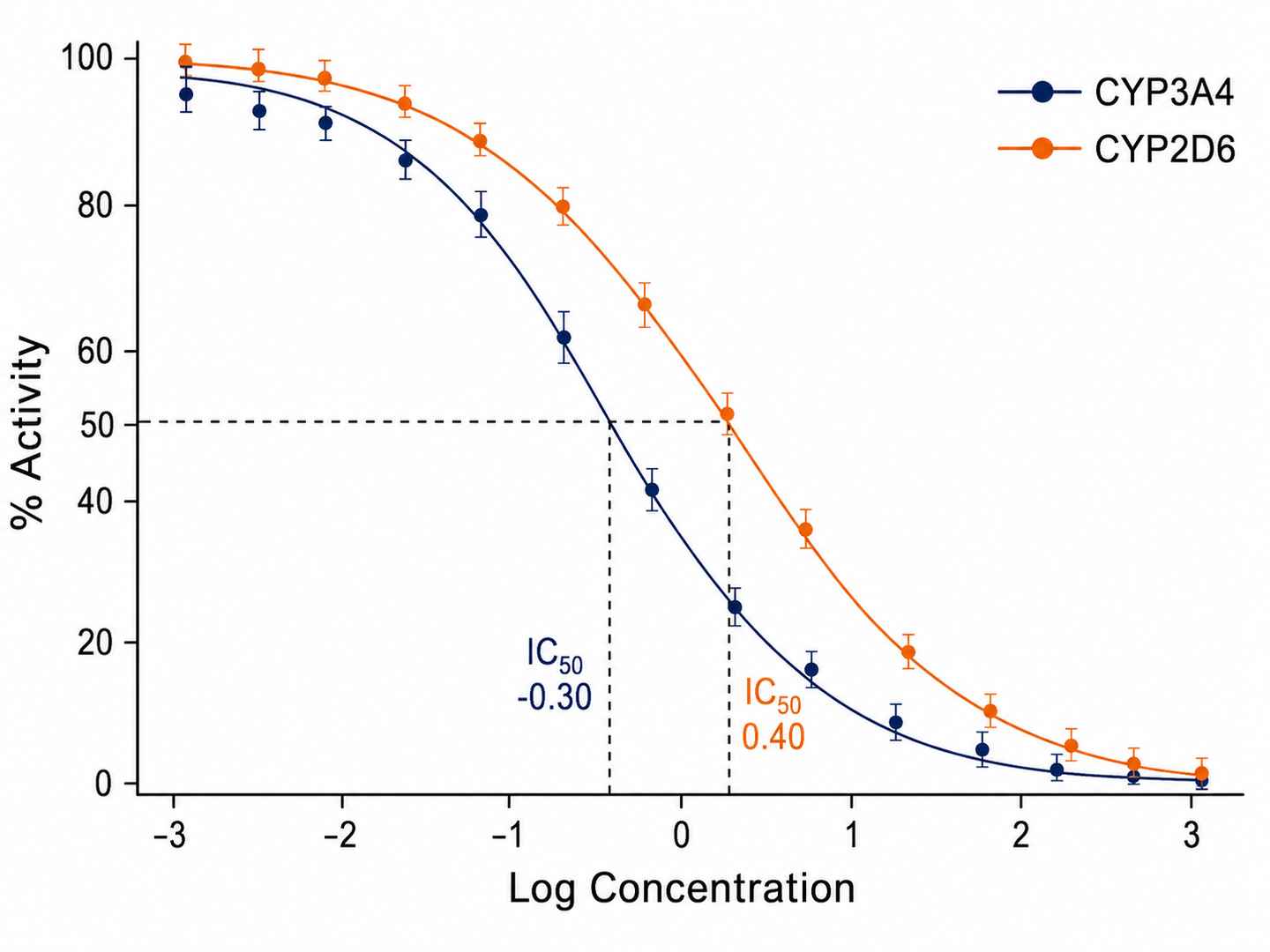
| CYP Inhibition | Evaluate drug-drug interaction potential | Recombinant CYPs or human liver microsomes | IC₅₀, CYP isoform-specific inhibition (CYP1A2, 2C9, 2C19, 2D6, 3A4) |
Note: Assay conditions — including peptide concentration, matrix composition, incubation time, and sampling schedule — are optimised for each peptide candidate. We recommend a 4–5 day feasibility assessment for novel peptides to establish LC-MS/MS method sensitivity and matrix compatibility before full ADME profiling.
Workflow: From Method Development to ADME Data Report
Each ADME project follows a structured workflow designed to deliver reliable, interpretable data within project timelines.
Method Dev & Feasibility
LC-MS/MS method development, sensitivity assessment, matrix stability check.
In Vitro Incubation
Plasma, microsomal, hepatocyte, or Caco-2 incubation under optimised conditions.
Sample Processing
Protein precipitation or SPE. ISTD spiked before extraction.
LC-MS/MS Analysis
MRM quantification on Triple Quad, MetID on Orbitrap Astral with data-dependent acquisition.
Data Analysis & Reporting
CLint, t½, Fu, Papp, metabolite structures, CYP IC₅₀. Full report with raw data and chromatograms.
1
Method Development and Feasibility
A fit-for-purpose LC-MS/MS method is developed for your peptide candidate. MRM transitions are optimised, and the LLOQ is established in the relevant matrix. For novel peptides, a 4–5 day feasibility assessment confirms method sensitivity and matrix compatibility before full ADME profiling begins.
2
In Vitro Incubation
The peptide is incubated under the relevant in vitro condition: plasma (with/without protease inhibitors), liver microsomes with NADPH regeneration system, cryopreserved hepatocytes (suspension or plated), or Caco-2 monolayers. Incubation conditions are optimised for each peptide’s stability profile. Time-point samples are collected at predetermined intervals.
3
Sample Processing
Incubation samples are quenched with organic solvent containing internal standard. Protein precipitation (acetonitrile or methanol) or SPE cleanup is applied depending on peptide hydrophobicity and matrix complexity. Samples are centrifuged and supernatant is transferred for LC-MS/MS analysis.
4
LC-MS/MS Analysis
Quantification is performed by MRM on a Triple Quad 6500+ with a C18 or C8 reversed-phase column. For metabolite identification, full-scan HR-MS/MS acquisition is performed on an Orbitrap Astral or Q Exactive HF-X with data-dependent fragmentation (DDA) to capture metabolite spectra. Data processing uses Skyline (quant) and Compound Discoverer or Metabolynx (MetID).
5
Data Analysis and Reporting
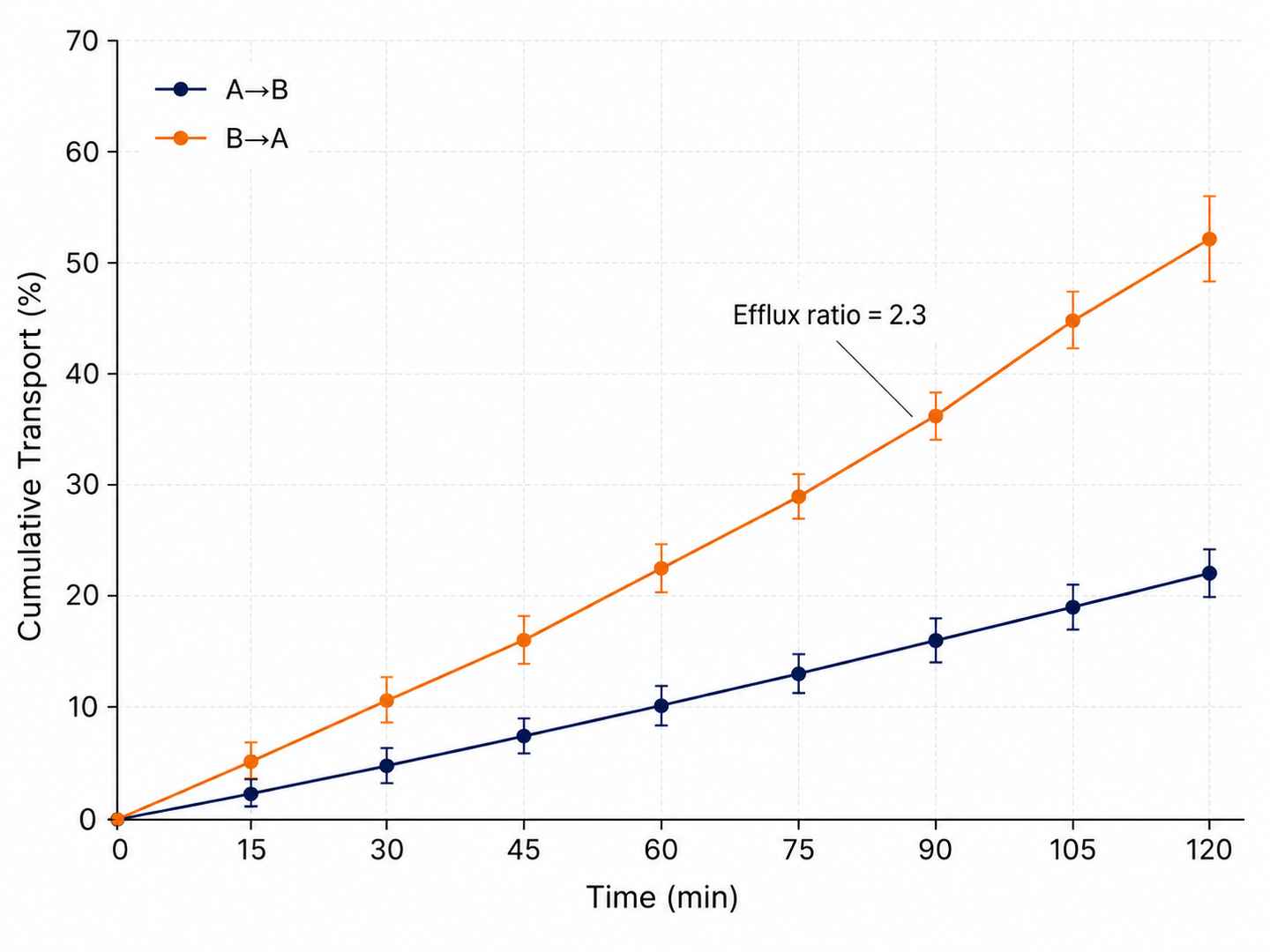
In vitro CLint and t½ are calculated from the parent depletion curve. Metabolite structures are proposed based on accurate mass, MS/MS fragmentation, and retention time. Permeability coefficients (Papp) are calculated from receiver compartment concentrations. A comprehensive ADME report is compiled with raw data, representative chromatograms, and calculated parameters.
Demo Results: Representative ADME Data
Below are representative examples of the data types generated from our therapeutic peptide ADME assays. These demo results illustrate the data quality and analytical depth of our service.
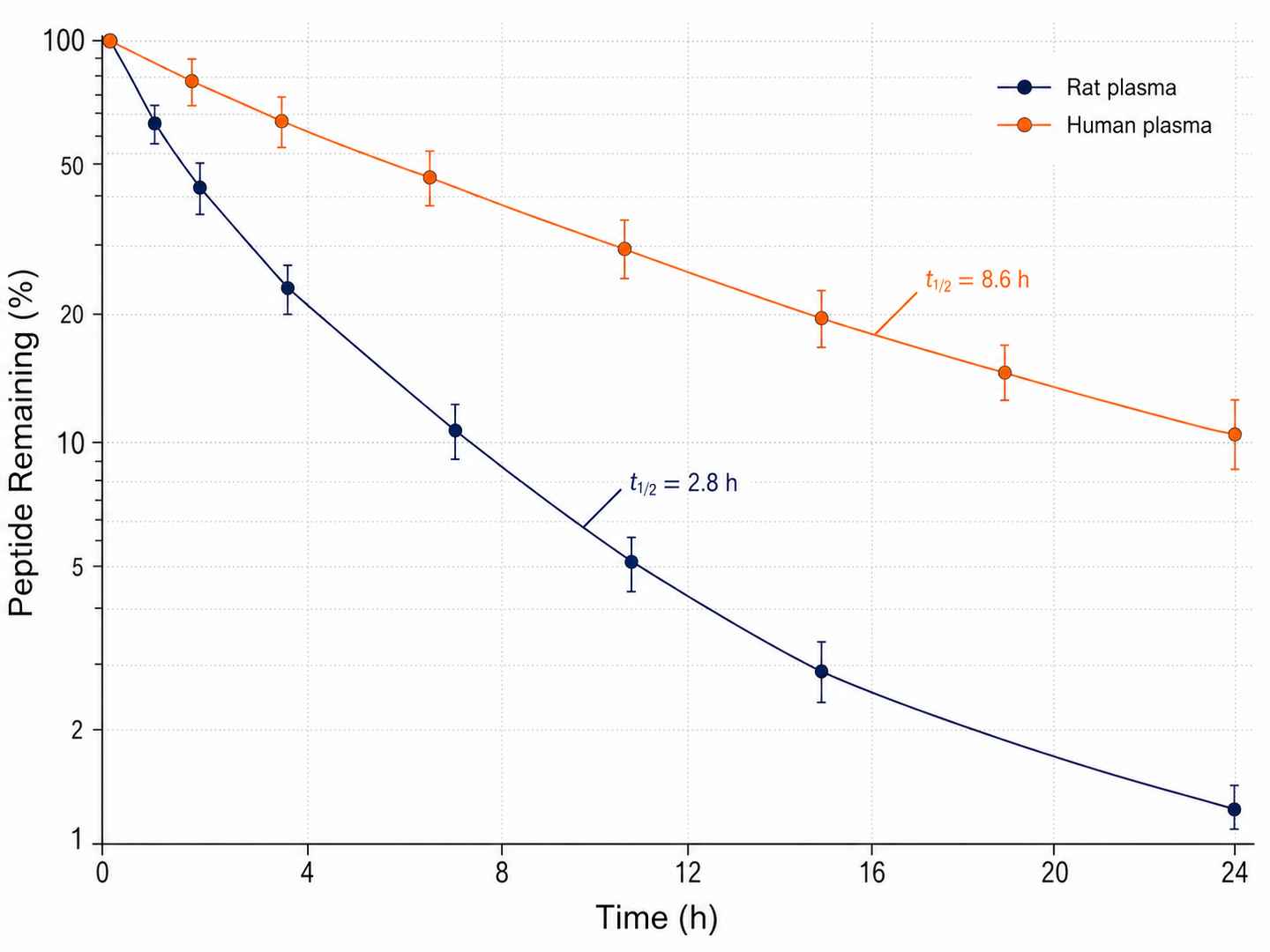
Plasma Stability Profile of a GLP-1 Analog
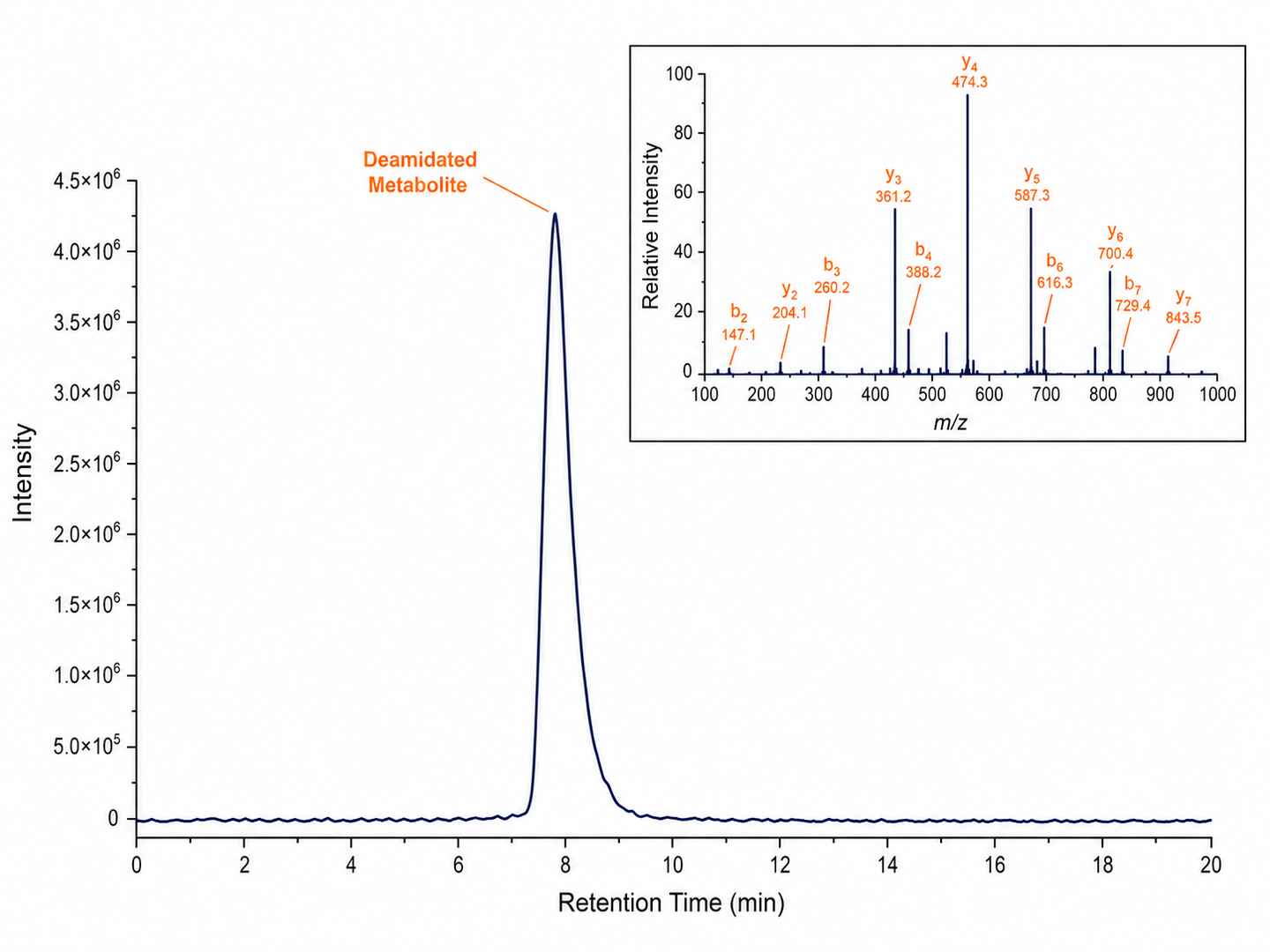
Metabolite Identification by HR-MS/MS
Caco-2 Permeability Time Course
CYP Inhibition IC₅₀ Curves
Platform Specifications and Detection Performance
Our ADME profiling platform combines high-sensitivity MRM quantification for accurate parent depletion kinetics with high-resolution mass spectrometry for comprehensive metabolite identification.
- Low ng/mL LLOQ for Quantification
Sensitive MRM methods with SIL internal standards enable accurate parent depletion monitoring at low ng/mL or pg/mL levels, depending on peptide ionisation efficiency. - High-Resolution MetID with <3 ppm Mass Accuracy
Orbitrap-based metabolite identification with sub-3 ppm mass accuracy and data-dependent MS/MS acquisition for confident metabolite structure assignment. - Multi-Species In Vitro Systems
Plasma, microsomes, and hepatocytes available for mouse, rat, dog, NHP, cynomolgus monkey, and human — enabling cross-species comparison for human PK prediction. - 96-Well Format for Higher Throughput
Plasma stability, protein binding, and CYP inhibition assays are automated in 96-well plate format, reducing manual variability and enabling batch processing.
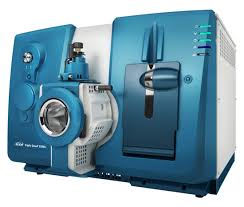 Triple Quad 6500+
(Fig from SCIEX)
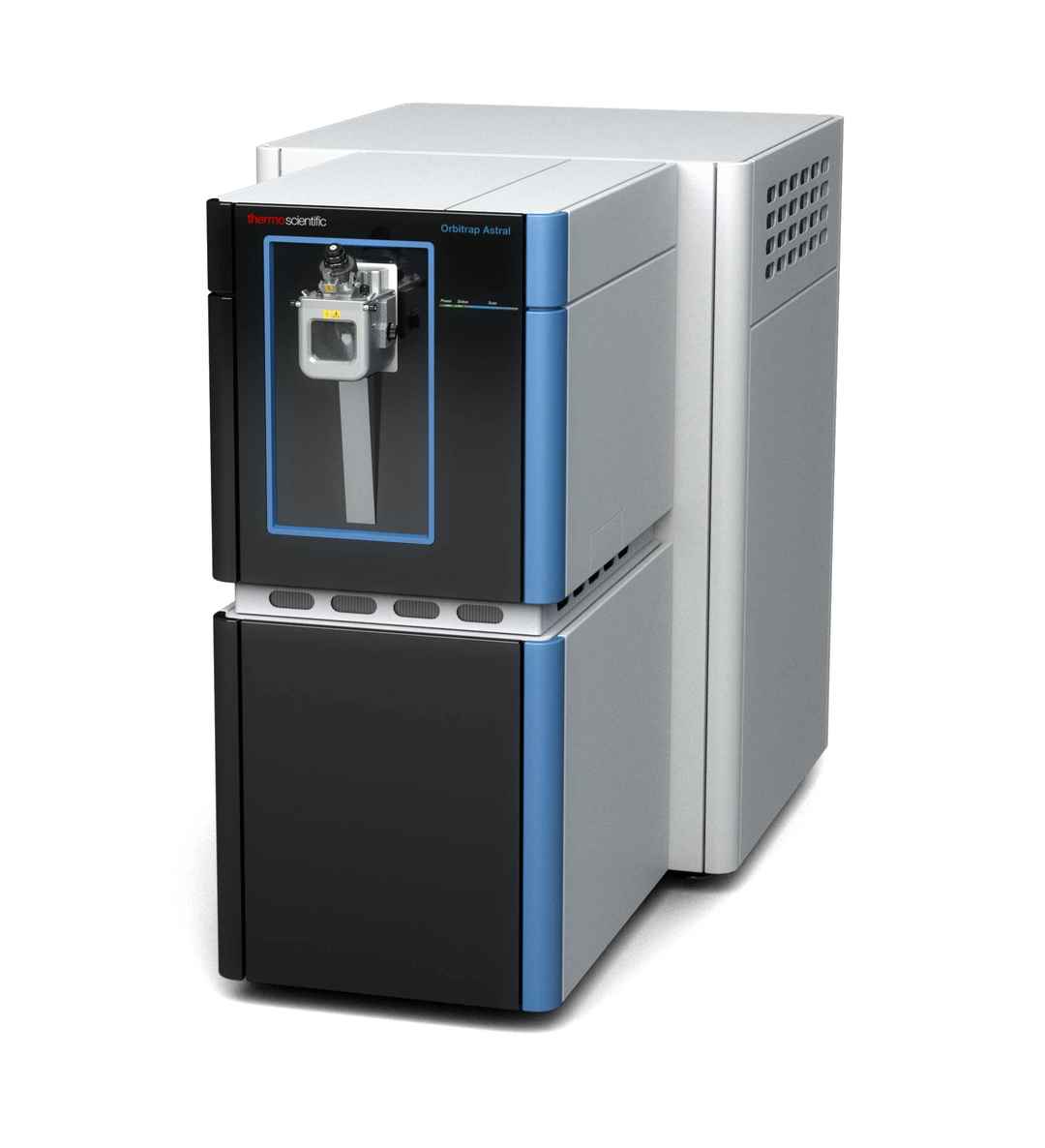 Orbitrap Astral™
(Fig from Thermo Scientific)
Instrument Capability Overview
| Platform | Primary Use | Quantification Mode | MS/MS Coverage | Mass Accuracy | Sensitivity |
|---|---|---|---|---|---|
| Triple Quad 6500+ | Quantitative MRM bioanalysis | MRM, Scheduled MRM, MRM³ | Unit resolution (Q1/Q3) | Unit resolution | Low ng/mL to pg/mL |
| Orbitrap Astral™ | HR MetID, multiplex quant | DIA, PRM, SureQuant™ | >90% with HCD fragmentation | <1 ppm | Low pg/mL |
Sample and Compound Requirements
The following table summarises typical material requirements for each ADME assay. These are guidelines; actual requirements depend on peptide solubility, molecular weight, and analytical sensitivity.
| Assay | Peptide Required | Typical Test Concentration | Incubation Time | Analytical Endpoint |
|---|---|---|---|---|
| Plasma Stability | ~0.5 mg | 1 µM | 0–24 h | % remaining, t½, CLint |
| Microsomal Stability | ~0.5 mg | 1 µM | 0–60 min | CLint, t½ |
| Hepatocyte Stability | ~0.5–1 mg | 1 µM | 0–120 min | CLint, metabolite ID |
| Metabolite Identification | ~1–2 mg | 10–50 µM | 0–120 min | Metabolite structures, % relative abundance |
| Plasma Protein Binding | ~0.5 mg | 1–10 µM | 4–6 h dialysis | % free fraction (Fu) |
| Caco-2 Permeability | ~1 mg | 10–50 µM | 0–120 min | Papp, efflux ratio |
| CYP Inhibition (5 isoforms) | ~0.5 mg | 0.1–100 µM (8 points) | 10–30 min | IC₅₀ per CYP isoform |
Note: Peptide should be supplied as lyophilised powder or concentrated DMSO stock. A minimum purity of >95% is recommended. For peptides with limited solubility, please contact our team to discuss alternative assay conditions.
ADME Data Deliverables
Every ADME project delivers a structured data package designed for direct use in candidate selection reports and regulatory submissions.
- ADME Study Report (PDF)
Complete summary of study design, incubation conditions, LC-MS/MS method parameters, raw concentration data, and calculated ADME parameters. - Quantified Data Tables (Excel/CSV)
Parent depletion time course, calculated CLint and t½, metabolite relative abundance, Papp values, IC₅₀ curves, and Fu values. - Representative Chromatograms
MRM chromatograms at each time point for parent peptide, and HR-MS extracted ion chromatograms for identified metabolites. - Metabolite ID Summary
Table of proposed metabolite structures with accurate mass, retention time, MS/MS fragment list, and relative abundance across time points. Metabolite fragmentation maps included. - Raw MS Data Files
Full .raw or .wiff data files for audit-ready documentation. Skyline project files for quantitative data review.
Why Choose Creative Proteomics for Peptide ADME/DMPK
Our ADME service is purpose-built for the specific challenges of peptide therapeutics. Seven key strengths set it apart.
Explore related services:
- Therapeutic Peptide Metabolic Stability Profiling — Dedicated stability assessment with extended metabolite identification
- GLP-1 and Metabolic Peptide PK/PD Bioanalysis Service — Targeted PK/PD bioanalysis for GLP-1 analogs
- Neuropeptidome Profiling Platform — Discovery-scale neuropeptide identification and characterization
What types of therapeutic peptides can you analyse in your ADME assays? +
We have analysed linear peptides, cyclic peptides, disulfide-rich peptides, peptide-Fc fusion proteins, lipopeptides, and peptide-drug conjugates. Peptide length from 5 to 50+ amino acids. Contact our team with your specific molecule for a feasibility assessment.
How much peptide do you need for a full ADME profile? +
A full ADME profile (plasma stability, microsomal stability, metabolite ID, protein binding, Caco-2 permeability, and CYP inhibition) typically requires 4–6 mg of peptide total. Individual assays can be run with as little as 0.5 mg per assay.
Can you perform ADME assays on novel peptides without an existing LC-MS method? +
Yes. We begin with a 4–5 day feasibility assessment that includes LC-MS/MS method development, sensitivity evaluation, and matrix stability screening. Once the method is established, full ADME profiling proceeds.
Do you provide metabolite identification for peptide ADME studies? +
Yes. Metabolite identification is performed using high-resolution Orbitrap MS/MS with data-dependent acquisition. Metabolite structures are proposed based on accurate mass (<3 ppm), MS/MS fragmentation patterns, and retention time shifts relative to parent.
What species are available for your in vitro ADME assays? +
Mouse, rat, dog, NHP (cynomolgus), and human plasma and liver microsomes are available as standard. Additional species (minipig, rabbit, guinea pig) and tissue fractions (S9, cytosol) can be sourced upon request.
Are your ADME assays compatible with regulatory submissions? +
Yes. Our study reports include full method descriptions, raw data, and QA/QC documentation suitable for IND-enabling studies and regulatory submissions. Assays follow standard industry guidelines for in vitro ADME profiling.
References
1. Foulon N, Goonatilleke E, MacCoss MJ, Emrick MA, Hoofnagle AN. Multiplexed quantification of insulin and C-peptide by LC-MS/MS without the use of antibodies. J Mass Spectrom Adv Clin Lab. 2022;25:19–26. 10.1016/j.jmsacl.2022.06.003
2. Davis JJ, Donohue MJ, Ogunkunle EO, Eaton WJ, Steyer DJ, Roper MG. Simultaneous monitoring of multiple hormones from human islets of Langerhans using solid-phase extraction–mass spectrometry. Anal Bioanal Chem. 2023;415(23):5671–5680. 10.1007/s00216-023-04837-x
3. Lu C, Peng D, Erandani WCKU, Mitchell K, Martyniuk CJ, Trudeau VL. Simultaneous extraction and detection of peptides, steroids, and proteins in small tissue samples. Front Endocrinol. 2023;14:1266985. 10.3389/fendo.2023.1266985
For research use only. Not for use in diagnostic or clinical procedures.