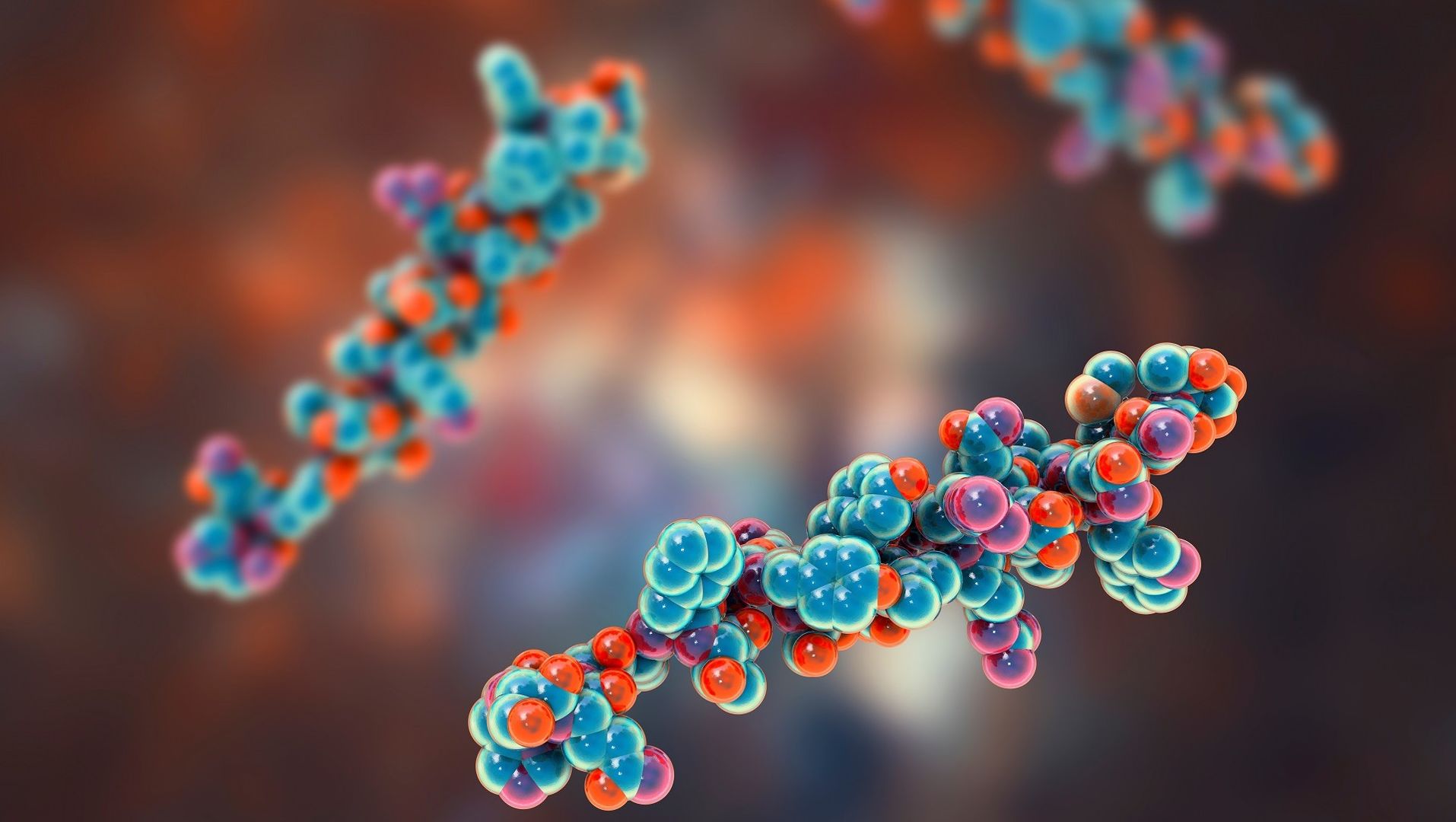
The GLP-1 Bioanalysis Challenge: Why LC-MS/MS?
The explosive growth of GLP-1 receptor agonists — from semaglutide and liraglutide to next-generation dual/triple agonists like tirzepatide and retatrutide — has created an urgent need for reliable, specific bioanalytical methods to support preclinical and clinical PK/PD studies. However, GLP-1 analogs present a unique analytical challenge: their peptide sequences share high homology with endogenous GLP-1(7-36)amide and GLP-1(9-36)amide, creating a specificity gap that immunoassays cannot fully address. Antibody-based methods may not reliably differentiate intact drug from active and inactive metabolites, potentially affecting PK profile accuracy.
LC-MS/MS overcomes these limitations through direct mass-based detection. By selecting precursor-to-product ion transitions specific to each GLP-1 analog, we can quantify the therapeutic peptide in the presence of endogenous GLP-1 and its major metabolites — with the specificity and selectivity required for regulatory bioanalysis. Our GLP-1 PK/PD bioanalysis service combines high-resolution or triple quadrupole mass spectrometry with optimized sample preparation, stable isotope-labeled internal standards, and validated data processing to deliver accurate, reproducible concentration data from preclinical mouse studies through clinical trial sample analysis.
GLP-1 Analogs and Metabolic Peptides We Quantify
We have developed and validated LC-MS/MS methods for a broad range of marketed and investigational GLP-1 receptor agonists, as well as the endogenous metabolic peptides frequently co-monitored in PK/PD studies. Each method is optimized for the unique physicochemical properties of the target peptide.
| GLP-1 Analog | Molecular Target | Key Metabolites Monitored | Typical LLOQ |
|---|---|---|---|
| Semaglutide | GLP-1R agonist | Des-alkylated, cleaved fragments | 1–5 ng/mL |
| Liraglutide | GLP-1R agonist | Intact + GLP-1(9-36) analogs | 2–10 ng/mL |
| Tirzepatide | GIP/GLP-1 dual agonist | Full-length + C-term truncation | 1–5 ng/mL |
| Retatrutide | GIP/GLP-1/GCG triple agonist | Intact + des-acylated metabolites | 1–5 ng/mL |
| Dulaglutide | GLP-1R agonist (Fc fusion) | Intact (reduced digestion) | 5–20 ng/mL |
| Exenatide | GLP-1R agonist (exendin-4) | Intact + fragments | 5–10 ng/mL |
| Lixisenatide | GLP-1R agonist | Intact + short C-term fragments | 2–10 ng/mL |
| Efpeglenatide | GLP-1R agonist (long-acting) | Intact + PEG-related fragments | 2–10 ng/mL |
| Oral semaglutide | GLP-1R agonist (oral formulation) | Intact + SNAC-related metabolites | 1–5 ng/mL |
Additional endogenous peptides co-quantified in PK/PD panels: Endogenous GLP-1(7-36)amide and GLP-1(9-36)amide, insulin, C-peptide, glucagon, GIP, and amylin — all from a single plasma sample where applicable.
Our LC-MS/MS Workflow for GLP-1 PK/PD Studies
Every GLP-1 PK/PD project follows a structured workflow designed to ensure data quality from method development through final PK parameter reporting.
Method Development
MRM optimization, SIL-ISTD selection, extraction efficiency screening.
Sample Preparation
PPT or SPE with DPP-IV inhibitor stabilization for GLP-1 integrity.
LC-MS/MS Analysis
C18 reversed-phase separation with MRM detection on Triple Quad or Orbitrap.
Quantification & QC
8–10 point calibration, triplicate QCs, FDA/EMA acceptance criteria.
PK Parameter Calculation
NCA in Phoenix WinNonlin: Cmax, AUC, t½, CL/F, Vd/F.
Report Generation
Comprehensive PK report with validation summary, concentration data, and PK parameters.
1
Method Development and Optimization
We establish MRM transitions specific to the GLP-1 analog by direct infusion of the reference standard. Multiple charge states are evaluated, and the most sensitive and selective precursor-to-product transition is selected. Where available, stable isotope-labeled internal standards are procured or custom-synthesized; for novel analogs without SIL versions, structural analog ISTDs with comparable extraction recovery and ionization efficiency are evaluated.
2
Sample Preparation
For plasma and serum samples, we employ protein precipitation (PPT) with acetonitrile or methanol, or solid-phase extraction (SPE) on mixed-mode cation exchange or C18 sorbents. The choice of extraction method depends on the analog's hydrophobicity and protein binding. Critically, for endogenous GLP-1 quantification, samples must be collected in tubes containing DPP-IV inhibitors to prevent rapid enzymatic degradation. We provide pre-chilled collection tubes with appropriate stabilizers for every study.
3
LC-MS/MS Analysis
Extracted samples are separated on C18 or C8 reversed-phase columns with optimized mobile phase gradients (water/acetonitrile with 0.1% formic acid). The LC gradient is designed to resolve the therapeutic analog from endogenous GLP-1 fragments and any co-administered peptides. Detection is performed on a Q Exactive HF-X, Orbitrap Astral, or Triple Quad 6500+ instrument operating in positive ion MRM or PRM mode.
4
Quantification and Quality Control
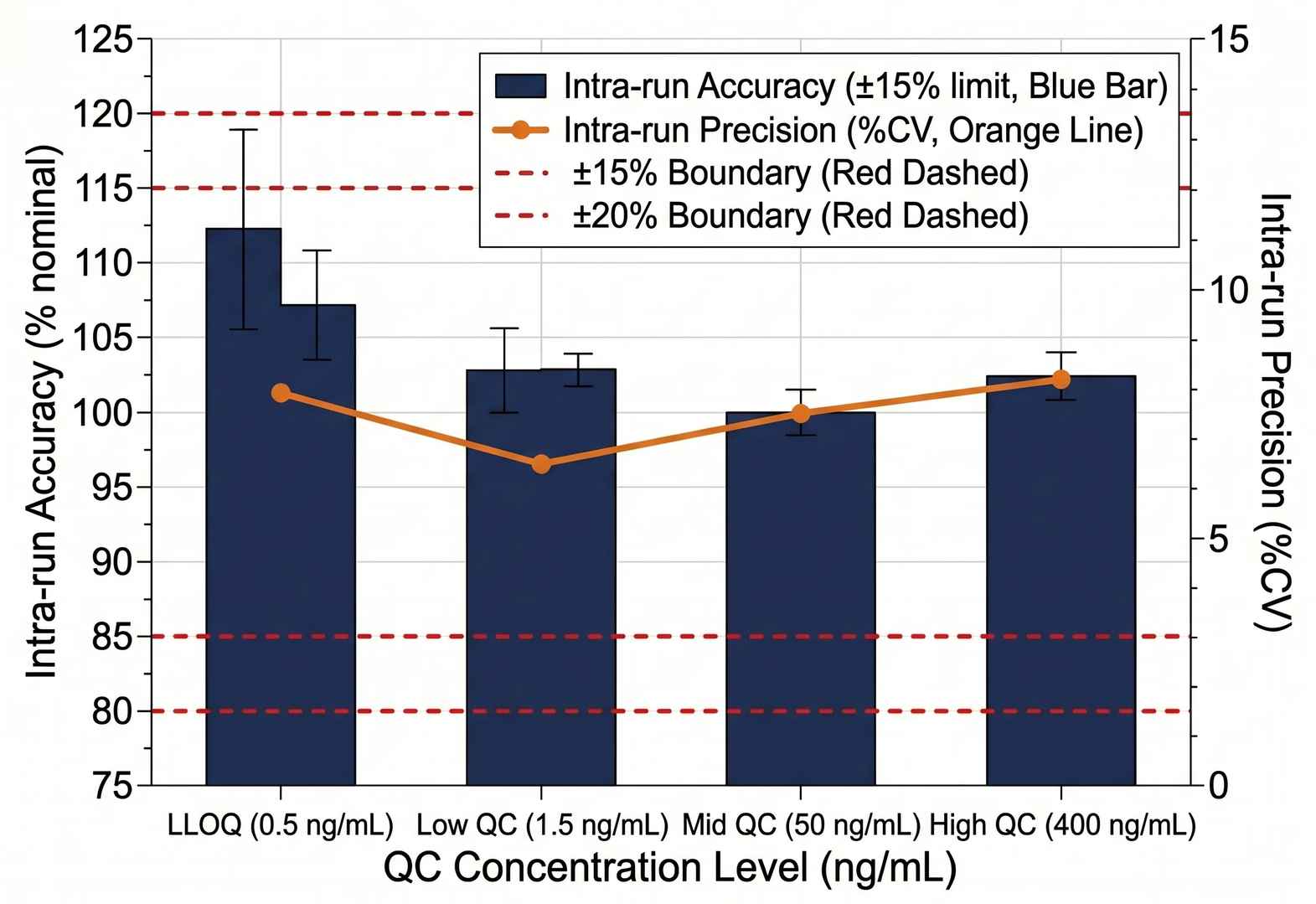
Calibration curves are constructed in the relevant matrix (typically charcoal-stripped plasma for GLP-1-free matrix) with 8–10 non-zero standards. Quality control samples at low, mid, and high concentrations are analyzed in duplicate across the run. Acceptance criteria follow FDA Bioanalytical Method Validation Guidance: accuracy within ±15% (±20% at LLOQ) and precision ≤15% CV.
5
PK Parameter Calculation
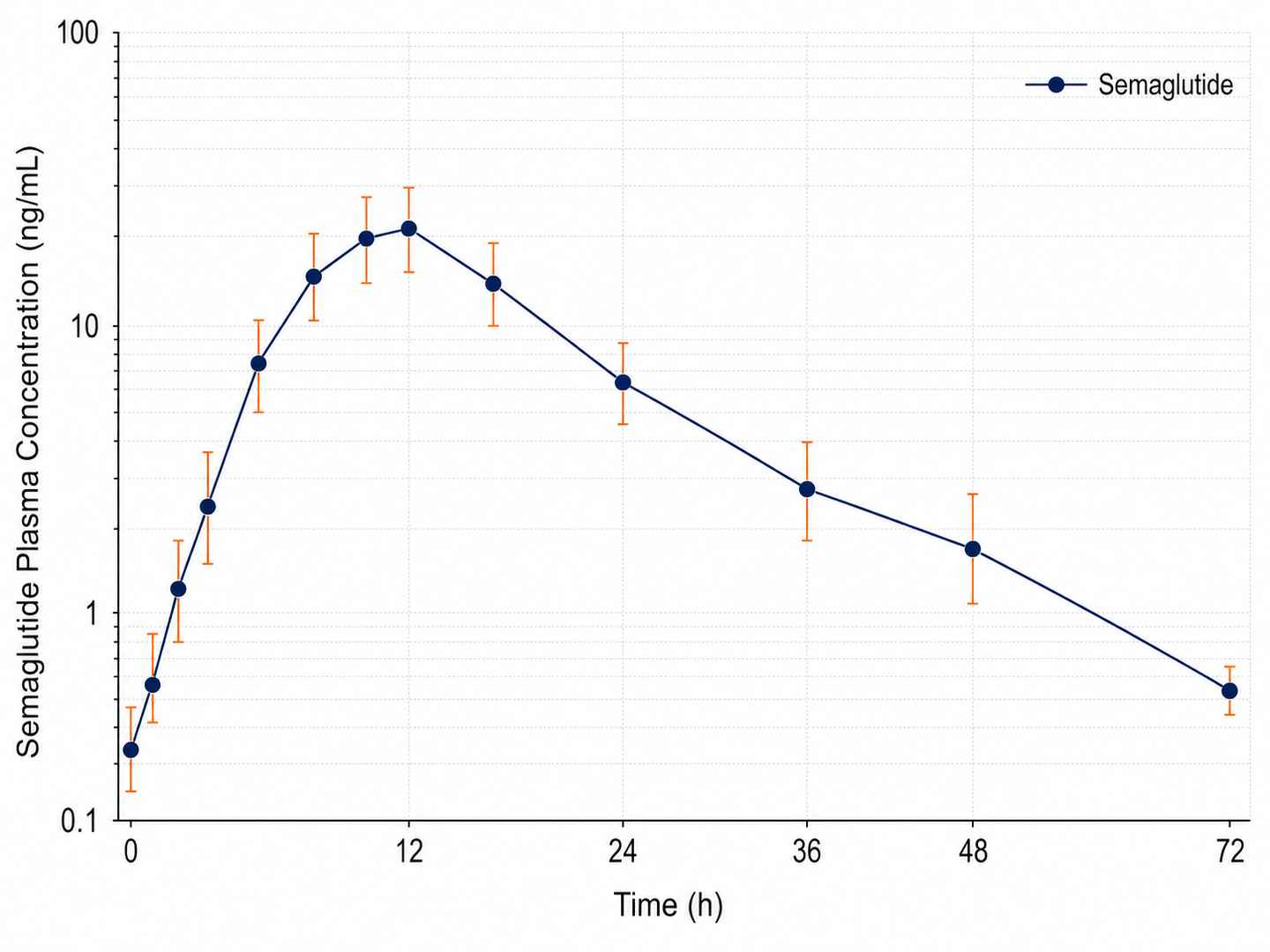
Concentration-time data are subjected to non-compartmental analysis (NCA) using Phoenix WinNonlin or equivalent software. Key PK parameters reported include Cmax, Tmax, AUC(0-t), AUC(0-∞), t½, MRT, CL/F, and Vd/F. For multi-dose studies, accumulation ratios and steady-state parameters are calculated.
6
Report Generation
A comprehensive PK/PD bioanalysis report is compiled, including the validated method summary, calibration and QC performance, individual and mean concentration-time tables, and PK parameter estimates with descriptive statistics. Formats compatible with regulatory submissions are provided upon request.
Method Validation and Platform Specifications
All GLP-1 PK/PD methods are validated according to FDA Bioanalytical Method Validation Guidance and EMA Guideline on Bioanalytical Method Validation. The following parameters are established for each method:
- Selectivity — Demonstrated using at least 6 independent lots of the relevant matrix, with no interfering peaks at the retention time of the GLP-1 analog or its internal standard.
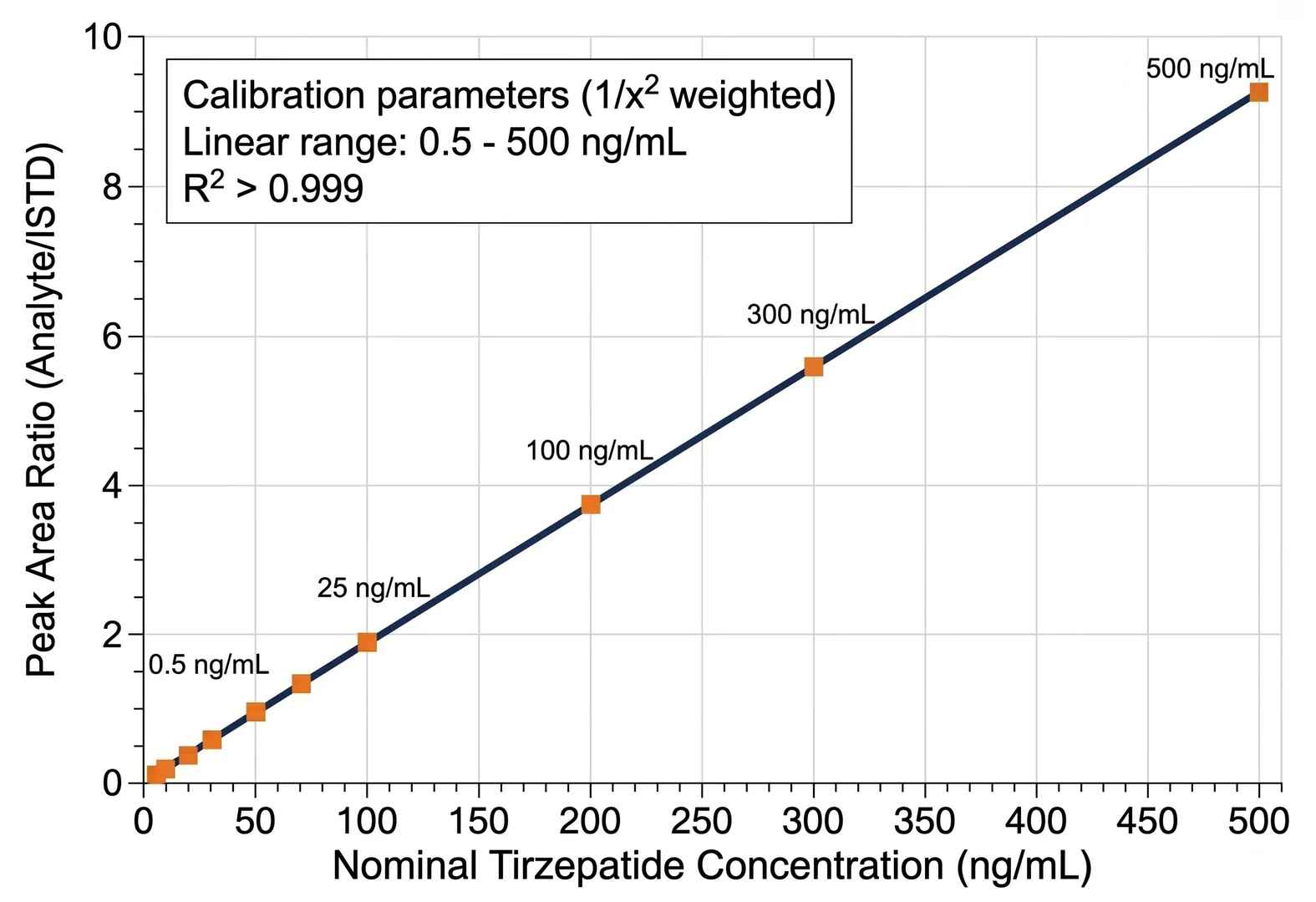
- Calibration Curve — 8–10 non-zero standards, back-calculated accuracy within ±15% of nominal (±20% at LLOQ), correlation coefficient R² > 0.99.
- Accuracy and Precision — Intra- and inter-run accuracy within ±15% (±20% at LLOQ) and precision ≤15% CV (≤20% at LLOQ), evaluated at minimum 4 concentration levels.
- Matrix Effect and Recovery — Assessed by post-column infusion and matrix factor calculation; matrix effect is corrected by the SIL internal standard. Extraction recovery is documented for each analog.
- Stability — Bench-top (4 h), freeze-thaw (3–5 cycles), long-term (-20°C and -80°C), and autosampler stability (24–72 h) established. DPP-IV inhibitor stability specifically evaluated for GLP-1 analogs.
- Dilution Integrity — Demonstrated up to 5-fold or 10-fold dilution in control matrix for high-concentration samples.
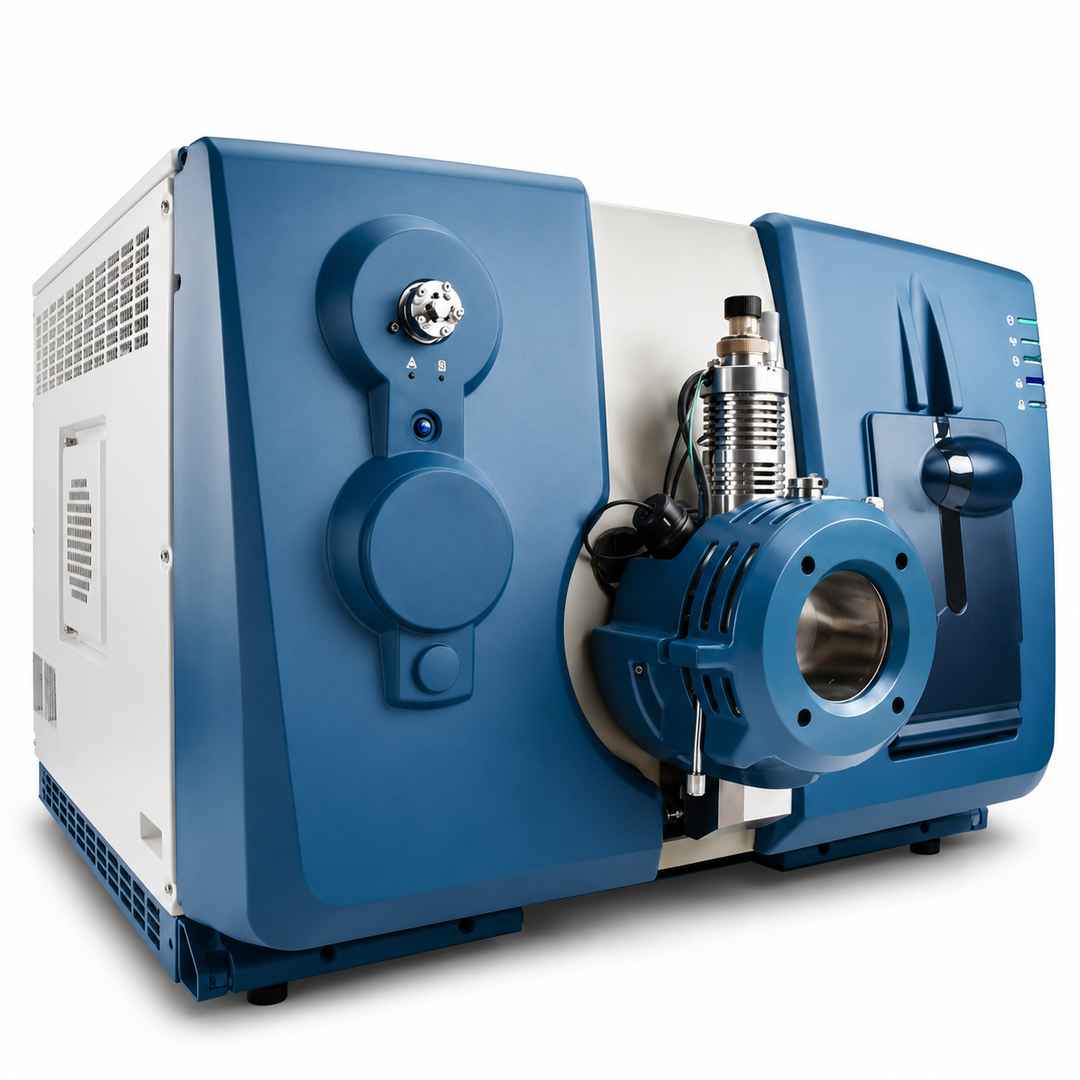 Triple Quad 6500+
(Fig from SCIEX)
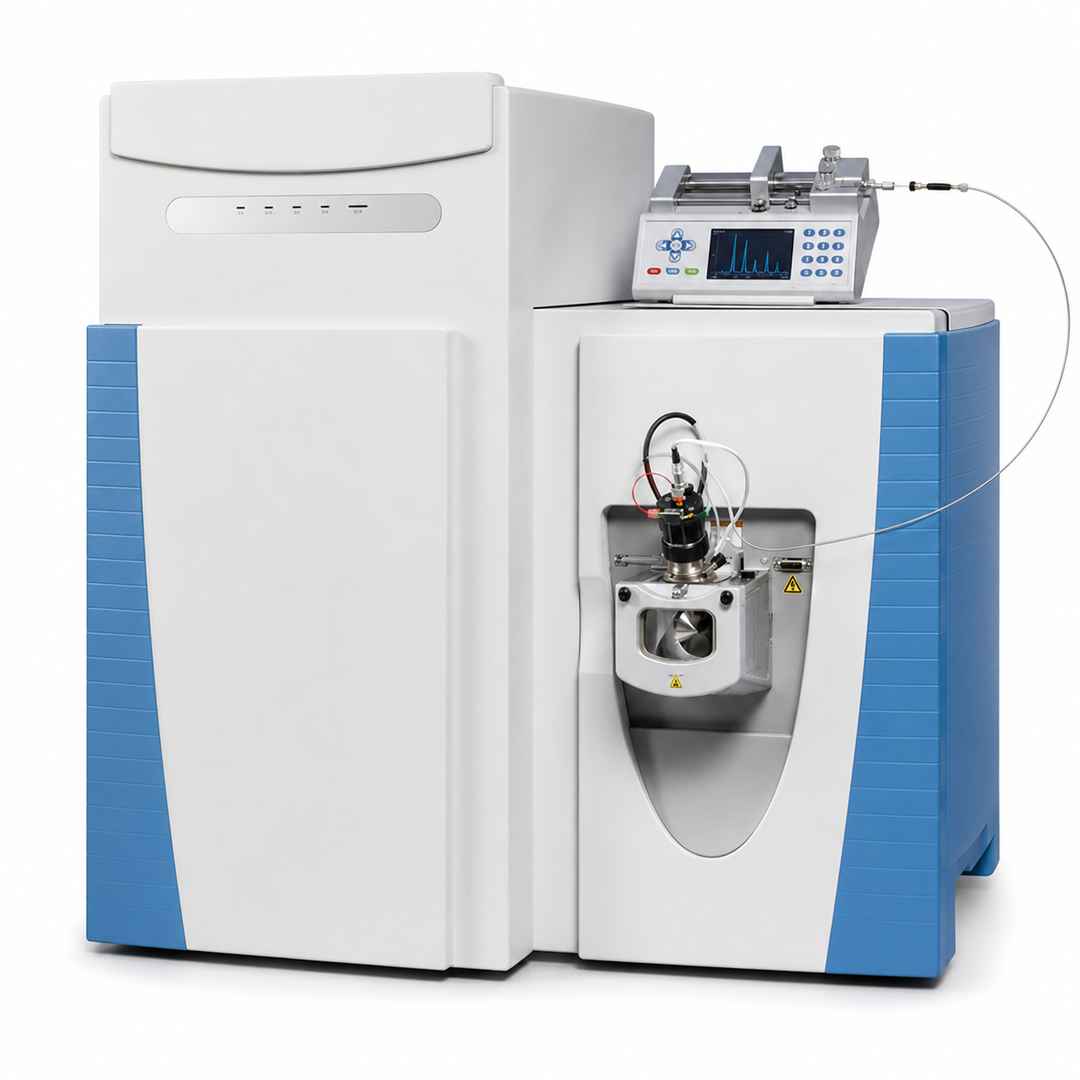 Q Exactive HF-X
(Fig from Thermo Fisher)
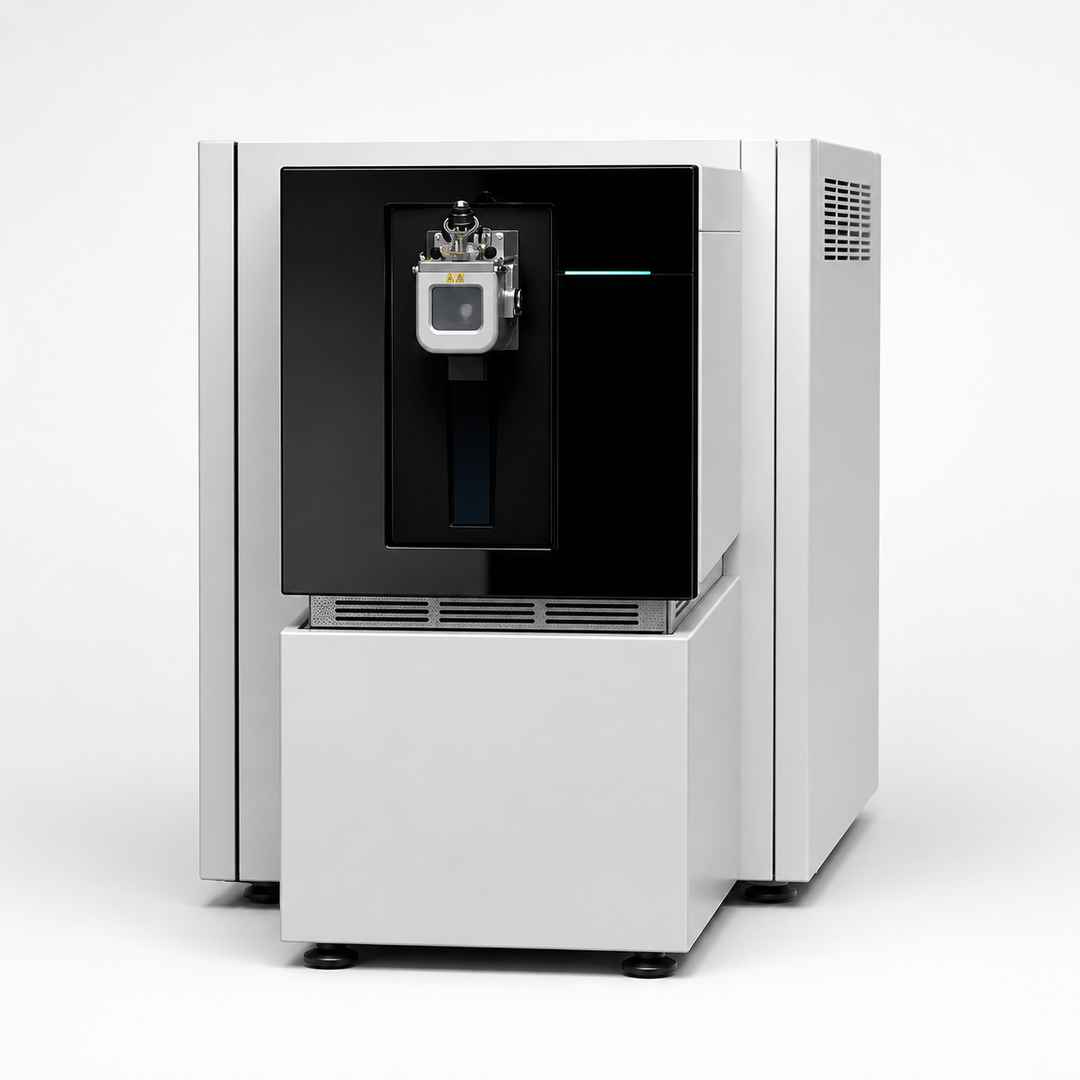 Orbitrap Astral™
(Fig from Thermo Scientific)
Instrument Capability Overview
| Platform | Quantification Mode | Scan Speed | Resolution | Sensitivity | Best For |
|---|---|---|---|---|---|
| Triple Quad 6500+ | MRM, MRM³, Scheduled MRM | Up to 100 MRM/s | Unit resolution (Q1/Q3) | Low pg/mL | Targeted GLP-1 analog quantification |
| Q Exactive HF-X | PRM, TMT, Label-free | ~20–25 Hz | Up to 240,000 (m/z 200) | Mid pg/mL | High-resolution confirmatory analysis |
| Orbitrap Astral™ | PRM, SureQuant™, DIA | Up to 200 Hz | Up to 480,000 (m/z 200) | Low pg/mL | Multi-analyte multiplex panels |
Demo Results: Representative PK/PD Data
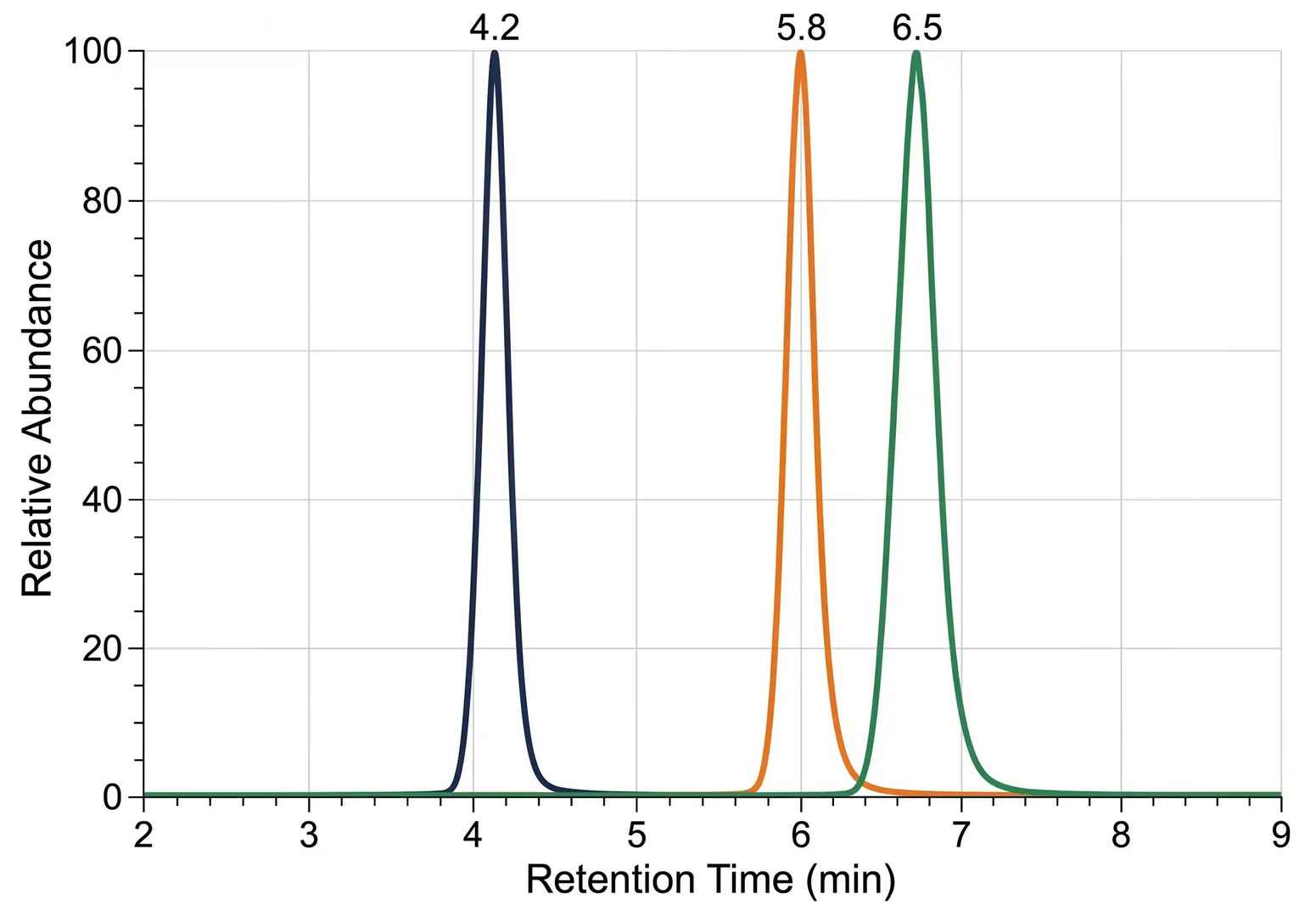
Below are representative examples of the data quality and analytical output from our GLP-1 PK/PD bioanalysis service. These demo results demonstrate the quantification sensitivity, chromatographic resolution, and PK profiling capability of our LC-MS/MS platform.
PK Concentration-Time Profile of Semaglutide in Rat Plasma
MRM Chromatogram: Therapeutic vs Endogenous GLP-1
Calibration Curve Linearity for Tirzepatide
Intra-Run Accuracy and Precision by QC Level
Sample Requirements for GLP-1 PK/PD Studies
Proper sample collection and handling are critical for GLP-1 bioanalysis due to the rapid enzymatic degradation of GLP-1 peptides by DPP-IV and other proteases. We provide pre-labeled collection kits with DPP-IV inhibitor and stabilization reagents for all GLP-1 PK/PD studies.
| Sample Type | Minimum Volume | Collection Tube | Stabilization | Shipping |
|---|---|---|---|---|
| Mouse/rat plasma (EDTA) | 25–50 µL per time point | Microvette® EDTA | DPP-IV inhibitor added immediately; keep on ice | Dry ice |
| Dog/NHP plasma (EDTA) | 100–200 µL per time point | Standard EDTA tubes | DPP-IV inhibitor; process within 30 min | Dry ice |
| Human plasma (EDTA) | 200–500 µL per time point | BD P800 or EDTA + DPP-IV inhibitor | BD P800 tubes contain proprietary stabilizer cocktail | Dry ice within 1 h |
| Tissue homogenate | 10–50 mg wet weight | Snap-frozen, homogenized in acidic buffer | Add protease inhibitors | Dry ice |
Note: Serum is not recommended for GLP-1 analysis due to rapid degradation. Plasma (EDTA) with DPP-IV inhibitor is the preferred matrix. Sample integrity is verified upon receipt by visual inspection and protein content estimation.
PK/PD Data Deliverables
Every GLP-1 PK/PD bioanalysis project delivers a comprehensive data package designed for direct use in regulatory submissions, internal reports, and publications.
- LC-MS/MS Bioanalysis Report (PDF)
Complete method validation summary, calibration curve performance, QC results, and individual sample concentration data for all study time points. - Concentration-Time Dataset (Excel/CSV)
Individual and mean ± SD concentration values per time point per dose group, with precision and accuracy statistics. - PK Parameter Summary (Excel)
NCA-derived PK parameters: Cmax, Tmax, AUC(0-t), AUC(0-∞), t½, MRT, CL/F, Vd/F. Individual animal and summary statistics per group. - Representative Chromatograms
Extracted ion chromatograms at LLOQ, mid-QC, and high-QC levels for the GLP-1 analog, metabolites, and internal standard. - Raw MS Data Files
Full .raw or .wiff data files and processed peak integration files for audit-ready documentation. - Incurred Sample Reanalysis (ISR) — Optional
ISR data upon request to confirm initial concentration accuracy.
Why Choose Creative Proteomics for GLP-1 Bioanalysis
Our GLP-1 PK/PD bioanalysis service is purpose-built for the specific challenges of peptide therapeutic quantification. Six key strengths set it apart.
Explore related services:
- Therapeutic Peptide Metabolic Stability Profiling — ADME and metabolic stability assessment for peptide drug candidates
- Appetite and Energy Metabolism Hormone Panel — Multiplex LC-MS/MS quantification of GLP-1, insulin, glucagon, and metabolic hormones
- Neuropeptidome Profiling Platform — Discovery-scale neuropeptide identification and characterization
Can you distinguish therapeutic GLP-1 analogs from endogenous GLP-1? +
Yes. This is one of the key advantages of LC-MS/MS over immunoassay for GLP-1 bioanalysis. By selecting MRM transitions specific to the therapeutic analog's unique mass-to-charge signature, we can quantify the drug molecule in the presence of endogenous GLP-1(7-36)amide and GLP-1(9-36)amide without cross-reactivity. Each method's selectivity is verified during validation using at least 6 independent matrix lots.
Which GLP-1 analogs have you worked with? +
We have established MRM methods for semaglutide, liraglutide, tirzepatide, retatrutide, dulaglutide, exenatide, and lixisenatide. We can also develop methods for novel GLP-1 analogs and dual/triple agonists. Contact us with your specific molecule to discuss method feasibility.
What sample volume do you need for a mouse PK study? +
For mouse PK studies, we typically need 25–50 µL of plasma per time point. Our sample preparation workflow is optimized for low-volume plasma, enabling serial bleeding from mice with 6–8 time points within a total blood volume of approximately 200–300 µL per animal.
Can you multiplex GLP-1 with other metabolic biomarkers? +
Yes. Our multiplexed PK/PD methods can simultaneously quantify the therapeutic GLP-1 analog alongside endogenous GLP-1, insulin, C-peptide, glucagon, and GIP — all from a single plasma sample injection. This provides a complete metabolic profile alongside the PK curve without additional sample volume or separate assays.
How do you handle GLP-1 stability during sample collection? +
GLP-1 peptides are rapidly degraded by DPP-IV and other proteases in blood. We provide pre-chilled collection tubes containing DPP-IV inhibitors and stabilization reagents for every study. For human samples, we recommend BD P800 tubes or standard EDTA tubes with addded DPP-IV inhibitor. Stabilization protocols are validated during method development and documented in the bioanalysis report.
Do your methods follow regulatory guidelines? +
All methods are developed and validated in accordance with FDA Bioanalytical Method Validation Guidance and EMA Guideline on Bioanalytical Method Validation. Key validation parameters — selectivity, calibration curve linearity, accuracy, precision, matrix effect, recovery, and stability — are documented for each method. The data package is suitable for regulatory submissions.
References
1. Foulon N, Goonatilleke E, MacCoss MJ, Emrick MA, Hoofnagle AN. Multiplexed quantification of insulin and C-peptide by LC-MS/MS without the use of antibodies. J Mass Spectrom Adv Clin Lab. 2022;25:19–26. 10.1016/j.jmsacl.2022.06.003
2. Davis JJ, Donohue MJ, Ogunkunle EO, Eaton WJ, Steyer DJ, Roper MG. Simultaneous monitoring of multiple hormones from human islets of Langerhans using solid-phase extraction–mass spectrometry. Anal Bioanal Chem. 2023;415(23):5671–5680. 10.1007/s00216-023-04837-x
3. Lu C, Peng D, Erandani WCKU, Mitchell K, Martyniuk CJ, Trudeau VL. Simultaneous extraction and detection of peptides, steroids, and proteins in small tissue samples. Front Endocrinol. 2023;14:1266985. 10.3389/fendo.2023.1266985
For research use only. Not for use in diagnostic or clinical procedures.