Introduction
As a fundamental post-translational modification of proteins, glycosylation plays an important role in many
physiological and pathological processes and is implicated in a variety of diseases, including cancer and autoimmune
diseases as well as inborn errors of glycosylation. The type of glycosylation of proteins can be divided into
N-glycosylation and O-glycosylation according to the type of linkage between peptides and sugars. N-glycosylation is
linked by N-acetylglucosamine (Glc-NAc) at the reducing end of the sugar chain and nitrogen atoms on the amino
groups of some Asn side chains in the peptide chain. The Asn attached to the sugar chain must be in a motif
consisting of Asn-X-Ser/Thr 3 residues, where X is any amino acid residue except Pro. The structure of
O-glycosylation is simpler than that of N-glycosylation, with shorter sugar chains, but with more diversity.
O-glycosylated peptides are primarily linked to sugars through Ser and Thr residues. N-glycan and O-glycan analysis
are two common types of analysis.
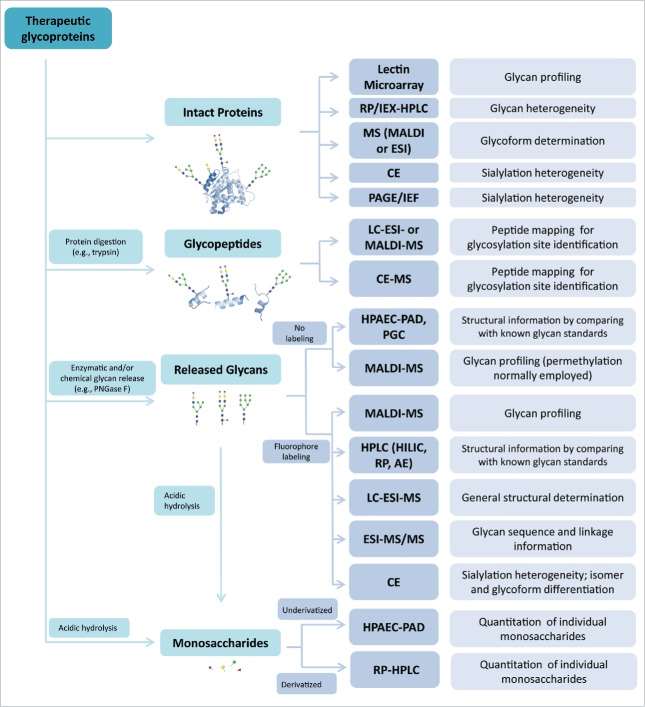 Fig. 1. Overview of analytics for assessing
glycans. (Zhang L, et al., 2016)
Fig. 1. Overview of analytics for assessing
glycans. (Zhang L, et al., 2016)
Our Services
Protein glycosylation is a major concern in biotherapeutics, and mass spectrometry (MS) analysis is an important
means of addressing most critical quality attributes (CQAs) of biotherapeutics. Our mass spectrometry experts can
perform state-of-the-art high-resolution glycan analysis methods for all types of glycosylated protein.
At Creative Proteomics, our expert scientists perform glycan profiling of peptide, protein and
antibody drugs using Obitrap Fusion Lumos mass spectrometry and Byonic software.
In glycan analysis, we can release, purify and derivatize N- and O-linked glycans prior to MS analysis by enzymatic
or chemical methods such as beta elimination and hydrazinolysis. Notably, glycans can be prepared from single
purified glycoproteins or mixed proteins, as well as from cells, tissues, culture supernatants, and gel slices.
The strategies for our glycan analysis services are as follows:
We perform compositional analysis and sequencing of N- and O-linked glycans after release and permethylation, as well
as glycan analysis of N- and O-linked oligosaccharides from animals, plants, and bacteria. We can release, purify,
and derivatize N- and O-linked glycans prior to MS analysis, either enzymatically (PNGase F or A) or chemically
(e.g., beta elimination and hydrazinolysis).
Advantages of our Glycan Analysis Services
- Relatively short identification analysis time.
- High detection sensitivity and good repeatability.
- Professional advice: Professional advice from our glycoproteomics scientists.
- Fast turnaround: A full analysis report for you in 1 week.
- Customized service: Customize the most economical and most suitable research plan according to your requirements
and projects.
Applications
- Identification of N/O-glycan species in glycosylated proteins.
- Analysis of the relative content of N/O-glycoforms in glycosylated proteins.
Which Sample Types Can be Analysed?
- 2D gel spots, SDS-PAGE bands.
- Animal and clinical tissue specimens.
- Serum, plasma and saliva.
- Cells and microorganisms.
- Plant samples (tender leaves, shoots, seeds and fruits).
- Customized sample types.
Creative Proteomics is a trusted provider of glycoproteomics analysis services. We offer a range of
glycan analysis services to our clients worldwile. Our services guarantee accurate and reliable results, at quick
turnaround time! If you would like more information about specific aspects of our services, feel free to contact us and we will be happy to answer any questions.
References
- Zhang L, Luo S, Zhang B. et al. (2016) Glycan analysis of therapeutic glycoproteins. MAbs.
8(2):205-215.