
PCF-based spatial proteomics (CODEX lineage) enables ultra-high-plex protein detection directly in tissue while preserving architecture. This service is designed to deliver decision-ready outputs—from whole-slide multiplex images to analysis-ready single-cell matrices and spatial analytics.
With PCF spatial proteomics, you can study:
PCF/CODEX workflows use DNA-barcoded antibodies and fluorescent reporter probes to enable high-plex imaging on a single tissue section:
Compared to conventional IHC or low-plex IF, PCF workflows support dozens to 100+ protein markers per tissue section (feasibility depends on tissue type, background, and panel design). This unlocks:
Whole-slide imaging is a major differentiator versus ROI-only approaches:
Single-cell quantification preserves spatial meaning while enabling robust downstream analysis and cohort comparability.
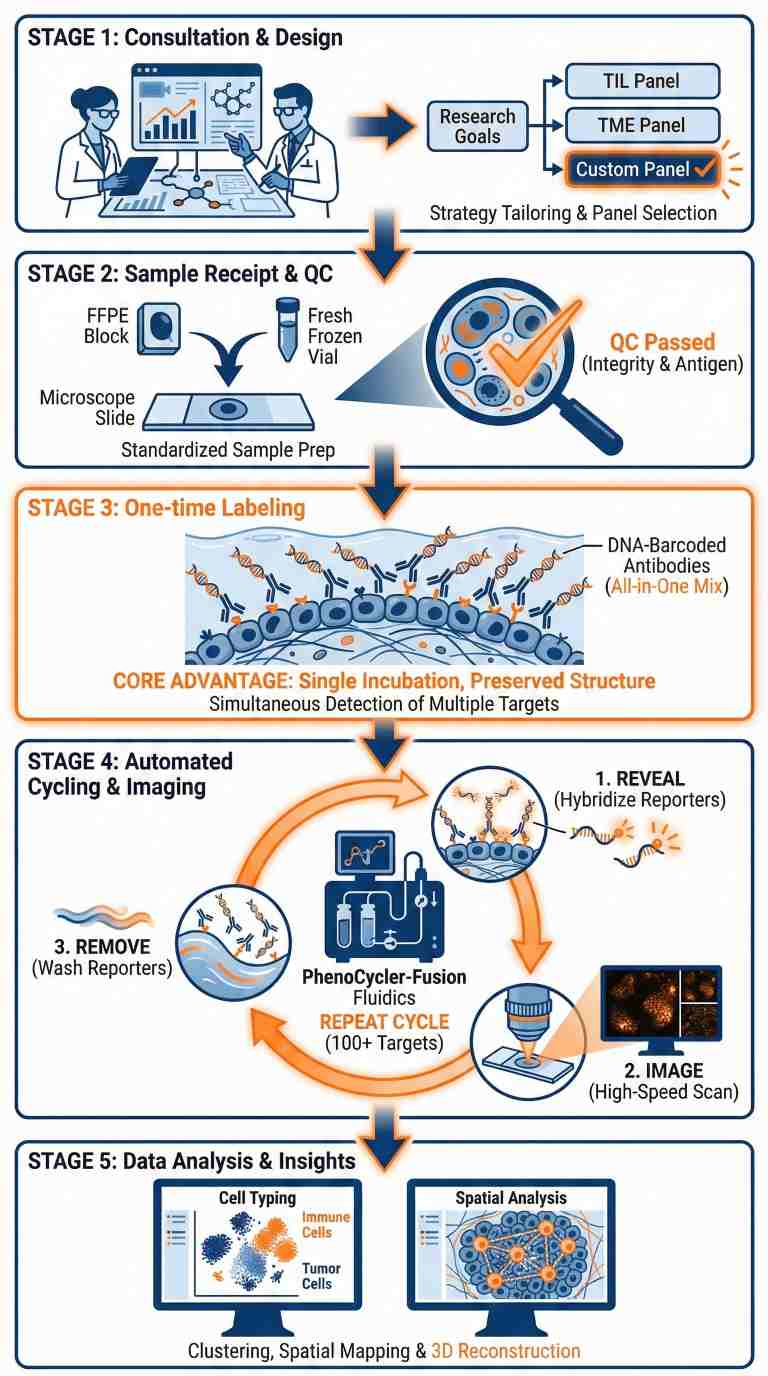 Comprehensive service workflow for PhenoCycler-Fusion single-cell spatial proteomics and high-plex protein imaging.
Scope: Applicable across multiple cancer types.
| Protein Marker | Biological Relevance | Protein Marker | Biological Relevance |
|---|---|---|---|
| CD4 | Helper T cells | FoxP3 | Regulatory T cells (Tregs) |
| CD68 | Macrophages | Granzyme B | Activated T cells or NK cells |
| CD20 | B cells | CD21 | B cells, Follicular Dendritic Cells (FDC) |
| CD8 | Cytotoxic T cells | CD79a | B cells |
| HLA-DR | Antigen-presenting cells (MHCII) | TCF-1 | Wnt signaling transcription factor |
| CD3e | T cells | TOX | T cell exhaustion transcription factor |
| CD44 | Activated T cells | ||
| CD45 | Leukocytes (White blood cells) | ||
| CD14 | Monocytes | ||
| Ki67 | Proliferating cells | ||
| CD45RO | Memory T cells | ||
| Pan-Cytokeratin | Epithelial & tumor cells |
| Protein Marker | Biological Relevance | Protein Marker | Biological Relevance |
|---|---|---|---|
| IDO1 | Immune checkpoint | CD31 | Endothelial cells |
| PD-1 | Immune checkpoint | CD34 | Endothelial / Hematopoietic stem cells |
| PD-L1 | Checkpoint / PD-1 ligand | Beta-actin | Cytoskeletal protein |
| IFNG | Immune effector cytokine | E-cadherin | Adhesion protein (Epithelial) |
| SMA | Alpha-Smooth Muscle Actin | ||
| Vimentin | Mesenchymal cell marker | ||
| Collagen IV | Extracellular matrix (ECM) | ||
| b-Catenin1 | Cell adhesion / Wnt signaling | ||
| Podoplanin | Lymphatic endothelial cells | ||
| Caveolin | Caveolae membrane protein |
| Protein Marker | Biological Relevance | Protein Marker | Biological Relevance |
|---|---|---|---|
| CD90 | HSCs, T cells, Fibroblasts | CD38 | NK, Monocytes, Activated B/T cells |
| CD31 | Vascular epithelium | Ly6g | Neutrophils |
| TCR | T cells | CD21/35 | Mature B cells, FDCs |
| Ter119 | Red blood cells | CD71 | Bone marrow progenitor cells |
| CD44 | Activated T cells | IgD | Naive B cells |
| CD45 | Immune cells | CD4 | Helper T cells |
| CD19 | B cells, FDCs | CD11c | Dendritic cells (DCs) |
| CD169 | Macrophages | CD24 | Dendritic cells (DCs) |
| CD45R/B220 | B cells | CD8a | Cytotoxic T cells |
| MHCI | Antigen-presenting cells | CD49f | Endothelial cells |
| CD3 | T cells | CD11b | Myeloid cells |
| IgM | Immature B cells | Ki67 | Proliferating cells |
| CD5 | T cells |
We offer tiered deliverables so teams can match scope to budget and decision needs.
L1: Whole-Slide Multiplex Images + QC Summary
L2: Single-Cell Matrix + Phenotypes + Coordinates
We deliver analysis-ready single-cell outputs (not just images):
L3: Neighborhoods + Interaction Features + Report-Ready Figures
Beyond "cell counts," we provide spatial inference outputs such as:
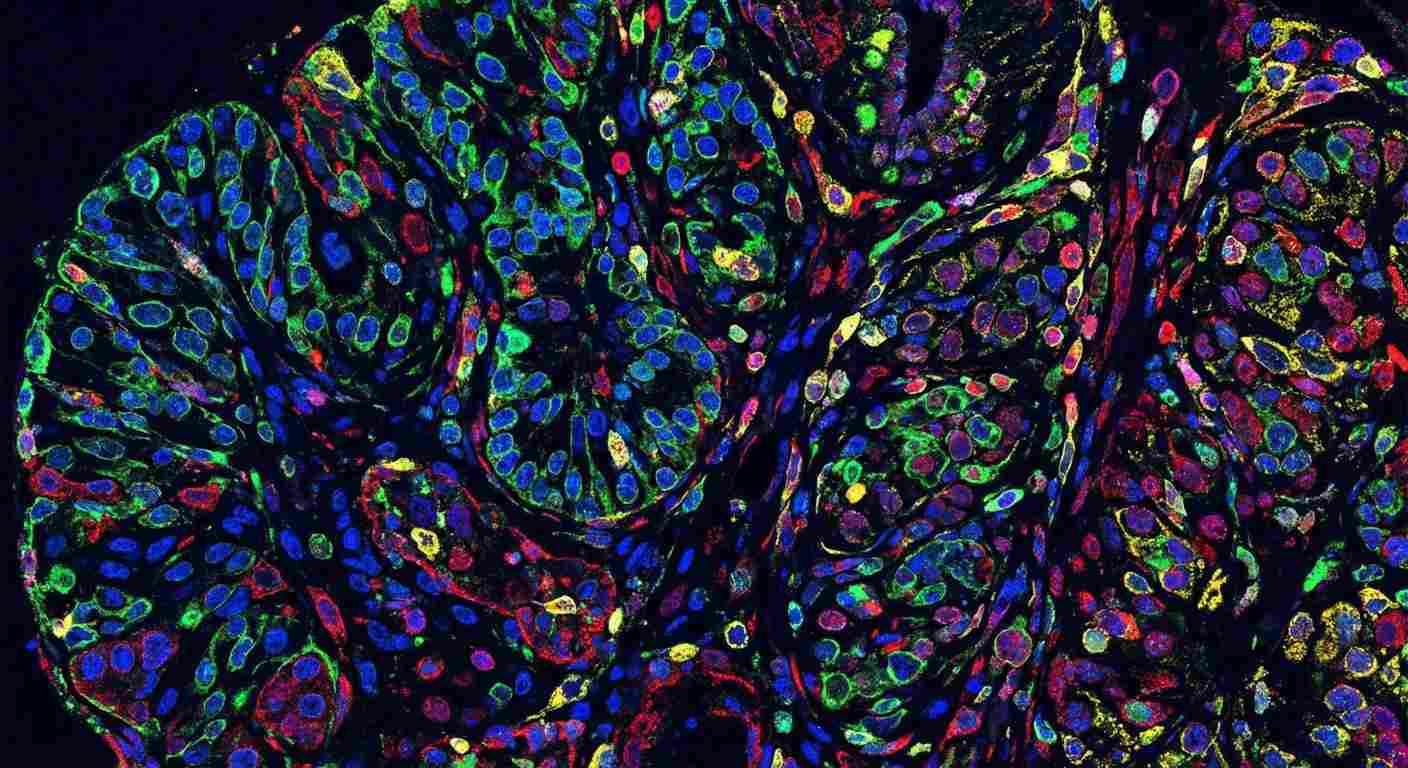
Multiplex Single-Cell Imaging
High-resolution PhenoCycler-Fusion multiplex immunofluorescence showing diverse protein expression at single-cell resolution.
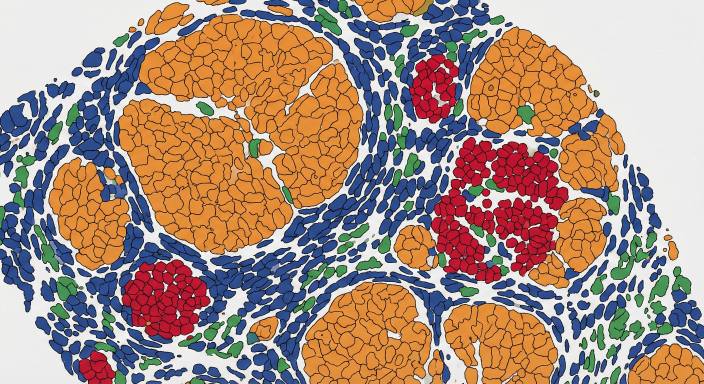
Cell Segmentation & Phenotype Mapping
Single-cell segmentation and phenotype map illustrating the spatial clustering of distinct cell types in the tissue microenvironment.
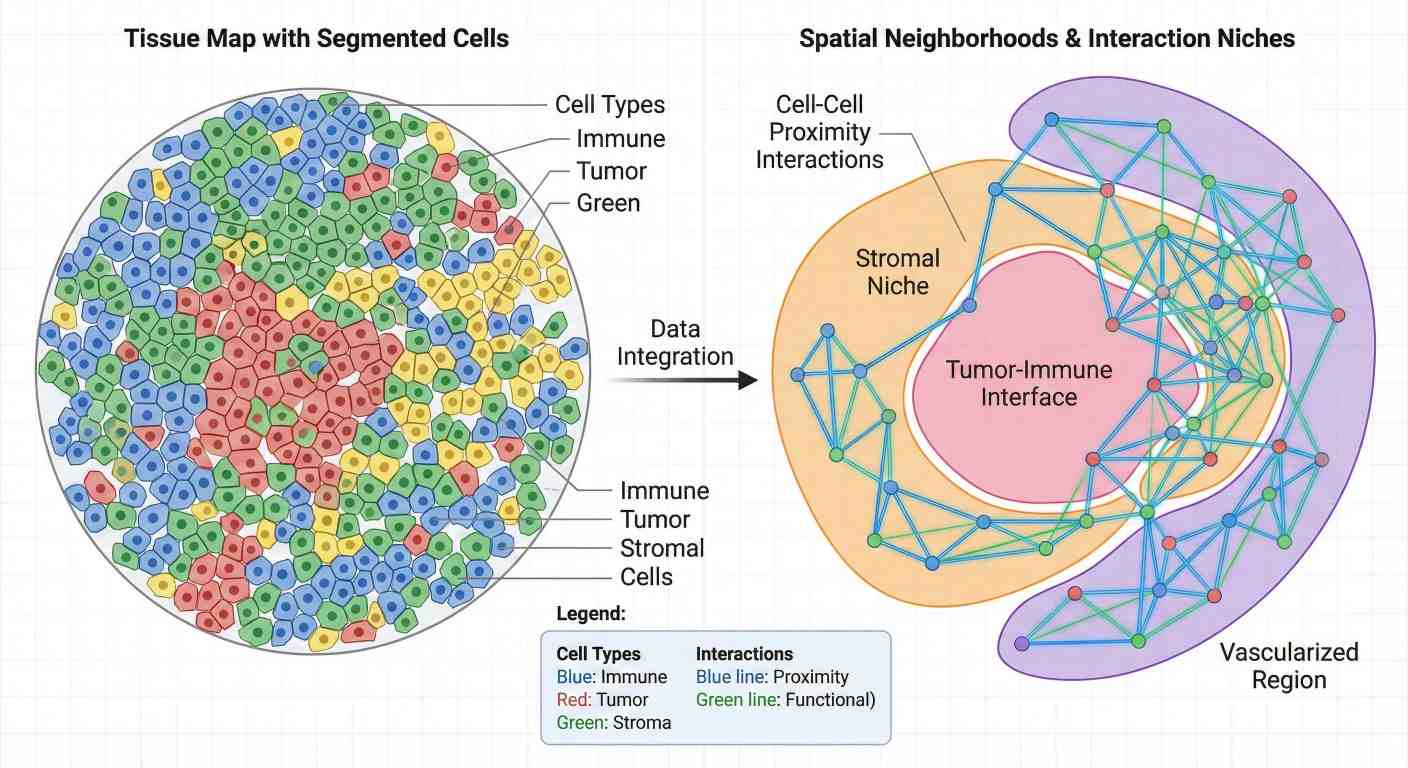
Spatial Neighborhood & Niche Analysis
Spatial neighborhood analysis identifying microenvironmental niches and cell-cell proximity interactions within the tumor microenvironment.
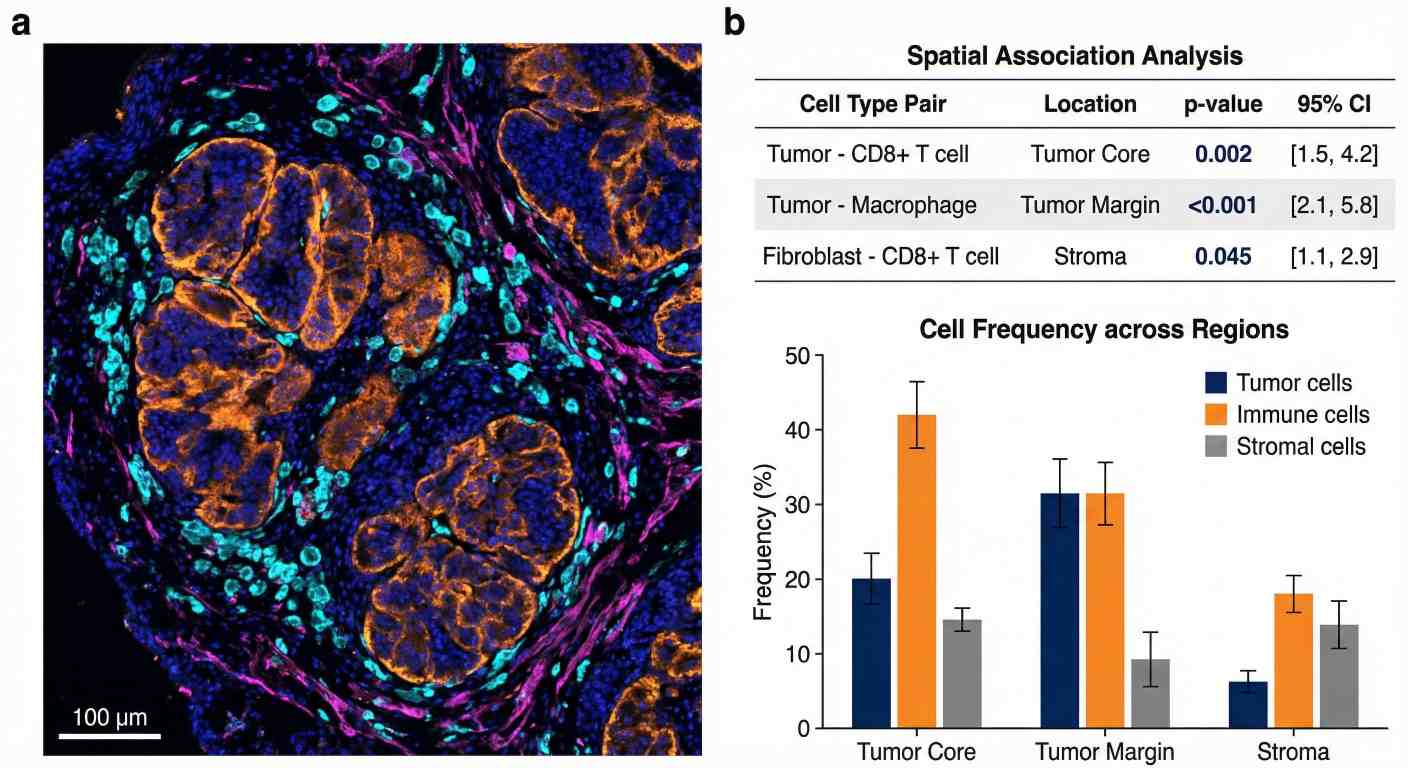
Quantitative Spatial Cohort Analytics
Quantitative spatial analytics combining high-plex imaging with statistical data on cell frequencies and regional associations.
Best displayed as a compact table for quick scanning.
| Parameter | Typical Statement |
|---|---|
| Spatial Resolution | Up to 0.25 µm pixel size (subcellular-level imaging) |
| Plex Level | Typical starting point: ~10 markers; capability up to 100+ (feasibility-dependent) |
| Sample Types | Human / Mouse (project-dependent) |
| Compatible Formats | FFPE sections / OCT fresh-frozen sections / TMA cores |
| Imaging Coverage | Whole-slide (preferred for discovery) or multi-ROI (targeted) |
| Example Imaging Area | Up to ~35 mm × 18 mm scan region (layout-dependent) |
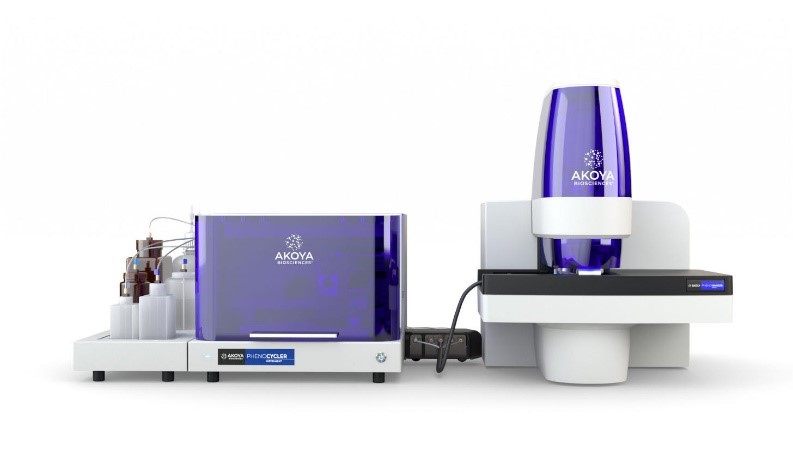 PhenoCycler-Fusion 2.0 (Fig from Quanterix)

Tumor Microenvironment (TME) Profiling
Map immune infiltration, stromal architecture, and immune-excluded niches in situ.

Immunotherapy Mechanism & Resistance
Localize checkpoint proteins and quantify immune-suppressive patterns and functional states.

Exploratory Biomarkers
Discover spatial signatures and neighborhood features linked to groups (e.g., pre/post, responder/non-responder).

Large Cohorts / Multi-Site Studies
Standardize outputs with batch-aware processing and audit-friendly QC documentation.

Pathology + AI Enablement
Generate high-dimensional spatial "label layers" for model training, validation, and benchmarking.
| Category | FFPE Sections | Fresh-Frozen (OCT) Sections | TMA Cores |
|---|---|---|---|
| Recommended Thickness | 5 µm | 8 µm | Commonly 5 µm |
| Slide Type | Anti-detachment / adhesive slides preferred | Anti-detachment / adhesive slides preferred | Anti-detachment / adhesive slides preferred |
| Must Avoid | Detachment, major folds, tears, heavy scratches, contamination | Cracking, frost/ice artifacts, detachment, major folds, contamination | Core loss, cracking, severe folds, contamination |
| Known Risks (Tell Us) | Necrosis, calcification, high autofluorescence | High autofluorescence, fragile morphology | Low cellularity, mixed regions, high background |
| Required Metadata | Tissue type, fixation/embedding, thickness, prior stains | Tissue type, freezing/embedding, thickness, prior stains | Core map (if available), tissue types, thickness, prior stains |
| Cohort Labels (If Any) | Timepoints, arms, responder status, key covariates | Same as FFPE | Same as FFPE |
| Must-Have Targets | Required markers + known problematic targets | Same as FFPE | Same as FFPE |
| Handling | Protect slides; clear labeling | Cold-chain as needed; protect from moisture/damage | Protect slides; include core map if available |
Case 1 — CRC invasive front neighborhoods → antitumor immunity
Spatial cellular neighborhoods at the CRC invasive front organize anti-tumor immunity and stratify risk.
Study snapshot
Spatial features extracted
Why it mattered
What we can replicate in your project
Reference
Schürch CM, et al. Coordinated Cellular Neighborhoods Orchestrate Antitumoral Immunity at the Colorectal Cancer Invasive Front. Cell. 2020. DOI: 10.1016/j.cell.2020.07.005
Case 2 — HCC margin interactions: TAM → MAIT dysfunction
Spatial interaction mapping at the HCC tumor–liver interface links TAM states to MAIT dysfunction.
Study snapshot
Spatial features extracted
Why it mattered
What we can replicate in your project
Reference
Ruf B, et al. Tumor-associated macrophages trigger MAIT cell dysfunction at the HCC invasive margin. Cell. 2023. DOI: 10.1016/j.cell.2023.07.026
Case 3 — Glioblastoma multi-layer spatial organization
Integrated spatial profiling reveals structured layers in glioblastoma that routine histology can miss.
Study snapshot
Spatial features extracted
Why it mattered
What we can replicate in your project
Reference
Greenwald AC, et al. Integrative spatial analysis reveals a multi-layered organization of glioblastoma. Cell. 2024. DOI: 10.1016/j.cell.2024.03.029
Case 4 — Pan-cancer 2D/3D evolution and microenvironment interactions
Multi-modal spatial profiling connects subclonal programs to local microenvironment interactions in 2D and 3D.
Study snapshot
Spatial features extracted
Why it mattered
What we can replicate in your project
Reference
Mo CK, et al. Tumour evolution and microenvironment interactions in 2D and 3D space. Nature. 2024. DOI: 10.1038/s41586-024-08087-4
Q: What sample types work best for PhenoCycler-Fusion spatial proteomics?
A: FFPE sections are commonly used for cohort consistency, while fresh-frozen can improve some epitopes; suitability depends on tissue autofluorescence, morphology preservation, and whether your targets require specific fixation conditions.
Q: How many markers can I realistically run in a single tissue section?
A: High-plex designs can scale to dozens or 100+ markers, but practical plex depends on tissue background, antigen abundance, antibody performance, and panel engineering to avoid low-signal or high-noise targets.
Q: Can I start from a standard immune panel and expand later?
A: Yes—many projects begin with a core TME/TIL backbone, then add functional modules (checkpoint, proliferation, myeloid states, vasculature) once signal quality and segmentation performance are confirmed on your tissue type.
Q: How do you prevent "pretty images" that can't be analyzed statistically?
A: Require analysis-ready outputs: per-cell quantified expression, coordinates, phenotype labels, and QC flags; without these, downstream neighborhood statistics, cohort comparisons, and AI model training are unreliable.
Q: What is the biggest reason high-plex spatial projects fail?
A: Panel and tissue issues: poorly validated antibodies, strong autofluorescence, low antigen preservation, or uncontrolled background lead to weak separability between cell states and unstable clustering or neighborhood calls.
Q: How is cell segmentation quality verified?
A: Use spot-checks across easy and challenging regions (dense lymphoid, tumor-stroma borders), review boundary errors, and track QC flags so mis-segmented cells can be excluded from sensitive spatial statistics.
Q: Can you compare responders vs non-responders or pre- vs post-treatment groups?
A: Yes, if group labels and covariates are provided; spatial features like neighborhood composition, proximity metrics, and compartment-enrichment can be tested across groups with batch-aware reporting.
Q: Do I need whole-slide imaging, or is ROI enough?
A: ROI is efficient for hypothesis validation, but whole-slide is better for unbiased niche discovery, spatial gradients (margin-to-core), and rare structure capture such as TLS-like regions that ROI selection can miss.
Q: What data formats will I receive for downstream bioinformatics?
A: Expect an image package plus single-cell tables (cell × marker), spatial coordinates, phenotype annotations, and QC metadata; these can be exported for common spatial toolchains and machine-learning pipelines.
Q: Can spatial proteomics be integrated with scRNA-seq or spatial transcriptomics?
A: Yes—protein phenotypes can anchor cell-state interpretation and validate spatial niches; integration typically aligns cell types/states and compares spatial enrichment patterns across modalities.
Q: How do you handle batch effects in multi-site or multi-run cohorts?
A: Capture batch metadata, use consistent panel/controls, and apply normalization strategies appropriate to multiplex imaging so that group differences reflect biology rather than staining or imaging variation.

Hi there - let me know if you have any questions.
×