Protein Science Resources
- Label-Free Quantitative Proteomics in Protein-Protein Interactions (PPIs) Studies
- What is 4D Label-free Quantitative Proteomics?
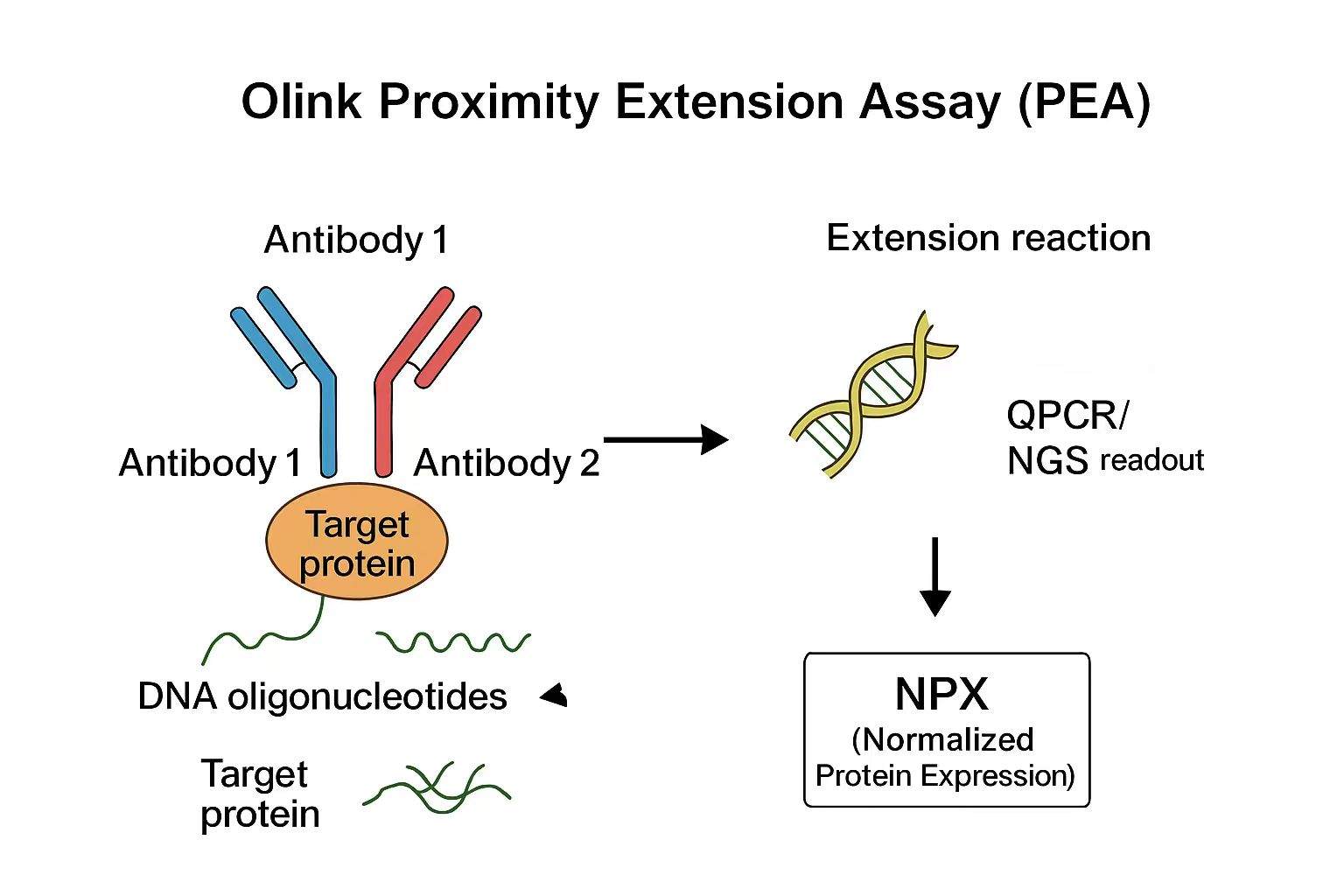
- Olink vs SomaScan: Comparative Review of Principles, Performance, and Application Contexts
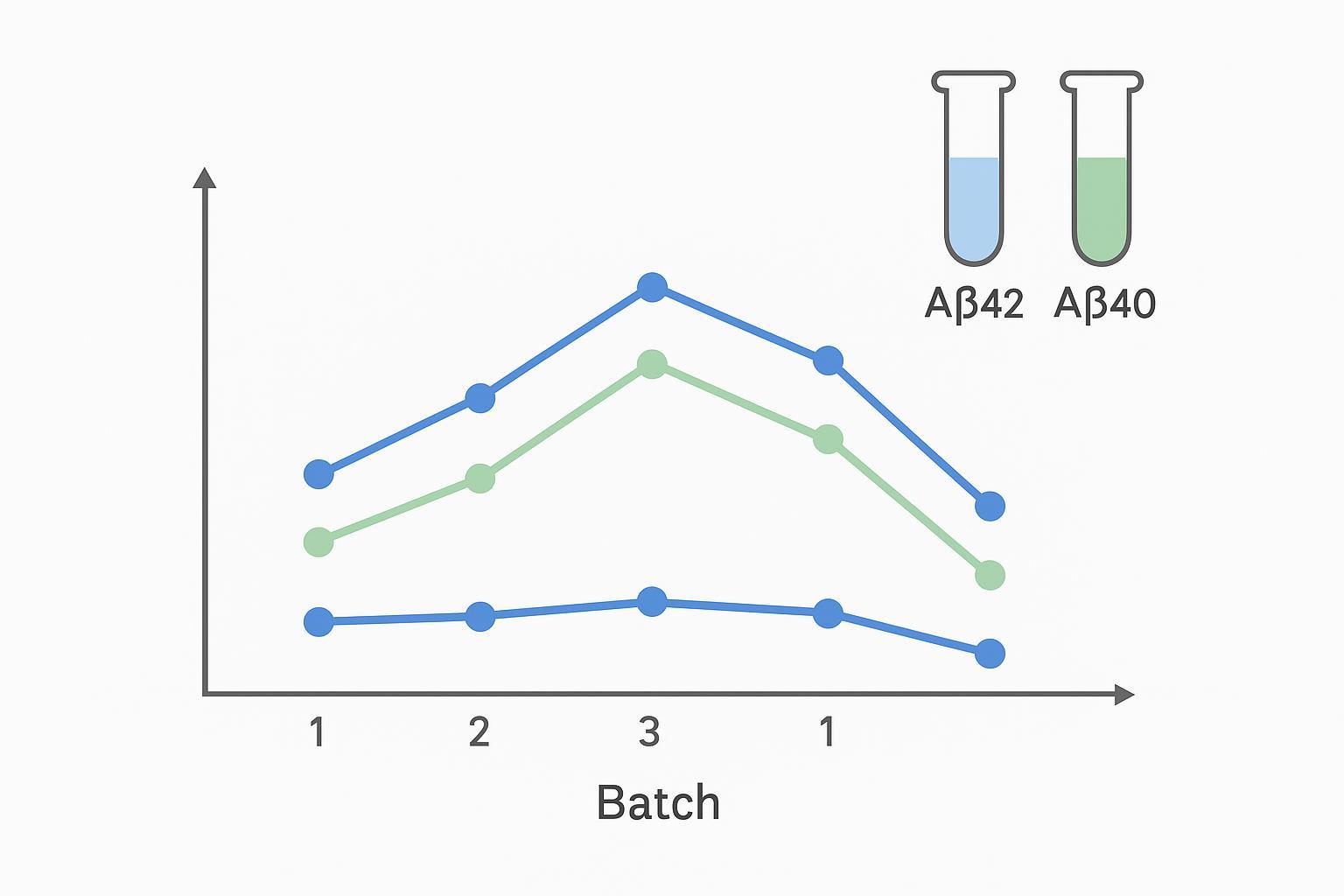
- Why the Aβ42/40 Ratio Often Beats Absolute Aβ Levels in Plasma
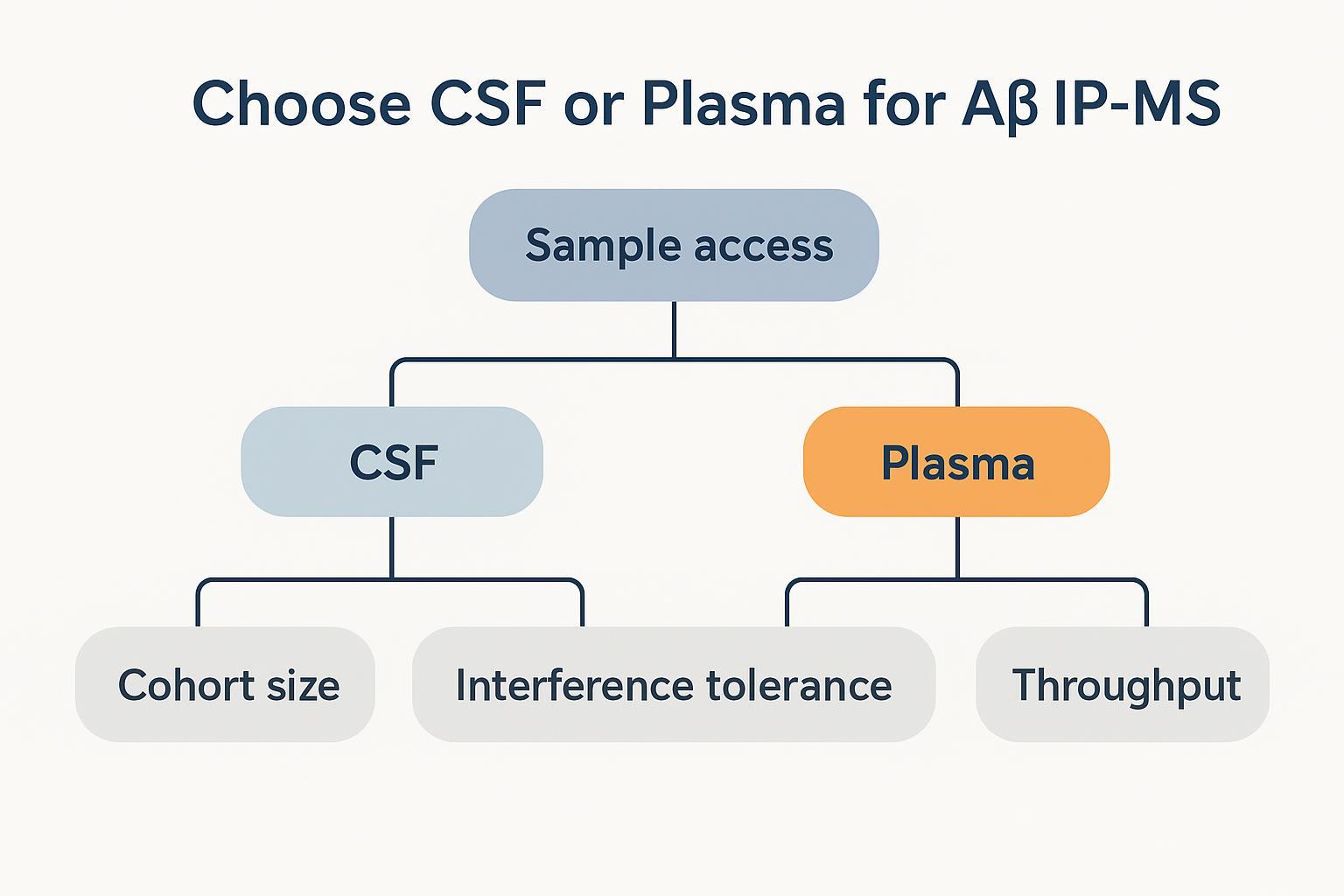
- CSF vs Plasma for Aβ IP‑MS (2026): Choose the matrix you can standardize
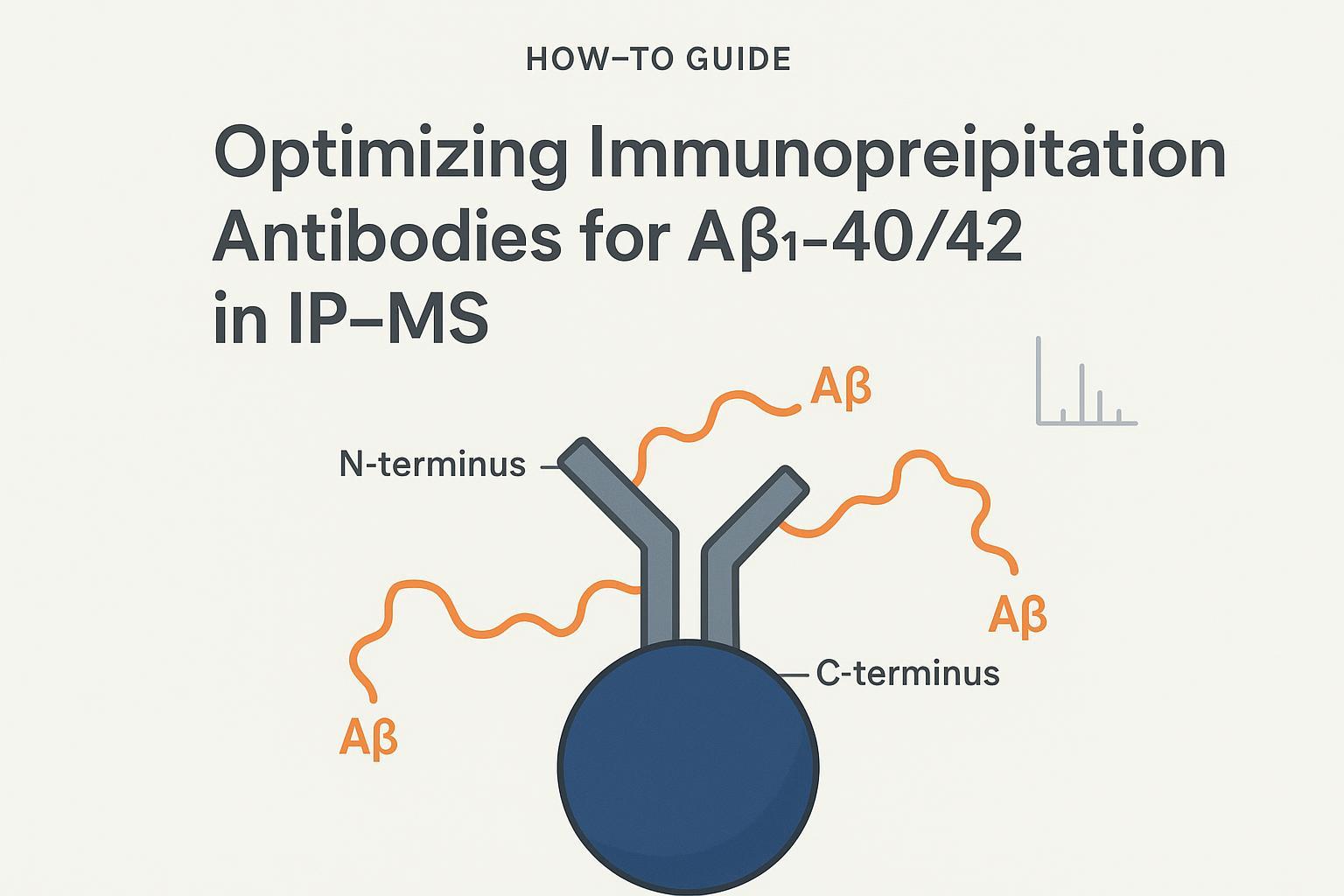
- Optimizing Immunoprecipitation Antibodies for Aβ1-40/42 in IP–MS
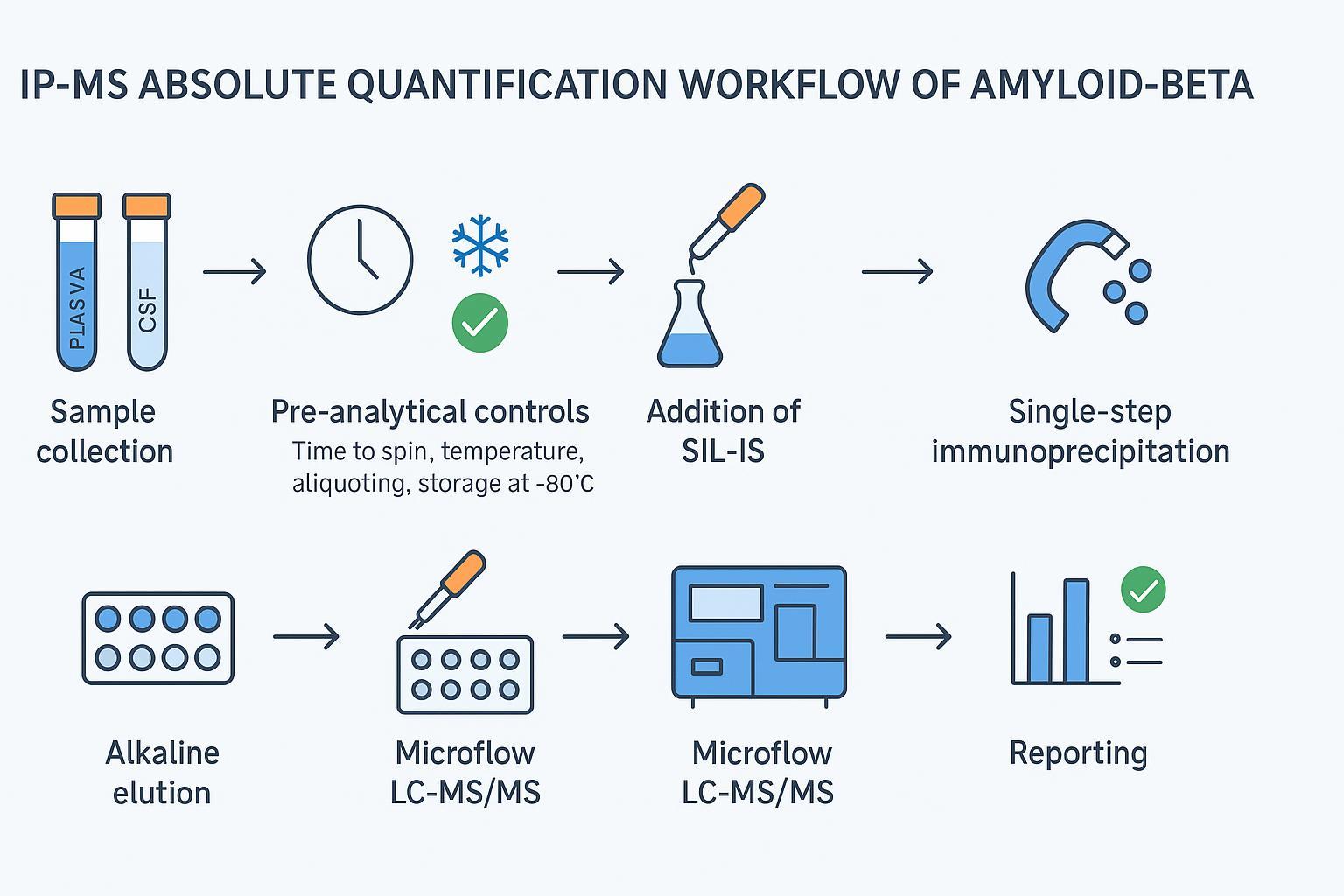
- IP‑MS Absolute Quantification of Amyloid‑beta Best Practices
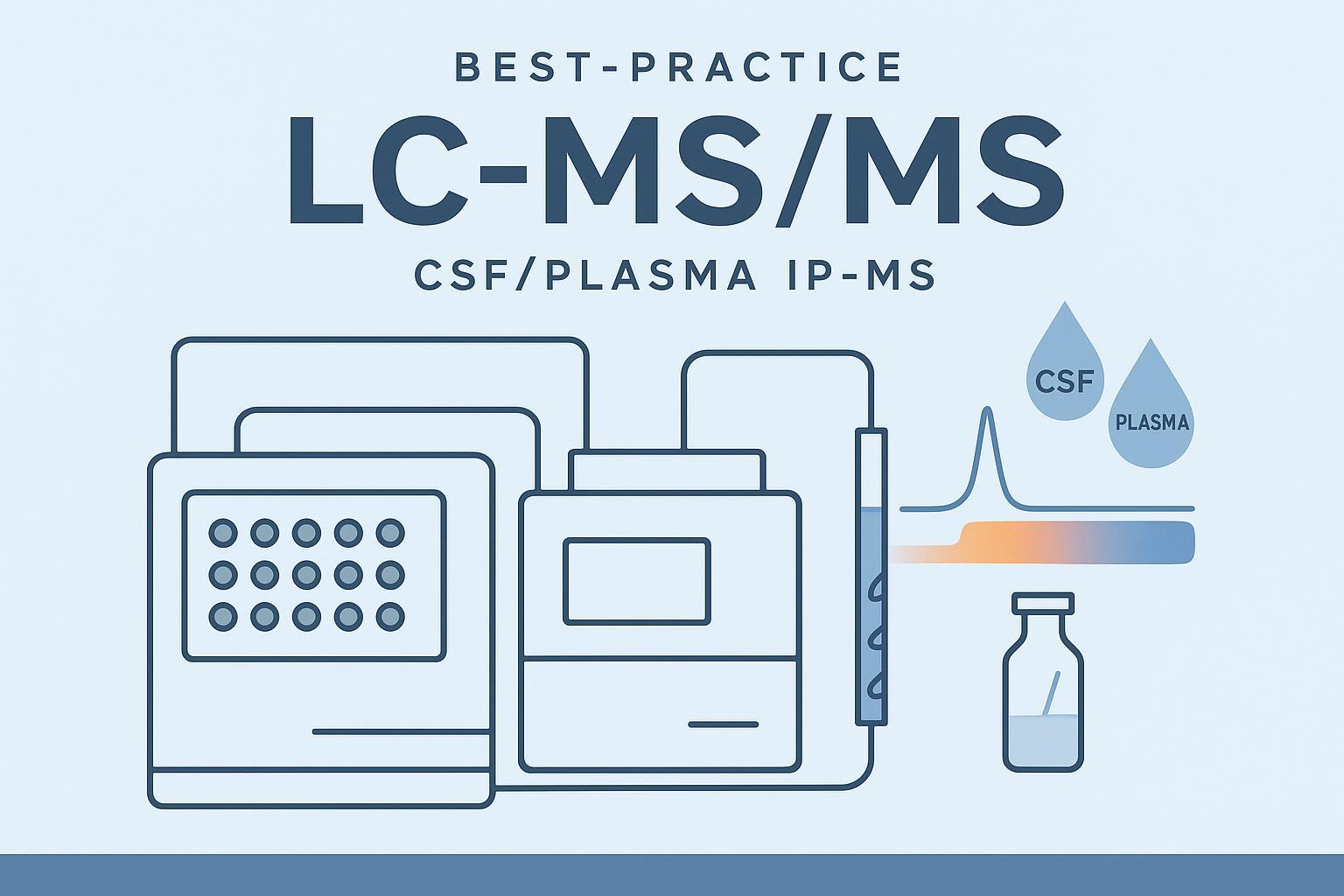
- Mitigating Matrix Effects and Carryover in CSF/Plasma IP‑MS Workflows (LC‑MS/MS)
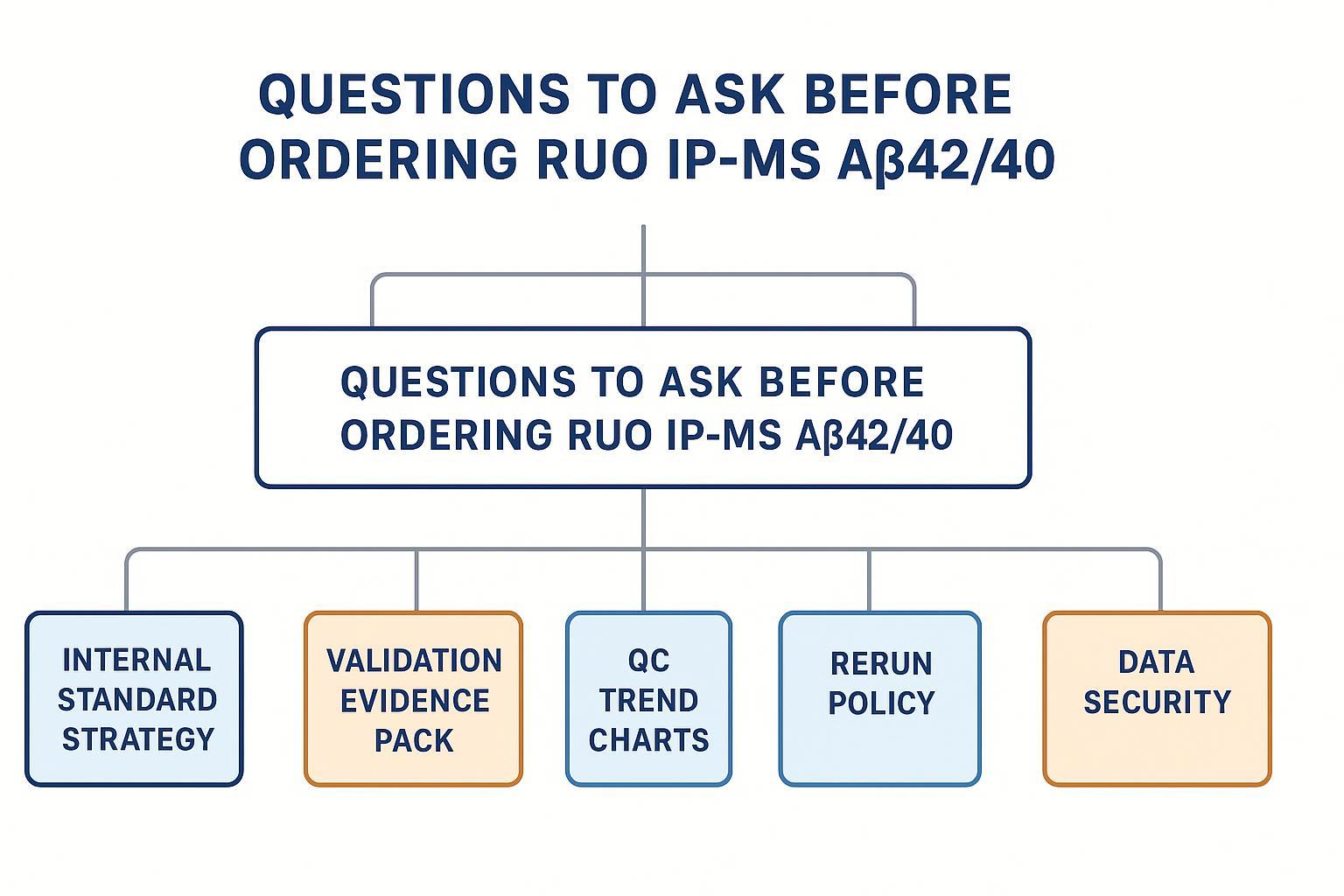
- Creative Proteomics IP‑MS Aβ42/40 (RUO): What You Should Demand Before You Order (Traceability, QC Evidence, TAT & Volumes)
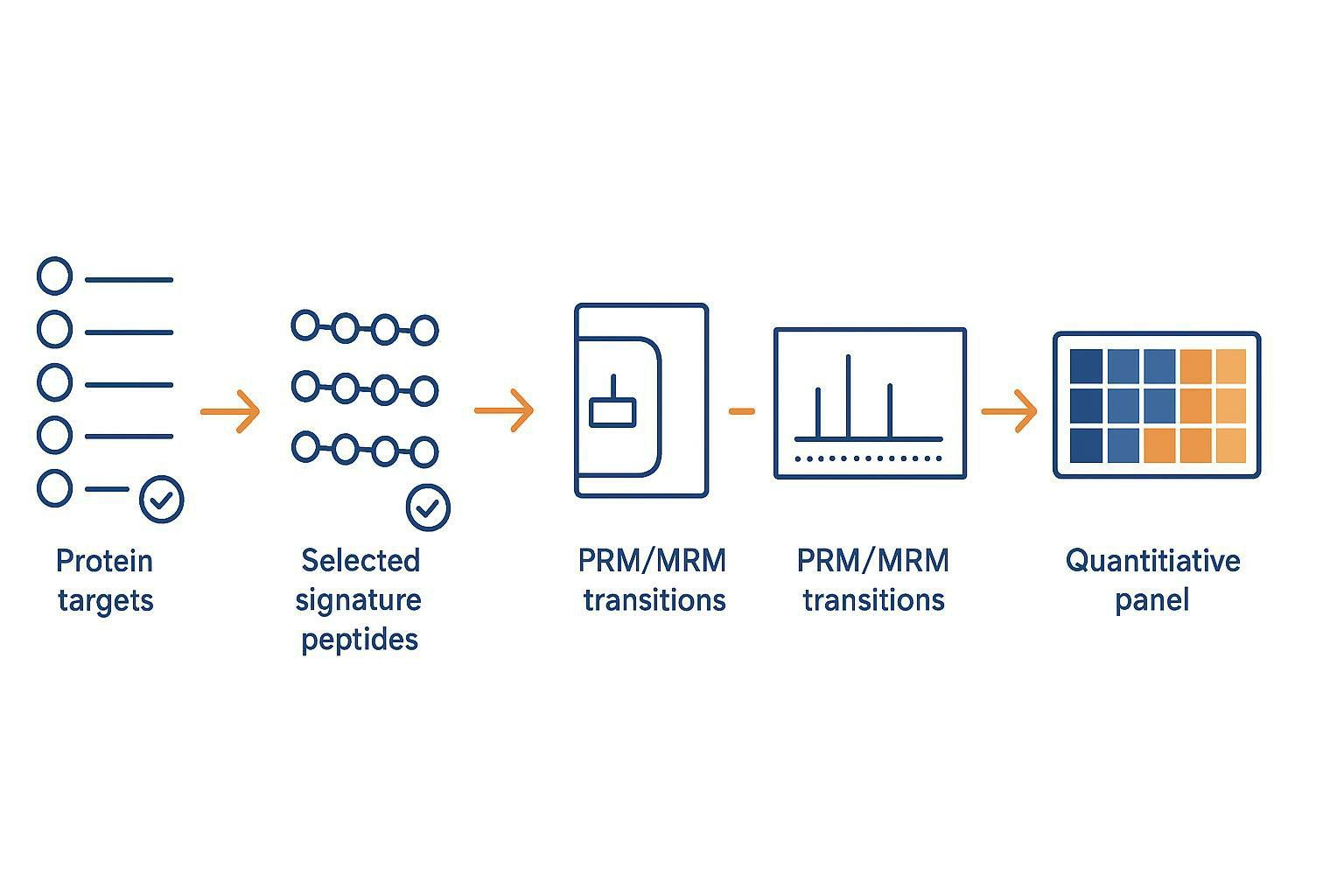
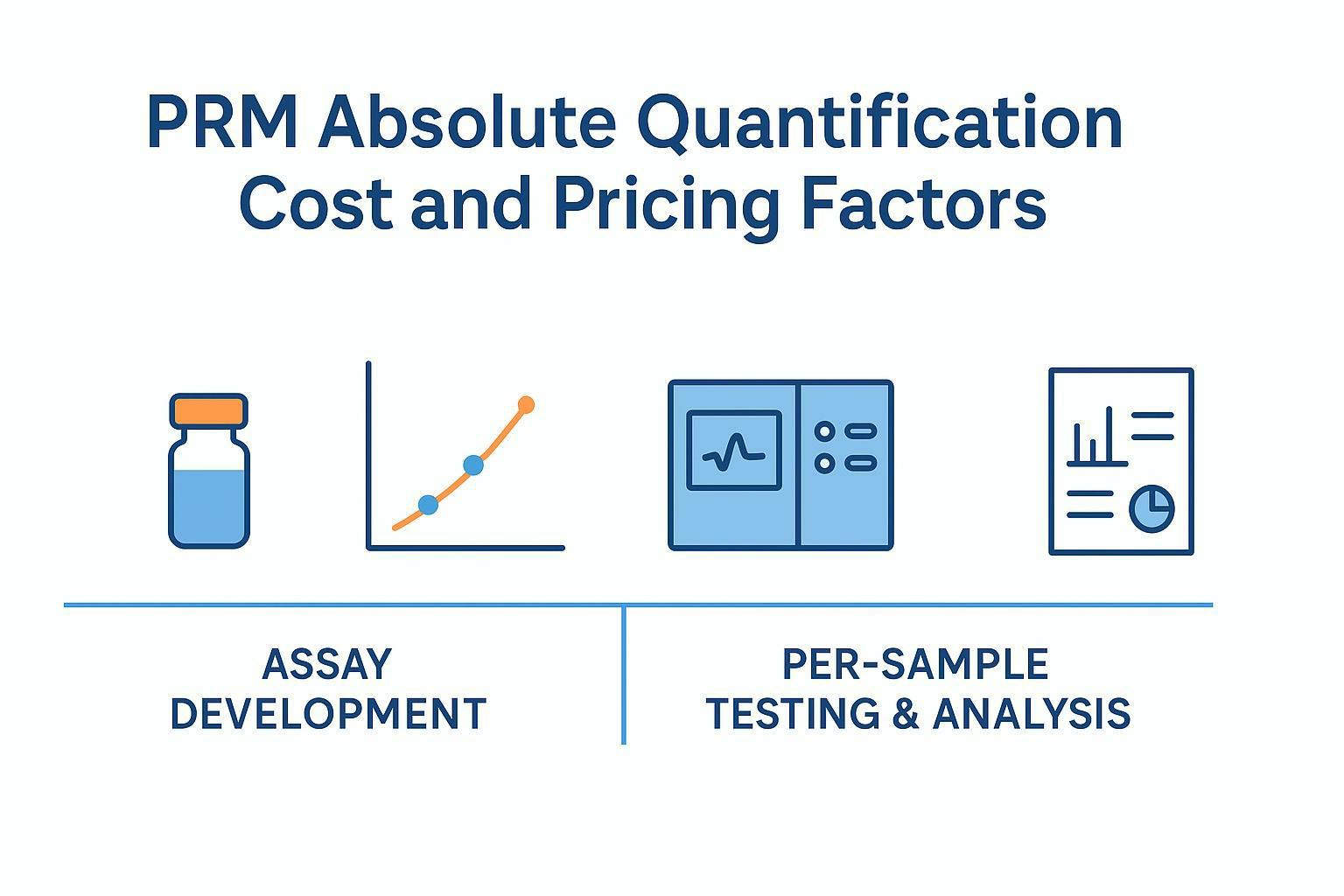
- PRM/MRM Quantification in Plasma: Validation Metrics, Internal Standards, and Turnaround Time
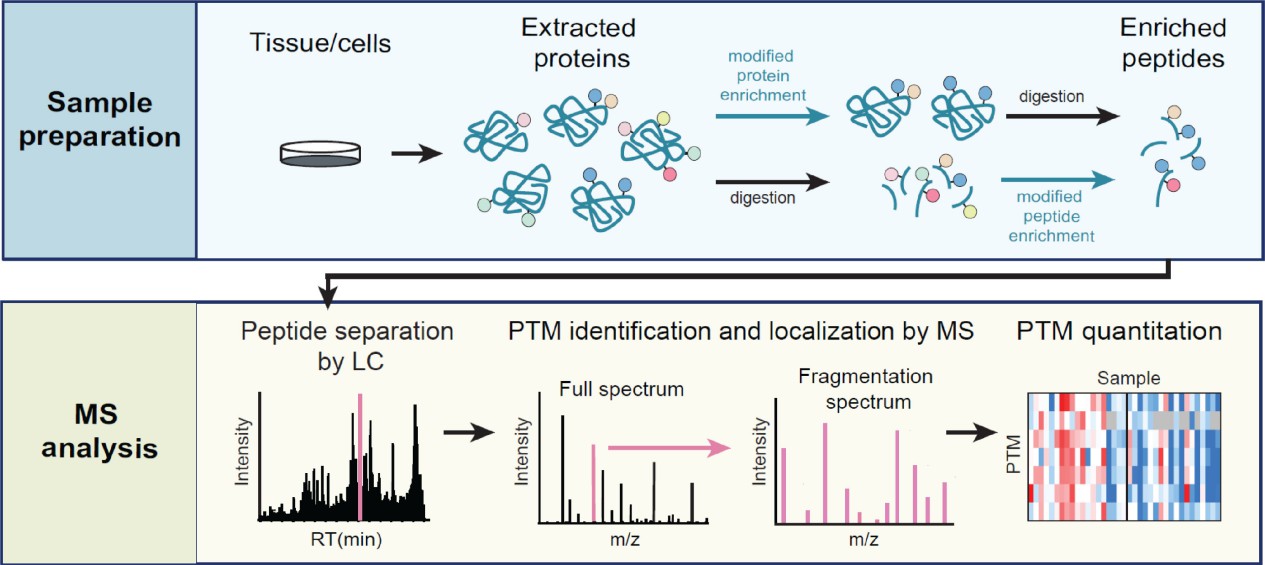
- Bioinformatics Tools and Databases for Post-Translational Modifications (PTM) Analysis
- How to Detect Post-Translational Modifications (PTMs) Sites?
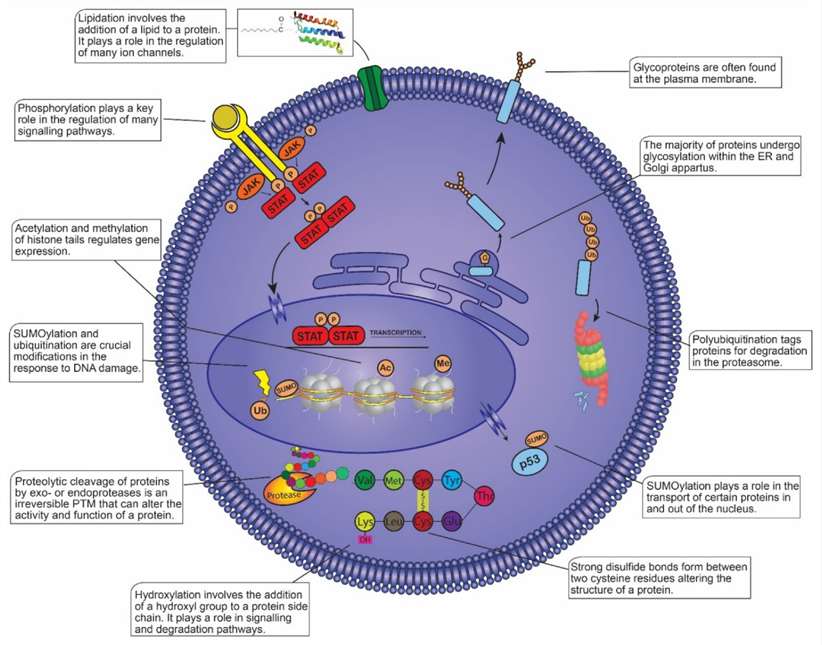
- Introduction to Protein Post-Translational Modifications (PTMs)
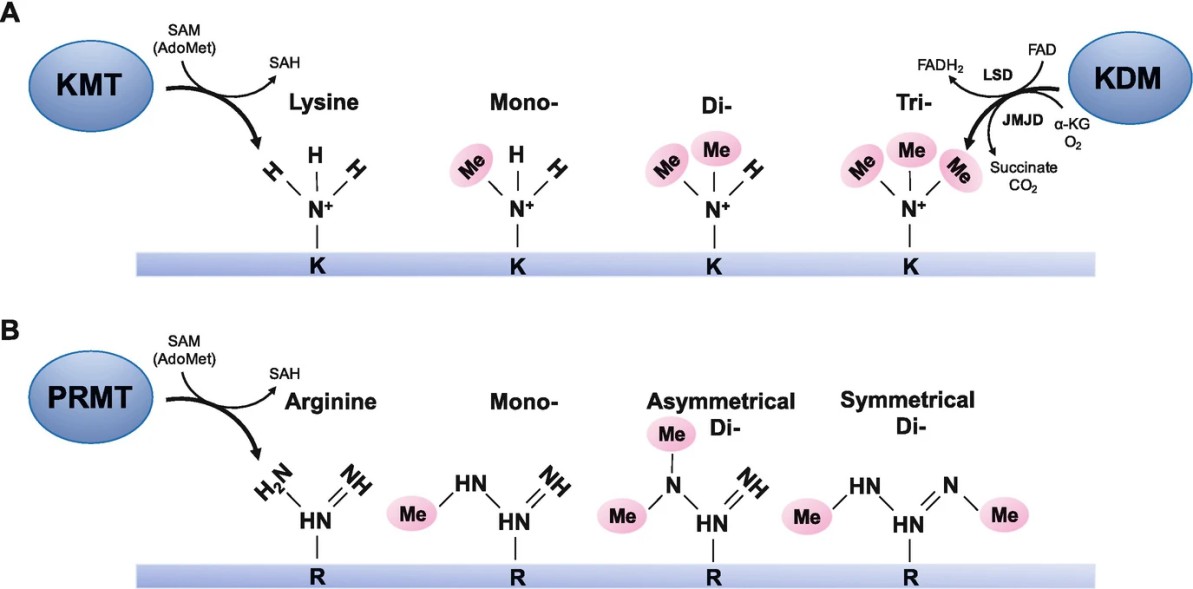
- Protein Methylation in Cellular Function
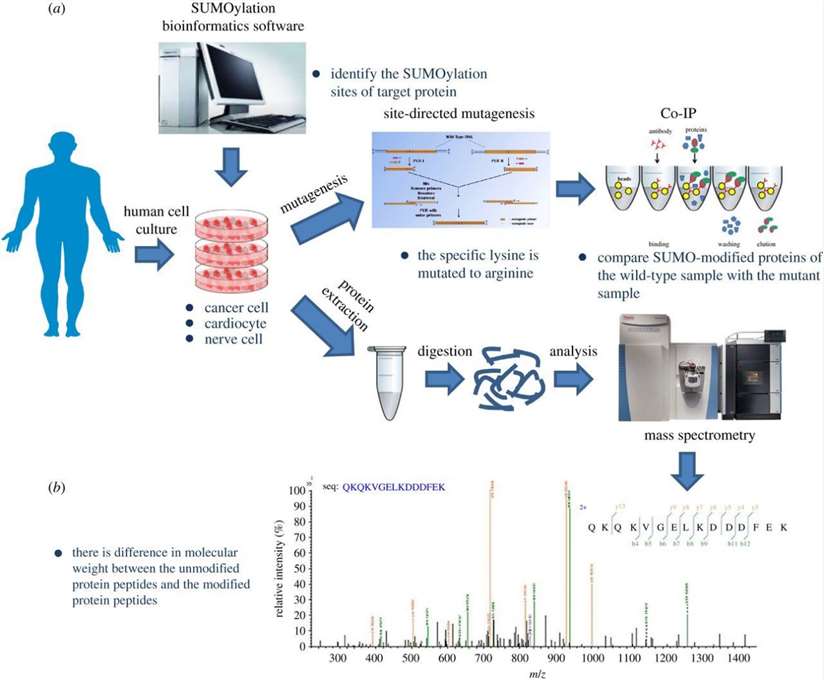
- SUMOylation Analysis: Mechanisms, Techniques, and Biological Significance
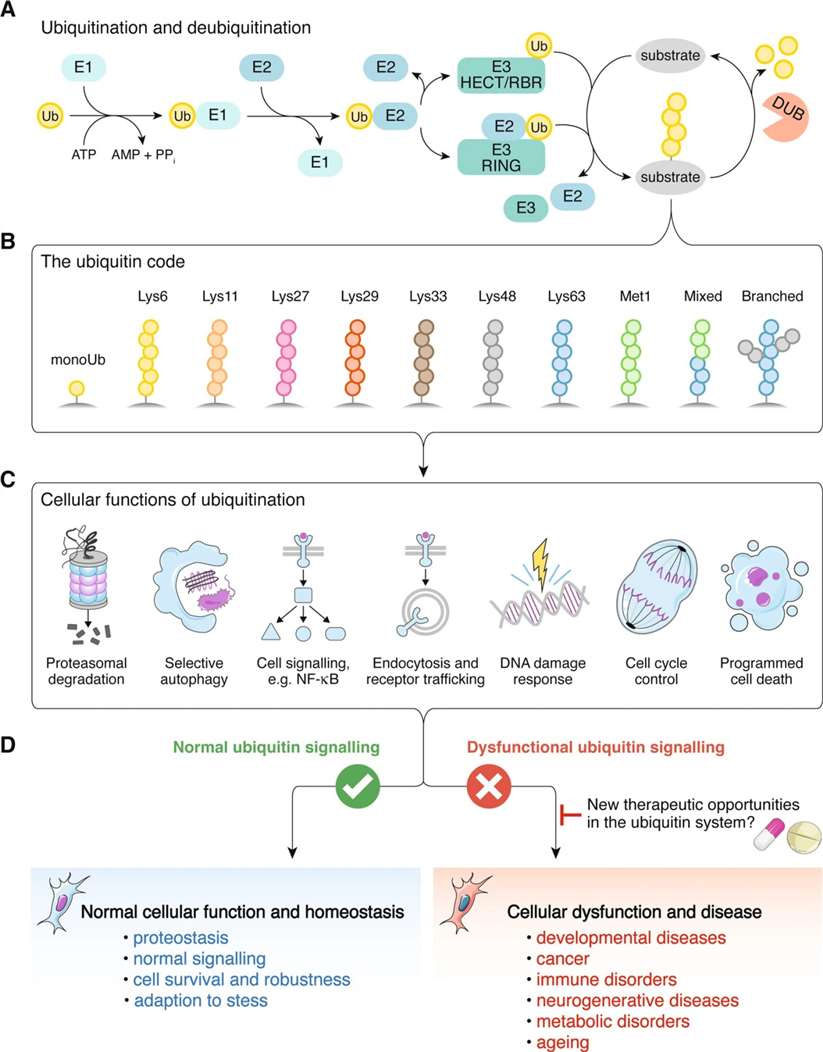
- Ubiquitination: Mechanisms, Mass Spectrometry, and the Role in Cellular Regulation
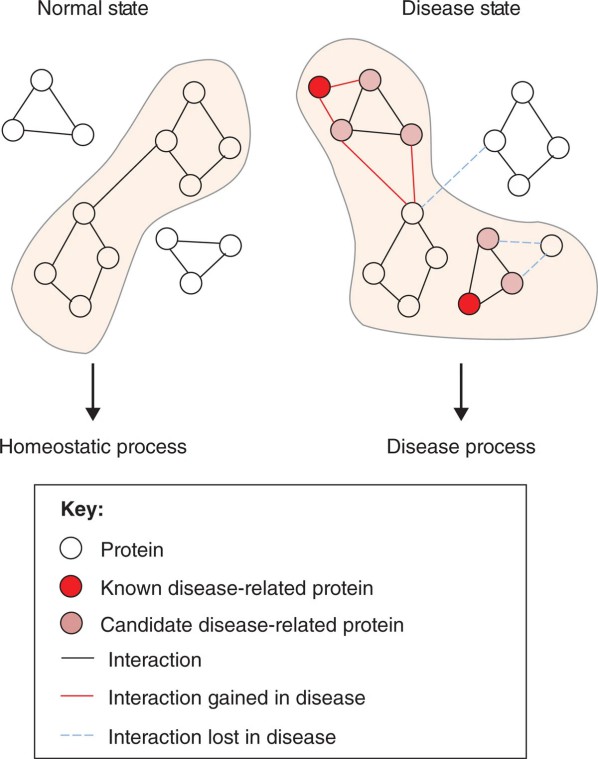
- Understanding Protein-Protein Interactions (PPIs): An Overview
- Why Protein-Protein Interactions (PPIs) Matter in Therapeutic Discovery
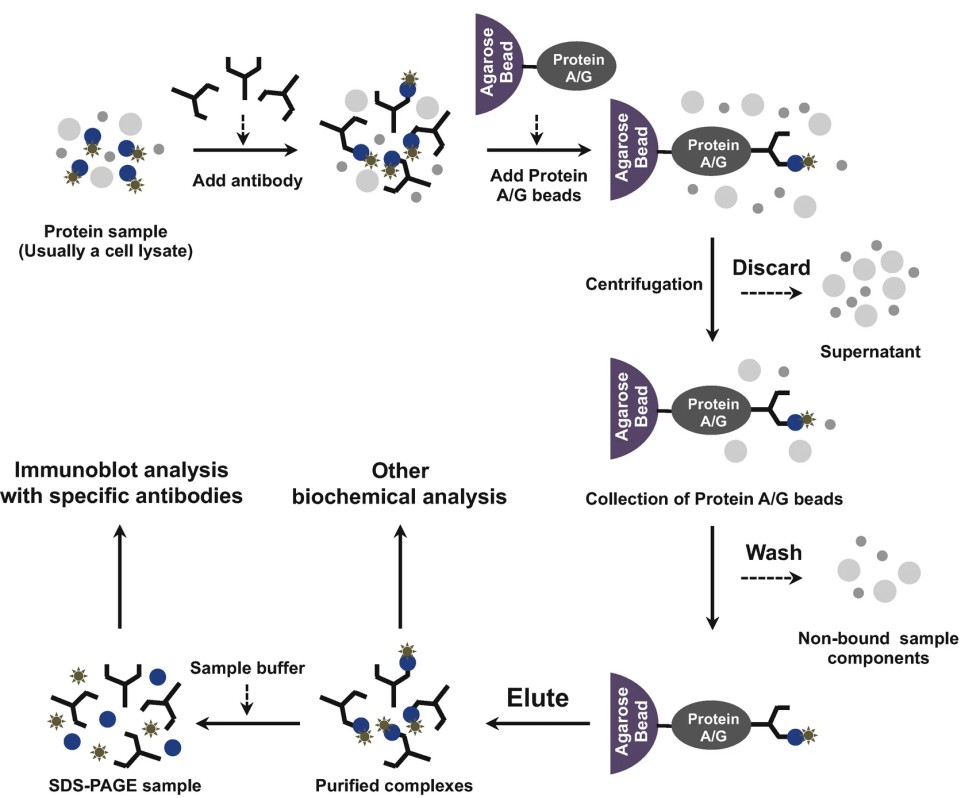
- Co-Immunoprecipitation (Co-IP) Strategies for Protein-Protein Interactions Analysis
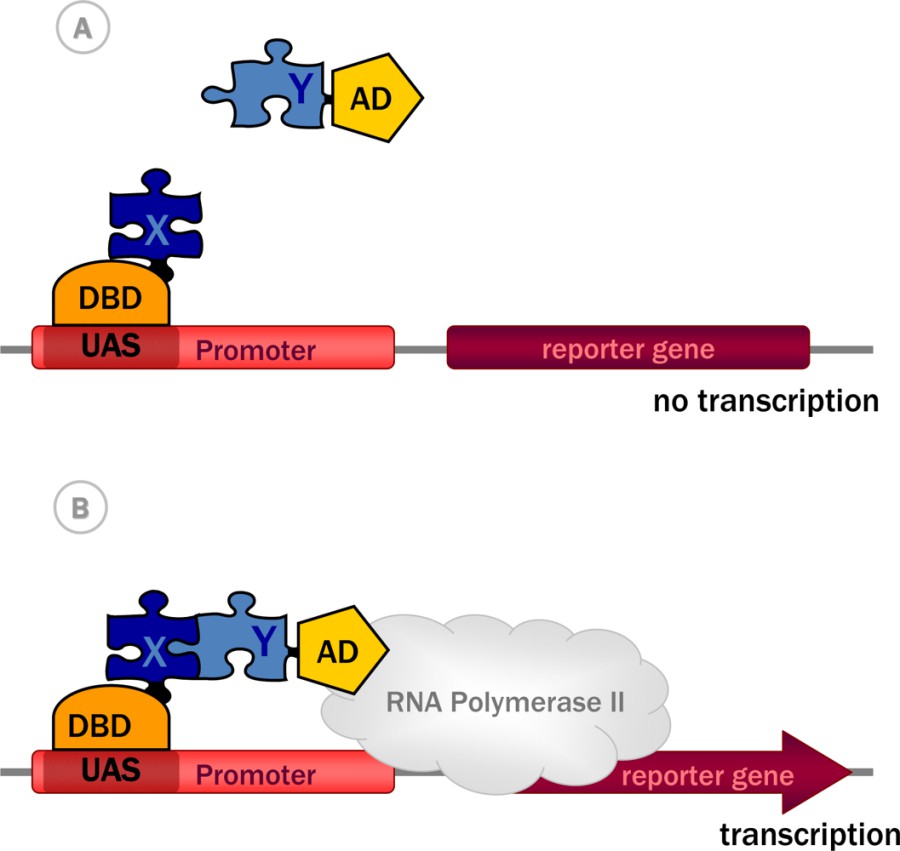
- How the Yeast Two-Hybrid (Y2H) Assay Works
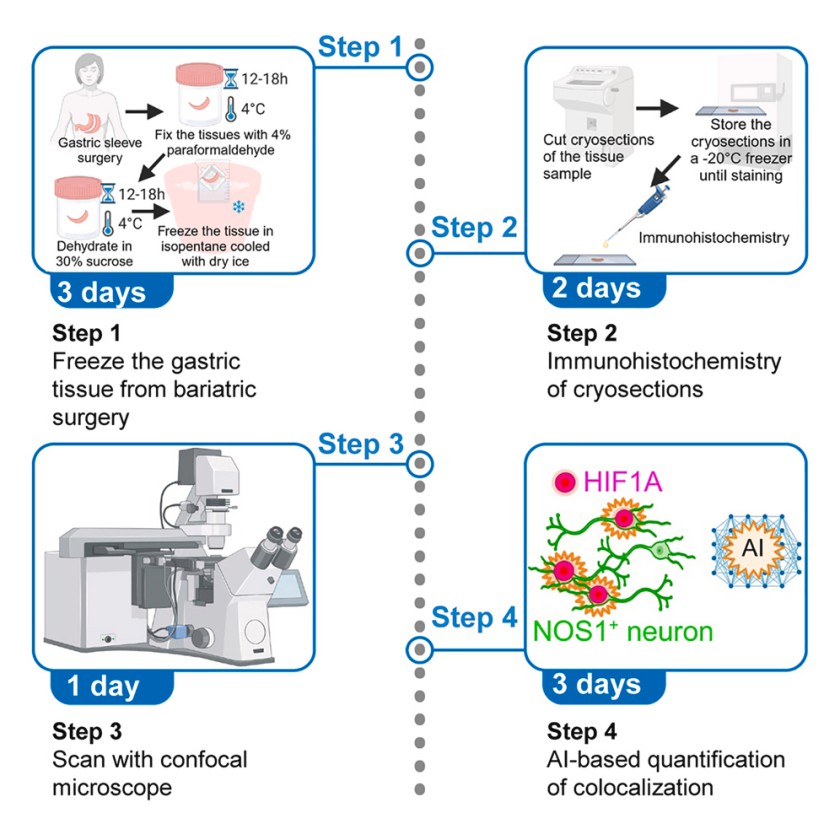
- How to Perform Fluorescence Colocalization Analysis
- Key Techniques for Studying Protein-Protein Interactions (PPIs)
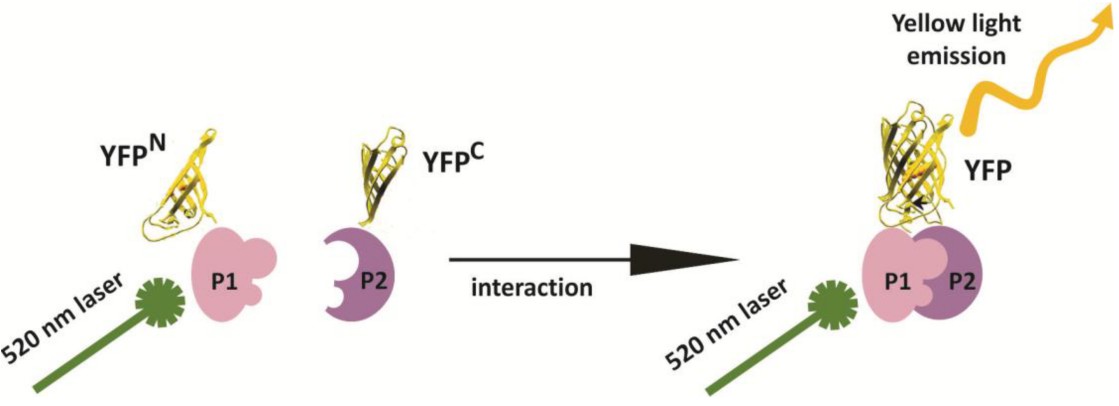
- Bimolecular Fluorescence Complementation (BiFC) for Live-Cell Imaging of Protein-Protein Interactions
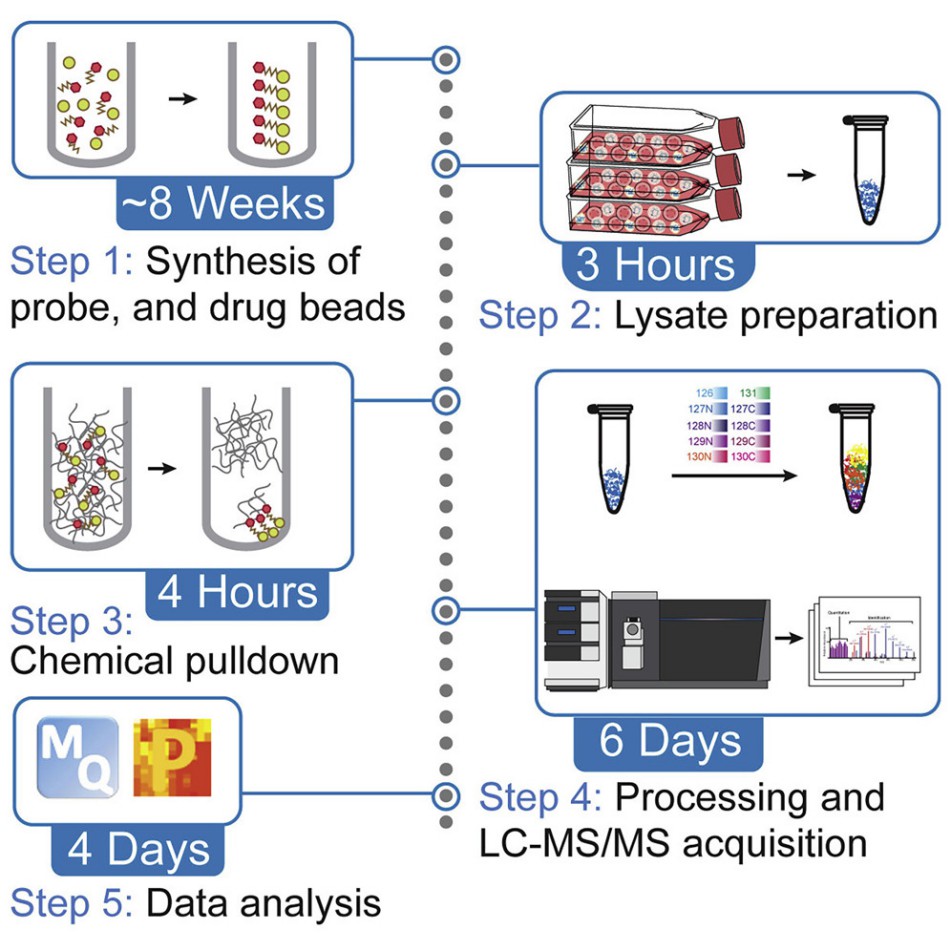
- Pull-Down Assay: A Key Technique for Protein-Protein Interaction Analysis
For research purposes only, not intended for clinical diagnosis, treatment, or individual health assessments.